Tag: Iran

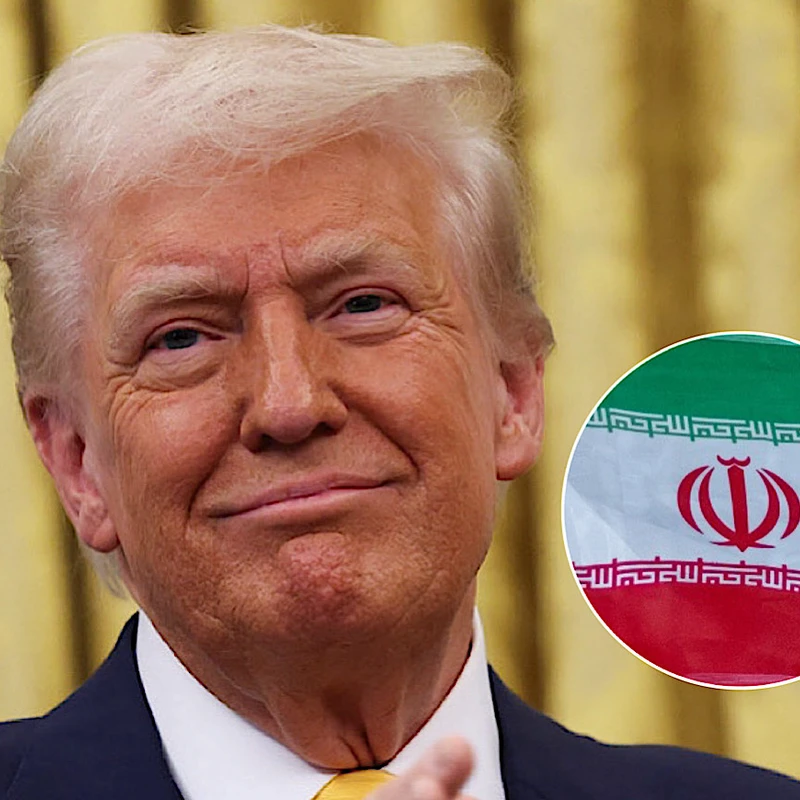
  • Trump’s Easter Ultimatum to Iran

    On Easter Sunday 2026, former President Donald Trump delivered a fiery message to Iran, focusing on the critical Strait of Hormuz. This vital waterway, through which a significant portion of the world’s crude oil passes, has become the focal point of escalating tensions.

    A Stark Ultimatum

    Through his Truth Social platform, Trump issued a stark warning: ‘Open the F**kin’ Strait, you crazy bastards, or you’ll be living in Hell – JUST WATCH! Praise be to Allah.’ This aggressive statement came amidst the ongoing conflict between the United States, Israel, and Iran, now in its fifth week.

    The former President set a tight deadline, stating that Iran had 48 hours to either reopen the Strait of Hormuz or make peace. He warned that failure to comply would result in severe repercussions, including the potential destruction of the entire country. He even alluded to specific targets, mentioning ‘Power Plant Day, and Bridge Day’ in Iran.

    Escalating Rhetoric

    This Easter Sunday ultimatum wasn’t an isolated statement. Trump had previously taken to Truth Social on Saturday, April 4th, threatening to rain ‘all hell’ down on Iran if they didn’t open the Strait within a 48-hour window. Even earlier, on Friday, April 3rd, he mused about the potential to ‘OPEN THE HORMUZ STRAIT, TAKE THE OIL, & MAKE A FORTUNE.’

    Doubling down on his threats, Trump spoke with major news outlets like ABC News and Fox News. He reiterated that Iran had just days, not weeks, to reach an agreement. Trump claimed Iran had been ‘decimated’ and that each passing day would only worsen their situation, emphasizing the need for a swift resolution to avoid further escalation.

    A Tightening Deadline

    Trump’s latest timeline suggests a belief that a deal could be struck as early as Monday, April 6th. However, this comes after he had already extended his own deadlines twice, indicating the complex and volatile nature of the situation. The threat to ‘blow up everything and take over the oil’ underscores the high stakes involved.

    These aggressive statements and ultimatums highlight the intense geopolitical climate and the potential for significant international conflict. The world watches closely as this high-stakes diplomatic and military standoff unfolds.

    What are your thoughts on Donald Trump’s Easter Sunday threats towards Iran? Share your perspective in the comments below!
  • Iran Rejects Trump Ceasefire, Sets Own Terms

    In a defiant stance, Iran has rejected a ceasefire proposal put forth by former President Donald Trump, signaling a deepening divide as regional conflict escalates. Instead of accepting the terms, Iranian officials have laid out their own conditions for any potential resolution, making it clear that a simple cessation of hostilities is not enough.

    Iran’s Demands for Resolution

    According to reports from Iranian officials, the government will not consider a ceasefire unless several key demands are met. Chief among these are compensation for war damages and, crucially, formal recognition of Iran’s sovereignty over the Strait of Hormuz. This vital global shipping route, which carries approximately 20% of the world’s oil and gas, is a major point of contention.

    Under international law, the Strait of Hormuz is considered a shared waterway, and no single country holds exclusive legal authority over it. Iran’s insistence on sovereignty highlights the significant gap in diplomatic efforts between the two sides.

    Escalating Military Activity and Concerns

    This rejection comes amidst intensified military operations. Israel has reportedly increased its actions against Iranian targets and Hezbollah forces in Lebanon. In response, the United States has bolstered its military presence in the region, deploying additional Marines and Army personnel as a precautionary measure amid rising tensions.

    Within Iran, leadership remains firm. The speaker of the Iranian parliament has warned that adversaries might be preparing for further escalation, including the potential occupation of Iranian territory. This reflects deep-seated concerns about the expanding scope of the conflict.

    Humanitarian Impact and Economic Consequences

    The ongoing hostilities are already taking a toll on civilians. Recent strikes in Tehran have damaged residential areas, with reports of casualties following attacks on buildings in neighborhoods like Shahrak-e Gharb. The destruction underscores the severe human cost of the conflict.

    The Strait of Hormuz remains a critical focal point. Any disruption to this key artery for global oil supplies could trigger significant international economic repercussions. With both Iran and the opposing forces holding firm positions and military activity on the rise, a clear path toward de-escalation is not currently visible, raising concerns about prolonged instability in the region.

    What are your thoughts on Iran’s conditions for a ceasefire? How do you see the conflict in the Middle East evolving? Share your perspective in the comments below!
  • Trump Delays Iran Strikes Amid Diplomatic Push

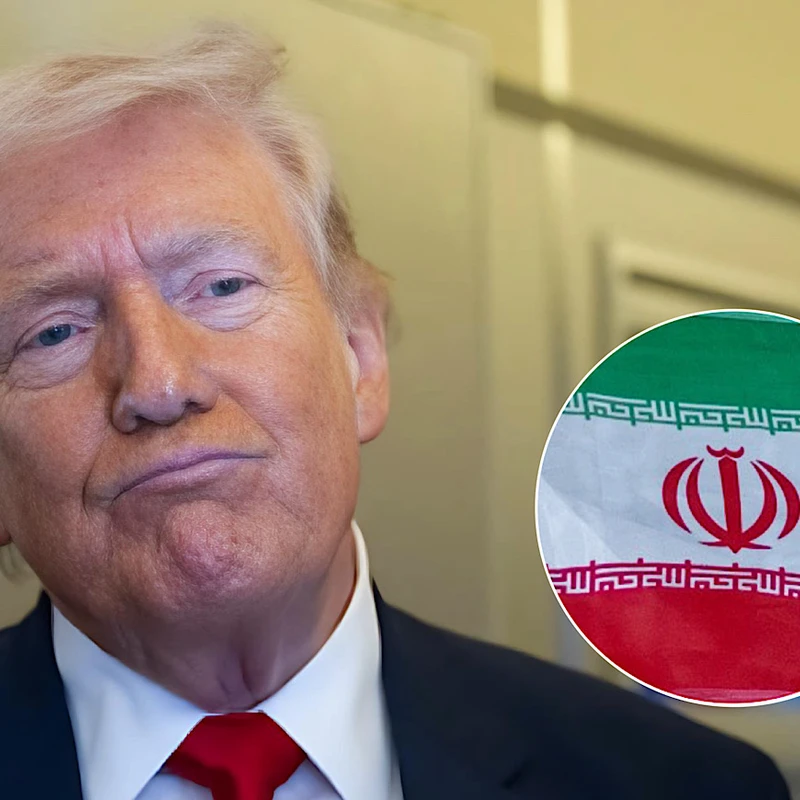
    In a significant development amid the ongoing conflict, President Donald Trump announced a postponement of threatened U.S. strikes on Iranian power plants. This decision, set for at least five days, comes as the administration claims “productive” talks are underway to end the war, now in its fourth week.

    A Diplomatic Pause

    The announcement followed a deadline Trump had set for Iran to reopen the Strait of Hormuz, a vital global shipping route. Trump shared on Truth Social that discussions were progressing towards a “complete and total” resolution. He also stated that Iran had initiated contact to “make a deal,” with 15 points, including preventing Iran from obtaining nuclear weapons, reportedly under discussion.

    Special envoy Steve Witkoff and son-in-law Jared Kushner are reportedly leading these negotiations. Trump expressed confidence that Israel would be pleased with any potential agreement.

    Iran Denies Direct Talks

    However, Iran has swiftly refuted claims of direct negotiations. The Foreign Affairs Ministry, via the semiofficial Mehr News agency, stated clearly: “there was no dialogue between Tehran and Washington.” Iranian state media suggested Trump’s decision was a tactic to ease energy prices and gain time for military preparations, framing it as a “backing down” after Tehran warned of retaliation against attacks on its energy infrastructure.

    Global Impact and Energy Concerns

    The conflict, which began on February 28 with joint U.S.-Israeli strikes on Iran, has significantly destabilized the Middle East and rattled global markets. Iran’s actions have effectively closed the Strait of Hormuz, impacting roughly 20% of the world’s oil supply. The International Energy Agency’s executive director, Fatih Birol, has warned of an energy crisis potentially worse than those seen in the 1970s or during the Ukraine war.

    Oil prices have surged over 70% this year, with U.S. gasoline prices climbing significantly. This tension follows Trump’s ultimatum, giving Iran 48 hours to reopen the strait or face bombing of its power plants, a threat met with counter-threats from Iranian officials.

    Uncertainty Looms

    Despite the pause in U.S. strikes, Israeli military actions in Tehran have reportedly continued. Analysts remain divided on whether these developments signal a genuine diplomatic breakthrough or merely a temporary de-escalation before potential further escalation. The situation remains fluid and closely watched by the international community.

    What are your thoughts on the latest developments between the U.S. and Iran? Do you believe this is a step towards peace or a prelude to further conflict? Share your views in the comments below!

  • US Warns Americans Abroad Amid Iran Threats

    Tensions are high as Iran issues a chilling warning, threatening attacks on recreational areas and tourist destinations across the globe. In response, President Donald Trump has bolstered troop deployments, and now, the U.S. Department of State is advising all Americans traveling or living abroad to be extra vigilant.

    Iran’s Escalating Threats

    On Friday, March 20th, Iran’s top military spokesman, General Abolfazl Shekarchi, made a stark declaration. He stated that luxury resorts and tourist sites worldwide would no longer be safe havens for those considered enemies of Iran. This threat comes at a particularly sensitive time, coinciding with spring break when millions of Americans are traveling.

    The warning suggests a potential shift towards militant attacks extending beyond the Middle East, raising concerns about the safety of international travelers. This development follows heightened conflict between Iran, Israel, and the United States.

    U.S. Department of State Issues Global Advisory

    In light of these threats, the U.S. Department of State, under the guidance of U.S. Secretary of State Marco Rubio, officially issued a worldwide caution on Sunday, March 22nd. The advisory urges Americans to “exercise increased caution,” particularly in the Middle East, but also globally.

    The official statement highlighted that U.S. diplomatic facilities, even outside the Middle East, have been targeted in the past. It also warned that groups supporting Iran might target other U.S. interests or locations associated with Americans worldwide. This proactive measure aims to ensure citizens are informed and prepared.

    Staying Informed and Safe

    Americans abroad are strongly encouraged to follow specific security alerts issued by their nearest U.S. embassy or consulate. The State Department also advises travelers to be aware of potential travel disruptions due to periodic airspace closures.

    • Enroll at step.state.gov for the latest security alerts.
    • Follow the “U.S. Department of State – Security Updates for U.S. Citizens” channel on WhatsApp.
    • Stay updated by following @TravelGov on X (formerly Twitter).
    • Carefully review the Travel Advisory and destination-specific information at travel.state.gov before planning any trips.

    The FBI and Department of Homeland Security have already placed counterterrorism operatives on high alert, preparing for any potential retaliatory attacks on U.S. soil. This coordinated effort underscores the seriousness of the current geopolitical climate.

    Have you traveled abroad recently or have upcoming travel plans? How do you feel about this U.S. Department of State advisory? Share your thoughts and concerns in the comments below.

  • Iran Threatens Global Tourist Sites; Trump Deploys Troops

    The geopolitical landscape has become increasingly volatile following a significant joint operation by the United States and Israel. After a targeted strike on February 28, 2026, resulted in the death of Iran’s Supreme Leader Ali Khamenei, Iran has issued a chilling worldwide threat, warning that recreational and tourist destinations will no longer be safe for its enemies.

    Escalation Following Khamenei’s Death

    President Donald Trump confirmed the successful strike, describing Khamenei as ‘one of the most evil people in History.’ In a statement, Trump emphasized that the heavy bombing would continue until peace was achieved in the Middle East and the world. He also urged the Iranian people to reclaim their country, suggesting potential immunity for those who defected from the IRGC and police forces.

    Following the strike, Trump claimed Iran retaliated with threats against the U.S. and Israel. He issued a stern warning, stating that any aggression from Iran would be met with unprecedented force. Reports later emerged of the U.S. destroying nine Iranian naval ships and damaging their naval headquarters, further intensifying the conflict.

    Iran’s Global Threat

    Amidst the ongoing conflict, Iran’s top military spokesman, General Abolfazl Shekarchi, delivered a stark warning on Friday, March 20, 2026. He declared that ‘From now on, based on the information we have about you, even parks, recreational areas and tourist destinations anywhere in the world will no longer be safe for you.’

    This threat comes at a sensitive time, coinciding with spring break travel for millions. It raises serious concerns about Iran potentially reverting to international militant attacks, extending its reach far beyond the Middle East. In response, the FBI and Department of Homeland Security have placed counterterrorism operatives on high alert for any potential retaliatory attacks on U.S. soil.

    Troop Deployment and Heightened Alert

    In light of these escalating threats, President Donald Trump has announced the deployment of additional troops. This move signals a heightened state of readiness and underscores the seriousness with which the U.S. is taking Iran’s warnings. The situation remains tense, with global security agencies closely monitoring developments.

    What are your thoughts on Iran’s global threat and President Trump’s response? Share your views in the comments below!

  • Journalist Survives Israeli Missile Strike in Lebanon

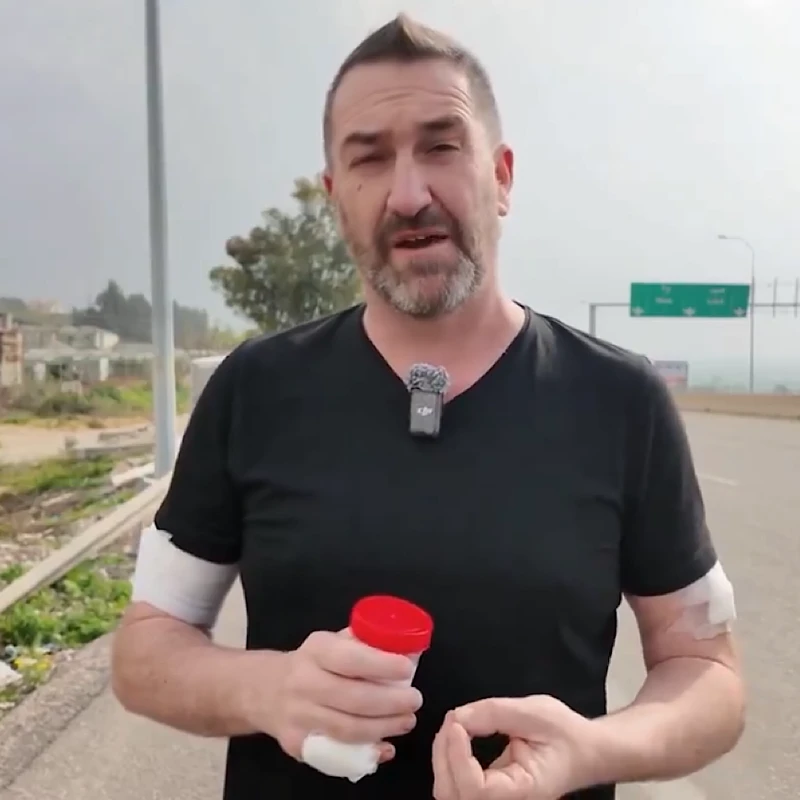
    In a terrifying display of the dangers faced by journalists in conflict zones, horrifying footage has emerged showing British correspondent Steve Sweeney and his cameraman, Ali Rida, narrowly escaping an Israeli missile strike while reporting in southern Lebanon. Sweeney has unequivocally labeled the incident a “deliberate attack” on the press.

    A Close Call in Southern Lebanon

    The dramatic clip, captured by Rida’s camera, shows Sweeney delivering a report near the Al-Qasmiya Bridge when the sound of an incoming missile is heard. Both journalists instinctively look up and scramble for cover just moments before the strike lands less than ten meters behind them. RT News reported that an Israeli aircraft dropped the missile directly onto their filming location, which was situated not far from a local military base.

    Despite wearing press uniforms, Sweeney asserts that Israeli forces “deliberately attacked” him and his crew. He emphasized that harming journalists and civilians constitutes a war crime, highlighting the critical importance of press safety in such volatile regions. Rida later shared footage showing doctors removing shrapnel from Sweeney’s arm, though both confirmed they were thankfully unharmed beyond minor injuries.

    International Condemnation and Concerns

    Speaking after the incident, Sweeney expressed his astonishment at their survival, stating, “We were incredibly lucky to come away with the injuries we did. This was a deliberate, targeted attack. There is no question about it.” His account was echoed by Rida, who humorously noted, “It turns out that when a missile is flying at you, you can hear it.”

    The attack has drawn strong condemnation from international bodies. Russia’s Foreign Ministry spokeswoman, Maria Zakharova, denounced the strike, pointing out that it wasn’t accidental, especially given the “killing of two hundred journalists in Gaza.” She highlighted that the missile didn’t hit a significant military facility but rather the location where the report was being filmed, and stated that Moscow awaits a response from international organizations.

    A Stark Reminder of Dangers

    This harrowing incident serves as a stark reminder of the immense risks journalists undertake to bring vital information to the public. The deliberate targeting of media personnel is a grave concern, undermining the fundamental principles of press freedom and the public’s right to know.

    What are your thoughts on this dangerous incident? Share your views on press freedom and the safety of journalists in conflict zones in the comments below!

  • Trump Criticizes Obama’s Iran Deal Amid War

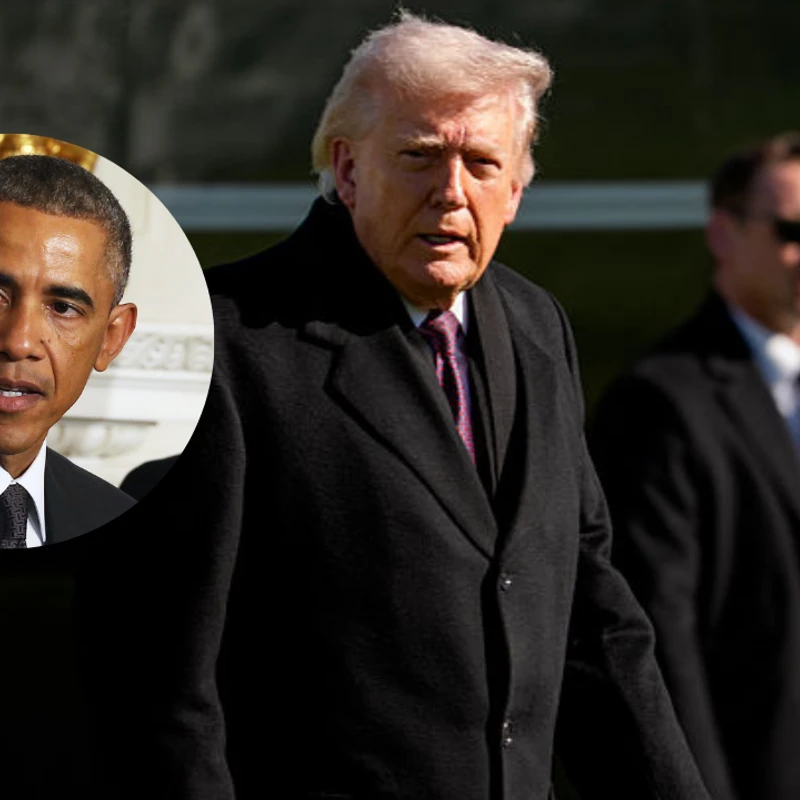
    Since launching “Operation Epic Fury” in Iran, resulting in the deaths of at least 13 U.S. service members, former President Donald Trump has repeatedly invoked the name of his predecessor, Barack Obama. Trump has mentioned Obama at least 17 times across six public events and numerous social media posts since the joint U.S.-Israel strikes on Feb. 28, often characterizing Obama’s 2015 Iran deal (the Joint Comprehensive Plan of Action, or JCPOA) as the “worst deal” ever made.

    Criticism of the Iran Deal and Financial Transactions

    Trump has specifically focused on the Obama administration’s delivery of $1.7 billion in cash to Iran as part of the JCPOA. Describing the transaction, Trump stated, “They took the seats out, and they put cash, and it was so much that there wasn’t a bank in Virginia, Maryland, or D.C. that had any money left. They stripped them of all their money, put it into place, [and] sent it to Iran almost as ransom.”

    While the Obama administration did deliver multiple cash payments to Iran as part of the deal to deter its nuclear program, these funds were Iran’s own frozen assets. The U.S. was returning these assets, which had been sanctioned to cripple Iran’s nuclear ambitions. Due to U.S. sanctions banning Iran from the U.S. financial system, electronic transfers were not feasible, necessitating the cash delivery.

    Broader Criticisms and Political Motivations

    Trump’s criticisms extend beyond the Iran deal, including accusations that Obama did not want a bust of Winston Churchill in the Oval Office and that Obama’s Supreme Court nominees never ruled against his administration. During a St. Patrick’s Day event, Trump mentioned Obama again, citing a White House assistant physician who reportedly called Trump the healthiest president he had ever worked for, suggesting pressure was applied to the physician.

    Democratic strategist Ameshia Cross suggests Trump’s constant criticism of Obama stems from a competitive dynamic and a desire to diminish Obama’s legacy, particularly that of the first Black president. “Obama has not had a single achievement domestically or internationally that Donald Trump has not taken a swipe at,” Cross told theGrio, adding that Trump’s political motivation is rooted in a “push to ensure that the legacy of the first Black president was going to be diminished.”

    Expert Opinions on Diplomacy and Strategy

    National security and foreign policy experts argue that the multinational Iran deal, achieved in partnership with allied nations, contributed to regional safety. Victor LaGroon, a U.S. Army veteran and former Biden administration official, noted the significance of Obama securing agreements from Russia and China for the JCPOA, calling it “pretty incredible.” In contrast, LaGroon described Trump’s current military operation in Iran as “Super chaotic,” questioning his decision to move away from a working agreement and highlighting a lack of consideration for intelligence.

    Cross further criticized Trump’s approach, stating he “does not value diplomacy, and he especially doesn’t value the diplomacy of Barack Obama.” She believes this stems from a fundamental disbelief in the capabilities of Black individuals in leadership positions. The current military actions in Iran have led to political and economic fallout in the U.S., with rising gas prices and widespread disapproval of the war, suggesting potential political repercussions for Trump.

    • Donald Trump has repeatedly criticized Barack Obama’s Iran deal amid the ongoing military operation in Iran.
    • Trump has mentioned Obama at least 17 times in public events and social media posts since the strikes.
    • He specifically targets the 2015 Iran deal and the $1.7 billion cash payment to Iran.
    • Experts argue the Iran deal enhanced regional safety, while Trump’s current operation is described as “chaotic.”
    • Critics suggest Trump’s focus on Obama is politically motivated to diminish the former president’s legacy.

    What are your thoughts on Donald Trump’s criticisms of Barack Obama’s foreign policy? Do you agree with the current military actions in Iran? Share your opinions in the comments below!

  • US Considers Banning Iranian Diplomats from Costco

    Just weeks before the United Nations General Assembly convenes, the Trump administration is reportedly considering a new wave of travel restrictions targeting diplomats from several countries, including Iran. This potential move comes after similar visa denials for Palestinian leader Mahmoud Abbas and his delegation.

    Targeting Bulk-Buying Habits

    According to an internal State Department memo, a particularly unusual restriction being considered is barring Iranian representatives from shopping at popular warehouse clubs like Costco and Sam’s Club. These routine bulk-buying trips have reportedly been used by Iranian diplomats to acquire goods that are then shipped back to Iran. The U.S. might even implement rules to control who can hold memberships to these stores.

    Broader Restrictions and Waivers

    The proposed restrictions aren’t limited to Iran. Diplomats from Brazil, Sudan, and Zimbabwe could also face new travel limitations. Brazil, which typically opens the U.N. General Assembly’s session, might encounter hurdles, possibly due to political friction between its current president and a U.S. ally. Interestingly, Syria has received a surprising waiver, granting its diplomats unprecedented travel freedom after more than a decade.

    Uncertainty and No Official Comment

    State Department officials have not yet confirmed an official timeline for when these potential restrictions might come into effect. Representatives from Iran and Brazil have also not yet issued official comments on the matter. This developing situation highlights the complex diplomatic maneuvering that often occurs around major international gatherings.

    What are your thoughts on these potential travel restrictions for diplomats? Share your opinions in the comments below!