Tag: HBCU

  • Trump Claims China Saves HBCUs

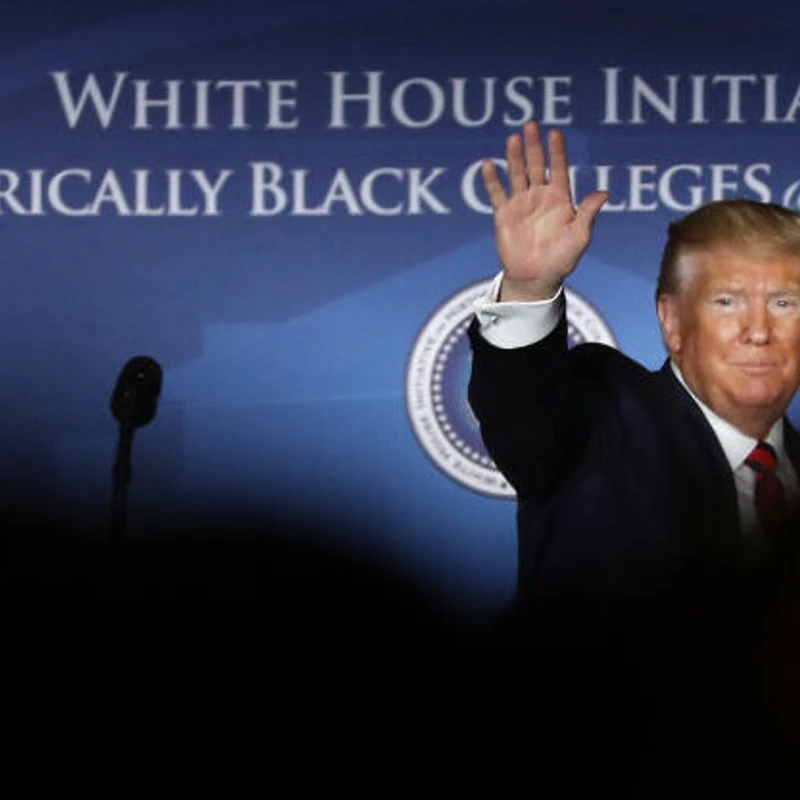
    In a recent interview, former President Donald Trump made a striking claim about the financial stability of Historically Black Colleges and Universities (HBCUs). While discussing his administration’s policies on international students and foreign workers, Trump asserted that Chinese students are essential for keeping HBCUs in business.

    Trump’s Bold Statement on HBCUs and Chinese Students

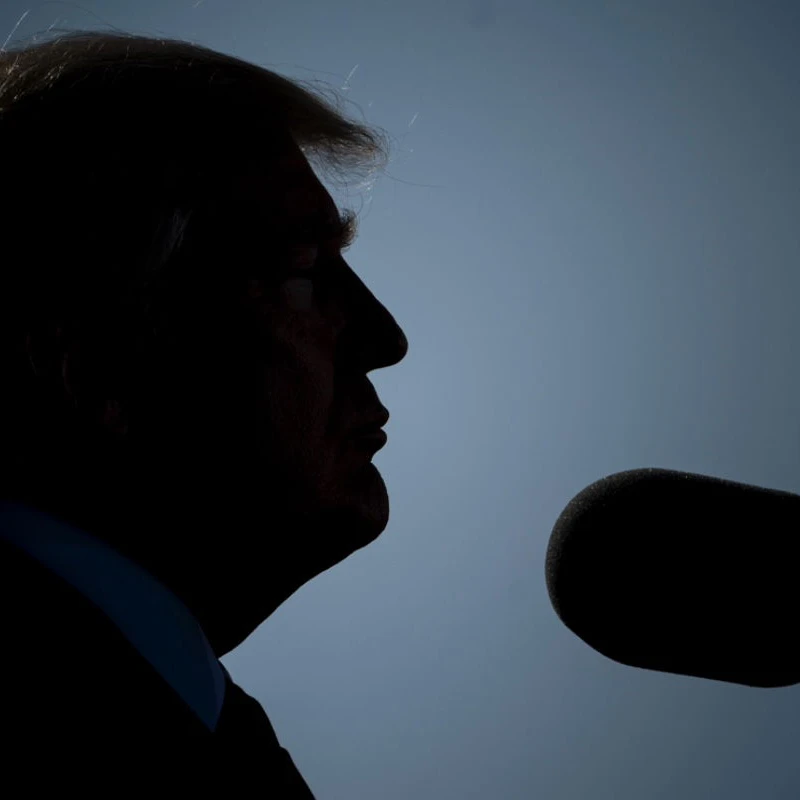
    During an interview with Fox News’ Laura Ingraham, Trump stated, “We do have a lot of people coming in from China… if we were to cut that in half… you would have half the colleges in the United States go out of business.” He then specifically included HBCUs in this assertion, saying, “You would have the historically Black colleges and universities would all be out of business.”

    This statement comes as Trump has previously defended H-1B visas and international students, while also implementing restrictions on these programs. His comments suggest a belief that international enrollment, particularly from China, is a critical lifeline for many American higher education institutions, including HBCUs.

    The Reality of International Enrollment at HBCUs

    However, Trump’s claim about HBCUs being solely reliant on Chinese students appears to be at odds with available data. Research from the Institute of Educational Sciences indicates that international students constitute a relatively small portion of the overall student body at HBCUs, making up just 2.5%.

    Furthermore, the majority of these international students hail from Africa and the Caribbean, not primarily China. This suggests that the financial survival of HBCUs is not as dependent on Chinese enrollment as the former president suggested.

    Context: Immigration Policies and Workforce Debate

    Trump’s remarks also touched upon the broader debate surrounding international workers and H-1B visas. He argued that international students “bring talent” to the U.S. workforce, a point that has drawn criticism from some within his own party, like U.S. Rep. Marjorie Taylor Greene, who is pushing to eliminate H-1B visas entirely.

    Ingraham challenged Trump, suggesting that the U.S. has sufficient talent domestically. Trump countered by explaining the complexities of filling specialized roles, stating, “You don’t have certain talents and people have to learn. You can’t take people off an unemployment line and tell them ‘I’m gonna put you into a factory and you’re gonna make missiles.’ … It doesn’t work that way.”

    While the debate over immigration and its impact on the workforce continues, Trump’s specific assertion about HBCUs raises questions about the accuracy of his claims regarding their student demographics and financial dependencies.

    What are your thoughts on Donald Trump’s comments about HBCUs and international students? Do you think his claims align with the reality of HBCU enrollment? Share your perspective in the comments below!
  • UDC’s Rise: Equity and Excellence in HBCU Rankings

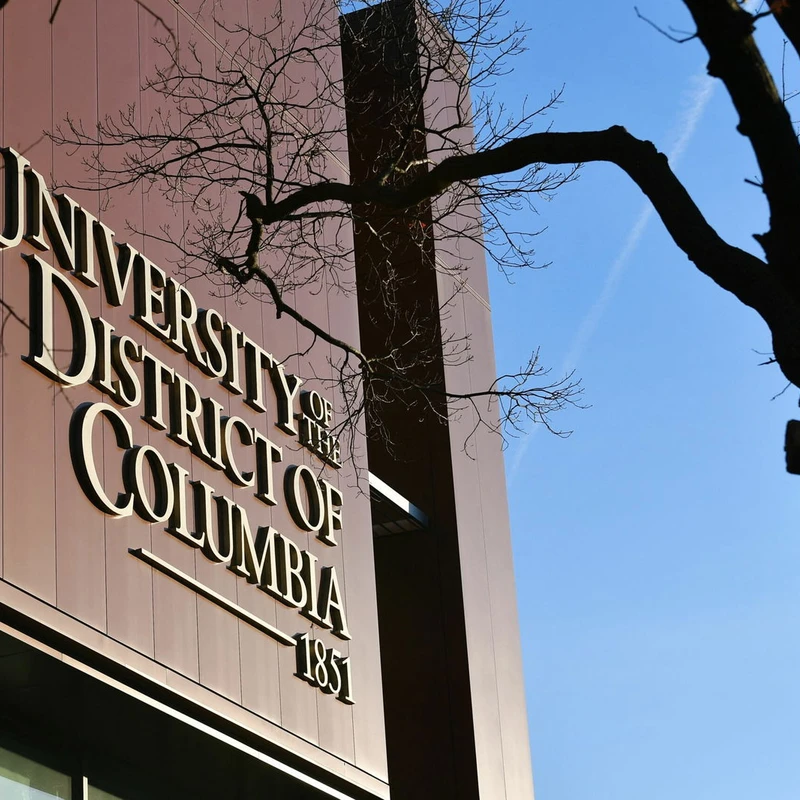
    Big news for Washington D.C.’s only public university! The University of the District of Columbia (UDC) is climbing the ranks, and it’s a testament to their renewed commitment to both equity and excellence. This urban land-grant HBCU is redefining what’s possible and earning well-deserved recognition.

    A Record-Breaking Leap in Rankings

    In the latest U.S. News & World Report 2025 rankings, UDC has achieved its highest placement ever, landing at #18 among all Historically Black Colleges and Universities (HBCUs) and an impressive #9 among public HBCUs nationwide. This isn’t just a small jump; it’s a significant leap that reflects major gains in key areas.

    The university attributes this success to a strategic focus on expanding access to education and ensuring its programs directly meet the workforce demands of Washington, D.C. It’s a mission-driven approach that’s clearly paying off.

    From Lower Third to Top Tier

    What makes this achievement even more remarkable is UDC’s trajectory. Just five years ago, the university was ranked in the lower third of the U.S. News HBCU list. Through dedicated efforts, including launching new academic programs, securing increased research funding, and investing heavily in student support services, UDC has dramatically improved its standing.

    Key initiatives like the Workforce Development and Lifelong Learning (WDLL) division, which has trained over 20,000 D.C. residents in critical fields like cybersecurity and healthcare, and the expansion of undergraduate research opportunities, have positioned UDC as a hub for innovation and practical learning.

    Affordability Meets Quality

    Students themselves highlight the university’s culture and affordability as major draws. Senior biology major Aaliyah Green shared, “I could’ve gone out of state, but UDC offered me the same quality of education for a fraction of the cost.” With average in-state tuition under $7,000, UDC stands out as one of the most affordable four-year institutions in the region.

    Combined with a favorable 14:1 student-to-faculty ratio and strong internship connections with local agencies, UDC’s offerings are becoming increasingly competitive against out-of-state options. This blend of accessibility and quality is a powerful combination.

    A Model for Urban HBCUs

    Experts recognize UDC’s progress as a significant indicator of how urban HBCUs are evolving. Dr. Crystal Moore, a higher education policy analyst, noted, “UDC’s progress shows that public investment and visionary leadership can transform outcomes for historically underfunded institutions.” It’s a powerful example of impact beyond just rankings.

    As Washington, D.C. continues its economic and demographic evolution, UDC’s growth story is one of resilience and reinvention. President Maurice D. Edington perfectly captured the sentiment: “When our students succeed, the city succeeds. We’re building the next generation of leaders right here in the nation’s capital.”

    What do you think about UDC’s impressive rise in the HBCU rankings? How important is affordability and equity in higher education today? Share your thoughts in the comments below!

  • Tuskegee University Sues AVMA Over Accreditation

    Tuskegee University, home to the nation’s only historically Black veterinary school, has taken a significant step by filing a federal lawsuit against the American Veterinary Medical Association (AVMA). The university is challenging an upcoming appeal hearing that could potentially strip its College of Veterinary Medicine of its accreditation, a move that could have devastating consequences.

    Allegations of Due Process Violations

    In its legal filings, which include a complaint and a motion for a preliminary injunction, Tuskegee University alleges that the AVMA and its Council on Education (COE) violated due process and disregarded their own established rules during a recent accreditation review. The university argues that these procedural missteps have denied them a fair opportunity to present their case.

    The potential loss of accreditation poses a severe threat, as it could lead to the closure of the veterinary program, cut off federal student aid for its students, and inflict lasting damage to the university’s reputation. Tuskegee is specifically asking the court to prevent the AVMA from proceeding with an appeal hearing under procedures they deem unfair.

    Discrepancies in Standards and Support

    The AVMA COE has reportedly placed Tuskegee’s veterinary college on probationary accreditation since 2022, citing deficiencies in finances, clinical resources, and outcomes assessment. However, Tuskegee’s lawsuit claims the AVMA applied its standards inconsistently. As an example, the complaint notes that when Purdue University faced similar facility challenges, the AVMA COE did not require financial documentation before granting extensions, whereas Tuskegee’s verified commitments were rejected as insufficient.

    Founded in 1945 by Dr. Frederick Douglass Patterson, Tuskegee’s veterinary program plays a crucial role, training over 70% of the nation’s Black veterinarians and making it the most diverse veterinary college in the U.S. The university emphasizes that the AVMA’s decision could significantly impact minority participation in the veterinary field.

    Seeking an Urgent Injunction

    The university is seeking an emergency injunction from the court, requesting that it be issued by December 4th, just one day before the AVMA hearing. This injunction would allow the veterinary program to continue operating normally while the lawsuit is fully resolved. The outcome of this case could have far-reaching implications for Tuskegee University and the future of diversity in veterinary medicine.

    What are your thoughts on Tuskegee University’s lawsuit against the AVMA? Do you believe the accreditation process was fair? Share your opinions in the comments below!

  • Trump’s HBCU Claim Debunked

    Donald Trump’s recent assertion that Chinese students are essential for the survival of Historically Black Colleges and Universities (HBCUs) has ignited a firestorm of criticism and disbelief across social media, particularly within the Black community. The claim, made during an interview on Fox News with Laura Ingraham, has been swiftly debunked by data and firsthand accounts.

    Trump’s Controversial Statement

    During the interview, Trump discussed his views on immigration and student visas, specifically mentioning those from China. He stated, “We do have a lot of people coming in from China. We also have a massive system of colleges and universities, and if we were to cut that in half… You would have half the colleges in the United States go out of business.” He then specifically targeted HBCUs, claiming, “You would have the historically Black colleges and universities would all be out of business.”

    Backlash and Skepticism Emerge

    Trump’s remarks immediately struck a nerve, prompting sharp reactions from Black social media users. Many expressed confusion and frustration, questioning when HBCUs became reliant on Chinese students for their financial stability. One user sarcastically asked, “Since when did HBCUs rely on Chinese students?” while another pointed out the double standard, noting the likely outcry if President Biden made a similar statement about immigrant students.

    The sentiment was echoed by many who felt Trump’s talking points often scapegoated or villainized Black people. The idea that HBCUs, institutions with rich histories of Black excellence and resilience, would be solely dependent on international students seemed particularly unfounded to many.

    Data Refutes the Claim

    To address the claim directly, Walter M. Kimbrough, a respected three-time HBCU president, took to X (formerly Twitter) to share data. “I was curious so I ran the IPEDS data for fall 2023,” Kimbrough stated. “Approximately 3,000 students listed as Asian attended HBCUs, or 1%. So based on the numbers and my experience as a president, this scenario won’t impact HBCUs.”

    Further data obtained by Black Information Network from the Institute of Education Sciences confirmed that international students, in general, constitute only about 2.5% of the total enrollment at HBCUs. This statistical evidence directly contradicts Trump’s assertion that a significant reduction in Chinese students would lead to the closure of these institutions.

    Despite facing backlash and having his claims refuted by data and community members, Trump has continued to defend his stance on immigration policies. However, this particular statement has highlighted a disconnect between his rhetoric and the realities faced by HBCUs and the Black community.

    What are your thoughts on Donald Trump’s comments about HBCUs and Chinese students? Do you think politicians should be more mindful of the impact of their words on specific communities? Share your views in the comments below!

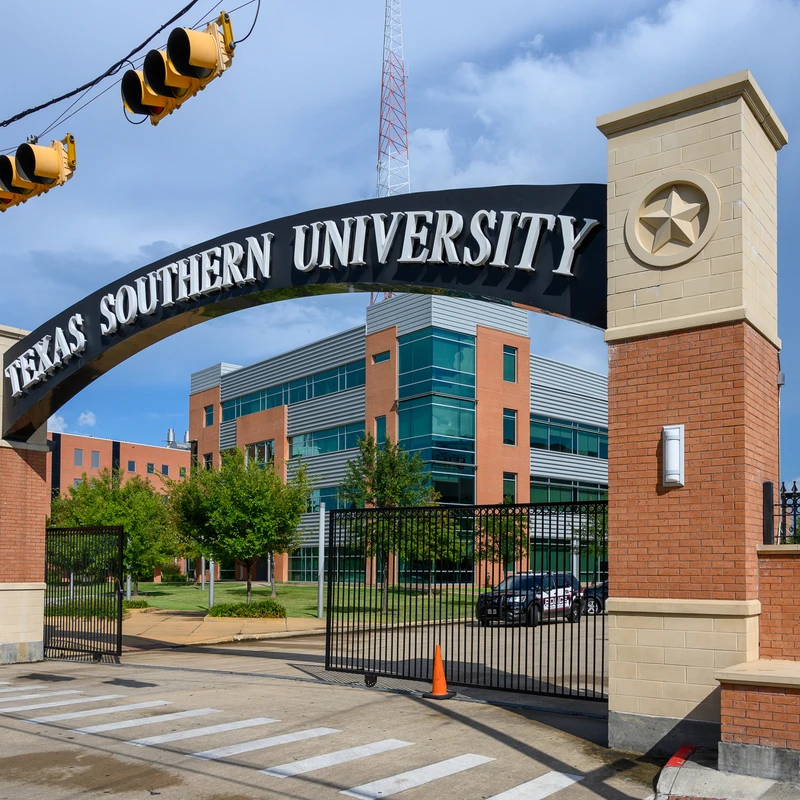
  • Texas Governor Investigates Texas Southern University Over Finances

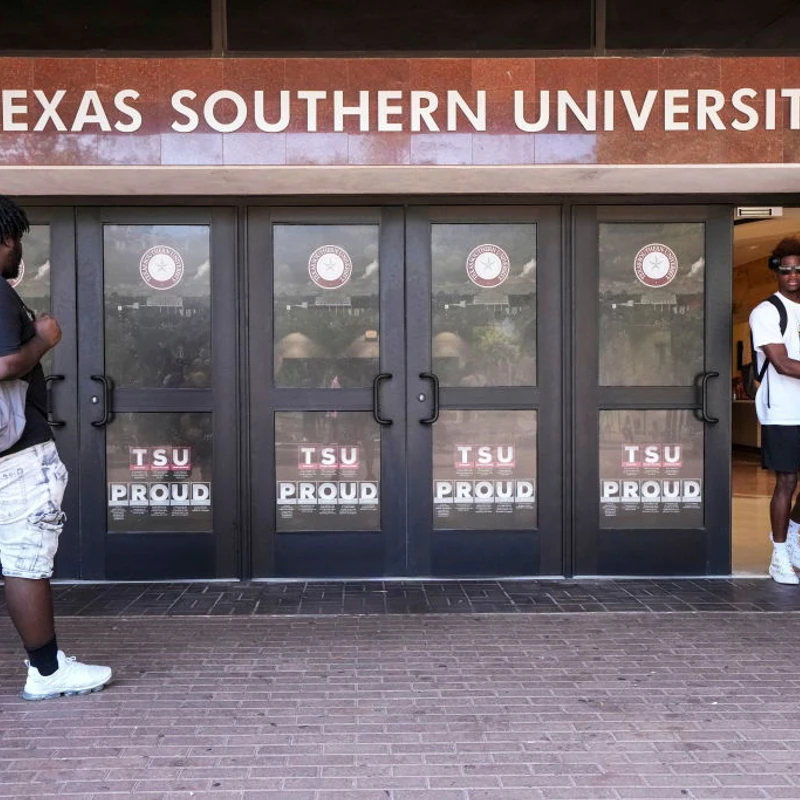
    Texas Southern University (TSU), a prominent Historically Black College and University (HBCU), is currently under intense scrutiny from Texas Governor Greg Abbott. Following a state audit that uncovered significant financial and operational issues, the governor has launched a formal investigation, warning university officials about alleged fraud and financial abuse.

    Audit Reveals ‘Deficiencies’ and Misappropriation Claims

    The Texas State Auditor’s report highlighted “deficiencies in oversight, contracting, processes, and reporting” within TSU’s financial procedures. Governor Abbott stated that while the exact amount of state funding TSU receives is undisclosed, the audit suggests “hundreds of millions of dollars” may have been misallocated. He has called upon the Texas Department of Public Safety and the Texas Comptroller’s Office to assist in the investigation.

    Abbott declared, “Waste, fraud, and abuse will not be tolerated. TSU’s Board of Regents and all university officials must fully cooperate with these investigations to ensure taxpayer dollars are not squandered.” Lieutenant Governor Dan Patrick echoed these concerns, sharing on X (formerly Twitter) about “shoddy work” by contractors and warning that state funding could be frozen if corrective actions aren’t taken.

    Specific Allegations and Past Issues

    The audit detailed concerning findings, including 743 invoices totaling $282.2 million paid directly to vendors with expired contracts. Additionally, $158 million in invoices were reportedly dated before the purchases were approved. While the audit also noted staffing issues contributed to delays in fiscal document reporting, the scale of the alleged financial mismanagement has raised alarms.

    Patrick also pointed to a history of financial and contract handling issues at TSU, a “revolving door” of presidents and board members, and graduation rates that have fallen short of expectations. He expressed concern that students’ educational funding might have been “fraudulently spent or thrown away by sloppy, unprofessional accounting processes.”

    Claims of Racial Motivation

    Amidst the investigation, some Texas officials and supporters of the university have voiced concerns that Governor Abbott’s actions may be racially motivated. They point to the state government’s broader trend of eliminating diversity, equity, and inclusion (DEI) initiatives, suggesting that this crackdown on TSU is an attempt to undermine the historically Black institution.

    State Representative Jolanda Jones specifically argued that Abbott is trying to “erase Black excellence” and demean the university’s diverse history. She questioned the governor’s focus on the university’s operations, given that he appoints members to TSU’s Board of Regents, who are responsible for its governance. TSU has faced financial scrutiny before, notably concerning law school admissions in 2020, but the current threats to freeze funding have sparked widespread concern.

    What are your thoughts on the investigation into Texas Southern University? Do you believe the concerns about financial mismanagement are valid, or is there a racial element at play? Share your perspective in the comments below!
  • Billionaires Boost HBCU Donations Past $1 Billion

    Historically Black Colleges and Universities (HBCUs) are experiencing a remarkable surge in financial support, with Black donors collectively contributing over $1 billion in the past five years. This influx of funding comes at a crucial time, as HBCUs navigate changes in government grant funding.

    Billionaire Backing Fuels the Movement

    Among the most significant contributors is billionaire MacKenzie Scott, who has made history with her substantial donations. In 2020 and 2022 alone, Scott announced over $560 million in unrestricted gifts to various HBCUs, including Tuskegee University, Xavier University of Louisiana, and Prairie View A&M University. She views these institutions as vital ‘agents of change’ that empower underserved communities.

    Following suit, NBA legend Michael Jordan pledged $100 million through the Jordan Brand to support racial equity initiatives, with a significant portion dedicated to multi-year funding for HBCU athletic and academic programs. Jordan emphasized his goal to ‘make a real investment in the next generation.’

    Shaping the Direction of Giving

    The influence of Black donors extends beyond just financial contributions; they are actively shaping the direction of this philanthropic movement. Investor Robert F. Smith and media mogul Oprah Winfrey have played pivotal roles. Smith gained national recognition in 2019 for famously erasing the student debt of the entire Morehouse College graduating class.

    Oprah Winfrey has a long-standing commitment to HBCUs, supporting them for decades. She continues to champion these institutions by expanding scholarship programs and funding leadership centers at Tennessee State University and Morehouse College. Jay-Z, through the Shawn Carter Foundation and Roc Nation, has also contributed scholarship funds and pledged support for financial assistance programs at institutions like Lincoln University and Central State University, underscoring his belief that ‘education creates pathways for families to build futures.’

    Gratitude and Institutional Growth

    HBCU presidents have expressed immense gratitude for this wave of support. The often unrestricted nature of these donations provides institutions with the flexibility to bolster their financial reserves, invest in crucial research, upgrade technology, and enhance financial aid opportunities for students.

    What do you think about the increased focus on supporting HBCUs? Share your thoughts in the comments below!

  • MacKenzie Scott Gives $19M to Voorhees University

    Talk about a game-changer! Voorhees University in Denmark, South Carolina, just received a monumental donation that’s making history. Philanthropist MacKenzie Scott has gifted the institution a staggering $19 million, marking the single largest donation in its impressive 128-year history.

    A Historic Investment in Education

    This incredible contribution, made in November 2025, is set to supercharge Voorhees’ mission. The funds are earmarked for crucial areas like growing the university’s endowment, boosting student recruitment and retention efforts, providing more scholarships, and maintaining the campus facilities. It’s a comprehensive investment in the university’s present and future.

    Voorhees University has been on an upward trajectory, especially since 2020. They’ve achieved university status, expanded their academic programs to include master’s and doctoral degrees, and are the only HBCU in the nation authorized to approve charter schools. This donation is a powerful validation of their hard work and vision.

    Words of Gratitude and Vision

    Dr. Ronnie Hopkins, the President and CEO of Voorhees University, expressed immense gratitude, calling Scott’s gift a “resounding affirmation of the extraordinary work being done.” He highlighted how the funds will strengthen their ability to be a leading faith-based, career-focused institution, enabling them to support students, expand their reach, and secure the university’s future.

    This extraordinary contribution validates the collective efforts of our students, faculty, alumni, community, and leadership. It also recognizes Voorhees University as a model of innovation and resilience among HBCUs. — David Miller, Chair of the Voorhees University Board of Trustees

    David Miller, Chair of the Board of Trustees and an alumnus himself, echoed this sentiment, emphasizing that the donation recognizes the university as a model of innovation and resilience among Historically Black Colleges and Universities (HBCUs). It’s a testament to the entire Voorhees community.

    A Pattern of Generosity

    This isn’t the first time MacKenzie Scott has shown support for Voorhees. She previously donated $4 million in 2020. Her philanthropic focus on racial equity in education and access to opportunity has led her to support numerous HBCUs, including significant gifts to Howard University, Morgan State University, and Spelman College.

    Scott’s donations are typically unrestricted, giving institutions the autonomy to allocate funds where they are most needed. Since 2019, she has generously donated over $19 billion to more than 2,000 organizations, making a profound impact on communities nationwide.

    What do you think about MacKenzie Scott’s historic donation to Voorhees University? Share your thoughts on the impact of such gifts on HBCUs in the comments below!

  • TSU Under Investigation for Financial Mismanagement

    Big news out of Texas: Texas Southern University (TSU), a prominent Historically Black College and University (HBCU), is now facing a full-scale investigation into its finances. Governor Greg Abbott and Lt. Governor Dan Patrick have ordered the probe after a state audit uncovered serious issues, raising concerns about potential waste, fraud, and abuse of taxpayer money.

    Audit Reveals Significant Financial Deficiencies

    The investigation was triggered by a report from State Auditor Lisa Collier, which detailed significant “deficiencies in oversight, contracting, processes, and reporting.” These issues reportedly affect hundreds of millions of dollars in state funds. Governor Abbott has directed the Texas Department of Public Safety to lead the investigation, with the Texas Comptroller’s Office also brought in to conduct a thorough financial analysis.

    Abbott stated unequivocally, “Waste, fraud, and abuse will not be tolerated.” He emphasized that TSU’s Board of Regents and all university officials must cooperate fully to ensure taxpayer funds are not misused. The audit highlighted potential misappropriation of hundreds of millions of dollars, painting a concerning picture of the university’s financial practices.

    Concerns Over Invoices, Contracts, and Reporting

    The audit’s findings are quite alarming. According to a letter shared by Lt. Governor Patrick, TSU has experienced delays in financial reporting due to staff vacancies in critical financial roles, weakening oversight of assets and contracts. A preliminary review found a staggering number of invoices linked to vendors with expired contracts, and many others were dated before the purchases were even requested or approved.

    • 743 invoices totaling $282.2 million linked to vendors with expired contracts.
    • 8,144 invoices totaling nearly $158 million dated before purchases were requested or approved.
    • Failure to conduct annual physical inventories.
    • An incomplete, outdated, and inconsistently maintained system for tracking assets.

    Furthermore, TSU submitted its financial statements to the state comptroller significantly late for both fiscal years 2023 and 2024. The university has also reportedly not been conducting annual physical inventories, and its system for tracking assets is described as incomplete and poorly maintained.

    A History of Financial Scrutiny

    This isn’t the first time TSU has faced financial scrutiny. Back in 2020, allegations of bribery and kickbacks within the law school admissions process led to the ousting of then-president Austin Lane. An internal investigation at that time revealed that unqualified students were admitted and awarded scholarships, with evidence of hidden cash transactions.

    Lt. Governor Patrick expressed his disappointment, noting a pattern of financial and contractual issues, a high turnover of leadership, and unmet graduation rate expectations. He suggested that the legislature may have been misled about promised improvements in accounting practices over the years.

    Concerns About Racial Bias in the Investigation

    The investigation has also sparked controversy among some state lawmakers. State Rep. Jolanda Jones, whose district includes TSU, questioned Governor Abbott’s involvement, pointing out that he appoints the university’s board of regents. Jones alleged that the probe could be racially motivated, especially given the current national climate around diversity, equity, and inclusion (DEI) initiatives.

    She argued that if malfeasance occurred, the responsibility lies with the appointed officials, not the university itself. “You are literally trying to erase Black excellence, you’re trying to erase us,” Jones stated, expressing concern that the investigation could be an attempt to undermine the achievements of a prominent Black institution.

    What are your thoughts on the investigation into Texas Southern University? Do you believe race plays a role? Share your perspective in the comments below!
  • Massive Brawl Mars HBCU Football Classic; 27 Players Suspended

    The highly anticipated HBCU football classic between Bethune-Cookman and Grambling State in Tampa Bay took a shocking turn when a massive brawl erupted, overshadowing the game itself. The incident, which occurred shortly after halftime at Raymond James Stadium, led to significant disciplinary actions from the Southwestern Athletic Conference (SWAC).

    Chaos Erupts on the Field

    The rivalry game, intended to showcase the talent of these two proud HBCU teams on a grand stage, devolved into chaos. Tensions flared between the Bethune-Cookman Wildcats and the Grambling State Tigers, sparking physical altercations that even involved coaching staff. Officials were forced to eject multiple players in an attempt to restore order and resume the game.

    The brawl was so intense that the SWAC launched an immediate investigation. The conference’s swift response, issued on November 10th, resulted in the suspension of a staggering 27 players. Eighteen players from Grambling State and nine from Bethune-Cookman received suspensions, with three players facing a double-game ban for their involvement.

    Fines and Zero-Tolerance Policy

    Beyond player suspensions, the SWAC also imposed fines on both universities. Grambling State was fined $40,000, while Bethune-Cookman faces a $25,000 penalty. SWAC Commissioner Dr. Charles McClelland expressed profound disappointment, stating that such behavior “has zero place in the Southwestern Athletic Conference and intercollegiate athletics.”

    McClelland emphasized the conference’s commitment to enforcing a “zero-tolerance policy for all acts deemed to be unsportsmanlike and contrary to the high standard of good sportsmanship we expect.” This firm stance underscores the seriousness with which the SWAC views the incident.

    Apologies and Lessons Learned

    Both head coaches issued apologies following the incident. Grambling State’s coach, Mickey Joseph, acknowledged his and his staff’s responsibility, stating, “We have to be better. I have to be better. My staff has to be better.” He later retracted some controversial post-game comments, emphasizing Grambling’s values of discipline, respect, and pride.

    Bethune-Cookman’s Coach Raymond Woodie noted that one of his assistant coaches was struck during the brawl, highlighting how the situation escalated beyond healthy competition. He stressed the importance of keeping competition between the whistles and stopping violence against fellow HBCU athletes. Both coaches expressed a commitment to learning from the ordeal and handling the situation internally to prevent future incidents.

    What are your thoughts on the massive fight during the HBCU classic? Do you think the suspensions and fines are appropriate? Share your views in the comments below!

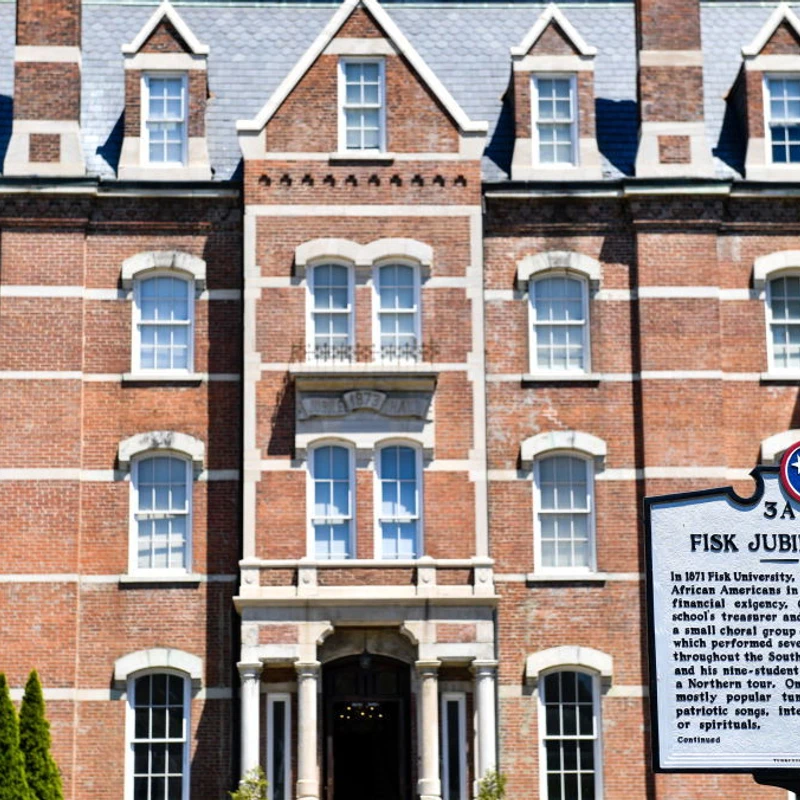
  • Fisk University Digitizes Rosenwald School Legacy

    Imagine a time when quality education for Black children in the Jim Crow South was a monumental challenge. Now, thanks to Fisk University, the incredible legacy of the Rosenwald Fund, which helped build thousands of schools, is more accessible than ever. Fisk has just launched a groundbreaking digital archive dedicated to this vital piece of American history.

    Unveiling the Julius Rosenwald Fund Archive

    Launched on November 5th, the Julius Rosenwald Fund Archive database is a treasure trove of over 146,000 digitized items. This extensive collection includes captivating photographs, personal letters, fellowship applications, and architectural plans for the Rosenwald Schools. These schools were instrumental in educating some of the most influential Black figures in history, including Maya Angelou, Marian Anderson, James Baldwin, W.E.B. Du Bois, Langston Hughes, Zora Neale Hurston, and John Lewis.

    The archive shines a light on the Fund’s profound and lasting impact on Black communities across the segregated South, a period marked by significant educational inequality. Fisk University hosted a virtual unveiling, offering an online tour that highlights the archive’s rich content and historical significance.

    A Personal Connection to History

    The inspiration behind this massive project came from a deeply personal place. Dr. Jessie Carney Smith, dean emerita of Fisk’s John Hope and Aurelia E. Franklin Library, felt compelled to create the database after discovering that she herself had attended a Rosenwald School in the 1930s. Her exploration of Fisk’s existing collection sparked a realization of the need to preserve and share this history.

    Dr. Smith recalled asking the special collections librarian about the schools featured in old photographs, realizing the depth of history waiting to be uncovered. This personal connection fueled the initiative to digitize and organize these invaluable materials.

    The Vision of Rosenwald and Washington

    The Rosenwald Fund was born from a powerful partnership between Julius Rosenwald, a Jewish businessman from Chicago, and Booker T. Washington, a leader in Black education. Moved by Washington’s autobiography, Rosenwald committed to investing in Black education. Together, they spearheaded the construction of approximately 5,000 schools and teacher homes across the Southeast, ensuring well-built facilities for quality education.

    While many Rosenwald schools closed following the landmark Brown v. Board of Education decision in 1954 and the subsequent push for desegregation, their legacy endures. Some schools transitioned into community centers, while others, like the Pasquo School in Davidson County, are now private residences and recognized as endangered historic sites. Other Rosenwald-supported buildings, such as the Wabash Avenue YMCA in Chicago, stand today as historic landmarks.

    It’s just a great experience to know the history. You don’t know that all these other schools around and all the other different communities, and they are going through the same thing in education. — Esther McShepard, Franklin Library staff and Rosenwald School attendee

    This digital archive is more than just a collection of documents; it’s a vital resource for understanding the resilience, innovation, and determination of Black communities in the face of adversity. It ensures that the contributions of the Rosenwald Fund and the students it served will not be forgotten.

    Have you or someone you know attended a Rosenwald School? Share your experiences or thoughts on this incredible digital archive in the comments below!