Tag: General Health

  • Understanding ATTR-CM: A Conversation

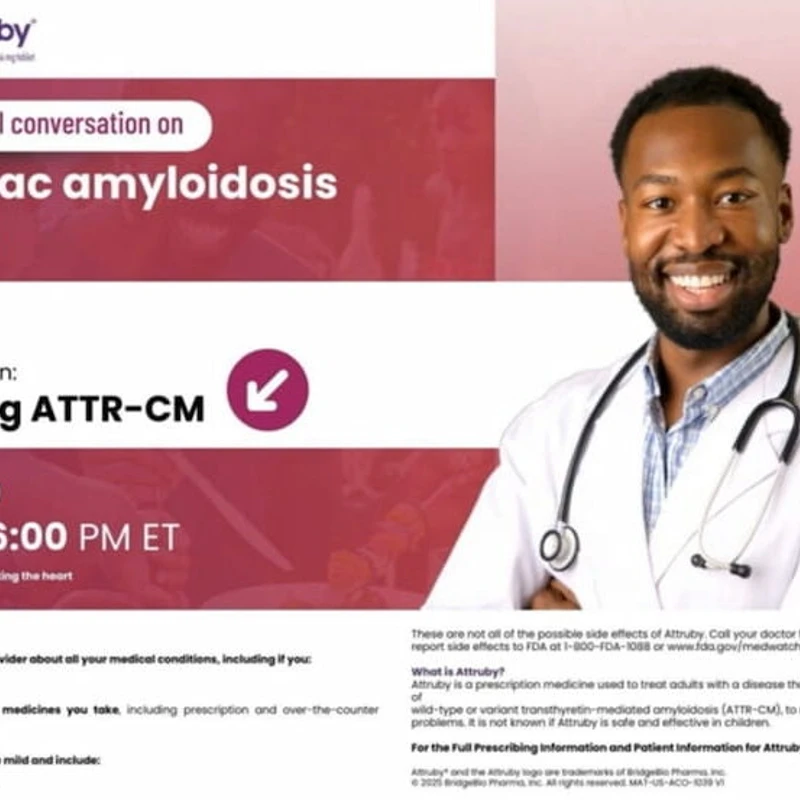
    ATTR-cardiac amyloidosis (ATTR-CM) is a serious heart condition that often goes unnoticed, particularly within Black communities. Recognizing this critical gap, BlackDoctor, in partnership with BridgeBio Pharma, hosted an insightful discussion titled ‘Understanding ATTR-CM: A Powerful Conversation.’ The event brought together leading cardiologists, medical experts, and a patient advocate to shed light on the science, personal experiences, and crucial importance of early detection and treatment for this condition.

    What is ATTR-CM and Why It Matters

    ATTR-CM develops when unstable transthyretin (TTR) proteins fragment and form amyloid deposits in the heart muscle. This can lead to debilitating symptoms such as fatigue, shortness of breath, irregular heart rhythms, and ultimately, heart failure. Despite its severity, ATTR-CM is frequently underdiagnosed because its symptoms can be mistaken for normal aging or other common health issues. This lack of awareness among both patients and healthcare providers often results in misdiagnoses and delayed treatment.

    The need for education, advocacy, and culturally sensitive care is especially pronounced for Black patients, who may face unique genetic risk factors and systemic healthcare disparities. Early detection and treatment are key to improving health-related quality of life for those affected.

    Advances in Treatment and Support

    The discussion highlighted that significant advancements in treatment are available. Therapies like Attruby® (acoramidis), a TTR protein stabilizer, have shown promise in reducing death and hospitalizations related to heart problems in adults with ATTR-CM. Beyond medication, patient support programs and copay assistance are vital for helping families manage the financial burdens of long-term treatment.

    Medical experts stressed the importance of early identification. Effective management is most successful when ATTR-CM is diagnosed before extensive heart damage occurs. This involves actively listening to patient symptoms, considering family medical history, and utilizing genetic testing when appropriate.

    Expert Panel Insights

    The session featured valuable perspectives from a diverse group of professionals:

    • Dr. Ashanti Carter (Chief Academic Liaison, BlackDoctor) served as the moderator.
    • Dr. Barbara Hutchinson, MD, PhD, FACC (Cardiologist, Chesapeake Cardiac Care), provided medical expertise.
    • Dr. Ola Akinboboye, MD, MPH, MBA (Medical Director, Laurelton Heart Specialists), shared clinical insights.
    • Velma Henderson, a caregiver advocate, offered a crucial lived experience perspective on navigating ATTR-CM within a family.

    Key Takeaways for Patients

    The conversation offered actionable advice for patients, particularly those in the Black community:

    • Know the Symptoms: Persistent fatigue, swelling, and shortness of breath should prompt a conversation with a doctor, as they may indicate ATTR-CM.
    • Ask About ATTR-CM: Patients experiencing heart-related symptoms should proactively discuss ATTR-CM with their healthcare providers.
    • Family Matters: Given the 50% chance of inheriting hereditary ATTR-CM, family testing is essential.
    • Treatment Options Exist: While not curable, medications can help manage symptoms, reduce hospitalizations, and improve quality of life.
    • Advocate for Yourself: Patients and caregivers are encouraged to seek answers, obtain second opinions, and find providers knowledgeable about ATTR-CM.

    The discussion also included important safety information about Attruby®, its uses, potential side effects, and the importance of consulting a healthcare provider. Information on clinical trials and other resources was also shared, emphasizing the ongoing efforts to advance research and improve patient outcomes.

    If you or a loved one are experiencing persistent heart-related symptoms, don’t dismiss them. Talk to your doctor about ATTR-CM and explore the available resources. What are your thoughts on the importance of raising awareness for conditions like ATTR-CM? Share your perspective in the comments below!


  • Clinical Trials: Your Guide to Patient Participation

    Ever wondered how new medical treatments come to life? It all starts with clinical trials! These studies are the crucial bridge between groundbreaking research and the treatments we rely on every day. If you’re curious about participating or just want to understand the process better, you’ve come to the right place. Let’s break down what patients need to know.

    What Exactly Is a Clinical Trial?

    Think of a clinical trial as a carefully planned study designed to test new drugs, medical devices, or innovative care strategies. The main goal is to see if these new approaches are safe and effective, often by comparing them to the current standard of care. If a new treatment proves to be better, it can eventually become a part of routine medical practice, helping countless others.

    As Dr. Michael Farkouh from Cedars-Sinai explains, clinical trials are the ‘final step in translating research innovations into clinical practice.’ They offer patients a unique opportunity to access cutting-edge therapies while contributing to a deeper understanding of diseases and improving future treatments.

    The Journey Through Clinical Trial Phases

    Clinical trials aren’t just a single event; they unfold in distinct phases, each with a specific purpose:

    • **Phase I:** This initial phase focuses heavily on safety. Researchers determine if a new treatment can be administered safely to people and identify potential side effects.
    • **Phase II:** Here, the focus shifts to effectiveness. Researchers look for signs that the treatment is working, often by analyzing changes in patient data before and after treatment.
    • **Phase III:** This phase tests whether the treatment actually improves patient outcomes. This could mean reducing heart attacks, lowering mortality rates, or enhancing quality of life. Success in Phase III is often required for FDA approval.
    • **Phase IV:** Conducted after a treatment receives FDA approval, these trials monitor long-term safety and effectiveness in larger, more diverse populations, helping to identify any rare side effects.

    Safety First: Are Clinical Trials Secure?

    Patient safety is paramount in clinical trials. Before anyone participates, they must provide informed consent, meaning they fully understand the study’s details and voluntarily agree to join. These studies adhere to strict ethical guidelines and are continuously monitored by Institutional Review Boards (IRBs) to safeguard participant well-being.

    Interestingly, participants in clinical trials often receive enhanced care. They are monitored more closely than patients in standard care, with frequent visits, tests, and follow-ups, which can lead to earlier detection of issues and better overall management.

    Who Can Join and What About Placebos?

    Each clinical trial has specific eligibility criteria to ensure the treatment is appropriate and safe for participants. These criteria might exclude individuals with certain health conditions if they’re at higher risk or unlikely to benefit. This careful selection helps ensure that the trial results are as reliable as possible for the studied group.

    You might also wonder about placebos. Some trials use an inactive substance (a placebo) that looks like the real treatment. Often, neither the patient nor the doctor knows who is receiving the actual treatment – a process called ‘blinding.’ This helps reduce bias and ensures that the results accurately reflect the treatment’s effectiveness, not just expectations.

    Are Clinical Trials Free for Patients?

    Good news! For most patients, the tests, treatments, and procedures that are part of the study are provided at no additional cost. This removes a significant financial barrier, making participation more accessible.

    Finding the Right Clinical Trial for You

    Many clinical trials, like those at Cedars-Sinai, focus on serious or life-threatening diseases, offering hope and access to innovative therapies. Beyond personal benefit, participants are true heroes, playing a vital role in advancing medical knowledge for future generations. Today’s standard treatments were yesterday’s clinical trials!

    If you’re interested in finding a clinical trial, Cedars-Sinai offers an online registry. Your physician is also a great resource, as they are often aware of available studies and can help determine if a trial is a good fit for your health needs. The best first step is always a conversation with your healthcare provider.

    Have you ever participated in a clinical trial, or are you considering it? Share your experiences and questions in the comments below!

  • Experts Concerned Over Health Screening Panel Changes

    Recent actions by the Trump administration have health experts sounding the alarm. The leaders of the U.S. Preventive Services Task Force (USPSTF), an independent body that guides which preventive healthcare services are covered at no cost by insurance, have been removed from their positions. While this might seem like a distant political move, experts warn it could significantly affect millions of Americans’ access to crucial screenings and care.

    What is the USPSTF and What Happened?

    The USPSTF is a group of medical professionals dedicated to disease prevention and evidence-based care. Their recommendations are pivotal, influencing what many insurance plans must cover for free under the Affordable Care Act (ACA). This includes essential services like mammograms, colon cancer screenings, STI and HIV testing, mental health screenings, and more. According to CNN reports, the chair and vice chair of the task force were removed by the Department of Health and Human Services (HHS). The administration cited a need ‘to avoid uncertainty that could jeopardize the validity of future Task Force actions.’ However, concerns are mounting as about half the task force seats remain unfilled, and the group reportedly hasn’t met since March 2025, raising fears of delayed updates to health recommendations.

    Why the Concern Over These Changes?

    Healthcare experts are worried that these leadership changes could introduce political influence into medical recommendations, which have traditionally been science-driven. The immediate fear isn’t that screenings will vanish overnight, but rather that disruptions could slow down or complicate the process of updating and issuing new recommendations. This could impact when people are advised to get screened and whether certain services continue to be fully covered by insurance.

    Potential Impact on Black Communities

    Preventive care is already a critical tool in addressing the health disparities that disproportionately affect Black Americans. Early detection through screenings can help identify conditions like breast cancer, colorectal cancer, high blood pressure, diabetes, HIV, and mental health issues before they become more severe. Black communities often face later diagnoses and worse outcomes for many preventable conditions. Therefore, access to free screenings and preventive services is crucial for reducing these barriers. Public health advocates are closely monitoring these developments due to their potential impact on health equity.

    What Should You Do Now?

    While there’s no immediate indication that current preventive care benefits will disappear, the situation warrants attention. Experts stress that your recommended screenings are still available under current insurance requirements. However, it’s important to stay informed and proactive. Don’t delay your recommended preventive care, as regular screenings remain essential for early detection. Talk to your doctor about which screenings are right for you based on your age, family history, and risk factors. Also, understand your rights under the Affordable Care Act and check with your insurance provider if you have any doubts about coverage. Staying informed through trusted health updates is key to advocating for your health and that of your family.

    How do you stay informed about your health screenings and insurance coverage? Share your tips and concerns in the comments below!

  • Marla Gibbs: 94 and Still Crushing It in the Gym!

    Get ready to be inspired! Hollywood icon Marla Gibbs, the beloved star from “The Jeffersons” and “227,” is making waves at 94 years young. She recently shared a photo of herself hitting the gym, proving that age truly is just a number when it comes to staying active and embracing life.

    A Message of Resilience and Purpose

    In her now-viral social media post, Gibbs shared a powerful message: “At my age it’s easy to just lay in bed. Then I remember… as long as I’m breathing, I still have a chance to enjoy life. It’s Never Too Late!!!” This quote perfectly echoes the title of her recently released memoir, “It’s Never Too Late,” where she bravely recounts overcoming significant hardships, including abuse and career setbacks, before finding stardom later in life.

    For fans across generations, seeing Gibbs exercise at 94 wasn’t just motivational; it was symbolic. It represented a powerful testament to resilience, purpose, and the enduring spirit of choosing to show up for oneself, both physically and emotionally, despite life’s challenges. The internet erupted with praise, with celebrities and fans alike celebrating her as an example of “aging with grace” and “Black excellence.”

    From Hardship to Hollywood Stardom

    Gibbs’ journey is a profound story of overcoming adversity. In her memoir, she details enduring years of emotional and physical abuse before achieving her breakthrough role as Florence Johnston on “The Jeffersons” at age 44. At the time, she was still working as a United Airlines reservations agent while simultaneously filming the iconic sitcom. This late-in-life success became a defining theme of her inspiring life.

    Her story also includes overcoming serious health scares, including a near-fatal brain aneurysm and stroke in 2006. Yet, even after such a terrifying ordeal, Gibbs continued her acting career, gracing shows like “Grey’s Anatomy,” “Chicago Med,” and “Young Sheldon.” Today, she stands as a rare example in Hollywood: a woman in her 90s actively choosing movement and engagement over limitation.

    Why Staying Active Matters More with Age

    Experts consistently emphasize the growing importance of regular movement as we age. Exercise plays a crucial role in maintaining mobility, muscle strength, balance, circulation, cognitive function, and overall independence. While some loss of muscle and flexibility is natural, a sedentary lifestyle can significantly accelerate these declines.

    1. **Keep Moving Every Day:** Consistency is key. Daily walks, stretching, dancing, or chair exercises help maintain mobility and circulation.
    2. **Focus on Strength Training:** Combat age-related muscle loss with light resistance exercises using bands, dumbbells, or bodyweight movements.
    3. **Prioritize Balance Exercises:** Improve coordination and stability with activities like tai chi, yoga, or simple balance drills to reduce fall risks.
    4. **Stretch Often:** Enhance flexibility, improve range of motion, relieve joint discomfort, and support better posture.
    5. **Don’t Ignore Brain Health:** Physical activity is linked to better cognitive function and may help reduce the risk of memory decline and dementia.
    6. **Stay Social While Staying Active:** Group classes or exercising with friends can boost mental well-being and make fitness more enjoyable.
    7. **Listen to Your Body:** Always work within your abilities and consult healthcare providers, especially after health events or with chronic conditions.

    Marla Gibbs: Redefining Aging

    Marla Gibbs is actively challenging the societal narrative that aging equates to decline. At 94, she’s not just surviving; she’s thriving and evolving. Her inspiring workout photo serves as a powerful reminder that purpose and resilience don’t have an expiration date. It truly is never too late to embrace life and strive for well-being.

    What inspires you most about Marla Gibbs’ journey? Share your thoughts on staying active at any age in the comments below!

  • Hantavirus: Understanding the Rare, Dangerous Disease

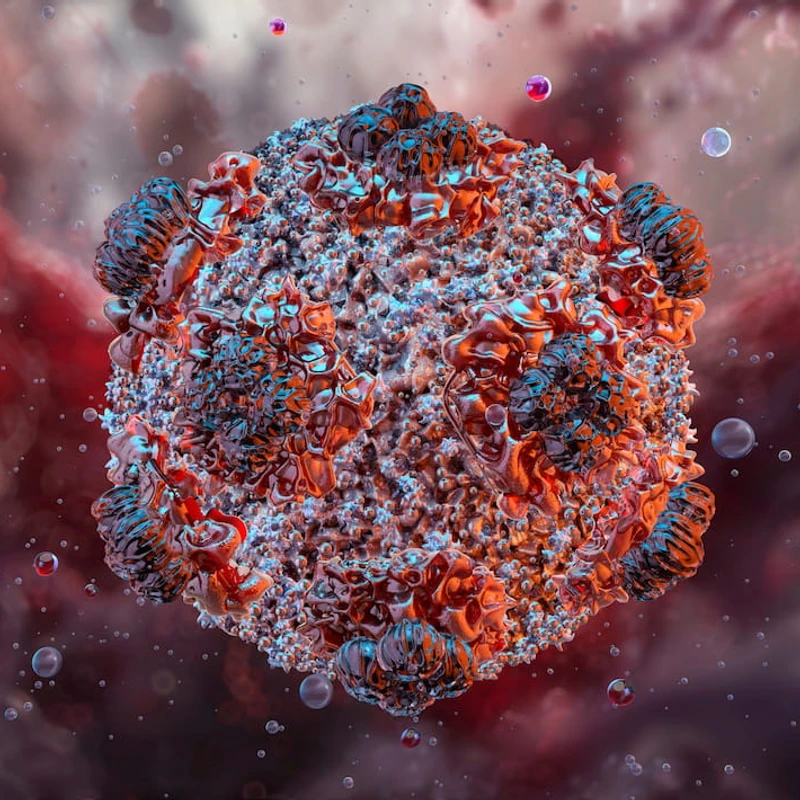
    You might be hearing a lot about Hantavirus lately, with questions swirling about whether it’s another pandemic threat or just an overblown flu. Let’s clear the air: Hantavirus is a rare but potentially deadly virus primarily spread by rodents, like mice and rats. While infections are uncommon, recent international outbreaks have health experts paying closer attention, especially regarding potential imported cases.

    How Does Hantavirus Spread?

    The main way Hantavirus is transmitted is through contact with infected rodent urine, droppings, or saliva. According to the CDC, people typically get infected when tiny virus particles become airborne and are inhaled. This often happens when cleaning out areas where rodents have made nests, such as garages, sheds, attics, or old storage spaces. Less common transmission routes include touching contaminated surfaces and then touching your mouth, nose, or eyes, or eating food contaminated by rodents. Rodent bites can also spread the virus, but this is rare.

    It’s important to note that most hantaviruses do not spread from person to person. However, a specific strain called the Andes virus, mainly found in South America, has shown rare instances of human-to-human transmission through prolonged close contact.

    Recognizing the Symptoms

    One of the biggest challenges with Hantavirus is that its early symptoms can easily be mistaken for common illnesses like the flu, COVID-19, pneumonia, or even a bad stomach bug. Symptoms typically appear one to eight weeks after exposure and often include:

    • Fever
    • Fatigue
    • Severe muscle aches (especially in the thighs, hips, back, and shoulders)
    • Headaches
    • Chills
    • Dizziness
    • Nausea and vomiting
    • Diarrhea or abdominal pain

    As the disease progresses, symptoms can rapidly become much more severe, including:

    • Shortness of breath
    • Persistent coughing
    • Tightness in the chest
    • Fluid buildup in the lungs
    • Rapid heartbeat
    • Difficulty breathing

    Why Hantavirus Is So Dangerous

    The severe form of Hantavirus infection, known as Hantavirus Pulmonary Syndrome (HPS), can escalate quickly. Patients can go from experiencing flu-like symptoms to severe respiratory failure within days. The CDC emphasizes that delayed treatment can be fatal. Currently, there is no specific antiviral cure for Hantavirus; treatment focuses on supportive hospital care, including oxygen therapy and intensive respiratory support.

    Recent Outbreaks and Protection

    Recent attention on Hantavirus surged following an outbreak on the cruise ship MV Hondius in May 2026, which involved the Andes virus strain and led to deaths and quarantines. While this sounds alarming, health officials stress that Hantavirus is far less contagious than viruses like COVID-19 and typically requires close or prolonged exposure for transmission.

    The best way to protect yourself is to minimize exposure to rodents and rodent-infested areas. Key prevention tips include:

    • Seal any holes or entry points in your home and garage.
    • Store food in rodent-proof containers.
    • Avoid sweeping or vacuuming rodent droppings, as this can aerosolize virus particles. Instead, use disinfectant sprays and wear gloves when cleaning infested spaces.
    • Air out enclosed areas before cleaning.

    If you develop flu-like symptoms after potential rodent exposure, seek medical attention immediately, especially if you begin experiencing breathing difficulties.

    Have you ever had an encounter with rodents that made you concerned about potential health risks? Share your experiences and prevention tips in the comments below!

  • 108-Year-Old Shares Longevity Secrets

    Imagine living through three centuries, witnessing incredible changes, and still having a zest for life! That’s the reality for Susan Young Browne, who recently celebrated her 108th birthday. Born on April 24, 1918, she’s not only lived an extraordinary life but has also shared some profound insights into what it takes to live so long and so well.

    A Life of Resilience and Purpose

    Browne’s journey began in rural Delaware during segregation. Growing up on a farm without electricity or running water, she attended a one-room segregated schoolhouse. Despite these hardships, her early ambition was clear: to get an education and become a teacher. This dream fueled her resilience and determination.

    She achieved her goal, earning a bachelor’s degree in Elementary Education from what was then the State College for Colored Students in 1945. For 30 years, Browne dedicated herself to teaching children across Delaware, navigating both segregated and integrated school systems with grace. She noted that students accepted her readily, making the transition smoother than expected.

    The Secret to Staying Young at Heart (and Body!)

    Even at 108, Browne refuses to slow down. She still drives herself around town, renews her license, and exercises regularly, attending workout classes several times a week. Her personal exercise routine, which she’s maintained for two decades, is a cornerstone of her philosophy.

    Her simple yet powerful secret to longevity? “The secret is to keep moving,” she says with a smile. Browne believes in growing old gracefully and maintaining an active lifestyle. Her sharp wit is legendary, and she even jokes about relationships, stating she’s “not taking care of another man.”

    Lessons from Supercentenarians

    Browne’s insights align with common themes found among supercentenarians (people who live past 100). Researchers highlight several key factors: consistent physical activity, strong social connections, a maintained sense of purpose, adaptability, and a positive attitude towards aging. Browne embodies all of these.

    • **Keep Moving:** Regular physical activity is crucial for mobility and health.
    • **Stay Socially Connected:** Maintaining ties with family, friends, and community combats isolation.
    • **Maintain Purpose:** Having goals and routines provides motivation and meaning.
    • **Adapt and Be Resilient:** Embracing change and focusing on gratitude helps navigate life’s challenges.
    • **Embrace Aging:** Viewing aging positively adds life to your years.

    Susan Young Browne’s life is a powerful reminder that longevity isn’t just about adding years, but about adding life to those years. Her story is one of resilience, purpose, and the enduring power of staying active and engaged.

    What inspires you most about Susan Young Browne’s incredible life story? What steps will you take to add more life to your years? Share your thoughts in the comments below!

  • Tatyana Ali Recounts Traumatic Birth

    Actress Tatyana Ali, widely known for her role as Ashley Banks on “The Fresh Prince of Bel-Air,” recently shared a deeply personal and harrowing account of her first son’s birth in 2017. Speaking on the “Pod Meets World” podcast, Ali described her experience as “obstetric violence,” a term she now uses to advocate for maternal health equity.

    A Birth Plan Ignored, A Mother Restrained

    Ali revealed that her pregnancy was healthy until she arrived at the hospital. Despite having a birth plan, she recounted being physically restrained during labor, with her arms and legs held down. “I was held down — my arms and legs,” she stated, emphasizing the term “obstetric violence” to describe the treatment she received.

    The situation escalated when doctors performed an emergency C-section after her son had already crowned. Ali described this maneuver as dangerous and traumatic. Following the delivery, her son spent several days in the NICU due to an inability to urinate on his own. A pediatric urologist was reportedly the only medical professional who acknowledged the unusual circumstances of the birth.

    Understanding Obstetric Violence and Disparities

    Obstetric violence, as described by advocates, encompasses disrespectful, coercive, neglectful, or abusive treatment during pregnancy, labor, and delivery. This can include procedures without consent, dismissal of pain, verbal abuse, or physical restraint. Ali believes race played a role in her treatment and experienced significant “gaslighting” after the birth.

    Her story is far from unique. Black women in the U.S. face disproportionately higher maternal health risks, being approximately three times more likely to die from pregnancy-related causes than white women. Factors contributing to this disparity include systemic inequities in healthcare quality and treatment.

    From Trauma to Advocacy

    Ali’s traumatic experience has fueled her passion for maternal health advocacy. Meeting other families who have faced similar situations, and in some cases, lost loved ones due to childbirth complications, has motivated her to use her platform. “The people I’m talking to, no one puts a mic in their face,” she explained, feeling a responsibility to amplify the voices of those often unheard.

    She is now dedicated to raising awareness about reproductive justice and maternal health, particularly for Black women whose concerns are frequently dismissed. Her journey highlights the critical need for improved care and respect within the healthcare system for all expectant mothers.

    Have you or someone you know experienced challenges during childbirth? Share your thoughts on maternal health disparities and Tatyana Ali’s advocacy in the comments below.

  • 9 Natural Ways to Beat Constipation

    Are you experiencing that uncomfortable feeling of bloating, irritability, or even heartburn? You might be dealing with constipation. While it can be a real discomfort, the good news is that you don’t always need to reach for laxatives. If you’re looking for gentler, natural ways to get things moving, here are nine effective remedies to try.

    Natural Remedies for Constipation

    • **Flaxseed, Fenugreek, or Barley:** These bulk-forming agents are excellent natural laxatives. Their soluble fiber content helps soften stools, making bowel movements more comfortable.
    • **Aloe Vera Juice:** Dilute aloe vera juice with water and drink it twice daily—once in the morning and again before bed. It can help support regular bowel movements, but be mindful of potential cramping or diarrhea.
    • **Grapes and Raisins:** Grapes contain natural laxatives like organic acid and cellulose that can help tone the stomach’s internal muscles. If fresh grapes aren’t available, try raisins soaked in water overnight.
    • **Pears and Pear Juice:** Incorporating pears or pear juice into your breakfast and dinner can significantly relieve constipation. For severe cases, a few days on a fruit-only diet might be beneficial.
    • **Figs, Prunes, and Papayas:** These fiber-rich fruits are well-known for their constipation-relieving properties. Enjoy them fresh or as juice (especially prune juice) for a natural boost.
    • **Warm Salt Water with Lime:** Mix a glass of hot water with half a teaspoon of salt and the juice of half a lime. Drinking this first thing in the morning on an empty stomach is believed to help regulate bowel movements.
    • **Spinach Juice:** Drinking raw spinach juice mixed with water twice a day can be effective in cleansing the digestive tract and easing constipation.
    • **Guavas:** Consuming one to two whole guavas daily, including the seeds, provides ample roughage to naturally soften stools and relieve constipation.
    • **Oranges:** These citrus fruits stimulate the bowels and encourage regularity. They also help prevent waste buildup in the colon, reducing the risk of constipation.

    Pro-Tips for Long-Term Relief

    Beyond diet, lifestyle habits play a crucial role in maintaining digestive health. Consider these simple tweaks to keep things moving smoothly:

    • **The “Squat” Position:** Elevate your knees above your hips using a small footstool while on the toilet. This natural position aligns the colon for easier bowel movements.
    • **Stay Active:** Regular physical activity, even a 15-minute brisk walk, stimulates internal organs and promotes peristalsis—the muscle contractions that move waste through your system.
    • **Establish a Routine:** Train your body by trying to use the restroom at the same time each morning. Consistency helps your brain and gut work together.
    • **Don’t Ignore the Urge:** Resisting the urge to have a bowel movement allows the colon to absorb more water, making stool harder to pass later. Listen to your body’s signals.

    The Bottom Line

    Constipation is more than just an annoyance; it’s a sign that your digestive system might be out of sync. While quick fixes exist, addressing the root cause is key. By integrating these natural remedies—from fiber-rich fruits and juices to simple lifestyle adjustments—you’re not just treating a symptom, you’re nurturing your gut health from the inside out. Stay hydrated, listen to your body, and give these natural approaches a chance to work their magic.

    Have you tried any of these natural remedies for constipation? What works best for you? Share your tips and experiences in the comments below!

  • Why Your Veins Pop Out: Harmless or Warning Sign?

    Ever notice your veins looking more prominent, bulging, or darker than usual? Whether you’re hitting the gym or just relaxing, this common occurrence can spark curiosity or even concern. So, what’s really happening when your veins decide to make a statement? The reasons range from completely normal bodily responses to potential warning signs that warrant a closer look.

    What Do Veins Do Anyway?

    Before diving into why they pop out, let’s remember their crucial job. Veins are the body’s highway system for blood returning to the heart after delivering oxygen. Unlike arteries, they don’t have the same muscular push, so they rely on one-way valves and muscle movements to keep blood flowing correctly. When pressure, flow, or the vein’s structure changes, visibility can increase.

    Common (and Usually Harmless) Reasons for Visible Veins

    • **Exercise and Increased Blood Flow:** During workouts, especially weightlifting, your muscles need more oxygen. This boosts blood flow and temporarily swells the veins, giving you that coveted ‘pumped’ look. It’s totally normal and usually fades as your body cools down.
    • **Low Body Fat:** The less subcutaneous fat you have, the more visible your veins become. This is why athletes and bodybuilders often have prominent veins, and why they might appear more noticeable as you lose weight.
    • **Heat and Temperature Changes:** Hot weather or hot showers cause veins to expand (dilate) and move closer to the skin’s surface. This is why veins often look more pronounced in the summer.
    • **Aging:** As we age, our skin naturally becomes thinner, and vein walls can weaken slightly. This makes veins easier to see, particularly on the hands and arms.
    • **Genetics:** Some individuals are simply predisposed to having thinner skin or more superficial veins. If your parents had visible veins, you might too.

    When Popped-Out Veins Signal a Problem

    While many causes are benign, persistent or painful changes in your veins could indicate underlying health issues. It’s important to be aware of these potential warning signs:

    • **Varicose Veins:** These are enlarged, twisted veins, commonly found in the legs. They often appear rope-like and can cause aching, heaviness, swelling, or itching due to weakened valves causing blood to pool.
    • **Spider Veins:** Smaller, web-like veins appearing close to the skin’s surface. While usually harmless, they can sometimes signal early circulation issues.
    • **Chronic Venous Insufficiency (CVI):** A more serious condition where veins struggle to return blood to the heart efficiently. Persistent leg swelling, skin discoloration, and fatigue are common signs.
    • **Deep Vein Thrombosis (DVT):** A potentially dangerous condition involving a blood clot in a deep vein. Symptoms like swelling in one leg, pain, tenderness, and warm, red skin require immediate medical attention as clots can travel to the lungs.
    • **Superficial Thrombophlebitis:** Inflammation of a vein just under the skin, often accompanied by a clot. The vein might feel hard or tender, with redness and warmth in the skin above it.
    • **High Blood Pressure & Circulation Issues:** Poor circulation, especially when combined with a sedentary lifestyle, obesity, or smoking, can make veins more prominent over time.

    What Do Healthy Veins Look Like?

    Healthy veins aren’t always invisible, but they typically appear soft and flat, not hard or rope-like. They might be slightly visible under the skin, especially in lighter or thinner complexions, and usually have a consistent blue or green tone. Crucially, they shouldn’t cause pain, swelling, or tenderness, nor should they bulge dramatically when you’re at rest.

    When to Consult a Doctor

    Pay attention if your veins suddenly become much more prominent without a clear reason, or if they are accompanied by pain, warmth, discoloration, or swelling in a limb. These could be signs of circulation problems that need professional evaluation.

    Keeping Your Veins Healthy

    Simple lifestyle habits can significantly support vein health and circulation:

    • Stay active to improve blood flow.
    • Elevate your legs when sitting for extended periods.
    • Maintain a healthy weight.
    • Stay hydrated.
    • Consider compression socks if recommended.
    • Avoid prolonged periods of sitting or standing without moving.

    The Takeaway on Visible Veins

    Visible veins aren’t always a cause for alarm; they can often indicate good circulation or fitness. However, when changes are accompanied by pain, swelling, or unusual appearance, your body might be sending a more serious message. Your veins are vital indicators of your overall health – learn to listen to what they’re telling you.

    Have you noticed changes in your veins? Have you ever consulted a doctor about them? Share your experiences in the comments below!

  • BlackDoctor Honors Healthcare Leaders at 11th Annual Gala

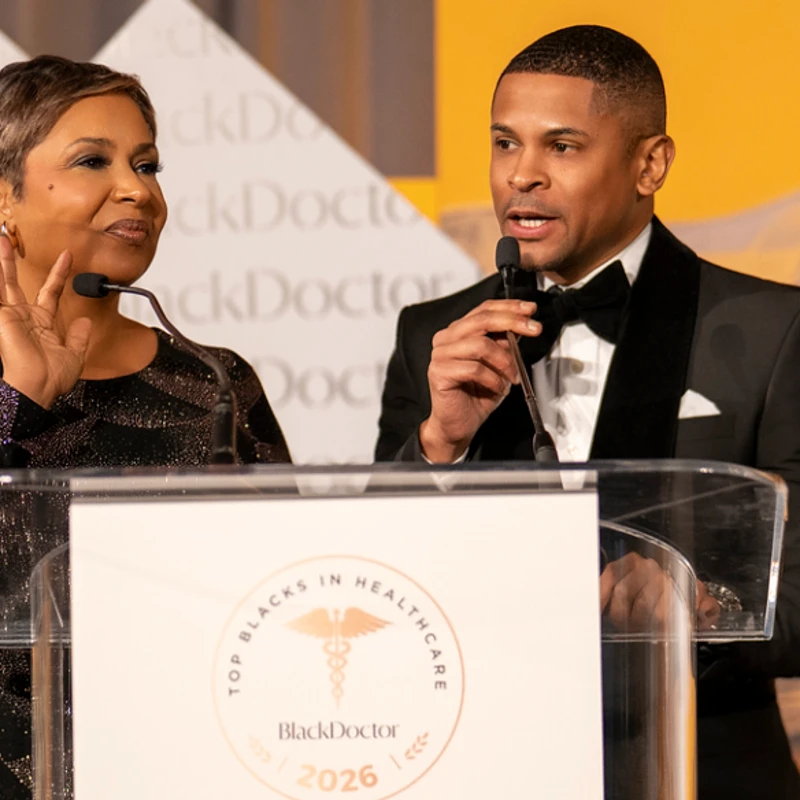
    BlackDoctor.org, a leading health and wellness resource for Black communities, recently hosted its 11th Annual Top Blacks in Healthcare (TBH) Awards Gala. The prestigious event, held at The Ritz-Carlton in Washington, D.C., brought together over 200 healthcare leaders, innovators, and advocates to celebrate those making significant contributions to the industry.

    Celebrating Excellence in Healthcare

    The 2026 gala honored 14 distinguished individuals whose work is advancing leadership, service, and innovation in healthcare. Hosted by Allison Seymour and Guy Lambert, the evening was a powerful testament to the dedication and impact of Black professionals who are shaping the future of health equity and care for generations to come.

    The event was made possible through the generous support of key partners and sponsors, including Novo Nordisk, Amgen, UCB, Novartis, Social Mission Alliance, Vertex, Limitless Impact Foundation, and Bayer. Their commitment underscores the importance of recognizing and supporting Black excellence in the healthcare sector.

    Honoring Trailblazers and Innovators

    Among the esteemed honorees were prominent figures such as Dr. Cheryle Baptiste-Hill (Immediate Past President, National Dental Association), Ricki Fairley (CEO, TOUCH, The Black Breast Cancer Alliance), and Dr. Robert Winn (Director, VCU Massey Comprehensive Cancer Center). Each honoree represents a commitment to improving health outcomes, increasing access to care, and fostering trust within the communities they serve.

    Throughout the evening, many honorees reflected on the significance of their recognition, emphasizing the ongoing work needed in representation, access, and accountability within healthcare. The shared commitment to mentorship and ensuring a more equitable healthcare system for future generations was a recurring theme.

    • Dr. Cheryle Baptiste-Hill — Immediate Past President, National Dental Association
    • Yvonne Bryant — Commercial Head of Hemoglobinopathies, Novo Nordisk
    • Jason Carter — Senior Marketing, AbbVie
    • Sakinah Conway-Geneus — Executive Director, Customer Experience & Collaboration, U.S. Pharma Medical Affairs, Bayer
    • Dr. Ogo Egbuna — Vice President and Clinical Development Leader, Vertex Pharmaceuticals
    • Dr. Keith Ferdinand — Professor of Medicine, Tulane University School of Medicine
    • Ricki Fairley — CEO, TOUCH, The Black Breast Cancer Alliance
    • Dr. Janet Franklin — Vice President, Global Development Biosimilars, Amgen
    • Rodney Gillespie — Senior Vice President, U.S. Oncology TA Head, Novartis
    • Dr. Roger A. Mitchell — President, National Medical Association
    • Dr. Randall C. Morgan — Executive Director, President & CEO, W. Montague Cobb/NMA Health Institute
    • Dr. Jayne Morgan — Vice President, Medical Affairs, Hello Heart
    • Dr. Robert Winn — Director, VCU Massey Comprehensive Cancer Center

    A Purposeful Celebration

    The atmosphere at the gala was both celebratory and deeply purposeful. The recognition served not as an endpoint, but as a powerful call to action, reinforcing the collective drive to push forward and make a tangible impact. BlackDoctor.org plans to carry this momentum into future content, collaborations, and initiatives aimed at improving health outcomes in Black communities.

    What are your thoughts on the importance of recognizing Black leaders in healthcare? Which of the honorees’ work inspires you the most? Share your insights in the comments below!