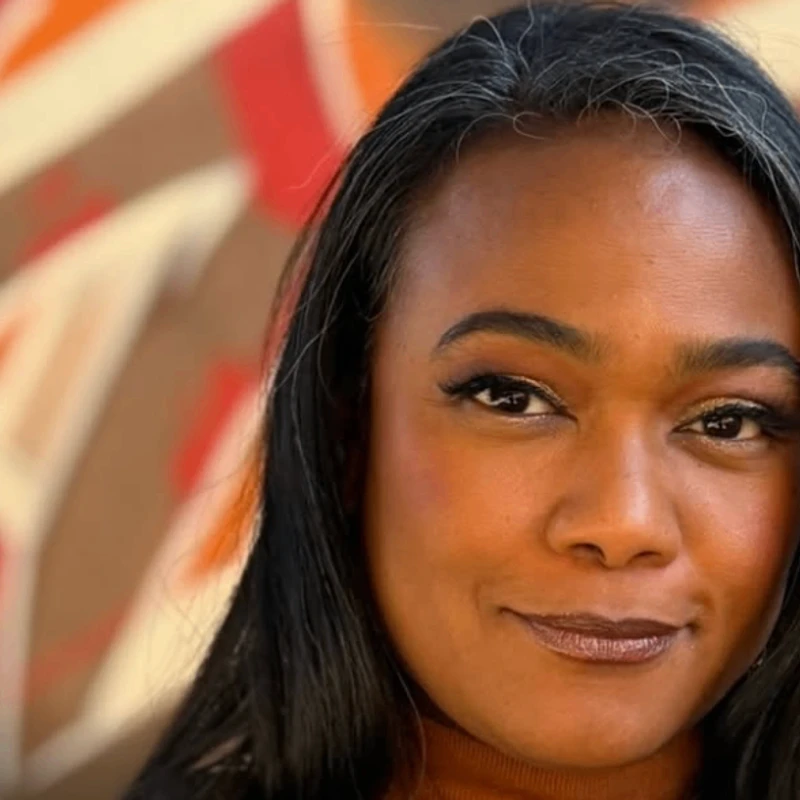
Actress Tatyana Ali, widely known for her role as Ashley Banks on “The Fresh Prince of Bel-Air,” recently shared a deeply personal and harrowing account of her first son’s birth in 2017. Speaking on the “Pod Meets World” podcast, Ali described her experience as “obstetric violence,” a term she now uses to advocate for maternal health equity.
A Birth Plan Ignored, A Mother Restrained
Ali revealed that her pregnancy was healthy until she arrived at the hospital. Despite having a birth plan, she recounted being physically restrained during labor, with her arms and legs held down. “I was held down — my arms and legs,” she stated, emphasizing the term “obstetric violence” to describe the treatment she received.
The situation escalated when doctors performed an emergency C-section after her son had already crowned. Ali described this maneuver as dangerous and traumatic. Following the delivery, her son spent several days in the NICU due to an inability to urinate on his own. A pediatric urologist was reportedly the only medical professional who acknowledged the unusual circumstances of the birth.
Understanding Obstetric Violence and Disparities
Obstetric violence, as described by advocates, encompasses disrespectful, coercive, neglectful, or abusive treatment during pregnancy, labor, and delivery. This can include procedures without consent, dismissal of pain, verbal abuse, or physical restraint. Ali believes race played a role in her treatment and experienced significant “gaslighting” after the birth.
Her story is far from unique. Black women in the U.S. face disproportionately higher maternal health risks, being approximately three times more likely to die from pregnancy-related causes than white women. Factors contributing to this disparity include systemic inequities in healthcare quality and treatment.
From Trauma to Advocacy
Ali’s traumatic experience has fueled her passion for maternal health advocacy. Meeting other families who have faced similar situations, and in some cases, lost loved ones due to childbirth complications, has motivated her to use her platform. “The people I’m talking to, no one puts a mic in their face,” she explained, feeling a responsibility to amplify the voices of those often unheard.
She is now dedicated to raising awareness about reproductive justice and maternal health, particularly for Black women whose concerns are frequently dismissed. Her journey highlights the critical need for improved care and respect within the healthcare system for all expectant mothers.
Have you or someone you know experienced challenges during childbirth? Share your thoughts on maternal health disparities and Tatyana Ali’s advocacy in the comments below.
Leave a Reply