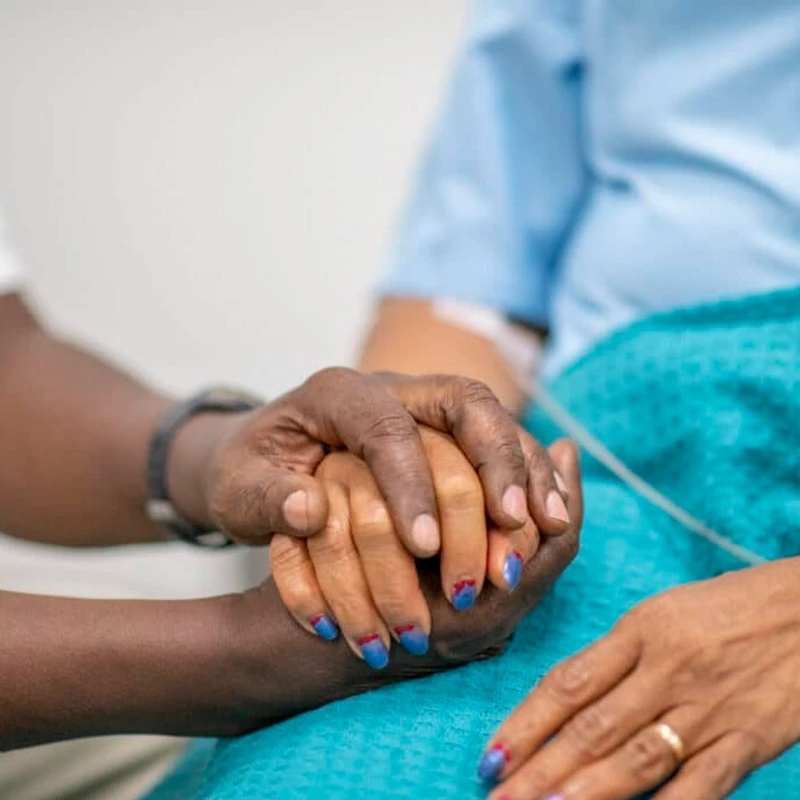
Ever wondered how new medical treatments come to life? It all starts with clinical trials! These studies are the crucial bridge between groundbreaking research and the treatments we rely on every day. If you’re curious about participating or just want to understand the process better, you’ve come to the right place. Let’s break down what patients need to know.
What Exactly Is a Clinical Trial?
Think of a clinical trial as a carefully planned study designed to test new drugs, medical devices, or innovative care strategies. The main goal is to see if these new approaches are safe and effective, often by comparing them to the current standard of care. If a new treatment proves to be better, it can eventually become a part of routine medical practice, helping countless others.
As Dr. Michael Farkouh from Cedars-Sinai explains, clinical trials are the ‘final step in translating research innovations into clinical practice.’ They offer patients a unique opportunity to access cutting-edge therapies while contributing to a deeper understanding of diseases and improving future treatments.
The Journey Through Clinical Trial Phases
Clinical trials aren’t just a single event; they unfold in distinct phases, each with a specific purpose:
- **Phase I:** This initial phase focuses heavily on safety. Researchers determine if a new treatment can be administered safely to people and identify potential side effects.
- **Phase II:** Here, the focus shifts to effectiveness. Researchers look for signs that the treatment is working, often by analyzing changes in patient data before and after treatment.
- **Phase III:** This phase tests whether the treatment actually improves patient outcomes. This could mean reducing heart attacks, lowering mortality rates, or enhancing quality of life. Success in Phase III is often required for FDA approval.
- **Phase IV:** Conducted after a treatment receives FDA approval, these trials monitor long-term safety and effectiveness in larger, more diverse populations, helping to identify any rare side effects.
Safety First: Are Clinical Trials Secure?
Patient safety is paramount in clinical trials. Before anyone participates, they must provide informed consent, meaning they fully understand the study’s details and voluntarily agree to join. These studies adhere to strict ethical guidelines and are continuously monitored by Institutional Review Boards (IRBs) to safeguard participant well-being.
Interestingly, participants in clinical trials often receive enhanced care. They are monitored more closely than patients in standard care, with frequent visits, tests, and follow-ups, which can lead to earlier detection of issues and better overall management.
Who Can Join and What About Placebos?
Each clinical trial has specific eligibility criteria to ensure the treatment is appropriate and safe for participants. These criteria might exclude individuals with certain health conditions if they’re at higher risk or unlikely to benefit. This careful selection helps ensure that the trial results are as reliable as possible for the studied group.
You might also wonder about placebos. Some trials use an inactive substance (a placebo) that looks like the real treatment. Often, neither the patient nor the doctor knows who is receiving the actual treatment – a process called ‘blinding.’ This helps reduce bias and ensures that the results accurately reflect the treatment’s effectiveness, not just expectations.
Are Clinical Trials Free for Patients?
Good news! For most patients, the tests, treatments, and procedures that are part of the study are provided at no additional cost. This removes a significant financial barrier, making participation more accessible.
Finding the Right Clinical Trial for You
Many clinical trials, like those at Cedars-Sinai, focus on serious or life-threatening diseases, offering hope and access to innovative therapies. Beyond personal benefit, participants are true heroes, playing a vital role in advancing medical knowledge for future generations. Today’s standard treatments were yesterday’s clinical trials!
If you’re interested in finding a clinical trial, Cedars-Sinai offers an online registry. Your physician is also a great resource, as they are often aware of available studies and can help determine if a trial is a good fit for your health needs. The best first step is always a conversation with your healthcare provider.
Have you ever participated in a clinical trial, or are you considering it? Share your experiences and questions in the comments below!
Leave a Reply