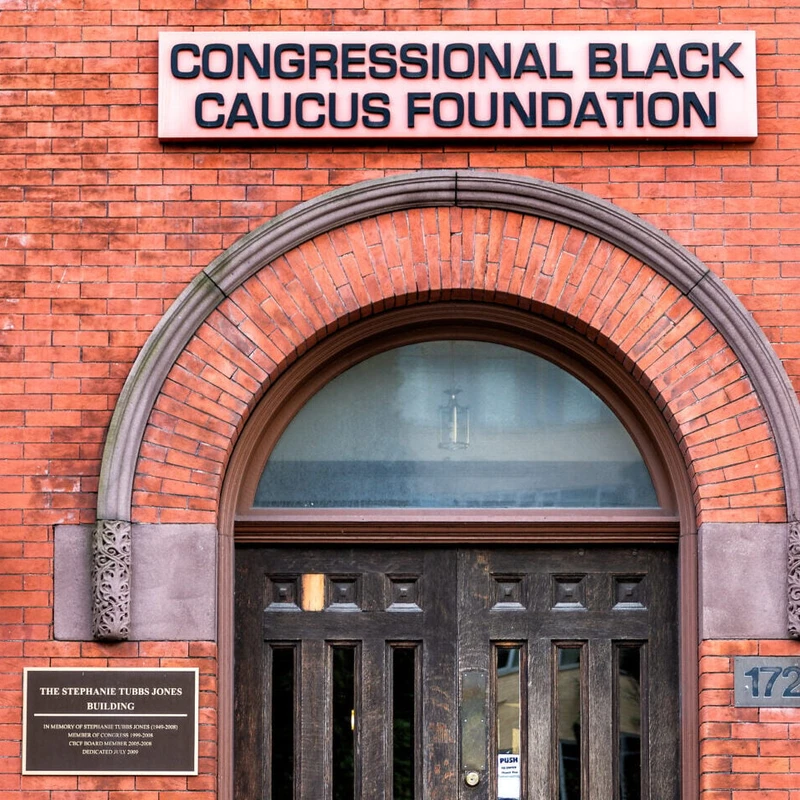
For years, the Congressional Black Caucus Foundation (CBCF) has been a beacon of support for Black communities, particularly through its college scholarships aimed at helping students from underfunded schools. However, the organization is now facing a lawsuit from an anti-affirmative action group, the American Alliance for Equal Rights (AAER), which accuses the CBCF of racial discrimination.
The Core of the Lawsuit
The lawsuit, filed on Thursday, specifically targets the CBCF’s scholarships, arguing that awarding educational opportunities based on race is illegal. Edward Blum, president of AAER, stated in a press release, “Racial discrimination is wrong no matter which group it favors or harms. A scholarship program that tells students they are ineligible because of their race, and the race of their representatives, violates one of our nation’s oldest civil rights laws.”
The AAER lawsuit takes particular issue with the “CBC Spouses Education Scholarship.” Since 1988, this program has awarded over $11 million to Black recipients, with more than 300 scholarships distributed annually. The foundation’s website describes these scholarships as supporting students who demonstrate leadership, community service, and academic talent.
A Pattern of Legal Challenges
The CBCF’s focus on supporting Black students is framed by the lawsuit as a violation of the Civil Rights Act of 1866. This legal challenge is part of a broader trend of lawsuits targeting organizations and programs designed to counteract historical discrimination against marginalized communities. This pattern has intensified since the Supreme Court’s decision to strike down affirmative action.
AAER, led by Edward Blum, has been at the forefront of these legal battles. In 2023, they sued the Fearless Fund, a venture capital firm supporting Black female entrepreneurs, alleging its Strivers Grant program was discriminatory. A federal appeals court later ruled in AAER’s favor, leading to the program’s suspension. Similar lawsuits have been filed against law firms and other organizations accused of racial discrimination.
Impact on Diversity Initiatives
Legal experts note that AAER’s strategy involves a “three-pronged attack on diversity, equity, and inclusion (DEI):” first targeting higher education, then corporate diversity, and now focusing on race-based funding and grantmaking. The effects are already visible, with corporations and universities altering their DEI language and a reported 25% drop in scholarships with race, ethnicity, or gender criteria in a major database between March 2023 and June 2025.
The lawsuit against the CBCF raises significant concerns about the potential impact on Black communities, especially Black youth, at a time when the racial wealth gap continues to widen. Attacks on organizations like the CBCF could undermine crucial support systems designed to address systemic inequalities.
What are your thoughts on the lawsuit against the CBCF scholarships? Do you believe these programs are discriminatory or essential for addressing historical inequities? Share your views in the comments below!