Tag: CDC

  • Bernie Sanders Calls for RFK Jr. to Resign

    A significant shakeup at the Centers for Disease Control and Prevention (CDC) has drawn sharp criticism from Senator Bernie Sanders, who is now calling for the resignation of Health and Human Services Secretary Robert F. Kennedy Jr. The turmoil began with the abrupt firing of CDC Director Susan Monarez, which led to the resignation of four senior officials who accused the administration of politicizing public health decisions.

    Sanders Condemns Kennedy’s Leadership

    Senator Sanders, a prominent voice on the Senate Health Committee, has voiced serious concerns about what he perceives as Kennedy’s anti-vaccine agenda. In a strong op-ed published in The New York Times, Sanders didn’t hold back, condemning Kennedy for allegedly spreading conspiracy theories and disregarding scientific consensus. He stated that Kennedy’s leadership poses a “direct threat to public health.”

    While President Trump and Kennedy have defended the recent changes as necessary steps to restore trust in the CDC, Sanders issued a stark warning. He fears that under Kennedy’s direction, Americans could face reduced access to essential vaccinations, potentially leading to the resurgence of diseases that were once under control. Sanders pointed to the administration’s decision to cut $500 million from mRNA vaccine research as evidence that the country is less prepared for future health crises.

    Secretary Kennedy is putting lives at risk. He must resign. — Senator Bernie Sanders

    In the wake of these resignations, Deputy HHS Secretary Jim O’Neill has been appointed as the acting CDC director. The situation highlights a growing tension between political leadership and established public health protocols, raising questions about the future direction of health policy in the United States.

    What are your thoughts on the recent CDC shakeup and Senator Sanders’ call for RFK Jr.’s resignation? Share your views in the comments below!


  • CDC Official Resigns Over Politics

    In a move sending shockwaves through the public health community, Dr. Demetre Daskalakis, a highly respected official and Director of the National Center for Immunization and Respiratory Diseases at the CDC, has resigned. His departure, effective August 28, 2025, comes with a resignation letter that sharply criticizes the current state of public health policy in America.

    A Departure from Science

    Dr. Daskalakis stated in his letter that he could no longer continue in a role where political agendas were prioritized over scientific evidence. He specifically accused the Department of Health and Human Services, under Secretary Robert F. Kennedy Jr., of overriding CDC experts, disregarding data, and even disseminating misinformation via social media rather than through established communication channels.

    His concerns extend to significant changes in childhood and adult immunization schedules, which he believes lack scientific backing. Daskalakis warned that these decisions are putting the lives of the nation’s youngest citizens and pregnant individuals at risk.

    Criticism of Transparency and Data Handling

    Beyond immunization schedules, Daskalakis voiced strong objections to what he described as “radical non-transparency” and “unskilled manipulation of data.” He highlighted that critical public health policies are being announced through social media platforms like X and via poorly produced videos, bypassing rigorous expert analysis and proper communication protocols.

    His resignation also addresses broader administration actions, including scaling back protections for LGBTQ communities, reducing HIV programming, and silencing internal scientific voices. As a dedicated advocate for LGBTQ health, Daskalakis labeled these rollbacks as both reckless and harmful.

    A Personal Stand and a Stark Warning

    Daskalakis drew a personal connection to his decision, influenced by his grandfather’s fight against fascism in Greece. He drew parallels between the current political climate and dangerous rhetoric that can foster violence, even referencing a recent shooting incident at CDC headquarters.

    Despite his sharp criticisms, Dr. Daskalakis concluded his letter by expressing gratitude to his CDC colleagues and appreciation for his years of service. However, his message served as a clear warning: if the current trajectory continues, America’s health security is in serious jeopardy.

    What are your thoughts on Dr. Daskalakis’ resignation and his criticisms of the CDC? Share your opinions in the comments below!

  • First US Human Case of Flesh-Eating Screwworm Confirmed

    A concerning health development has emerged in the United States with the confirmation of the first human case of the New World screwworm. This painful parasitic infection, typically affecting livestock, has now been identified in a Maryland resident who recently returned from El Salvador.

    Understanding the New World Screwworm

    The New World screwworm fly lays its eggs on warm-bodied animals, and its larvae burrow into flesh, essentially feeding from the inside out. While humans are rarely affected, infections can occur, especially if larvae enter open wounds or exposed areas. The Centers for Disease Control and Prevention (CDC) confirmed the infection on August 4th. Health officials have reassured the public that the risk to public health in the U.S. is considered very low.

    This marks the first identified travel-associated case of New World screwworm myiasis (infestation by fly larvae) in the United States originating from an outbreak-affected country. The parasite’s spread has been noted moving northward from South America in recent years, making this confirmation a point of vigilance for health authorities.

    Symptoms, Treatment, and Prevention Efforts

    The CDC describes the infestation as “very painful,” often with visible or palpable maggots near the infection site. Larvae can infest skin wounds, as well as the nose, eyes, or mouth. Prompt medical intervention, sometimes involving surgery, is required for larvae removal. While treatable and rarely fatal if addressed quickly, untreated cases can lead to serious health risks.

    In response to the growing threat, the U.S. Department of Agriculture (USDA) is implementing preventative measures. Secretary of Agriculture Brooke L. Rollins announced plans to release sterile male screwworms into affected areas. This method aims to significantly reduce the screwworm population, as females mate only once.

    A Reminder of Zoonotic Risks

    This case serves as a crucial reminder that parasites primarily impacting livestock can occasionally infect humans. Early detection, monitoring, and swift medical care are vital components in managing such infections and safeguarding public health. While this is the first confirmed human case linked to travel in the U.S., health officials are actively monitoring the situation.

    What are your thoughts on this health alert? Have you ever encountered unusual parasites during your travels? Share your experiences in the comments below!

  • Pediatricians Differ from CDC on COVID-19 Shots

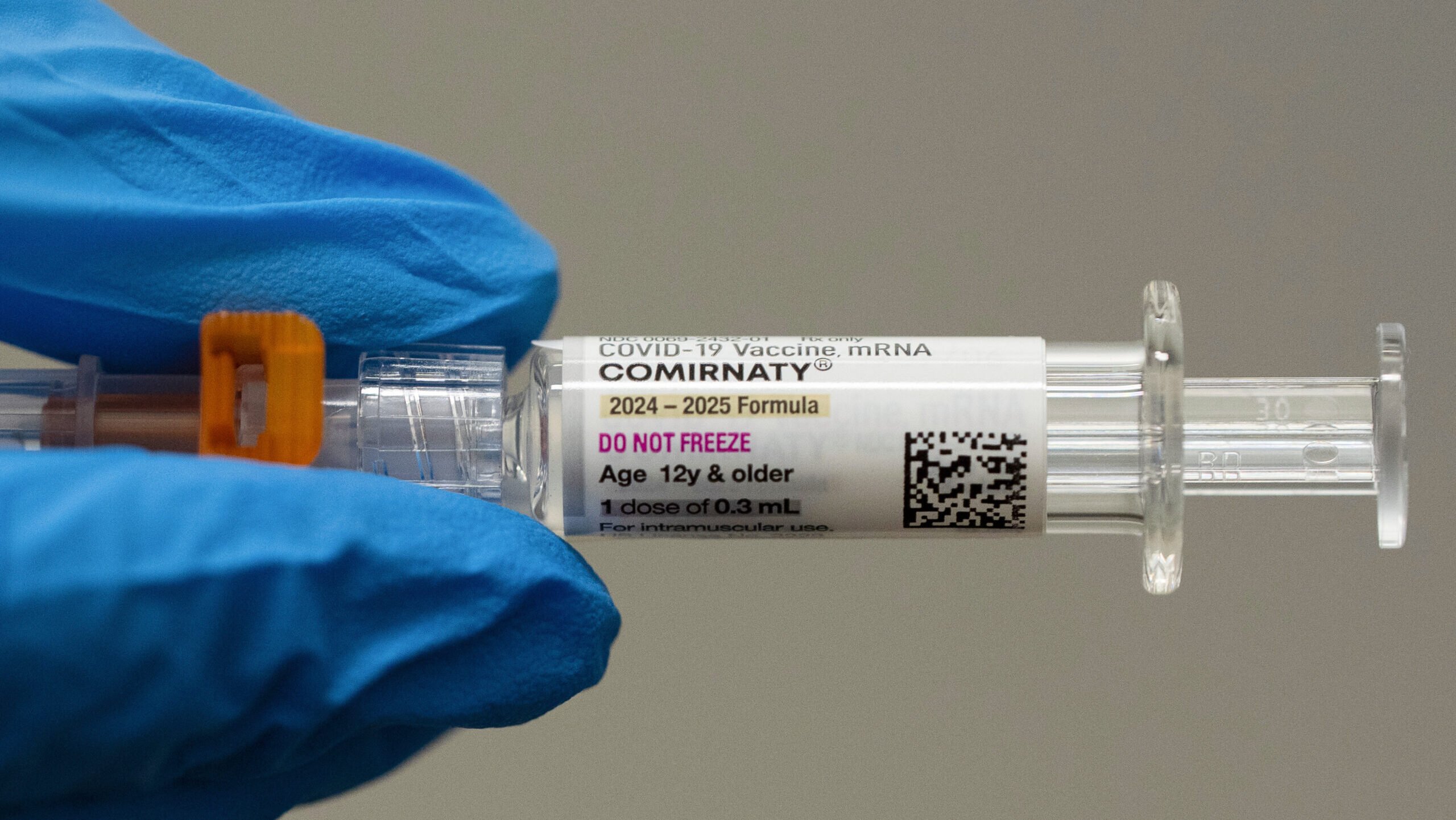
    In a notable shift, the American Academy of Pediatrics (AAP) has released new COVID-19 vaccination recommendations for children that diverge from the U.S. government’s current guidance. This marks the first significant difference between the AAP and the Centers for Disease Control and Prevention (CDC) in three decades, adding to a year of evolving public health advice.

    Diverging Recommendations

    The AAP is now strongly recommending COVID-19 shots for children aged 6 months to 2 years. For older children, the AAP advises vaccination if parents wish for their kids to be protected. This stance contrasts with the guidance issued under U.S. Health Secretary Robert F. Kennedy Jr., which does not recommend the shots for healthy children of any age but allows for physician consultation.

    Dr. James Campbell, vice chair of the AAP’s infectious disease committee, acknowledged the potential for confusion but stressed the importance of making the right choices for children’s protection. He highlighted that children aged 6 months to 2 years are particularly at high risk for severe illness from COVID-19, making vaccination crucial for this age group.

    Context of the Changes

    The AAP’s recommendations also include vaccinations for older children with chronic lung diseases or other conditions that increase their risk for severe COVID-19. While the AAP and CDC have had minor differences in recommendations over the years, such as HPV vaccinations, this is the first substantial divergence in 30 years.

    This shift comes after Health Secretary Robert F. Kennedy Jr. announced in May that COVID-19 vaccines are no longer recommended for healthy children and pregnant women, a change from previous CDC advice that urged annual boosters for most age groups. The CDC subsequently updated its language to suggest healthy children “may” get the shots, removing the term “should.”

    Advisory Panel and Flu Vaccines

    The differing recommendations also touch upon flu vaccines. While Kennedy’s newly appointed advisory panel, which includes vaccine skeptics and excluded major medical organizations like the AAP, voted to recommend only single-dose flu vaccines without thimerosal, the AAP maintains there’s no evidence of harm from the preservative and recommends using any licensed flu vaccine product.

    What are your thoughts on these differing vaccine recommendations? Share your perspective in the comments below!