Tag: Black History

  • Ona Judge Mural Honors Escape from Washington

    On the 230th anniversary of her daring escape, the story of Ona Judge Staines is being brought back into the spotlight. Judge, who was enslaved by President George Washington and his wife Martha, risked everything to flee the presidential household in 1796. Her act of defiance is now being permanently honored with a new mural, serving as a powerful reminder of her quest for freedom.

    A Visible and Undeniable Quest for Freedom

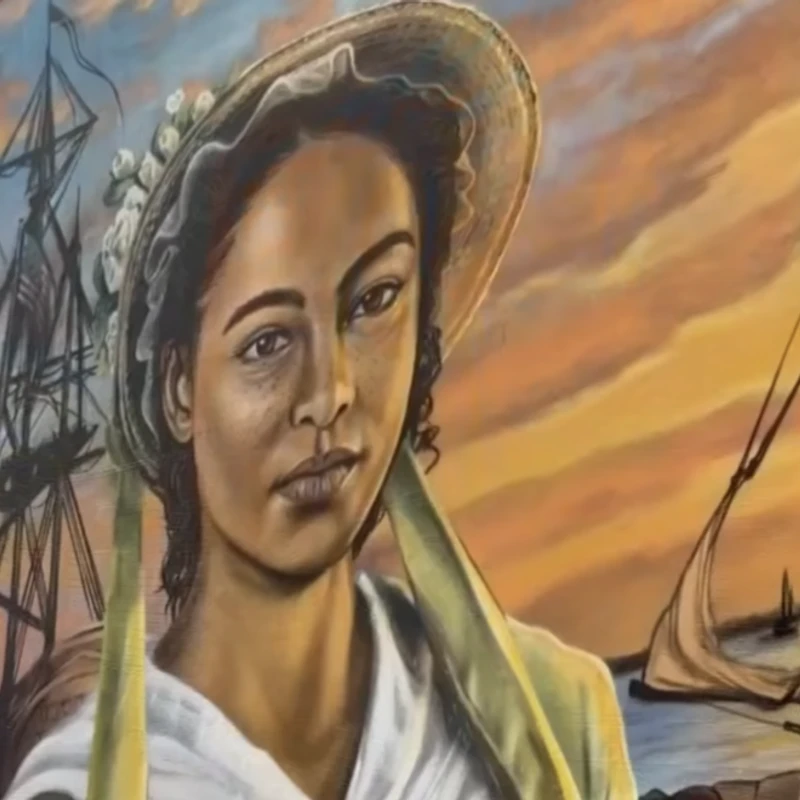
    The Black Heritage Trail of New Hampshire recently unveiled a mural depicting Ona Judge Staines, created by artist Manuel Ramirez. The artwork portrays her as a multiracial Black woman, a lighter-skinned figure with freckles, dressed in a green dress and white apron, standing at the port. This visual representation challenges the sanitized versions of history often presented, especially at a time when discussions about slavery and systemic oppression are being actively challenged in federal institutions.

    The unveiling comes amid efforts by the Trump administration to remove exhibits related to slavery and race from federal sites. Judge’s story, and the broader narrative of enslaved individuals who built America, is being actively preserved and amplified by organizations like the Black Heritage Trail, pushing back against historical erasure.

    Defying Power for Freedom

    Born around 1773, Ona Judge grew up at Mount Vernon before becoming Martha Washington’s personal attendant. Despite occupying a relatively privileged position within the household by the standards of the time, she escaped at just 22 years old while the Washingtons resided in Philadelphia. Historians recount that George Washington was incensed by her escape and made persistent efforts to have her returned, but Judge steadfastly refused.

    She eventually settled in Portsmouth, New Hampshire, married a free Black sailor named John Staines, and raised a family. Before her death in 1848, she recounted her escape to abolitionist newspapers, famously stating, “No, I am free, and have, I trust been made a child of God by the means,” when asked if she regretted leaving the Washingtons.

    No, I am free, and have, I trust been made a child of God by the means. — Ona Judge Staines

    Challenging Narratives, Restoring Truth

    Ona Judge Staines’ life directly challenges the carefully curated narratives often associated with figures like George Washington. Her story underscores the contradictions at the heart of the nation’s founding and the reality of slavery. The recent efforts to immortalize her, including “Ona Judge Day” declared in Philadelphia and the restored panels at the President’s House historic site, are part of a larger movement to ensure that the full, complex truth of American history is told. As one volunteer stated, “You can’t love America without knowing the good, the bad, and the ugly.”

    How do you think America can better remember and teach its complex history? Share your thoughts in the comments below!

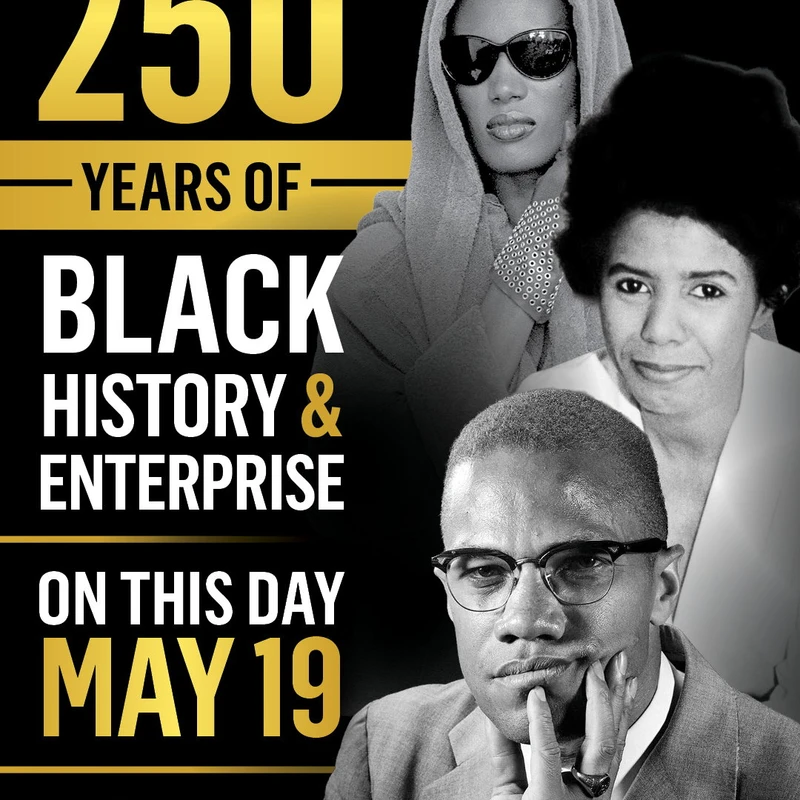
  • Celebrating Black History & Enterprise: Milestones

    Ever wonder about the incredible journey of Black entrepreneurs and leaders throughout history? Today, May 19th, marks a significant point, reminding us of the rich tapestry of Black history and enterprise that spans 250 years. It’s a day to reflect on the resilience, innovation, and enduring spirit that has shaped our communities and industries.

    A Legacy of Innovation and Leadership

    Black Enterprise has consistently highlighted the achievements of Black individuals and businesses. From groundbreaking entrepreneurs to influential leaders, their stories are vital to understanding our collective progress. This ongoing commitment ensures that these crucial narratives are not only preserved but celebrated.

    Think about the sheer determination it took for pioneers to build empires and break barriers. Their contributions extend far beyond business, influencing culture, politics, and social change. Each milestone achieved is a testament to their vision and perseverance.

    Spotlight on Key Figures and Events

    While specific anniversaries are noted, the spirit of Black enterprise is a continuous thread. We’ve seen legendary figures like Harry Belafonte, a true icon, pass away at 96, leaving an indelible mark not just in entertainment but as an activist. His life reminds us that impact can be multifaceted.

    The political landscape also sees significant moments, like President Joe Biden’s announcement for his 2024 reelection bid. These events, while political, often intersect with economic policies that affect Black communities and businesses.

    Health, Wellness, and Community

    Beyond the boardroom, Black Enterprise also champions health and wellness. Recent studies, like the one recommending Black women be screened for breast cancer at age 40, are crucial for community well-being. Initiatives like Honey Pot’s new sexual wellness collection also speak to a growing focus on holistic health.

    These efforts underscore the understanding that a thriving community requires attention to all aspects of life, from economic stability to personal health. It’s about empowering individuals to live their best lives.

    Looking Ahead: Events and Future Growth

    The calendar is always buzzing with events designed to foster growth and connection. From the XCEL Summit for Men to the Women of Power events and BE Smart Hackathons, there are numerous opportunities for networking, learning, and innovation. These gatherings are essential for building the next generation of leaders.

    • XCEL Summit For Men
    • Women Of Power events
    • BE Smart Hackathons
    • Elevate Everywhere
    • Energizing Equity Day

    Furthermore, series like ‘Wealth Building Dads Townhall’ and discussions on ‘The Future of Black Business’ highlight the ongoing dialogue around economic empowerment. These platforms provide invaluable insights and strategies for navigating the modern business world.

    What moments in Black history and enterprise inspire you the most? Share your thoughts in the comments below!

  • Victor Glover: First Black Astronaut to the Moon?

    Get ready for a giant leap for humanity – and a monumental moment for representation! NASA is gearing up for its first crewed mission to the Moon in over half a century, and Victor Glover is slated to make history as the pilot of the Artemis II mission. This isn’t just another space voyage; it’s poised to be the first time a Black astronaut journeys to lunar orbit.

    A Trailblazer in Space

    Victor Glover, a native of Southern California, already has a place in the history books. In 2020, he shattered barriers by becoming the first Black astronaut to complete a long-duration mission aboard the International Space Station (ISS). His upcoming role on Artemis II continues this incredible trajectory, pushing the boundaries of what’s possible in space exploration.

    While Glover has often emphasized the importance of teamwork and the collective effort behind space missions, he also acknowledges the significance of these personal milestones. He’s quick to credit the Black pioneers who paved the way for him, like Livingston Holder, an Air Force engineer and former payload specialist, recognizing the legacy that makes such journeys possible.

    Artemis II: A New Era of Lunar Exploration

    The Artemis II mission is a crucial step in NASA’s ambitious Artemis program, which aims to return humans to the Moon for the first time since the Apollo 17 mission in 1972. Although this mission won’t land on the lunar surface, it will orbit the Moon, paving the way for future landings and a sustained human presence.

    This mission is packed with historic firsts. Alongside Victor Glover, Christina Koch is set to become the first woman to travel to the Moon, and Jeremy Hansen will be the first non-American astronaut to embark on such a journey. It’s a testament to the evolving face of space exploration.

    Glover’s Journey to the Stars

    Glover’s path to NASA is as impressive as his missions. After a distinguished career in the U.S. Navy, where he logged over 3,500 flight hours and flew numerous combat missions in more than 40 aircraft, he was selected as a NASA astronaut in 2013. His selection came from a pool of thousands of applicants, highlighting his exceptional skills and dedication.

    Beyond the technical achievements, Glover’s presence in space carries profound cultural significance. In an era where representation matters more than ever, his journey offers powerful inspiration to aspiring astronauts, particularly young Black individuals who can now see themselves reflected in the future of space exploration.

    What does Victor Glover’s potential journey to the Moon mean to you? Share your thoughts on this historic moment in the comments below!

  • Miss Hamilton’s Fight for Respect Changed Courtrooms

    Imagine being called to testify in court, only to be deliberately denied the basic courtesy of a title that was routinely given to others. This was the reality for many Black Americans during the Civil Rights era, and it was a fight for simple respect that propelled activist Mary Hamilton all the way to the U.S. Supreme Court.

    A Stand for Dignity in Gadsden

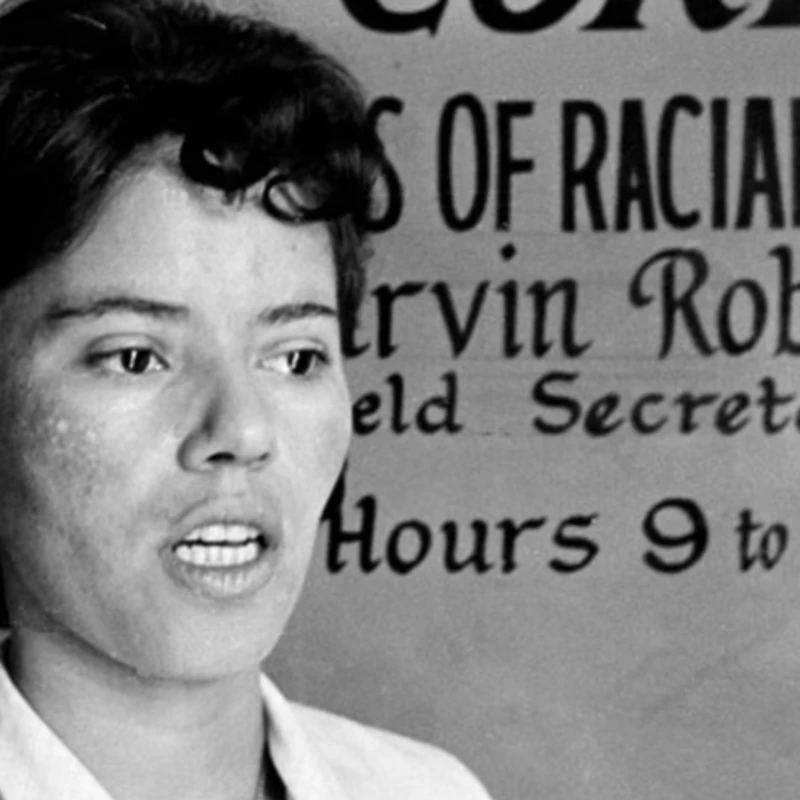
    In June 1963, Mary Hamilton, a dedicated civil rights activist and Freedom Rider, was called to testify in Gadsden, Alabama. Her testimony was crucial for a hearing challenging the legitimacy of mass arrests during civil rights protests. However, when the Etowah County Solicitor, William Rayburn, addressed every white witness as “Miss” or “Mr.” but referred to Hamilton only by her first name, “Mary,” she refused to answer.

    Hamilton, who was a field secretary for the Congress of Racial Equality (CORE) and a pioneer in organizing in the South, understood the deliberate nature of this slight. In the Jim Crow South, denying Black individuals honorifics like Mr., Mrs., or Miss was a systematic way to assert racial hierarchy and dehumanize Black communities. Hamilton firmly stated, “My name is Miss Hamilton. Please address me correctly… I will not answer a question… until I am addressed correctly.”

    From Contempt to the Supreme Court

    Despite her lawyer’s attempts to correct the solicitor, Rayburn continued to address her by her first name, and Hamilton held her ground, refusing to respond. Judge A.B. Cunningham found her in contempt of court, imposing a $50 fine and a five-day jail sentence. Hamilton refused to pay the fine and was released on bond to pursue an appeal.

    Her case was eventually appealed to the U.S. Supreme Court with the support of the NAACP Legal Defense and Educational Fund (LDF). LDF lawyers argued that Hamilton’s reaction was not mere “thin-skinned sensitivity” but a response to a “distinct indicia of the racial caste system” – the refusal of whites to grant titles of respect to Black individuals.

    A Landmark Ruling for Dignity

    In March 1964, the Supreme Court overturned Hamilton’s contempt citation. The ruling was clear and powerful: every individual appearing in a United States courtroom deserved to be addressed with dignity, irrespective of their race. This victory, though perhaps not widely remembered today, made national headlines and significantly impacted courtroom protocols.

    Mary Hamilton’s legacy extends beyond this pivotal court case. After her impactful work with CORE, she returned to her passion for education, earning a Master of Arts in Teaching and dedicating her life to shaping young minds until her retirement. Her fight for respect serves as a vital reminder that the struggle for dignity and against demeaning stereotypes continues.

    • Mary Hamilton refused to answer court questions when denied the title ‘Miss’.
    • Her refusal stemmed from the systemic denial of respect to Black individuals.
    • She was initially found in contempt of court and fined.
    • The U.S. Supreme Court overturned her conviction in 1964.
    • The ruling affirmed the right to be addressed with dignity in courtrooms.

    How does Mary Hamilton’s story resonate with you today? Share your thoughts on the importance of respect and dignity in public spaces in the comments below!

  • BTS’s ‘Arirang’ Video Sparks Backlash Over Howard University Depiction

    K-Pop sensation BTS has ignited a social media firestorm with a promotional video for their new album, ‘Arirang.’ While intended to honor a unique piece of history involving Korean students at Howard University, the video’s depiction of the Historically Black University (HBCU) has drawn sharp criticism for its historical inaccuracies and perceived whitewashing.

    Howard University: A Historical Context

    The video references a fascinating historical event from May 8, 1896, documented in The Washington Post, about seven young Korean students who enrolled at Howard University. Stranded and without funds in Vancouver, they sought assistance from the Korean Minister in Washington D.C., who helped them travel to the capital. Howard University, founded in 1867, was established as a crucial educational sanctuary for Black Americans during a time of intense segregation.

    However, the historical context reveals that by 1896, Howard University, while primarily serving Black students, also became a refuge for other marginalized groups facing discrimination. The university’s commitment to diverse backgrounds has always been a cornerstone of its identity. The Korean students were reportedly welcomed and even provided free rooms.

    The Controversy: A Whitewashed Depiction

    The controversy arose when fans noticed that the crowd depicted in the promo video, set on what appears to be Howard’s campus, was predominantly white. This detail felt particularly jarring given that Howard is an HBCU, and in 1896, during segregation, its student body would have been overwhelmingly Black. Fans took to social media to point out this historical inaccuracy.

    BTS’s agency, Big Hit Music, included a disclaimer acknowledging the video as a “modern reimagining” that might “deviate from actual historical events.” Despite this, the visual representation of a predominantly white crowd at an HBCU during that era felt like a significant oversight, particularly to those familiar with the university’s history and mission.

    A Deeper Look at Cultural Inspiration

    The incident also brings to light a broader discussion within the K-Pop community regarding cultural appropriation. Throughout the years, some Korean artists have been inspired by elements of Black culture, leading to debates about whether this constitutes genuine appreciation or appropriation. Fans like Devin L., a Howard University alum and K-pop fan, expressed that K-pop often seems to offer “arm’s-length appreciation” rather than a full embrace of Black culture, despite its clear influences.

    The Korean students at Howard were noted for their singing abilities. Anthropologist Alice C. Fletcher even invited some to her home, where they reportedly made the first known audio recordings of Korean voices and music in the U.S., including the iconic Korean folk song “Arirang.” Howard University, known globally as “The Mecca,” has a legacy of welcoming diverse students and fostering cultural exchange, making the inaccurate depiction in the video particularly poignant.

    What are your thoughts on the BTS ‘Arirang’ video controversy? How important is accurate representation when artists draw inspiration from different cultures and historical settings? Share your views in the comments below!

  • Educators Teach 33 Hours of Black History

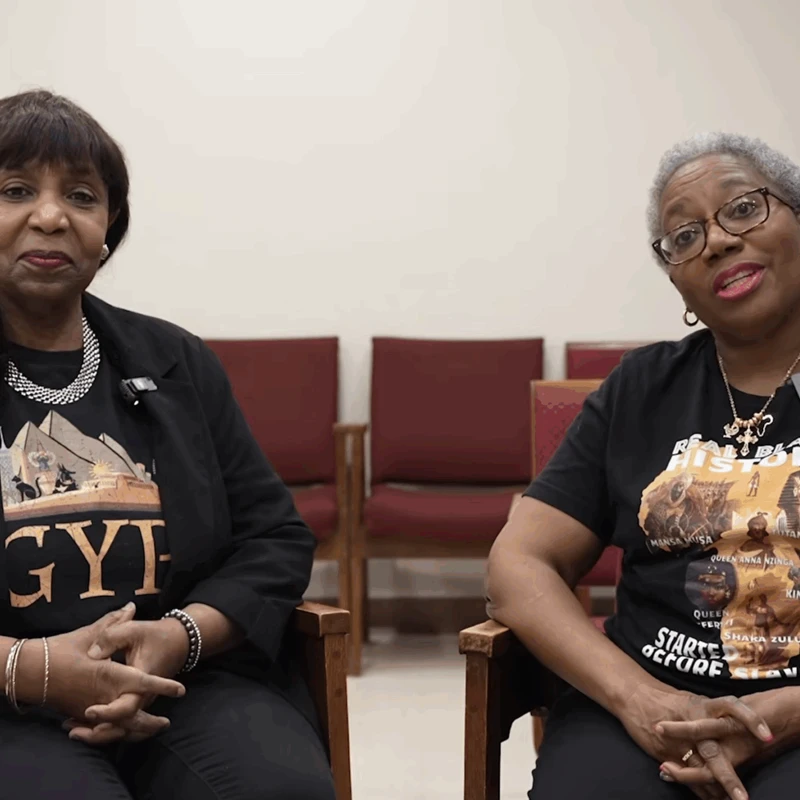
    Educators Anita Lewis and Gwendolyn Ebron have undertaken an extraordinary challenge, completing a 33-hour teaching marathon focused on Black history. Their goal was not only to surpass the existing Guinness World Record for the longest history lesson but, more importantly, to reclaim and educate about a history often marginalized or erased.

    More Than a Record: Reclaiming History

    Ebron stated in a press release, “This is more than a record attempt — it is a reclamation. We are teaching the history that shaped the world, honoring the brilliance, resilience, and global impact of African people across millennia.” Lewis added context to their mission, noting the current climate regarding the teaching of African and African-American history. “In light of the things that have been going on at the state, local, and national levels regarding the marginalization and all but erasure of African and African American history, it dawned on me that my protest has always been through education,” Lewis explained. “While they’re looking to remove our history from the walls, from the museums, from the websites, and things like that, they can’t remove it from our minds.”

    The lesson was meticulously planned and executed, spanning 5,000 years of African and African-American history. Lewis, an educator from Texas and a recent doctorate recipient, connected with Ebron, a Philadelphia teacher with deep roots in community-based Black history education. Together, they committed to breaking the previous record of 26 hours and 34 minutes, set in 2018.

    Intentional Design for Engagement and Understanding

    The duo intentionally structured the learning environment to foster engagement. “Every lesson that we teach, we’ll have an engagement activity designed for students to get into the lesson and to apply it because you hear and you forget. You see, and you remember, but you do, and you understand,” Lewis, who teaches at the University of Houston Clear Lake and is a retired K-12 educator, told ABC Philadelphia.

    To meet Guinness World Records’ criteria, they meticulously planned every detail, including certified timekeeping, securing multiple witnesses, ensuring seamless topic transitions, and adhering to strict break rules. While the women are clear that the certificate is secondary to their educational mission, they are awaiting Guinness’s review of their submission.

    Focus on Education, Empowerment, and Elevation

    Their ultimate goal is to “educate, empower, and elevate.” Lewis shared their approach to reinforcing learning: “As part of our lessons, at the end of each lesson we do an affirmation. I want them to see the brilliance that’s in their DNA so that they can understand that ‘yes, this might be hard, but it’s in my DNA to try a little bit harder. I can do this.’” This focus on instilling confidence and pride is central to their educational philosophy.

    What are your thoughts on Anita Lewis and Gwendolyn Ebron’s 33-hour Black history lesson? How important is it to actively teach and reclaim history? Share your perspectives in the comments below!

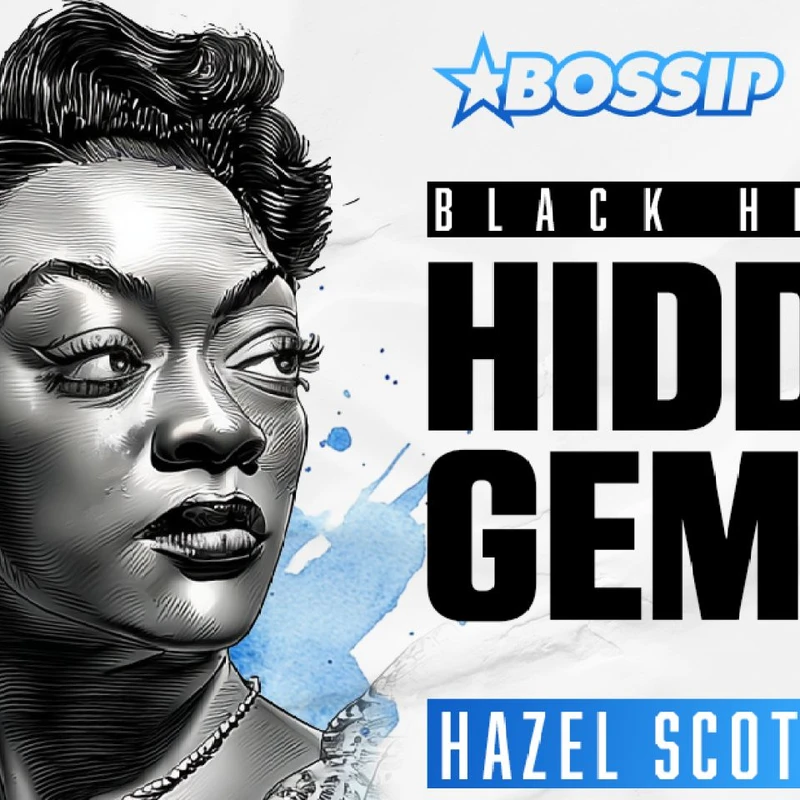
  • Hazel Scott: The Star Who Fought Racism

    In the annals of Black history, some figures shine so brightly that their stories should be household names, yet they remain hidden gems. Hazel Scott is one such visionary. A piano prodigy, a Broadway star, and the first Black person to host their own television show, Scott’s immense talent and influence were tragically overshadowed by her courageous fight against racism and political persecution, decades before the Civil Rights Movement gained national momentum.

    A Musical Genius Emerges

    Born in Trinidad in 1920, Hazel Scott displayed an extraordinary gift for music from an incredibly young age. By three, she was playing piano by ear, and by eight, she had secured a special admission and scholarship to the prestigious Juilliard School in New York, improvising Rachmaninoff to overcome her small hands. Her talent quickly propelled her through the music scene, performing with jazz greats like Count Basie and making her Broadway debut at just 16.

    Scott’s signature style, “Swing the Classics,” blended the speed and syncopation of jazz with classical compositions. This unique approach, combined with her captivating stage presence, made her a sensation. Her first album, “Swinging the Classics,” was a record-breaking success, giving her the leverage to demand fair treatment.

    Challenging Segregation and Hollywood Racism

    Hazel Scott used her growing fame as a platform for activism. She famously demanded in her contracts that she would never perform for segregated audiences. When a venue in Austin, Texas, failed to integrate, she cancelled her show, questioning the logic of performing for a white audience while refusing to sit beside Black patrons. Her stance earned her fans like Eleanor Roosevelt and Lena Horne.

    Hollywood also felt the force of Scott’s convictions. Despite being a rising star, she refused roles as a singing maid, a common stereotype for Black actresses at the time. She insisted on playing herself and demanded final approval over her music and wardrobe. When faced with racist portrayals on set, like Black women depicted in dirty aprons, she halted production, advocating for dignified representation. Though she won these battles, a studio executive vowed to end her film career.

    Making History on Television, Then Facing Persecution

    In 1950, Hazel Scott made history again by becoming the first Black person to host a national television show, “The Hazel Scott Show.” The program was incredibly popular, airing three times a week. However, this groundbreaking achievement coincided with the era of McCarthyism.

    Listed in “Red Channels,” a publication targeting suspected Communists, Scott faced intense pressure. Despite being associated with progressive venues like the Café Society, she refused to be silenced. She bravely testified before the House Un-American Activities Committee (HUAC), denouncing the blacklisting and defending her right to advocate against racism. Her defiance, including a landmark lawsuit against a restaurant for refusing service, was deemed “un-American” by those in power.

    A Legacy Carved in Resilience

    Shortly after her HUAC testimony, Scott’s TV show was canceled, and sponsors withdrew. Blacklisted in the U.S., she moved to Europe, where she continued her music career and befriended fellow expatriates like James Baldwin and Josephine Baker. She recorded acclaimed albums and, alongside Baldwin, organized a demonstration at the U.S. embassy in Paris supporting the March on Washington.

    Though she eventually returned to the U.S., the music landscape had shifted. Hazel Scott continued to perform and record, leaving behind a rich discography and an unparalleled legacy of artistic genius, unwavering advocacy, and profound bravery. While her name may not be as widely remembered as some of her peers, her contributions paved the way for countless others, and her story is a powerful reminder of the resilience and impact of Black artists who dared to challenge injustice.

    What do you think about Hazel Scott’s incredible life and fight for equality? Share your thoughts in the comments below!
  • Phillis Wheatley Honored on New USPS Stamp

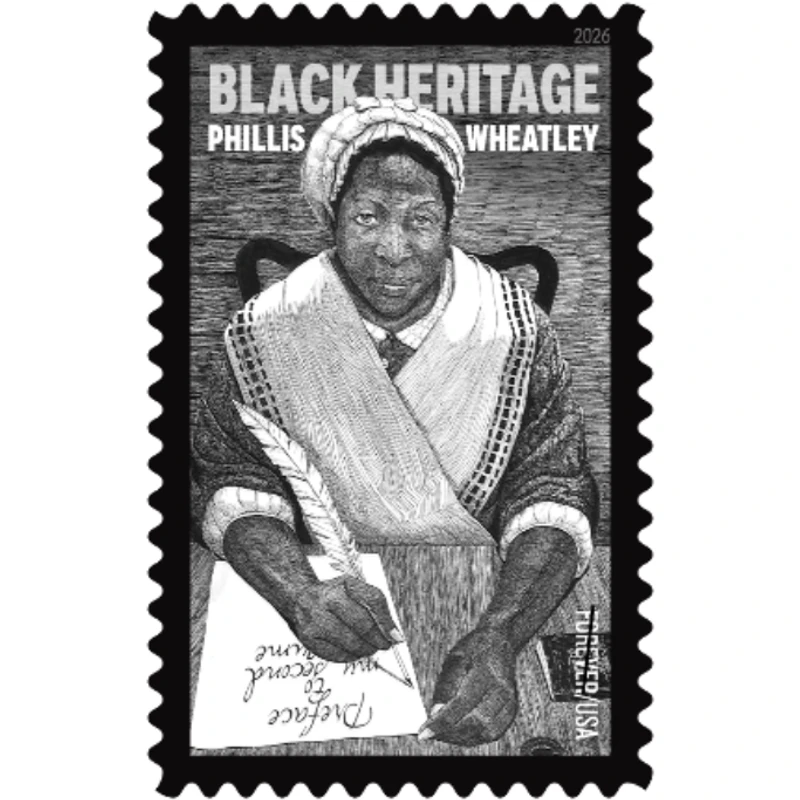
    The United States Postal Service is celebrating a monumental figure in American literature with its latest Black Heritage stamp. Phillis Wheatley, widely recognized as the “mother of African American literature,” will be featured on the 49th stamp in this esteemed series, joining the ranks of other influential Black historical figures.

    A Legacy of Literary Achievement

    Wheatley’s inclusion marks a significant recognition of her groundbreaking contributions. The Black Heritage stamp series, which began in 1940, is the longest-running U.S. stamp series. Wheatley’s stamp will be a “forever” stamp, sold at the standard First-Class Mail 1-ounce price, ensuring her legacy remains accessible for everyday use.

    She is believed to be the first African American author to publish a book of poetry. Her journey from being enslaved and brought to Boston from West Africa to becoming an iconic literary figure is a testament to her resilience and talent. Despite the immense challenges she faced, Wheatley received a unique education, learning to read and write.

    Early Publications and Freedom

    Wheatley’s literary prowess was evident from a young age. According to the Poetry Foundation, she published her first poem at just 13 years old. By the age of 20, in 1773, she published her first collection, “Poems on Various Subjects, Religious and Moral,” in London, England. Remarkably, she was freed that same year.

    A Stamp Ceremony in Boston

    The stamp, designed by USPS art director Antonio Alcalá using artist Kerry James Marshall’s distinctive portrait technique, will be officially unveiled at a ceremony on January 29 in Boston. The event will take place at the Old South Meeting House, a location historically significant for its role in the Boston Tea Party revolution.

    What do you think about Phillis Wheatley being featured on the new USPS stamp? Which other historical figures do you believe deserve this honor? Share your thoughts in the comments below!

  • Trump Administration’s Efforts to Erase Black History

    Have you ever felt like important parts of history are being downplayed or even ignored? Sadly, this isn’t a new phenomenon, and recent actions by the Trump administration have brought renewed attention to the deliberate attempts to erase Black history from public view.

    Attacks on DEI and Historical Narratives

    Since Donald Trump’s inauguration as the 47th President, his administration has launched significant attacks on Diversity, Equity, and Inclusion (DEI) initiatives. This has translated into concrete actions that directly impact African Americans and the preservation of Black history. Government websites, including those from the Department of Defense and the National Park Service, have seen content related to crucial figures and events, such as Medgar Evers and the Tuskegee Airmen, removed.

    The administration even called for a review of national museums, including the Smithsonian’s National Museum of African American History & Culture, labeling them as “out of control” for focusing on the nation’s historical shortcomings, like slavery. This perspective suggests a desire to curate a less critical, and arguably less truthful, historical narrative.

    Impact on HBCUs and Cultural Centers

    Beyond museum reviews, federal grants for Historically Black Colleges and Universities (HBCUs) have faced cuts. Furthermore, cultural centers at Predominantly White Institutions (PWIs) have been shuttered. These actions leave Black students, and indeed students of all races, more vulnerable to facing adversities without essential support systems and educational resources.

    Historical Parallels and the Power of Backlash

    These efforts to erase or diminish Black history are not unprecedented. Similar attempts have occurred in the past, particularly after Reconstruction and the Civil Rights Movement. Maya Wiley, President and CEO of the Leadership Conference on Civil and Human Rights, noted, “When datasets or historical materials disappear, it becomes harder to see and fix racial disparities.” She emphasizes that while the language and justifications may change, the underlying strategy of erasure remains consistent.

    However, there’s a silver lining: the backlash against these attempts often highlights the importance of preserving and sharing Black history. National Urban League president Marc H. Morial observes, “The attempt to erase history has made all of us more cognizant of the need to tell it.” This increased awareness can galvanize communities to actively resist false narratives.

    Fighting Back Through Community and Truth

    Organizations and initiatives are stepping up to combat this historical revisionism. Stacey Abrams and Esosa Osa, in an op-ed for The Guardian, labeled the protection of Black historical progress as a moral imperative. They highlight movements like “The 10 Steps” campaign, aimed at protecting democracy, and Onyx Impact, which empowers communities to resist misinformation.

    These collective efforts demonstrate that by working together, we can preserve historical truth, honor the contributions of African Americans, and strengthen democracy for future generations. It’s a reminder that understanding our past is essential for building a more equitable future.

    How do you think we can best protect and promote Black history? Share your ideas in the comments below!