Tag: black economy

  • Trump’s Iran War: Impact on Black Americans

    President Donald Trump announced on Friday, May 29, 2026, that he was nearing a ‘final determination’ to end the United States’ war in Iran. However, national security and foreign policy experts are expressing skepticism about the feasibility of his ambitious goals, suggesting the reality is far more complex than publicly presented.

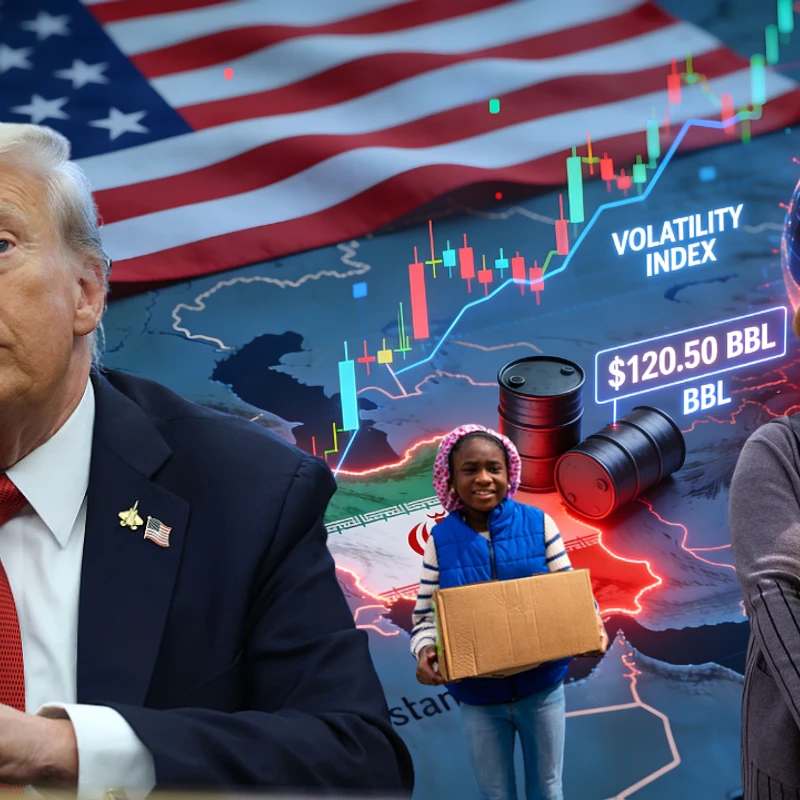
    This ongoing conflict is not only a significant drain on U.S. resources, costing at least $2 billion daily, but it’s also severely impacting the American economy. We’re seeing soaring gas prices averaging over $4.30 per gallon, continued inflation, and rising mortgage rates. These economic strains are affecting various industries, including farming, and are hitting Black Americans particularly hard.

    Disproportionate Impact on Black Communities

    Black households are already contending with generational disparities in wages and wealth. The current economic climate, exacerbated by Trump’s war, his tariffs on global imports, and cuts to essential federal programs like food and healthcare assistance, is intensifying these challenges. Experts warn that if the war isn’t resolved, underserved communities, which form the majority of the U.S., will continue to suffer immensely.

    Democratic strategist Ameshia Cross highlighted the disconnect between the administration’s rhetoric and the reality on the ground. ‘He continually [says] that affordability is a hoax, that this crisis is not a crisis, even though communities, specifically the Black community, are calling it out,’ Cross stated. Furthermore, she noted that following the Supreme Court’s decision on the Voting Rights Act, Black Americans are witnessing potential dilution of their votes through redistricting, diminishing their political power.

    Obstacles to Peace

    Achieving a peace deal requires intricate negotiations between the U.S. and Iran. Decades of complex hostility, broken agreements, and critical issues like Iran’s nuclear program, control over natural resources, and the strategic Strait of Hormuz (through which 20% of the world’s oil flows) stand as significant hurdles.

    Trump has publicly demanded that Iran forgo nuclear weapons, immediately open the Strait of Hormuz to all shipping without tolls, and dismantle its enriched nuclear material. However, experts like Asha Castleberry-Hernandez, a former Department of Defense appointee, believe Trump has limited international support for his approach, unlike former President Obama’s 2015 nuclear deal (JCPOA).

    Comparing Approaches: Trump vs. Obama

    Trump has frequently criticized Obama’s JCPOA as a ‘disaster.’ The Obama deal placed restrictions on Iran’s nuclear enrichment and established oversight, with sanctions as a consequence. In contrast, Trump aims for a complete cessation of nuclear weapons development. However, former intelligence analyst Victor LaGroon points out that nuclear capability can serve as leverage for a nation, providing a deterrent against invasion and a stronger voice in international affairs.

    Castleberry-Hernandez noted that while Pakistan offers some support, it’s insufficient for brokering a deal alone, thus delaying progress. LaGroon argued that Obama’s deal was more effective because it maintained U.S. influence and allowed for diplomatic engagement, which he believes is preferable to war.

    Ameshia Cross suggests Trump is attempting to craft a deal superior to Obama’s, which he dismantled in 2017. However, she points out that Iran made concessions under the Obama administration and, having gained momentum in the current conflict, is unlikely to relinquish everything now. Despite Trump’s claims of military success, Iran maintains control over the Strait of Hormuz, generating revenue through tolls.

    If Trump’s deal allows Iran to retain control of the Strait, experts like Castleberry-Hernandez believe it would be a less favorable outcome than Obama’s agreement, potentially embarrassing for Trump. Cross concludes that the U.S. currently lacks leverage, and despite Trump’s projections, the war’s end date remains uncertain.

    LaGroon predicts that any immediate deal struck by Trump will likely be superficial and unsustainable, given the history of failed agreements with Iran. He criticizes the administration’s lack of strategic diplomacy, stating Trump’s dictatorial approach won’t succeed. Regarding the economic impact, LaGroon warns that even if the war ends soon, gas prices won’t immediately decrease, and he believes Trump’s priorities lie with the war effort over American economic well-being, potentially harming Republicans in the upcoming election.

    What are your thoughts on the economic impact of the Iran war and President Trump’s approach to ending it? Share your views in the comments below!
  • Inflation, Mortgage Rates Squeeze Black Households

    Black households are facing a double whammy as inflation and mortgage rates climb, creating a significant financial strain under the current economic climate. Recent economic data paints a challenging picture, indicating that these burdens are likely to persist, further widening existing wealth and wage gaps.

    Inflation Hits Hardest

    The latest figures show a concerning rise in the price index for consumer expenditures (PCE), hitting a nearly three-year high of 3.8%. This surge is largely driven by increased costs for essential goods and services, including gasoline, energy, housing, and utilities. Americans collectively spent an additional $111.1 billion in April alone. Compounding this issue, personal income saw a slight decrease month-to-month, meaning households have less disposable income to cope with rising prices.

    For Black households, who already navigate systemic disadvantages like wealth gaps, wage disparities, and limited access to well-paying jobs, these rising costs are particularly devastating. As Cantrell Dumas, a senior researcher at The Joint Center for Political and Economic Studies, stated, ‘Higher mortgage rates and rising inflation are a one-two punch for Black households.’

    Mortgage Rates Push Homeownership Further Away

    Adding to the financial pressure, the average rate for a 30-year fixed mortgage has climbed to 6.65%, its highest point since August 2025. This increase is causing many potential homebuyers to postpone their plans, leading to an 8.5% drop in mortgage applications. For Black families, who are already less likely to own homes and have limited financial savings, this trend makes the dream of homeownership increasingly unattainable.

    Dumas further explained, ‘Rising mortgage rates can push homeownership further out of reach. At the same time, higher prices for food, rent, utilities, and transportation leave families with less money to save.’ This creates a cycle where essential costs consume income, hindering the ability to build financial security.

    Broader Economic Impacts and Blame

    A report from The Joint Center highlighted that Trump’s economic policies, including attacks on DEI initiatives and federal workforce cuts, are contributing to a ‘Black recession.’ Public opinion reflects these concerns, with a New York Times/Sienna poll indicating that 83% of Black Americans disapprove of Trump’s job performance and 89% view the economy as poor or fair under his administration.

    Nadine Smith, president and CEO of Color Of Change, criticized the administration’s approach, stating, ‘The administration keeps pouring gasoline on the economy and then blaming families for getting burned.’ She added that policies related to wars and tariffs are driving up prices, disproportionately impacting Black families who are already facing higher costs for basic necessities and limited support.

    Alphonso David, president and CEO of the Global Black Economic Forum, echoed these sentiments, noting that an economy cannot work for everyone when families face simultaneous increases in living and borrowing costs. ‘For Black households, this is a double squeeze,’ he said, emphasizing the compounded pressure from inflation, higher mortgage rates, wage gaps, and limited access to affordable housing, ultimately leading to less savings, mobility, and opportunity.

    How are rising inflation and mortgage rates impacting your household finances? What steps do you believe can be taken to alleviate these pressures on Black families? Share your thoughts in the comments below!

  • Pressley, Advocates Slam Trump’s “Attack” on Black Economy

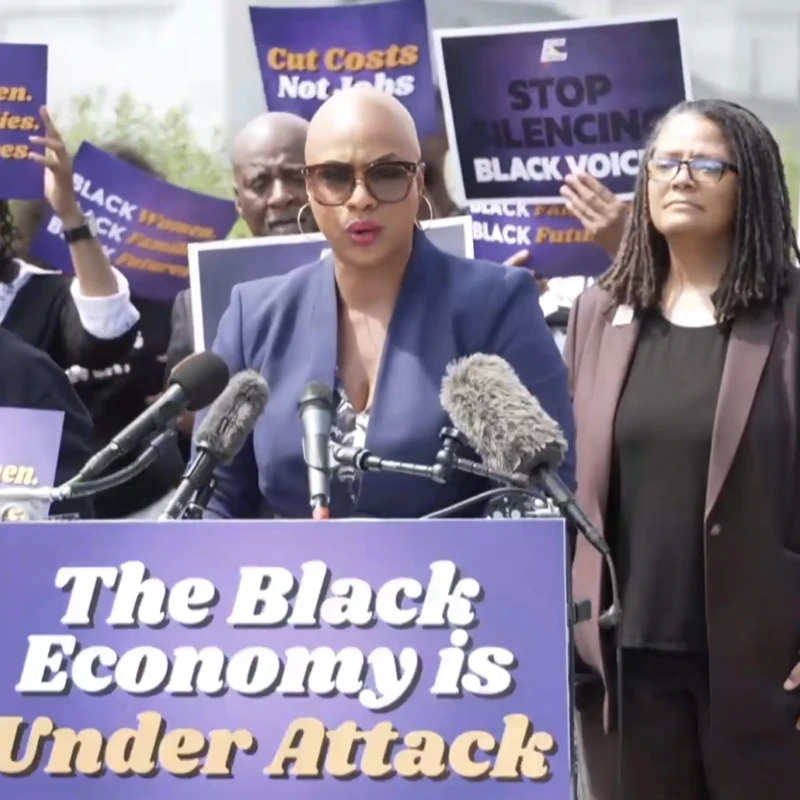
    Racial justice advocates and U.S. Rep. Ayanna Pressley are sounding the alarm, calling the Trump administration’s policies a direct “attack on the Black economy.” Descending on Capitol Hill, they highlighted rising Black unemployment rates and the disproportionate impact of the affordability crisis on Black communities, arguing that specific policies are deliberately causing harm.

    Policies Under Fire

    During a press conference hosted by Rep. Pressley (D-Mass.), coalition groups including the NAACP, Color of Change, the National Urban League, and The Joint Center for Political and Economic Studies voiced their concerns. They pointed to the administration’s significant cuts to the federal workforce, its anti-Diversity, Equity, and Inclusion (DEI) agenda, and the rollback of civil rights enforcement as key drivers of economic hardship for Black Americans.

    “The state of the Black economy is under attack,” Pressley declared, emphasizing that these policies are exacerbating existing systemic economic harm and the current affordability crisis affecting everything from groceries to housing and gas prices. Participants held signs reading “Stop Silenceing Black Voices” and “Cut Costs. Not Jobs,” underscoring their message.

    Economic Realities vs. Administration Claims

    Nadine Smith, president and CEO of Color of Change, stated, “Black families across this country are being told to believe in an economy they cannot feel.” She stressed that people cannot be lied to about their financial realities, citing rising grocery bills, rent, and layoffs as evidence that the economy is not strong for many Black households. The numbers, she added, confirm the lived experiences of the community.

    Dedrick Asante-Muhammad, president of the Joint Center for Political and Economic Studies, presented findings from his organization’s report warning of a potential “Black recession.” He noted the attacks on programs designed to ensure equal opportunity and highlighted that by the end of 2025, Black unemployment had climbed to 7.5%, significantly higher than the national rate of 4.4% and white unemployment at 3.8%.

    Policy Choices and Proposed Solutions

    Asante-Muhammad also criticized Trump’s “One Big Beautiful Bill Act,” arguing it disproportionately benefits the wealthy while cutting investments in essential programs like Medicaid and nutrition assistance. He emphasized that policy choices create these outcomes and that different choices can lead to positive change, calling for policies that bridge past inequalities and foster future prosperity for all.

    When asked about priorities should Democrats regain control, Rep. Pressley advocated for massive investments in affordable housing, restoration of student debt cancellation, and rebuilding agencies that support Black-owned businesses. She also called for addressing algorithmic biases and restoring federal jobs denied to Black workers. Pressley refuted Trump’s claim that immigrants were taking “Black jobs,” asserting that the real culprits are policies enacted by figures like Trump and Elon Musk that have dismantled the federal workforce.

    Pressley further condemned the Trump DOJ’s actions against the Southern Poverty Law Center and current voting rights battles targeting majority-Black districts as attacks on Black infrastructure and the Black community as a whole. She urged people of all political affiliations, especially within the Democratic party, to “give a damn” and speak out unapologetically on issues affecting Black Americans.

    What are your thoughts on the current state of the Black economy and the policies being discussed? Share your views in the comments below.

  • Trump on Inflation: ‘I Don’t Think About’ Americans’ Finances

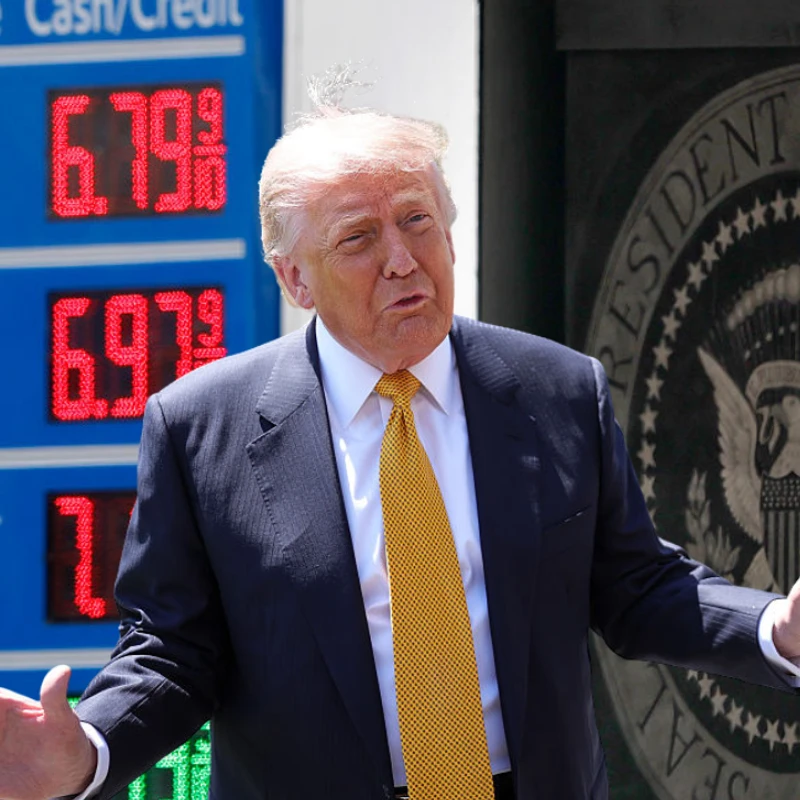
    In a recent statement that has raised significant concerns, President Trump declared he doesn’t ‘think about’ the financial struggles of Americans, particularly as inflation hits Black households the hardest. This comes at a time when the U.S. is experiencing its highest inflation rate in three years, largely driven by the conflict in Iran.

    Inflation’s Disproportionate Impact

    The latest Consumer Price Index report from the Department of Labor shows a 3.8% year-over-year increase in inflation, with energy, shelter, and food costs all rising. For Black Americans, these rising costs exacerbate existing economic disparities. The Black unemployment rate has also remained at pandemic levels for five years, currently standing at 7.3%.

    Nadine Smith, president and CEO of Color Of Change, highlighted this disparity, stating, ‘Every price surge lands on us harder because the ground was never level to begin with.’ This sentiment underscores the long-standing economic challenges faced by Black communities.

    Trump’s Stance on Economic Concerns

    When questioned by reporters about whether he considered the economic pain of Americans while negotiating an end to the war in Iran, Trump’s response was blunt: ‘Not even a little bit.’ He emphasized that his sole focus regarding Iran was preventing them from acquiring nuclear weapons, adding, ‘I don’t think about Americans’ financial situation. I don’t think about anybody.’

    These remarks come just months before the midterm elections, where control of Congress is at stake. Democrats have been quick to criticize the president’s apparent disregard for the economic well-being of his constituents, pointing to policies like federal job workforce cuts and attacks on DEI initiatives that disproportionately affect Black workers.

    Reactions from Leaders and Advocacy Groups

    U.S. Rep. Hakeem Jeffries, the Democratic leader of the House of Representatives, condemned Trump’s statement, calling the war in Iran ‘reckless’ and stating, ‘Donald Trump just made clear he doesn’t give a damn.’ He questioned when the public would have ‘had enough.’

    Civil rights leaders echoed these sentiments. NAACP President and CEO Derrick Johnson criticized the economy under Trump, noting skyrocketing inflation and rising unemployment. Alphonso David, president and CEO of the Global Black Economic Forum, pointed out how global instability directly impacts marginalized communities, who often have the least financial cushion to absorb such shocks.

    • Inflation driven by rising gas prices and increased costs for food and shelter.
    • Black households disproportionately affected due to existing wage and wealth gaps.
    • President Trump states he does not consider Americans’ financial situations when dealing with foreign policy.
    • Criticism from Democrats and advocacy groups ahead of the midterm elections.

    The comments highlight a significant disconnect between the administration’s foreign policy priorities and the immediate economic pressures faced by many Americans, especially within the Black community. As the election approaches, these economic concerns are likely to play a crucial role.

    What are your thoughts on President Trump’s remarks about the economy? How do you think rising inflation is impacting your community? Share your views in the comments below!
  • Trump’s Policies Harm Black Economy, Critics Say

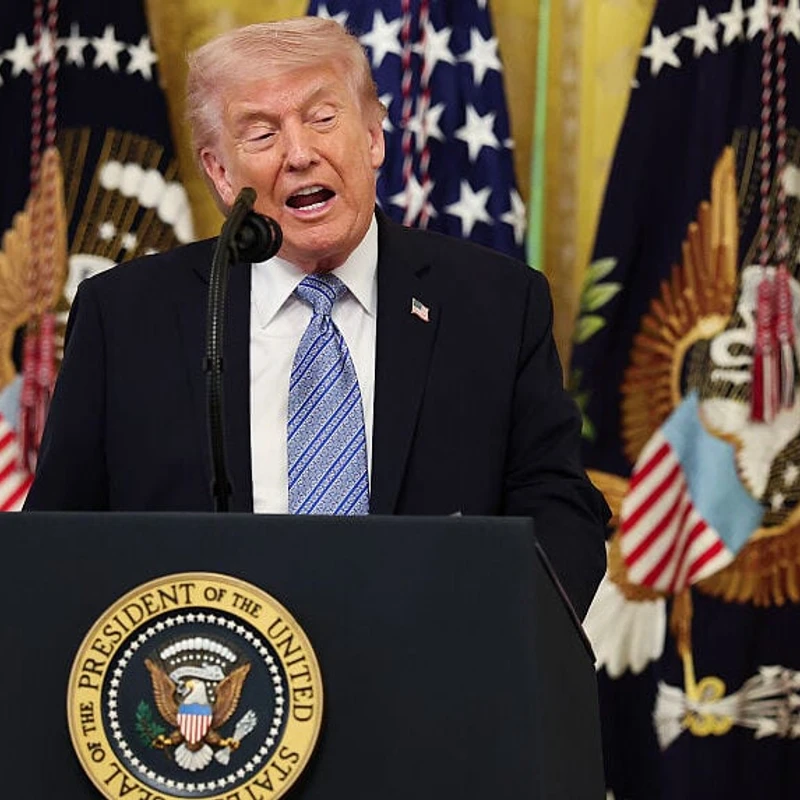
    President Donald Trump recently gathered small business owners at the White House to celebrate Small Business Week, touting his administration’s efforts to boost economic success. However, critics argue that many of the very actions highlighted by the president have had a detrimental effect on Black businesses and households since he returned to office.

    A Complex Economic Picture

    While Trump celebrated a low national unemployment rate, reaching its lowest point since 1969, a closer look reveals a more complex and concerning picture, especially for Black Americans. The national unemployment rate stands at 4.3%, and while more people are employed due to population growth, the jobless rate doesn’t account for the current affordability crisis. Many employed Americans, particularly Black Americans, are struggling to afford basic necessities like healthcare and housing.

    Furthermore, the Black unemployment rate remains higher at 7.1% than it was during the height of the COVID-19 pandemic in late 2021. This disparity is a significant concern for economic equality.

    Federal Job Cuts and Their Impact

    President Trump has openly bragged about significant cuts to the federal government workforce. Ironically, these cuts disproportionately affect Black unemployment, as many of the eliminated positions were related to diversity, equity, and inclusion (DEI) initiatives or roles perceived as such. For decades, the federal government has been a crucial pathway for expanding the Black middle class.

    Despite Trump’s assertion that laid-off federal workers find “much better jobs” a year later, reports suggest many struggle to find comparable employment. This raises serious questions about the long-term consequences of these workforce reductions on individuals and the broader economy.

    Challenges for Black-Owned Businesses

    Regarding Black businesses, while the administration claimed record lending, it’s likely that Black-owned operators were largely excluded. Federal lending for these businesses had nearly doubled under the previous Biden-Harris administration. In line with its anti-DEI stance, the Trump administration terminated programs and grants designed to diversify the Small Business Administration’s reach to Black entrepreneurs.

    The termination of the Minority Business Development Agency (MBDA), established to close racial gaps in capital access, is another significant blow. A report by the Joint Center for Political and Economic Studies notes that the administration’s actions have shifted the entire regulatory structure, making it harder for Black businesses to compete. This has been demonstrably harmful to Black business owners and a drag on Black entrepreneurship.

    Tariffs, AI, and Environmental Concerns

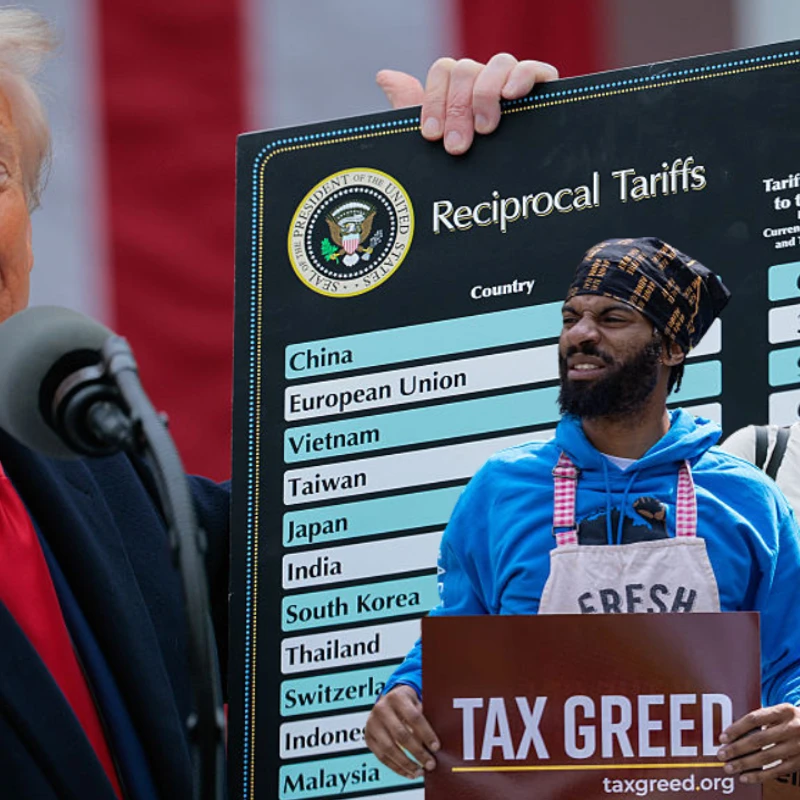
    Global tariffs on imported goods have also negatively impacted Black businesses, particularly sole proprietors who struggle with capital access. Although businesses saw potential relief after tariffs were ruled unconstitutional, the administration has moved to reestablish them, likely perpetuating high operating costs for Black owners.

    Furthermore, concerns are rising about the rapid growth of Artificial Intelligence (AI) without adequate regulation. Data suggests Black people are overrepresented in jobs most vulnerable to AI displacement, such as healthcare support, retail, and administrative work. Tech companies are also building data centers in predominantly Black and low-income communities, raising environmental justice issues related to health and economic harms.

    Ongoing Economic Pressures

    The ongoing conflict with Iran continues to add economic pressure, driving up the cost of oil, gas, and other goods. Despite the extended military engagement, President Trump has defended the costly conflict as necessary to deter Iran’s nuclear ambitions. These global events further compound the economic challenges faced by American small businesses, including those owned by Black entrepreneurs.

    What are your thoughts on the impact of these policies on the Black economy? Share your perspective in the comments below!

  • Trump Budget Cuts Threaten Black Economy

    While the latest jobs report shows a slight dip in the Black unemployment rate, dropping to 7.1% in March from 7.7%, experts are sounding the alarm. Critics warn that President Donald Trump’s proposed budget for Fiscal Year 2027 could significantly worsen economic disparities for Black Americans, particularly through cuts to programs deemed ‘woke.’

    Encouraging Signs, Lingering Concerns

    Andre Perry, a researcher at The Brookings Institution, acknowledges the encouraging decline in the Black unemployment rate but cautions against over-optimism. ‘The unemployment rate is still troublesome as there seem to be fewer available jobs overall and fewer people seeking them,’ Perry told theGrio. He suggests that month-to-month changes can obscure the broader economic trajectory.

    Angela Hanks, chief of policy programs at The Century Foundation, echoed these concerns. ‘While this month’s decline in the Black unemployment rate is welcome, it is still nearly a point higher than it was a year ago and double the white unemployment rate,’ she stated. Hanks pointed out that proposed domestic cuts, combined with previous reductions in healthcare, food assistance, and education, alongside the ongoing war in Iran, threaten to drive Black unemployment higher in the long term.

    The ‘Cuts to Woke Programs’ Initiative

    President Trump’s FY2027 budget proposal includes a 10% cut to discretionary spending and a record $500 million increase in military spending. Notably, the White House released a ‘Cuts to Woke Programs’ list, targeting initiatives aimed at boosting Black employment and entrepreneurship. These cuts include the elimination of the Minority Business Development Agency (MBDA).

    The administration justified eliminating the MBDA by claiming it funded ‘divisive and discriminatory projects’ and limited awards based on race. The White House specifically highlighted $3 million previously awarded to a national Black Lives Matter organization. Furthermore, the budget proposes significant cuts to various racial equity programs, impacting environmental justice, housing assistance, healthcare research, and education.

    Impact on Community Development and Families

    The proposal also includes eliminating the Community Development Financial Institutions (CDFI) Fund, with the White House referencing former Vice President Kamala Harris’s involvement in its Equitable Recovery Program. During the Biden-Harris administration, CDFI investments were crucial for bolstering community banks that issue loans to Black-owned businesses, which often face higher denial rates from larger institutions.

    Brandon Weathersby, spokesperson for American Bridge 21st Century, criticized the budget, stating, ‘Trump’s economy has added fewer than 300,000 jobs in the past year, and the unemployment rate for Black Americans is still at pandemic-era levels.’ He argued that the proposed cuts would gut programs essential for families and the American Dream, contrasting this with the administration’s significant spending on the war in Iran.

    The very programs the Trump administration rails against as ‘woke,’ normal households all across the country simply see as critical to their survival. — Brandon Weathersby, American Bridge 21st Century

    Weathersby concluded, ‘Instead of feeding families, this administration is prioritizing dropping bombs in the Middle East.’ The MAGA agenda’s priorities, he suggests, are now plainly visible, prioritizing war over the well-being of American families.

    What are your thoughts on the proposed budget cuts and their potential impact on the Black economy? Share your views in the comments below!
  • Trump Tariffs Trigger ‘Black Recession,’ Study Finds

    A year after former President Donald Trump implemented reciprocal tariff policies, promising an economic ‘golden age,’ the reality for many Americans has been far from it. Now, a new report suggests that Black Americans have borne the brunt of these policies, leading to what is being called a ‘Black recession.’

    Tariffs Hit Black Workers and Businesses Hardest

    Data analyzed by the Joint Center for Political and Economic Studies indicates that Trump’s tariff program, which was struck down by the U.S. Supreme Court in February, had a particularly devastating effect on Black communities. The report, ‘State of the Dream 2026: From Regression to Signs of a Recession,’ highlights a significant increase in Black unemployment, currently at 7.7%, as a key indicator of this economic downturn.

    The tariffs acted as a consumer tax, driving up prices and weakening industries where Black Americans are disproportionately employed, such as retail and transportation. This had a substantial negative impact on African American employment and contributed to decreased cross-border tourism, affecting the hospitality and retail sectors.

    Anti-DEI Agenda and Policy Reversals

    Beyond the tariffs, the report also criticizes the Trump administration’s anti-DEI agenda. This approach has led to the overturning of policies and programs designed to address racial inequality and promote diversity, further exacerbating economic challenges for Black communities. The ‘systematic withdrawal of protections, investments, and accountability mechanisms’ has left these communities more vulnerable to economic shocks.

    U.S. House Democratic Leader Rep. Hakeem Jeffries emphasized these points during a press call, stating, ‘Under the Trump presidency, we know that Black unemployment has increased dramatically and Black homeownership has decreased significantly because of toxic policies being put into place by the Trump administration.’ He contrasted this with the progress seen under the Biden administration, where Black unemployment reached historic lows and Black-owned businesses experienced significant growth.

    The systematic withdrawal of protections, investments, and accountability mechanisms that have historically assisted Black communities from economic shocks combined with a substantive increase in Black unemployment all point to 2025 as a regression and recession for African Americans. — Joint Center for Political and Economic Studies Report

    The report from the Joint Center also noted that Trump’s policies, including cuts to Medicaid, threaten to undo the progress Black communities made just a few years ago. Black women, in particular, have suffered, with approximately 300,000 left unemployed under the second Trump presidency. NAACP President and CEO Derrick Johnson stated, ‘Donald Trump has failed to lead across the board. He has tanked the economy, killed the jobs market, and made it impossible for the American people to afford basic necessities…all to make the rich even richer.’

    Rep. Jeffries vowed that Democrats would work to reverse the damage caused by Trump’s policies if they regain control of Congress. The current economic landscape, marked by rising prices and job losses, stands in stark contrast to the gains Black Americans experienced in recent years, raising concerns about the future economic well-being of the community.

    What are your thoughts on the economic impact of Trump’s policies on Black communities? Share your views in the comments below.