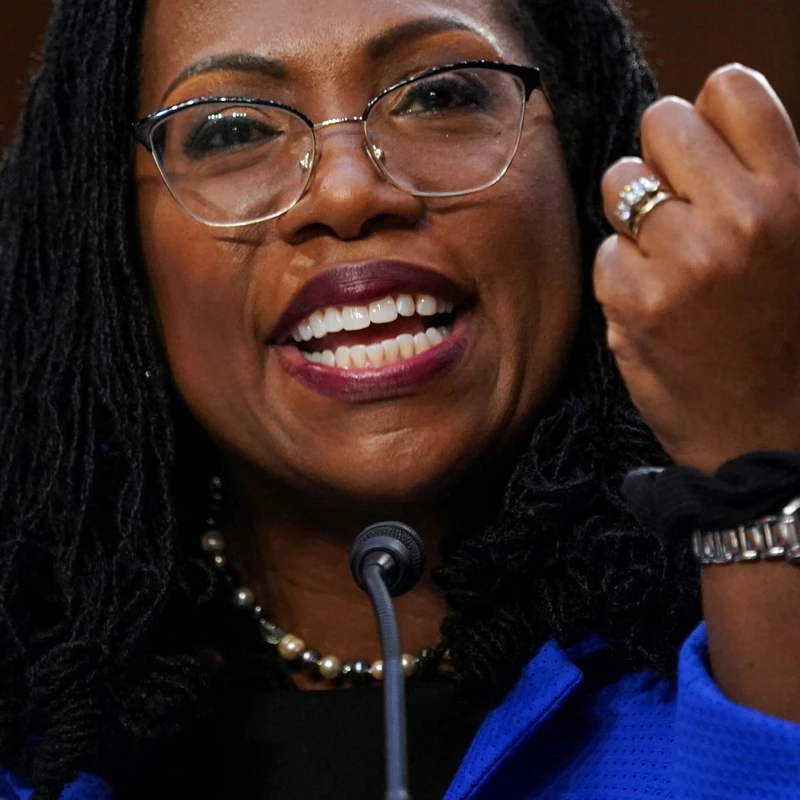
In a significant display of her commitment to equality and justice, Supreme Court Justice Ketanji Brown Jackson cast the sole dissenting vote against a recent ruling concerning conversion therapy. While her liberal colleagues, Justices Sotomayor and Kagan, sided with the conservative majority, Jackson’s powerful dissent highlights critical concerns about the ruling’s potential impact on minors and medical care standards.
The Ruling and Jackson’s Dissent
The case centered on Kaley Chiles, a Christian counselor who argued that Colorado’s ban on conversion therapy violated her First Amendment right to free speech. The Court sided with Chiles, distinguishing her talk-based counseling from physical interventions. However, Justice Jackson, in her 34-page dissent, argued that the majority failed to grasp the crucial context: Chiles was providing therapy to minors as a licensed healthcare professional, not merely speaking freely.
Jackson emphasized that this ruling could undermine states’ ability to regulate medical care standards, potentially setting a dangerous precedent. She stated the decision “extends the Constitution into uncharted territory in an utterly irrational fashion. And it ultimately risks grave harm to Americans’ health and well-being.”
Protecting Minors and Upholding States’ Rights
A key focus of Jackson’s dissent was the potential harm to children subjected to conversion therapy. She cited studies showing that minors often experience the shame and stigma associated with such practices more acutely due to their “increased emotional vulnerability.” Jackson’s stance underscores the importance of protecting vulnerable populations from practices widely condemned by medical and mental health organizations.
By delivering her dissent from the bench, Jackson signaled the gravity of her disagreement and its potential implications for states’ rights to regulate professional conduct and protect public health. Her argument suggests that validating this controversial practice could pave the way for broader governmental overreach into medical standards.
A Stand for Equality and Foresight
Dr. Christina M. Greer, a political science professor at Fordham University, commented on Jackson’s actions, highlighting the historical role of Black women in advocating for marginalized groups. “This is the Black woman who’s making this argument for a group of people she is not even a part of, but understands the danger that this rule could present… how it will be weaponized and expanded for other groups of people,” Greer told theGrio. Jackson’s dissent, though not directly impacting her personally, demonstrates a profound understanding of how policies can have far-reaching and harmful consequences.
Justice Jackson’s principled stand serves as a powerful reminder of the ongoing fight for equality and the critical role of judicial dissent in challenging potentially harmful precedents. Her lone vote against the ruling underscores her dedication to safeguarding the well-being of all Americans, particularly the most vulnerable.
What are your thoughts on Justice Ketanji Brown Jackson’s dissent? Do you agree with her concerns about the conversion therapy ruling? Share your views in the comments below!
Leave a Reply