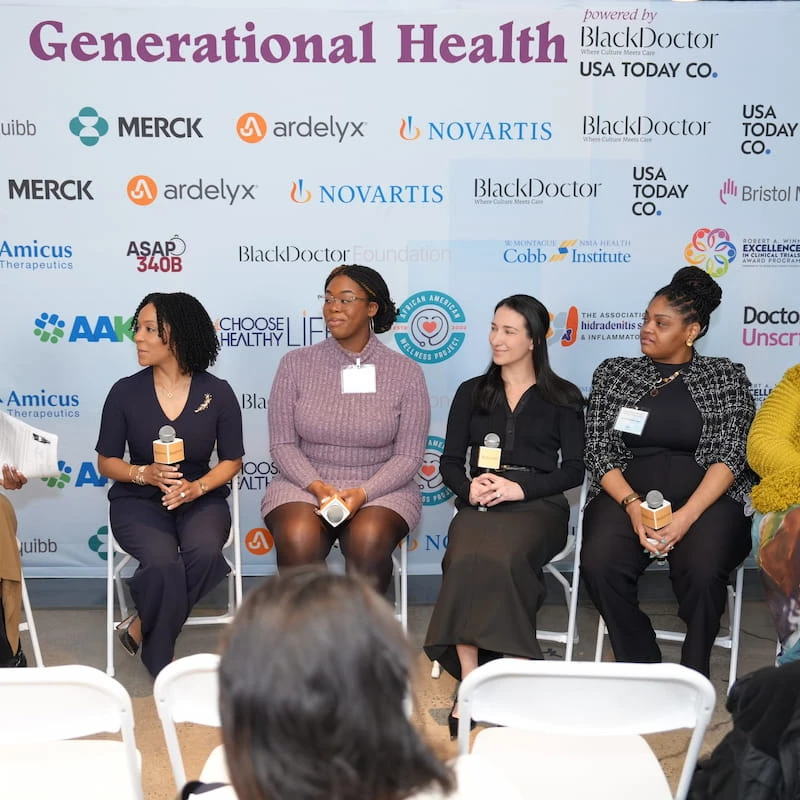
Hidradenitis Suppurativa (HS), a chronic inflammatory condition, often remains hidden, particularly within the Black community. Many individuals endure years of silence, facing dismissed symptoms and misdiagnoses like acne or poor hygiene before finally getting a name for their struggle. This pervasive issue was a central focus at the “Losing Yourself to Being Inspired in HS” panel, part of the third annual summit hosted by BlackDoctor and USA TODAY in New York.
The Clinical Reality: It’s Not About Hygiene
A crucial point addressed at the panel was correcting the dangerous misconception that HS is caused by a lack of cleanliness. Dr. DiAnne Davis, a board-certified dermatologist, clarified that HS is a complex condition involving hair follicle occlusion and immune system dysregulation. “HS is not something, because [of] the patient’s hygiene practices, it is not something that is contagious or something that the patients did to themselves,” Dr. Davis emphasized.
The systemic nature of HS means its impact is profound, often leading to disfigured scarring and significantly diminishing a patient’s quality of life. Dr. Davis stressed the need for a compassionate and comprehensive approach to care for anyone seeking help.
A Stolen Childhood: The Diagnostic Delay
The statistics are alarming: it typically takes seven to 10 years for an HS diagnosis. For many panelists, this diagnostic delay occurred during their youth, a formative period spent battling a severe disease they didn’t understand. Jasmine Espy, CEO of the Association of Hidradenitis Suppurativa, Inflammatory Diseases, shared the profound impact of being diagnosed with Stage 3 HS in high school. “Any semblance of a childhood was extracted from me because of this disease,” she recalled, describing her life as a cycle of doctor’s visits and navigating “so many stages of grief.”
Similarly, HS content creator and advocate Imani Futrell experienced symptoms starting at age 11. Lacking the language for her condition, she internalized the stigma, only understanding the physical manifestations and scars, not the emotional and mental toll it was taking.
The Burden of the ‘Put Together’ Persona
For individuals like Jovette Simmons-Abass, an accountant, living with HS meant maintaining a facade of being perfectly put-together while enduring excruciating pain in secret. “I spent so much time trying to hide the pain… I don’t want people to see that I’m in pain,” she shared. Her turning point came when she realized she had to actively fight for the care she deserved, learning to assertively advocate for herself with medical professionals.
Shifting Towards Proactive Care
Dr. Mondana Ghias, an NYC Dermatologist and HS Specialist, stressed the medical community’s need to move beyond a “reactive” approach—treating patients only during severe flare-ups. She advocated for building trust and establishing long-term rapport with patients. “Getting treatment, I think shifting from more of a reactive approach… towards proactive care, because we want to prevent some of the irreversible scarring and damage that can occur,” Dr. Ghias explained.
Systemic Barriers and the Need for Cultural Competency
The panel didn’t shy away from the systemic issues that exacerbate HS for Black women. Dr. Davis highlighted how structural and interpersonal biases can lead practitioners to minimize patients’ pain. She noted that HS disproportionately affects Black patients, particularly women, underscoring the critical need for more minority dermatologists and multidisciplinary healthcare teams, including mental health specialists and OB-GYNs.
A Future Rooted in Hope and Authenticity
Despite the challenges, the panel concluded with a powerful message of radical self-love and community. Jasmine Espy, who uses her journalism background to create documentaries about the HS experience, emphasized the transformative power of visibility and storytelling. “I think we should not underestimate how much it means for people to be able to tell their stories and to own their stories,” she stated. “It’s important for people to be able to live in their authenticity without barriers.”
The ultimate takeaway for anyone living with HS is revolutionary: grant yourself grace, find your community, and prioritize yourself. By sharing their authentic stories, individuals are not only finding healing but also paving the way for greater understanding and proactive care for future generations.
Have you or someone you know been affected by HS? Share your experiences and thoughts on the power of storytelling in breaking down health stigmas in the comments below!
Leave a Reply