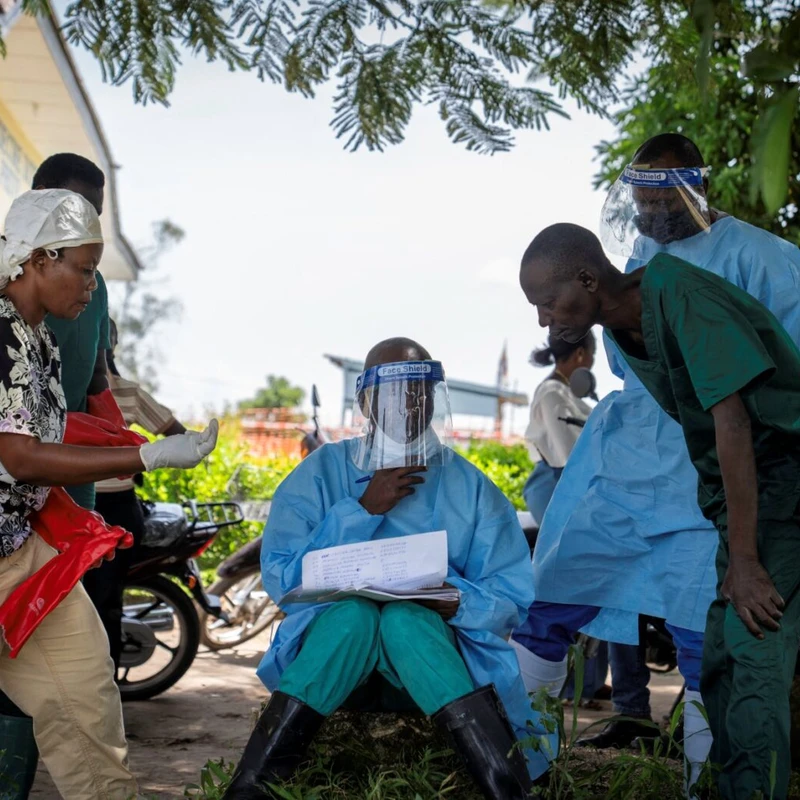
If you have an East Africa trip on the horizon, it’s crucial to stay informed about the latest health advisories, particularly concerning the Bundibugyo orthoebolavirus outbreaks. While the region offers incredible travel experiences, understanding potential risks and taking necessary precautions is paramount for a safe journey.
Understanding the Current Outbreaks
As of May 2026, outbreaks of the Bundibugyo virus are active in parts of the Democratic Republic of Congo (DRC) and Uganda. The World Health Organization (WHO) has declared the situation a “public health emergency of international concern.” Specifically, the CDC has identified Ituri, Nord-Kivu, and Sud-Kivu provinces in the DRC as “Level 3” travel zones, advising reconsideration of nonessential travel. Uganda is also facing significant outbreaks.
The United States has issued “Level 4 – Do Not Travel” advisories for Uganda, the DRC, and South Sudan. These advisories are based on credible health and safety information and should be taken very seriously. Rwanda, bordering affected areas in the DRC, is designated as a “Level 3 – Reconsider Travel” zone, with areas within 6.2 miles of its border with the DRC flagged as “Level 4 – Do Not Travel” due to ongoing unrest.
What Travelers Need to Know
It’s essential to consult primary resources like the CDC, WHO, and local health organizations before and during your trip. Stay updated on travel advisories from your airline, accommodation providers, and tour operators, as these can significantly influence decisions about canceling or modifying travel plans. If you develop symptoms or believe you may have been exposed, know the recommended protocols for isolation and seeking medical attention.
For U.S. citizens returning from affected areas (DRC, Uganda, South Sudan), enhanced health screenings are in place at select airports, including Washington-Dulles (IAD), Hartsfield-Jackson Atlanta (ATL), and George Bush Intercontinental (IAH). These screenings may include temperature checks and symptom monitoring.
Travel Insurance is Key
Given the current health situation, securing comprehensive travel insurance is highly recommended for trips to affected countries. Consult with a provider early in your planning stages. Ensure your policy covers potential travel delays or cancellations, medical treatment, emergency evacuations, and consider a “cancel for any reason” clause if available. Understanding the specifics of your coverage is vital to avoid unexpected gaps.
While the threat to the general public in the U.S. remains low, with no reported domestic cases linked to these outbreaks, vigilance and preparedness are crucial for anyone traveling to or returning from the affected regions. Many countries in East Africa, such as Ethiopia, Tanzania, and Kenya, currently have no reported Ebola cases, but staying informed about the latest updates is always advised.
Are you planning a trip to East Africa? Have you considered travel insurance in light of recent health advisories? Share your thoughts and tips for safe travel in the comments below!
Leave a Reply