Tag: Travel News

  • Megan Thee Stallion & Solange’s Beach Getaway

    Get ready, because this year’s ‘Hot Girl Summer’ is officially kicking off with a bang! Two Houston powerhouses, Megan Thee Stallion and Solange Knowles, recently linked up for a fabulous beach and boat getaway, and the photos are pure goals.

    Icons Enjoying the Sun and Sea

    Solange took to Instagram to share a series of snapshots from their time together, showcasing both artists looking radiant in their bikinis. The photos captured them enjoying the sun, sand, and sea, with one shot showing Megan posing by the water and another featuring a carefree Solange striking a pose on the beach.

    While the exact location remained a mystery, the lush greenery surrounding them hinted at a tropical paradise. Solange captioned the post with a heartfelt message to her hometown: ‘May thee light shine upon all H-Town legends forever more.’ Megan also shared a sweet selfie on her Instagram Stories, showing the two artists playfully sticking out their tongues.

    H-Town Pride and Personal Updates

    Both Megan and Solange proudly represent their Houston roots, often weaving their hometown pride into their music. Solange, a Houston native, and Megan, who spent most of her childhood there, share a special connection to the city.

    This getaway comes at a significant time for Megan. She recently announced the end of her relationship with NBA player Klay Thompson and also decided to cut short her Broadway debut in ‘Moulin Rouge! The Musical.’ Her last performance as Zidler was on May 1st, and she expressed immense gratitude for the experience and the cast and crew.

    • Celebrating friendship with fellow Houston artists.
    • Enjoying a well-deserved beach and boat vacation.
    • Showcasing personal style in stylish bikinis.
    • Taking time for self-care and relaxation.

    What’s your dream beach getaway destination? Share your travel goals in the comments below!

  • Empire State Building Tops US Attractions List

    Get ready, New York! One of the city’s most beloved and recognizable landmarks has just earned the ultimate bragging rights. The Empire State Building has been crowned the number one top attraction in the entire United States, according to TripAdvisor’s prestigious 2026 Travelers’ Choice Awards: Best of the Best Things To Do list.

    A Century of Iconic Status

    This nearly 100-year-old architectural marvel, standing tall at 1,454 feet with 103 floors, has captivated visitors since its construction began in 1931. For decades, it proudly held the title of the world’s tallest building, a testament to its groundbreaking design and engineering for its time. Even today, its Art Deco elegance continues to impress.

    The building isn’t just a pretty facade; it offers a rich visitor experience. With observation decks on the 86th and 102nd floors, museum levels, seven restaurants, and even a miniature replica of itself for photo ops, there’s plenty to explore. Plus, it serves as a bustling hub for corporate offices and businesses.

    Why Travelers Keep Raving

    While other NYC landmarks like Times Square and Central Park might see more foot traffic, the Empire State Building’s allure is undeniable. Visitors consistently rave about its unparalleled historical significance and its status as a true icon. It seems the magic hasn’t faded, even after all these years.

    What truly sets it apart? The views! Travelers describe the vistas from the top as absolutely incomparable, offering breathtaking panoramas of New York City and even stretching to several nearby states on clear days. It’s an experience that lives up to the hype, proving it’s far from overrated.

    More Than Just a View

    TripAdvisor rightly emphasizes the Empire State Building’s versatility. It’s a prime spot for stunning photos, educational insights into history and architecture, and diverse dining options. Whether you’re traveling solo, with family, friends, or as a couple, there’s something to engage everyone.

    For the adventurous souls, consider the annual Empire State Building Run-Up! This unique challenge involves racing up 1,576 stairs – a total of 86 flights – for those seeking an unforgettable, brag-worthy experience.

    Have you visited the Empire State Building? What was your favorite part? Share your experiences in the comments below!

  • TSA Gold+: New Airport Security Program Explained

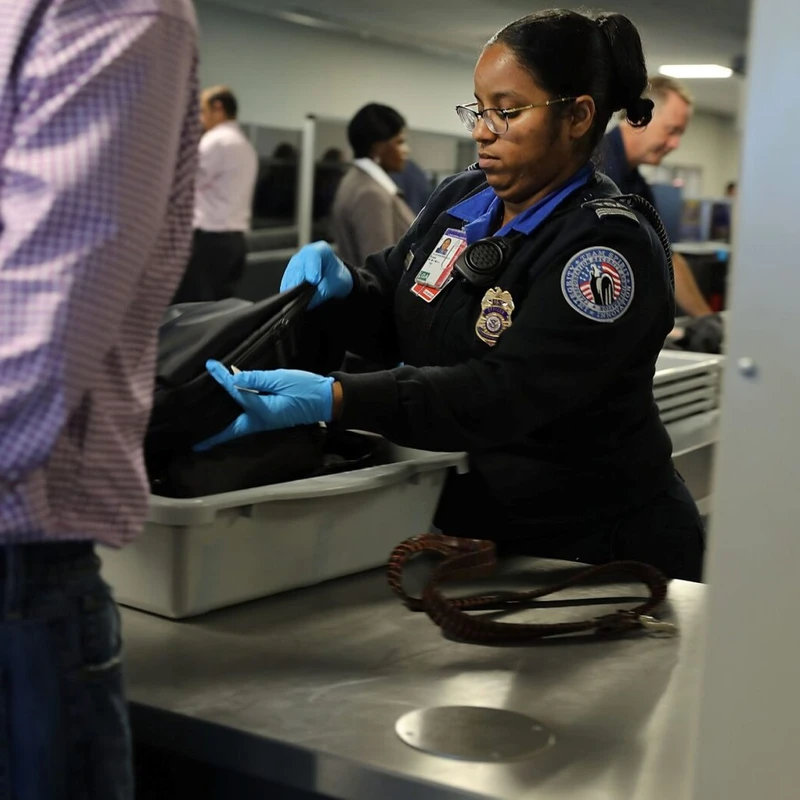
    Planning your next trip? You might notice some changes behind the scenes at airport security checkpoints. The Transportation Security Administration (TSA) has rolled out a new program called TSA Gold+, which allows airports to utilize a public-private partnership for passenger screening. But what does this really mean for you, the traveler?

    What is TSA Gold+?

    TSA Gold+ is essentially an option for airports to adopt a public-private screening model. This means private companies could play a larger role in screening passengers and baggage, while the TSA continues to set federal security standards and oversee the process. Think of it as an expansion of the TSA’s existing Screening Partnership Program.

    The program is voluntary for airports and aims to help them modernize their security, adopt new technologies more quickly, and maintain smoother operations, even during federal funding disruptions. It’s important to note that TSA Gold+ is separate from traveler programs like TSA PreCheck, CLEAR, or Global Entry, and it’s not a paid fast-pass for passengers.

    No Changes for Passengers (Yet!)

    The good news for travelers is that TSA Gold+ doesn’t change the rules at the security checkpoint. You’ll still need your valid ID, must adhere to TSA’s carry-on baggage regulations, and can only use TSA PreCheck lanes if you’re enrolled in the program. The way you navigate security remains the same.

    This initiative could lead to airports adopting more advanced screening technology and potentially offer more staffing flexibility, especially during government shutdowns. For instance, airports like San Francisco International, which already uses private screening, saw more stable security lines during a past shutdown compared to federally staffed airports.

    Flexibility and Concerns

    The TSA presents TSA Gold+ as a way to enhance efficiency and resilience in airport security. However, the program has raised concerns among labor leaders and privatization opponents regarding accountability, transparency, worker pay, and the private sector’s control over sensitive security technology.

    For now, travelers don’t need to do anything differently. While TSA Gold+ might influence who operates certain checkpoints in the future, it doesn’t alter your responsibilities or the procedures you follow at airport security today. If you’re enrolled in TSA PreCheck, continue to use those lanes as usual.

    Are you concerned or excited about the increased role of private companies in airport security? Let us know your thoughts on TSA Gold+ in the comments below!

  • Europe’s ‘One Ticket’ Plan for Easier Train Travel

    Dreaming of hopping on a train and exploring Europe without the booking headaches? Get ready, because the European Commission (EC) has just unveiled a proposal that could completely transform cross-border train travel within the EU. If adopted, this initiative aims to bring you a ‘one journey, one ticket’ experience, making your European adventures smoother than ever.

    The ‘One Journey, One Ticket’ Vision

    The EC’s proposal focuses on simplifying the entire process of finding, booking, and paying for train journeys that span multiple countries and potentially involve different rail operators. Imagine searching for your entire trip, seeing clear and fair pricing options, and completing the booking with a single transaction – all from one place.

    This new system would consolidate all legs of your journey, including rides from various operators like Eurostar, Deutsche Bahn, and Trenitalia, under a single booking. The goal is to eliminate the current frustrations of missed connections, confusing booking processes, and overlooked passenger rights that often plague European train travel.

    Ensuring Passenger Rights Across Borders

    Beyond just simplifying bookings, a key component of this proposal is ensuring consistent passenger rights and protections throughout the entire journey. This means that whether you’re traveling through France, Germany, or Italy, your rights regarding assistance, reimbursement, or compensation for disruptions would remain intact under that single booking.

    European Commissioner for Sustainable Transport and Tourism, Apostolos Tzitzikostas, emphasized the aim to make travel across all 27 EU Member States ‘simpler, smarter and more passenger-friendly.’ With integrated digital tools, Europeans could plan, compare, and purchase multimodal journeys seamlessly, benefiting from greater transparency and protection.

    What Needs to Happen for Approval?

    For this ambitious plan to become a reality, rail operators will need to embrace a new level of collaboration. This includes sharing data and agreeing on industry-shifting models for pricing, liability, and operational cooperation. It’s a significant undertaking that requires buy-in from numerous stakeholders.

    The proposal now moves to the EU’s Parliament and Council for consideration. If approved, this revolutionary ‘one ticket’ system could be established before 2029, potentially reducing reliance on flights within the EU and making train travel a more attractive, less complicated option for everyone.

    What do you think about Europe’s ‘one journey, one ticket’ proposal? Would this make you more likely to travel by train across the continent? Share your thoughts in the comments below!

  • East Africa Travel Advisory: What You Need to Know About Ebola

    If you have an East Africa trip on the horizon, it’s crucial to stay informed about the latest health advisories, particularly concerning the Bundibugyo orthoebolavirus outbreaks. While the region offers incredible travel experiences, understanding potential risks and taking necessary precautions is paramount for a safe journey.

    Understanding the Current Outbreaks

    As of May 2026, outbreaks of the Bundibugyo virus are active in parts of the Democratic Republic of Congo (DRC) and Uganda. The World Health Organization (WHO) has declared the situation a “public health emergency of international concern.” Specifically, the CDC has identified Ituri, Nord-Kivu, and Sud-Kivu provinces in the DRC as “Level 3” travel zones, advising reconsideration of nonessential travel. Uganda is also facing significant outbreaks.

    The United States has issued “Level 4 – Do Not Travel” advisories for Uganda, the DRC, and South Sudan. These advisories are based on credible health and safety information and should be taken very seriously. Rwanda, bordering affected areas in the DRC, is designated as a “Level 3 – Reconsider Travel” zone, with areas within 6.2 miles of its border with the DRC flagged as “Level 4 – Do Not Travel” due to ongoing unrest.

    What Travelers Need to Know

    It’s essential to consult primary resources like the CDC, WHO, and local health organizations before and during your trip. Stay updated on travel advisories from your airline, accommodation providers, and tour operators, as these can significantly influence decisions about canceling or modifying travel plans. If you develop symptoms or believe you may have been exposed, know the recommended protocols for isolation and seeking medical attention.

    For U.S. citizens returning from affected areas (DRC, Uganda, South Sudan), enhanced health screenings are in place at select airports, including Washington-Dulles (IAD), Hartsfield-Jackson Atlanta (ATL), and George Bush Intercontinental (IAH). These screenings may include temperature checks and symptom monitoring.

    Travel Insurance is Key

    Given the current health situation, securing comprehensive travel insurance is highly recommended for trips to affected countries. Consult with a provider early in your planning stages. Ensure your policy covers potential travel delays or cancellations, medical treatment, emergency evacuations, and consider a “cancel for any reason” clause if available. Understanding the specifics of your coverage is vital to avoid unexpected gaps.

    While the threat to the general public in the U.S. remains low, with no reported domestic cases linked to these outbreaks, vigilance and preparedness are crucial for anyone traveling to or returning from the affected regions. Many countries in East Africa, such as Ethiopia, Tanzania, and Kenya, currently have no reported Ebola cases, but staying informed about the latest updates is always advised.

    Are you planning a trip to East Africa? Have you considered travel insurance in light of recent health advisories? Share your thoughts and tips for safe travel in the comments below!

  • San Antonio Defies Texas Ban on Pride Crosswalks

    In a bold move to protect its LGBTQIA+ community, San Antonio has found a clever way to navigate Texas’s recent directive against political symbols on public roads. When Governor Greg Abbott ordered cities to remove any “political messaging or ideology” from streets, threatening funding for non-compliance, San Antonio leaders refused to let representation be erased.

    A Strategic Sidewalk Solution

    Since 2018, the rainbow flag has graced the crosswalks within San Antonio’s Pride Cultural District, serving as a meaningful symbol of diversity and inclusivity since its creation by Gilbert Baker in 1978. However, Governor Abbott’s directive, echoed by Transportation Secretary Sean Duffy’s statement that “Taxpayers expect their dollars to fund safe streets, not rainbow crosswalks,” put these vibrant displays at risk.

    Instead of removing the symbols entirely, San Antonio’s community leaders made a strategic pivot. They carefully removed the rainbow Pride flags from the crosswalks and relocated them to the sidewalks. This simple yet impactful change ensures that the colorful symbol of the LGBTQIA+ community remains visible, demonstrating a powerful refusal to have their representation diminished.

    Cities Standing Strong for LGBTQIA+ Rights

    San Antonio isn’t alone in its efforts to champion LGBTQIA+ communities. Across the United States, many cities are actively working to create spaces where the community feels represented and can live authentically, even amidst challenges to LGBTQIA+ rights nationwide.

    Major cities like San Francisco, Los Angeles, Seattle, Portland, Boston, New York City, Washington, D.C., and Chicago are known for their significant LGBTQIA+ populations. These cities, along with countless others that host Pride events, embody the principles of freedom, inclusivity, safety, celebration, and remembrance.

    Refusing to Be Invisible

    Despite federal and local pressures, the ongoing presence of LGBTQIA+ events, gathering spots, and now, even designated sidewalks, tells a powerful story. It’s a narrative of a community that is resilient, vibrant, and absolutely refuses to be rendered invisible. San Antonio’s creative solution is a shining example of this enduring spirit.

    What do you think of San Antonio’s approach to preserving LGBTQIA+ visibility? Share your thoughts on this creative solution in the comments below!

  • America’s Most Unfaithful Cities Revealed

    When you travel, do you stick to the itinerary, or do you sometimes find yourself exploring… unexpected detours? A recent study dives into the less-talked-about side of travel and modern dating, ranking U.S. cities based on their potential for infidelity. It turns out, some cities might be more conducive to a “vacation fling” or a “sneaky link” than others.

    Ranking Temptation: The Methodology

    Researchers at DuelBits analyzed data from 100 of the most populated U.S. cities to create an “infidelity index.” They looked at factors like divorce rates, the number of catfishing victims, and search trends for affair-related websites and hidden messenger apps. The goal wasn’t to judge, but to understand how certain urban environments might be linked to temptation and escape.

    The study suggests that elements like vibrant nightlife, a strong hotel culture, active dating app scenes, and the general anonymity of being in a new place can contribute to a sense of fewer social consequences. This can lead people to behave differently than they might in their hometowns.

    The Top Cities for Temptation

    Unsurprisingly, Las Vegas topped the list with a score of 9.60 out of 10. It boasts the highest divorce rate (11.27%), the most catfishing victims (11.2 per 100,000 monthly), and a staggering 3,004 monthly searches for affair websites per 100,000 people. Its reputation as a playground for casinos, resorts, and late-night entertainment clearly aligns with its ranking.

    Miami came in second (8.54/10), known for its beaches, luxury hotels, and vibrant nightlife, which can foster an environment where “dating, flirtation, and privacy feel easier.” Portland, Oregon, surprisingly secured third place (7.03/10), indicating that infidelity-related behaviors aren’t limited to obvious party destinations but can also be found in cities with active dating scenes and creative communities.

    Atlanta’s Digital Dating Scene

    While not in the top three, Atlanta ranked 10th overall but stood out for its search behavior. Atlantans made the highest number of monthly searches for affair-related websites (5,049 per 100,000 people), with Ashley Madison being the most popular. Although its divorce and catfishing rates were closer to the national average, the high search volume highlights a significant digital engagement with infidelity-related content.

    A spokesperson for DuelBits noted that online platforms can create a “sense of anonymity and detachment from real-world consequences,” potentially encouraging deceptive behavior. They emphasized that infidelity isn’t always physical, encompassing secret online relationships and catfishing as growing aspects of modern dating.

    • Las Vegas, Nevada (9.60/10)
    • Miami, Florida (8.54/10)
    • Portland, Oregon (7.03/10)
    • Seattle, Washington
    • Denver, Colorado
    • Albuquerque, New Mexico
    • Jacksonville, Florida
    • Phoenix, Arizona
    • Tucson, Arizona
    • Atlanta, Georgia

    Interestingly, New York City was ranked the most faithful city, with the lowest divorce rate (7.28%), followed by Chicago and Arlington, Texas. These cities showed below-average figures across the board for the studied cheating-related factors.

    Did your city make the list? What do you think contributes to infidelity in certain urban areas? Share your thoughts and experiences in the comments below!

  • Boston Logan Opens Unique Remote TSA Terminal

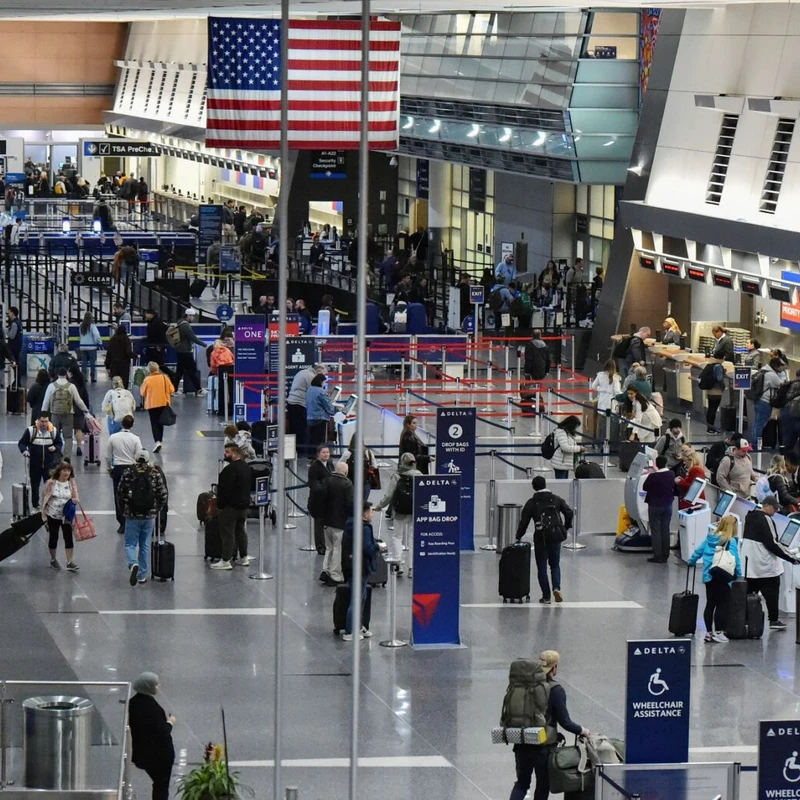
    Tired of long lines at the airport? Boston Logan International Airport might have just rolled out a game-changing solution for travelers in the MetroWest region. Starting June 1, a brand-new remote terminal is opening its doors about 20 miles away in Framingham, offering a unique way to bypass the usual airport hustle.

    A New Way to Navigate Security

    Imagine clearing airport security without ever setting foot in the main airport terminal. That’s the promise of this innovative pilot program. Travelers heading to Boston Logan can now complete their TSA screening at the Framingham location. Once cleared, they’ll board a bus that takes them directly to the main airport, bypassing the security checkpoint entirely.

    Davey from the Massachusetts Port Authority (Massport) highlighted the program’s goal: “reimagine the travel experience and make the passenger journey more seamless, connected, and efficient.” For those living or traveling through the MetroWest area, this offers a potentially less stressful and more convenient path to catching their flight.

    How the Remote Terminal Works

    This first-of-its-kind initiative is currently a pilot program, and there are a few key details to keep in mind. Passengers using the remote terminal will need to pay a $9 fare for the bus transfer to Boston Logan. Currently, the service is available only for travelers flying with Delta Air Lines and JetBlue Airways between 5:30 a.m. and 4 p.m.

    Reservations can be made on Massport’s dedicated website between 90 days and 90 minutes before departure. It’s recommended to book early, as bus seating is limited. Passengers should aim for a bus arrival at the airport at least 45 minutes before their flight departs. Massport hopes to expand the service to other airlines in the future.

    Convenience and Added Perks

    The convenience extends beyond just skipping the security line. Travelers can check in for their flights and drop off luggage at the Framingham terminal before heading through TSA. For those driving, the terminal offers a 400-car parking area with a daily rate of $7. Round trip options are also available, with a return bus ride from the airport back to the remote terminal for an additional $9.

    Children under a certain age can travel for free with an adult, making it a potentially cost-effective option for families. This new remote terminal initiative by Massport represents a forward-thinking approach to improving the airport experience, aiming to reduce stress and increase efficiency for travelers.

    Would you use a remote TSA terminal to streamline your airport experience? What are your thoughts on this new travel hack? Share your opinions in the comments below!

  • Summer Travel 2026: Why a Backup Plan is Key

    Dreaming of that perfect summer getaway? This year, making those dreams a reality might require a little extra foresight. From rising costs to unpredictable weather, planning a summer trip in 2026 is shaping up to be a bit more complex. The smartest travelers are realizing that a solid Plan B isn’t just a good idea—it’s practically essential.

    Navigating the Challenges of Summer Travel

    Several factors are making summer travel more demanding. Analysis shows domestic flight fares are up about 15% compared to last year, with international fares seeing a 12% increase. Airlines are grappling with higher fuel costs and limited capacity, while demand remains robust, keeping prices elevated. This financial pressure means fewer Americans are planning extended trips, with a Deloitte survey indicating the lowest share of travelers planning to stay in paid lodging in six years.

    Beyond the cost, travelers face fuller flights and stricter entry requirements in some destinations. Adding to the complexity is the potential for weather disruptions. Forecasters are predicting a return of El Niño conditions, which, combined with expected above-normal temperatures across most regions, could impact travel plans. Destinations already strained by tourism pressure are also becoming less appealing due to overwhelmed infrastructure and local frustration.

    Building a Financial Safety Net

    The first step in building a resilient travel plan is securing a financial safety net. Prioritize refundable hotel rates, especially for the first and last nights of your trip. As NerdWallet points out, fully refundable bookings reduce the value of trip cancellation insurance because you already have a way to recoup costs if plans go awry due to delays or weather.

    If non-refundable rates are more budget-friendly, consider a flexible cancellation upgrade. Allianz Travel Insurance offers a “Cancel Anytime” upgrade that can reimburse up to 80% of non-refundable costs, allowing cancellation up to the day of departure. For frequent travelers, annual multi-trip policies can be cost-effective, but it’s crucial to compare coverage, medical benefits, and exclusions. Premium credit cards can offer a secondary layer of trip interruption protection, but often have benefit caps and exclusions.

    Rethinking Your Airport and Destination Choices

    Don’t overlook the power of alternative airports. Flying into secondary airports, like Milan instead of Rome or Brussels instead of Amsterdam, can significantly cut costs while still providing easy access to your desired region via rail. While major hubs offer convenience, they aren’t always the cheapest or simplest option during peak season.

    Consider cities like Madrid, Barcelona, or Rome as entry points into Europe, then utilize train travel to reach other destinations. Similarly, for trips to Japan, comparing fares into Tokyo and Osaka and using the country’s efficient rail network can offer flexibility. For long-haul travel, hubs like Istanbul Airport provide valuable routing options, especially if airspace volatility affects connections in other regions.

    Discovering Your ‘Second Choice’ Destination

    Beloved destinations like Santorini, the Amalfi Coast, and Dubrovnik are often overcrowded during peak season. Fodor’s 2026 “No List” highlights places feeling the strain of over-tourism. Instead of abandoning popular regions entirely, consider exploring less crowded alternatives that offer similar appeal. For instance, Albania presents stunning Adriatic and Ionian coastlines, mountain towns, and a growing hotel scene, often at a lower price point than its neighbors.

    Ultimately, a smart travel strategy for summer 2026 involves building flexibility into every aspect of your plan. From refundable bookings and alternative airports to travel insurance and backup destinations, being prepared can turn potential travel disasters into manageable detours. The best summer trip might just be the one that’s ready for anything.

    What’s your top tip for flexible summer travel planning? Share your advice in the comments below!

  • TSA’s Marijuana Rules: What You Need to Know

    Planning a trip and wondering about bringing your medical marijuana with you? The TSA has recently updated its guidelines, but it’s crucial to understand that federal laws still play a significant role. While the TSA’s primary focus is aviation security, navigating the complexities of cannabis laws requires careful planning.

    What the TSA Says About Medical Marijuana

    The TSA’s latest information, updated in late April, clarifies that travelers can fly with medically prescribed marijuana under specific conditions. Importantly, TSA officers are tasked with identifying potential threats to aviation, not actively searching for illegal drugs. However, if any illegal substance or evidence of criminal activity is discovered during screening, the matter will be referred to law enforcement.

    The final decision on whether an item can pass through the checkpoint rests with the individual TSA officer. This update comes after a shift in how state-licensed medical marijuana is classified, moving from a Schedule 1 substance (high abuse potential, no accepted medical use) to Schedule 3 (moderate to low dependence potential).

    Key Changes and What’s Missing

    A notable change in the TSA’s guidance is the removal of a previous statement. This deleted paragraph explicitly stated that marijuana, including some CBD products, remained illegal under federal law unless it contained no more than 0.3% THC or was FDA-approved. Previously, TSA officers were required to report suspected violations.

    Crucial Considerations for Travelers

    Before you even think about packing cannabis, it’s absolutely essential to research the laws of both your departure and arrival locations. Laws vary significantly by state and country, and even with a doctor’s recommendation, many jurisdictions still consider cannabis contraband. Being caught with marijuana abroad can lead to serious legal consequences, including detention and facing that country’s justice system.

    For domestic travel, remember that recreational marijuana remains illegal at the federal level, despite varying state laws. International travel with cannabis is particularly risky. Always prioritize understanding and adhering to all applicable laws to avoid unexpected trouble at the airport.

    Are you planning to travel with cannabis products? What steps do you take to ensure you’re compliant with all laws? Share your tips and experiences in the comments below!