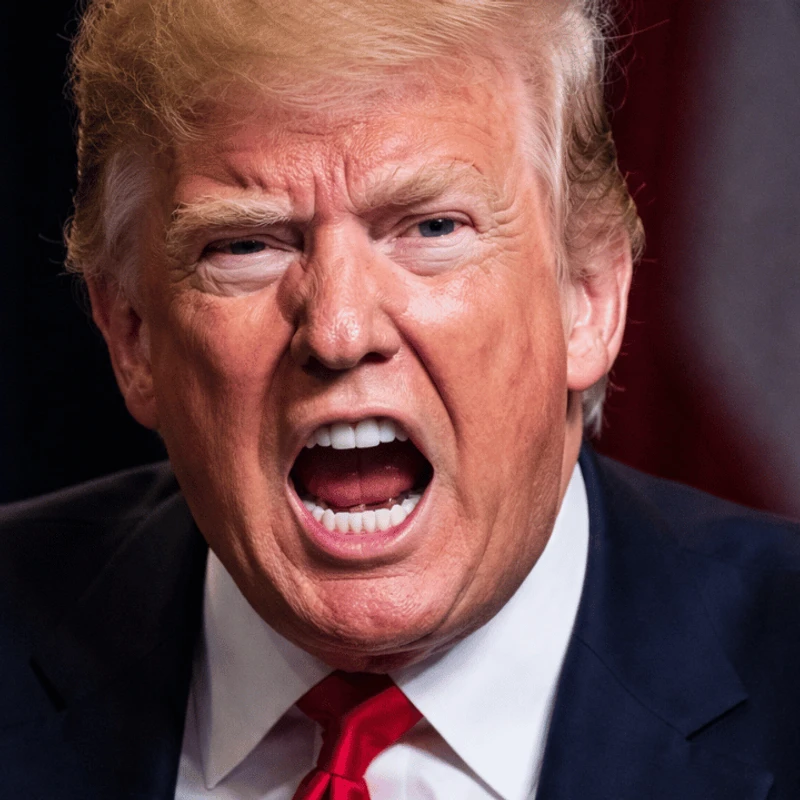
A new proposed non-disclosure agreement (NDA) from the Trump administration is sending ripples of concern through government circles. Critics, including legal experts and transparency advocates, argue that the plan could significantly stifle free speech and discourage federal employees from reporting misconduct or speaking out on matters of public interest.
Concerns Over Confidentiality and Penalties
The Office of Personnel Management (OPM) has released draft language that would allow agencies to require federal workers to sign NDAs. These agreements aim to restrict the unauthorized disclosure of sensitive information. What’s particularly worrying for critics is the inclusion of potential civil and criminal penalties for violations, which could even extend to former employees speaking publicly after leaving their government roles.
While supporters within the administration, like OPM Director Scott Kupor, argue that federal standards should align with private-sector confidentiality practices, many disagree. They emphasize that public accountability is paramount in government service, a fundamental difference from corporate employment.
The Chilling Effect on Whistleblowers
Press freedom groups and constitutional scholars are sounding the alarm about a potential “chilling effect” within federal agencies. The broad language used in the proposed NDAs could intimidate employees, making them hesitant to report abuse of power or misconduct for fear of retaliation, lawsuits, or criminal charges. This concern extends beyond classified information, as vague definitions of “confidential” material could discourage employees from speaking with journalists or watchdog groups, even when vital public interest is at stake.
This isn’t the first time Trump’s use of NDAs has drawn scrutiny. During his previous administration, similar sweeping confidentiality agreements for White House aides and campaign staffers were criticized for applying private-sector tactics to public government operations, raising questions about transparency and accountability. Experts have argued that the government, unlike a private corporation, cannot operate with the same level of secrecy because its employees serve the American public.
A History of NDA Controversies
Legal analyses, such as one from NYU’s Journal of Legislation and Public Policy, have previously deemed Trump-era NDAs used within the White House as potentially “unconstitutional” due to restrictions on speech related to public concerns. The current proposal seems to echo these past controversies, reigniting debates about the balance between government confidentiality and the public’s right to information.
What are your thoughts on the proposed federal NDA? Do you believe it could hinder transparency and accountability? Share your views in the comments below!
Leave a Reply