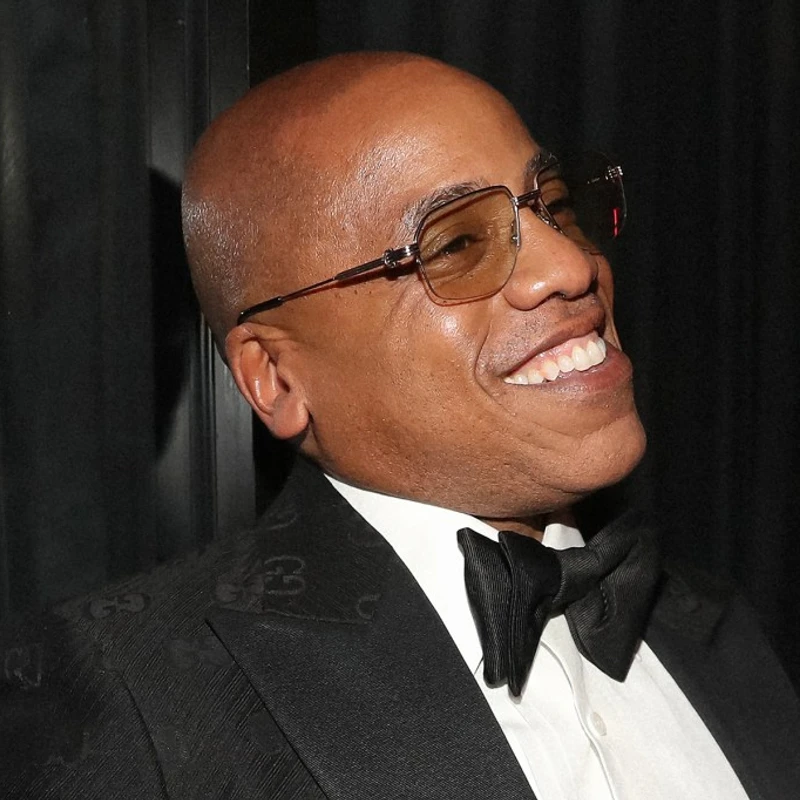
The debate surrounding neo-soul, a genre that redefined R&B in the late ’90s, has resurfaced, and its architect, Kedar Massenburg, is ready to set the record straight. Massenburg, the executive who launched the careers of D’Angelo and Erykah Badu, is pushing back against the notion that neo-soul was merely a commercial gimmick.
Neo-Soul: A Movement, Not a Marketing Scheme
Massenburg emphatically states, “This ain’t no marketing bullshit. This was a movement.” His assertion comes after R&B artist Raphael Saadiq suggested in a recent interview that the term “neo-soul” was created by executives to segment Black music and limit artists’ marketability. Massenburg vehemently rejects this, arguing the term originated from a cultural perspective, not corporate strategy.
“First of all, let’s be real clear,” Massenburg explains. “I wasn’t an executive when I created the term in 1995. I was a manager. It wasn’t created by an executive. It was created by a visionary from a cultural background.”
Culture, Consciousness, and Imagery
For Massenburg, neo-soul was fundamentally about identity and message. The music carried a spiritual and cultural weight that distinguished it from mainstream R&B of the time. He points to the deliberate visual aesthetics of artists like Erykah Badu (headwraps, Afrocentric styling), D’Angelo (cornrows, vintage soul vibe), and India.Arie (natural beauty, introspective lyrics) as integral to the movement’s presentation.
“It was about the imagery and the message in the music,” he says. “It was about putting pride back into us.” Massenburg emphasizes that the movement was deeply rooted in Black consciousness, spirituality, and history, citing lyrical references and the intentional avoidance of hypersexualized imagery common in late ’90s music videos.
From Management to Motown
Massenburg’s journey began long before he headed Motown Records. He had already established himself as a tastemaker, managing influential hip-hop acts like Stetsasonic and Freestyle Fellowship. Raised in a family connected to African-centered traditions and Islamic teachings, he brought a deep sense of intentionality to his work.
This intentionality guided the development of artists like D’Angelo, whose image was crafted to evoke classic soul icons like Marvin Gaye while remaining distinctly modern. Massenburg recalls sequencing albums, shaping visuals, and developing marketing strategies, viewing his role as encompassing the entire artistic direction of projects.
A New Venture in Spirits
While Massenburg remains proud of his musical legacy, he finds the modern music industry less creatively fulfilling, lamenting the loss of “artist development” and artists who “stand for something.” He has since channeled his entrepreneurial spirit into the spirits industry. Through Massenburg Celebrity Beverages, he’s developing a portfolio including a wine venture with Patti LaBelle and proprietary liquor brands, including dessert-inspired cream liqueurs designed with people of color in mind.
Despite the ongoing debates about the term “neo-soul,” Massenburg remains steadfast in his definition: “Neo means new. New soul music, reminiscent of our ancestors.” His work continues to influence contemporary R&B artists, proving the lasting impact of the movement he helped create.
What does neo-soul mean to you? Do you agree with Kedar Massenburg’s perspective? Share your thoughts in the comments below!
Leave a Reply