Category: Media and Entertainment Industry

  • Taylor Polidore Williams on ‘HPV’ Film

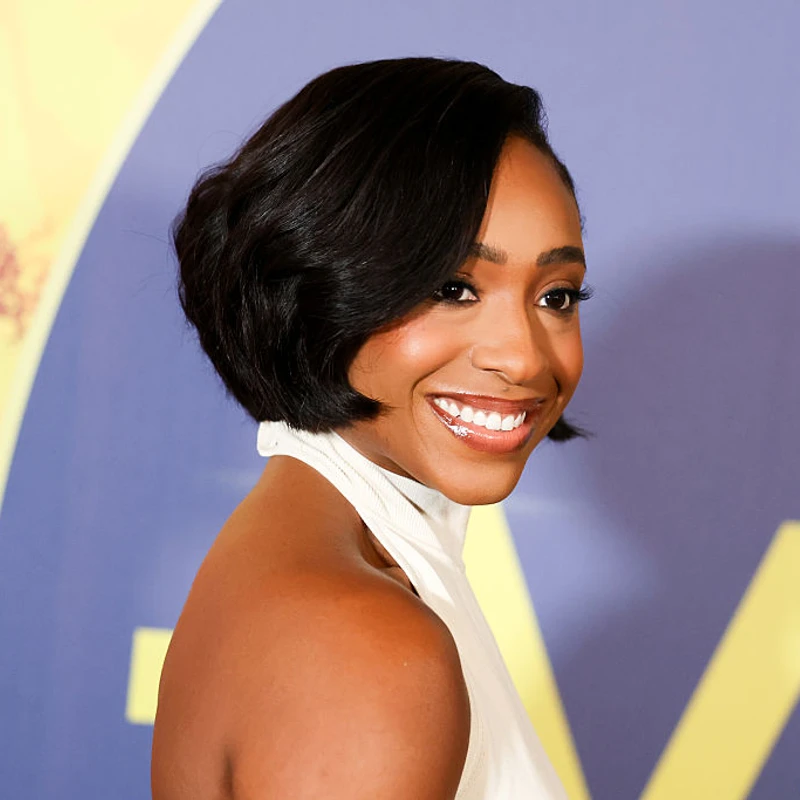
    Get ready for a film that’s not just entertainment, but a vital conversation starter. Taylor Polidore Williams is starring in the independent short film ‘HPV: Her Pretty Vagina,’ and she believes this project is bigger than cinema itself. It tackles crucial issues like HPV, endometriosis, and the frustrating healthcare barriers many Black women face.

    A Film That Demands Discussion

    Set to premiere at the 2026 American Black Film Festival, ‘HPV’ follows Kaleigh, a young Black woman navigating a challenging health journey. The film, written, directed, and executive produced by Kiah Clingman, bravely brings to the screen conversations that often happen behind closed doors.

    In an exclusive chat, Taylor shared how deeply personal this project felt. She explained that the provocative title is designed to spark curiosity and challenge comfort zones, but the film’s ultimate goal is to offer representation and make viewers feel truly ‘seen.’

    Personal Connections and Necessary Conversations

    Taylor’s connection to the story is profound, largely due to her mother’s lifelong battle with endometriosis. She witnessed firsthand how often women’s pain is dismissed or minimized, with phrases like “it’s just the time of the month” being used to invalidate their experiences. This resonated deeply with her, especially when considering the stigma surrounding HPV and sexual health.

    She highlighted that while many women deal with these issues in silence due to the stigma around STIs, open conversations reveal how common these experiences are. Taylor emphasized the critical need for these discussions, particularly among young Black individuals.

    The Power of the Title and Representation

    Surprisingly, Taylor wasn’t phased by the film’s bold title. Growing up surrounded by strong Black women, she never shied away from discussions about bodies or femininity. For her, ‘vagina’ is simply an anatomical term, like any other body part. She acknowledged the title might be controversial but believes watching the film will initiate the necessary dialogue.

    Her role as Kaleigh became even more meaningful when she discovered she’d never heard of a colposcopy before filming. Sharing this with friends revealed that many others had undergone the procedure in silence due to fear. Later, Taylor herself experienced a health scare requiring a colposcopy, reinforcing the film’s message about education and advocacy.

    Storytelling with Purpose

    While Taylor has enjoyed success in other projects, she finds a unique sense of fulfillment in roles that address real-world issues. She felt a sense of duty to tell this story, knowing it was a necessary conversation. For her, true success would be a viewer feeling recognized and saying, “I feel seen.”

    ‘HPV: Her Pretty Vagina’ stands as a powerful reminder that the most impactful stories are often those brave enough to spark overdue conversations.

    What are your thoughts on the film’s title and its important message? Share your perspective in the comments below!
  • Sherri Shepherd Wraps Talk Show After 4 Seasons

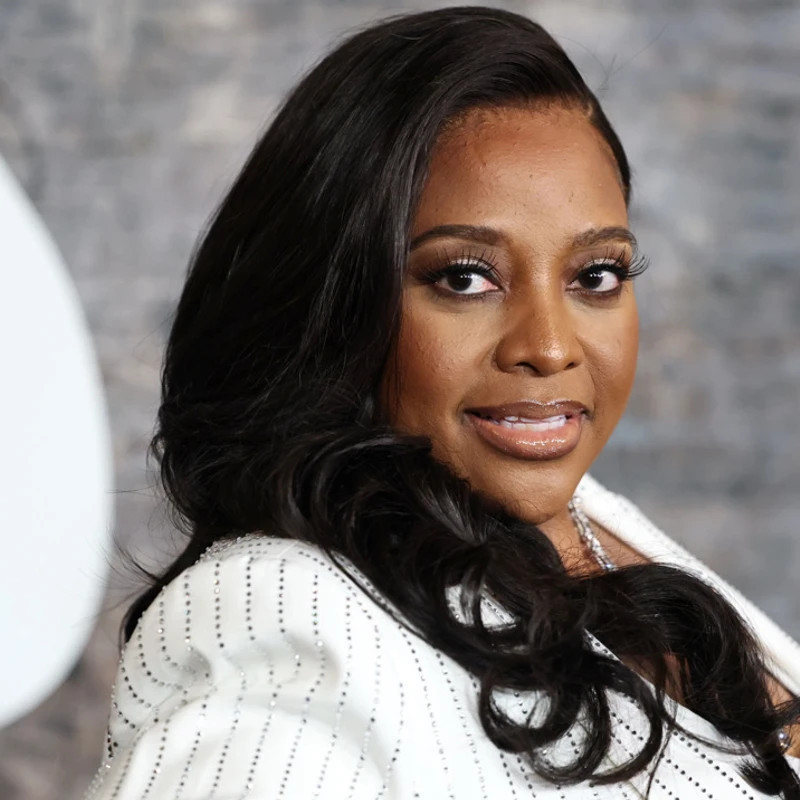
    It’s the end of an era for daytime television! Beloved actress and host Sherri Shepherd has officially closed the book on her hit talk show, ‘Sherri,’ after four incredibly successful seasons. The final episode aired this past Thursday, May 21, and it was a send-off truly fit for royalty.

    A Heartfelt Farewell

    The final show featured a touching appearance by Niecy Nash as the last guest, alongside surprise video tributes from industry heavyweights like Oprah Winfrey and Tyler Perry. It was a beautiful celebration of Shepherd’s journey and impact.

    Sherri herself took to Instagram on Friday morning to share her feelings with her fans, whom she affectionately calls her “Family.” She posted a heartfelt message expressing the bittersweet emotions of walking away from a life she’d built over the past four years. But in true Sherri fashion, she quickly pivoted to excitement, teasing “new beginnings” and playfully warning fans they’d be seeing even more of her soon!

    Navigating the Evolving Daytime Landscape

    The news of the show’s conclusion initially broke in February, causing a stir in the entertainment world. Shepherd stepped into a challenging time slot in 2022, taking over the legendary Wendy Williams Show’s previous spot. She didn’t just fill those shoes; she made the show her own, earning an NAACP Image Award and maintaining solid ratings.

    The studio, Debmar-Mercury, clarified that the decision wasn’t a reflection of Shepherd’s performance – she was reportedly doing exceptionally well. Instead, it was attributed to the “evolving daytime landscape,” signaling a shift in the television business. But even as the landscape changes, Sherri Shepherd’s star power is clearly on the rise.

    A Dream Fulfilled and Future Ahead

    During her final monologue, a visibly moved Shepherd thanked her “Sherriians” for allowing her to live out her childhood dream. She shared that the journey wasn’t always smooth sailing, admitting there were moments she considered quitting, but she persevered to create a daily space that felt like home for viewers.

    While the daytime show may be concluding, the producers are actively exploring “alternative platforms” to keep the ‘Sherri’ brand thriving. Add to that her upcoming Lifetime movie, ‘Angel in the Rubble,’ it’s clear that Sherri Shepherd is far from finished. We’re all eagerly waiting to see what she does next!

    What was your favorite moment from Sherri Shepherd’s talk show? Share your thoughts and well wishes for her future endeavors in the comments below!

  • Kedar Massenburg Defends Neo-Soul Movement

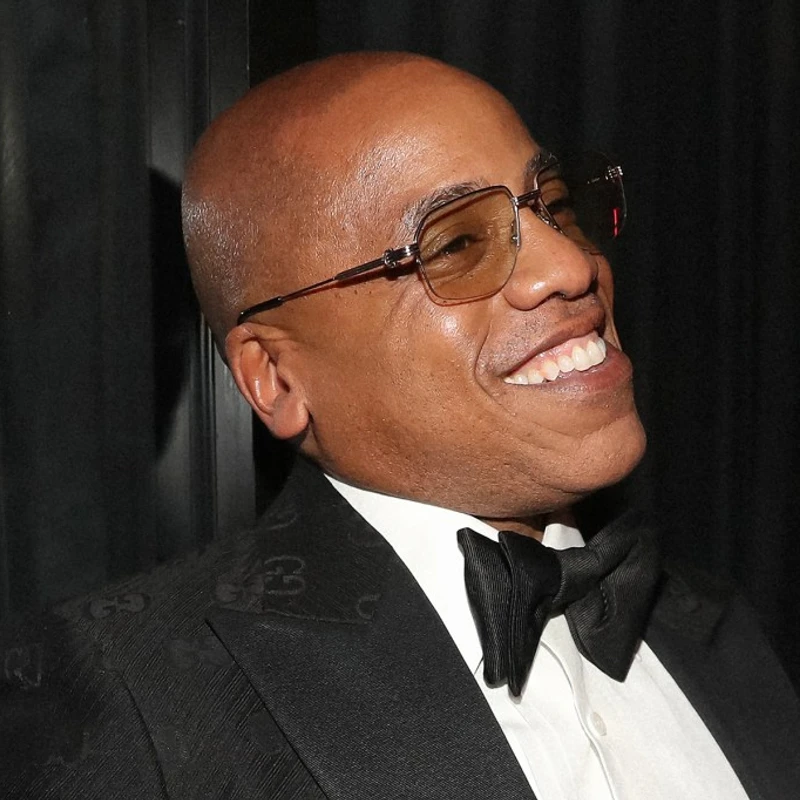
    The debate surrounding neo-soul, a genre that redefined R&B in the late ’90s, has resurfaced, and its architect, Kedar Massenburg, is ready to set the record straight. Massenburg, the executive who launched the careers of D’Angelo and Erykah Badu, is pushing back against the notion that neo-soul was merely a commercial gimmick.

    Neo-Soul: A Movement, Not a Marketing Scheme

    Massenburg emphatically states, “This ain’t no marketing bullshit. This was a movement.” His assertion comes after R&B artist Raphael Saadiq suggested in a recent interview that the term “neo-soul” was created by executives to segment Black music and limit artists’ marketability. Massenburg vehemently rejects this, arguing the term originated from a cultural perspective, not corporate strategy.

    “First of all, let’s be real clear,” Massenburg explains. “I wasn’t an executive when I created the term in 1995. I was a manager. It wasn’t created by an executive. It was created by a visionary from a cultural background.”

    Culture, Consciousness, and Imagery

    For Massenburg, neo-soul was fundamentally about identity and message. The music carried a spiritual and cultural weight that distinguished it from mainstream R&B of the time. He points to the deliberate visual aesthetics of artists like Erykah Badu (headwraps, Afrocentric styling), D’Angelo (cornrows, vintage soul vibe), and India.Arie (natural beauty, introspective lyrics) as integral to the movement’s presentation.

    “It was about the imagery and the message in the music,” he says. “It was about putting pride back into us.” Massenburg emphasizes that the movement was deeply rooted in Black consciousness, spirituality, and history, citing lyrical references and the intentional avoidance of hypersexualized imagery common in late ’90s music videos.

    From Management to Motown

    Massenburg’s journey began long before he headed Motown Records. He had already established himself as a tastemaker, managing influential hip-hop acts like Stetsasonic and Freestyle Fellowship. Raised in a family connected to African-centered traditions and Islamic teachings, he brought a deep sense of intentionality to his work.

    This intentionality guided the development of artists like D’Angelo, whose image was crafted to evoke classic soul icons like Marvin Gaye while remaining distinctly modern. Massenburg recalls sequencing albums, shaping visuals, and developing marketing strategies, viewing his role as encompassing the entire artistic direction of projects.

    A New Venture in Spirits

    While Massenburg remains proud of his musical legacy, he finds the modern music industry less creatively fulfilling, lamenting the loss of “artist development” and artists who “stand for something.” He has since channeled his entrepreneurial spirit into the spirits industry. Through Massenburg Celebrity Beverages, he’s developing a portfolio including a wine venture with Patti LaBelle and proprietary liquor brands, including dessert-inspired cream liqueurs designed with people of color in mind.

    Despite the ongoing debates about the term “neo-soul,” Massenburg remains steadfast in his definition: “Neo means new. New soul music, reminiscent of our ancestors.” His work continues to influence contemporary R&B artists, proving the lasting impact of the movement he helped create.

    What does neo-soul mean to you? Do you agree with Kedar Massenburg’s perspective? Share your thoughts in the comments below!