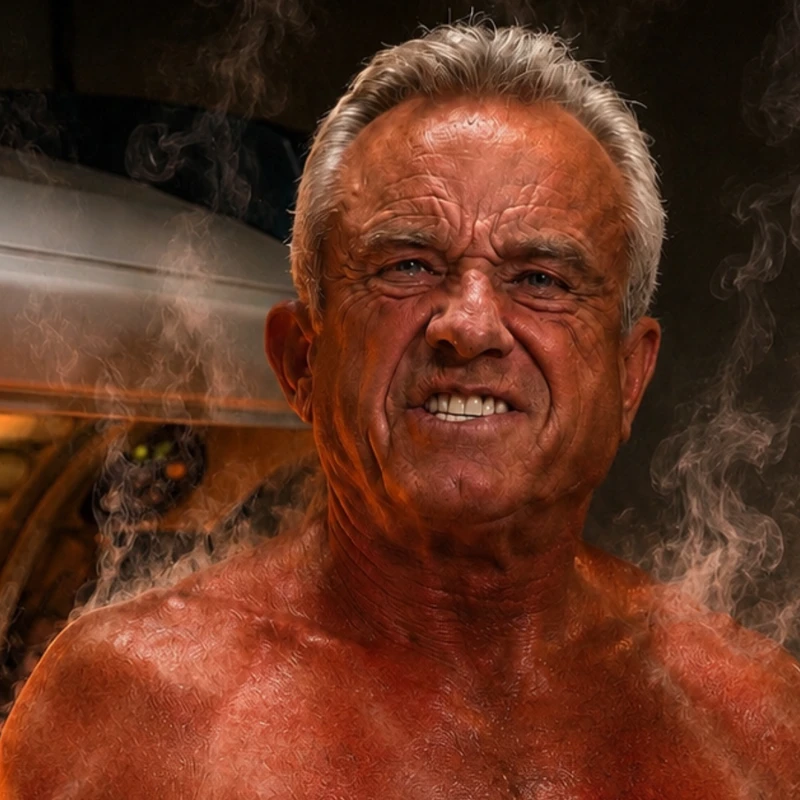
In a move that has raised serious concerns among health professionals, U.S. Health Secretary Robert F. Kennedy Jr. quietly withdrew a long-standing FDA proposal aimed at banning minors from using indoor tanning beds. This decision comes despite overwhelming warnings from doctors and cancer researchers about the significant health risks associated with artificial UV radiation.
Prioritizing Choice Over Safety?
Kennedy framed the withdrawal as a matter of personal choice and parental discretion. However, critics argue this stance disregards the well-documented dangers, particularly for teenagers. The proposed rule, which had been pending since 2015 and garnered over 9,000 public comments urging its finalization, would have restricted indoor tanning access for those under 18 and required adults to sign waivers acknowledging cancer risks.
The withdrawal notice itself included a notable clarification: pulling the rule does not negate the fact that UV radiation causes skin cancer. This phrasing suggests an awareness of the risks involved, making the decision to remove the federal protection even more perplexing. For context, tanning beds expose users to UV radiation at concentrations far exceeding that of the midday sun, and the World Health Organization classifies them as Group 1 carcinogens, alongside substances like tobacco and asbestos.
Ignoring Pressing Health Issues
Critics point out that while Kennedy is taking action on tanning beds, other critical public health issues remain unaddressed. These include the disproportionately high maternal mortality rates for Black women, the inconsistent federal response to measles outbreaks, and the impact of Medicaid cuts on healthcare access. The urgency applied to the tanning bed issue seems to contrast sharply with the attention given to these more pressing crises.
The decision also comes amid reports of Kennedy himself being photographed leaving a tanning salon, further fueling concerns about the administration’s commitment to science-based health policies. While nearly a dozen states already have bans on minors using tanning beds, the federal government’s retreat leaves a patchwork of protections across the country, potentially exposing teenagers in some areas to greater risks.
The Science on Tanning Beds and Melanoma
- Tanning beds emit UV radiation 5 to 15 times more concentrated than the midday sun.
- They are classified as Group 1 carcinogens by the World Health Organization.
- Using tanning beds before age 20 increases melanoma risk by nearly 50 percent.
- Frequent tanning salon users develop melanoma at more than double the rate of non-users.
The scientific consensus on the dangers of indoor tanning is clear and has been for years. By withdrawing the proposed ban, the administration appears to be sidelining established health guidance in favor of a less protective approach to adolescent health.
What are your thoughts on Robert F. Kennedy Jr.’s decision to withdraw the teen tanning bed ban? Do you believe it prioritizes choice over safety? Share your views in the comments below!
Leave a Reply