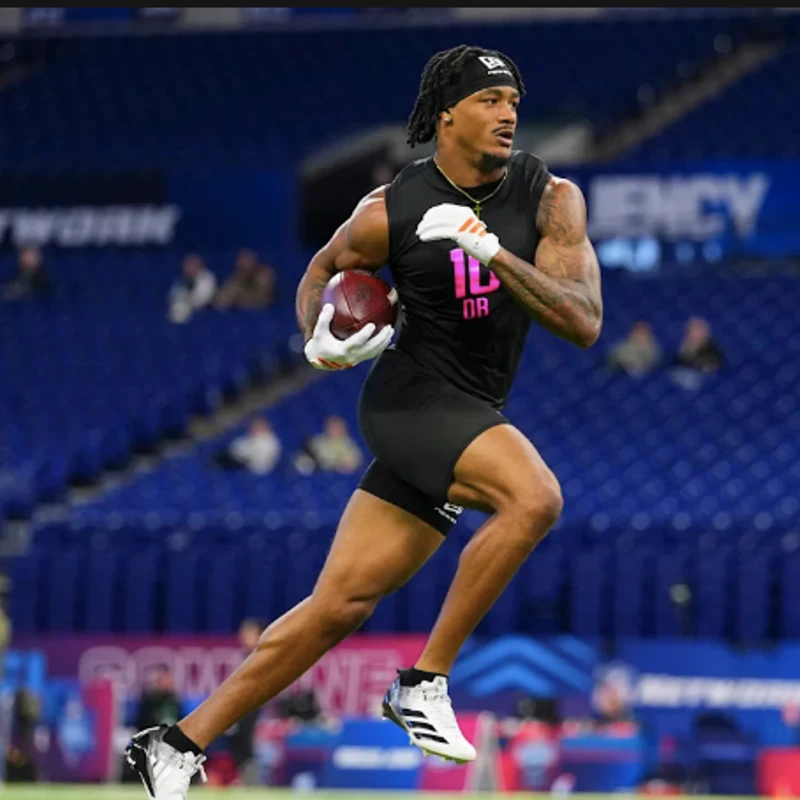
The 2026 NFL Draft brought moments of celebration for HBCU football, with two talented cornerbacks hearing their names called. Karon Prunty and Andre Fuller, both of whom had significant stints at HBCU programs, were selected by NFL teams. Their journeys to the league, however, also shed light on the evolving landscape of college football and the impact of the transfer portal.
HBCU Talent Finds NFL Homes
Karon Prunty, who played at North Carolina A&T before finishing his college career at Wake Forest, was selected by the New England Patriots in the fifth round (171st overall pick). Andre Fuller, who started his college journey at Arkansas-Pine Bluff and later transferred to Toledo, was chosen by the Seattle Seahawks in the seventh round (236th overall pick).
These selections demonstrate that HBCU programs continue to be crucial in identifying and developing talent that can compete at the professional level. Even though both players utilized the transfer portal, their foundational experiences and early development at Black college institutions played a vital role in their paths to the NFL.
Prunty’s Journey: From Aggies to Patriots
Karon Prunty’s path included a stop at North Carolina A&T, a program known for its strong football brand. After starting his college career at Kansas, his time in Greensboro provided a platform for growth. He ultimately finished strong at Wake Forest, earning All-ACC honors and significantly boosting his draft stock. His extensive college career, playing in 55 games with numerous starts, provided valuable experience that NFL teams covet.
Fuller’s Rise: From UAPB to Seahawks
Andre Fuller’s story began at Arkansas-Pine Bluff, where he was a standout defensive back, even leading the SWAC in passes defended during a key season. After transferring to Toledo, he continued to develop, earning first-team All-MAC honors despite missing a season due to injury. His selection by the Seahawks places him in a franchise known for valuing tough, competitive defensive backs.
The Transfer Portal’s Complicating Factor
The selections of Prunty and Fuller highlight a complex reality in HBCU football: while talent is being developed, many players finish their careers at FBS schools. This trend can sometimes obscure the contributions of HBCU programs in draft counts, as selections are often attributed solely to the player’s final college destination. This doesn’t diminish the role HBCUs played in their development, but it does complicate the narrative of direct HBCU-to-NFL pipelines.
The challenge for HBCUs is not just talent identification but also retention and providing the necessary resources—like scouting visibility, pro-day platforms, NIL support, and robust evaluation pipelines—to keep players and ensure their development is fully recognized by NFL evaluators.
A Stark Reality: No Direct HBCU Draft Picks in 2026
Adding to this complex picture is the fact that, according to reports, no player who finished their college careers at an HBCU was selected in the 2026 NFL Draft. This continues a concerning trend for fans who wish to see more direct representation from HBCU programs. While HBCUs have a storied history of producing NFL legends, the modern draft process’s emphasis on data, top-tier competition film, and extensive medical evaluations presents hurdles.
The success of players like Prunty and Fuller, who passed through HBCU programs, serves as proof that NFL-caliber talent is indeed being nurtured within Black college football. The next crucial step is ensuring these players can complete their collegiate journeys at HBCUs and still receive the same level of NFL attention and evaluation.
Crediting HBCU Development
It’s essential to credit North Carolina A&T and Arkansas-Pine Bluff for their roles in Prunty’s and Fuller’s development. These programs provided crucial early opportunities, coaching, and confidence-building experiences. The early exposure and playing time at HBCUs were instrumental in shaping their college careers and ultimately their NFL prospects.
While draft picks are a significant measure of success, they aren’t the only one. The development of players who go on to professional careers, regardless of their final college stop, speaks volumes about the quality of coaching and talent identification within HBCU football. Prunty and Fuller now embark on their NFL journeys, carrying with them the experiences gained throughout their college careers.
What are your thoughts on the impact of the transfer portal on HBCU football and NFL draft representation? Share your views in the comments below!
Leave a Reply