Category: HBCU Sports Achievements

  • Shaw Lady Bears Win 8th Straight CIAA Tennis Title

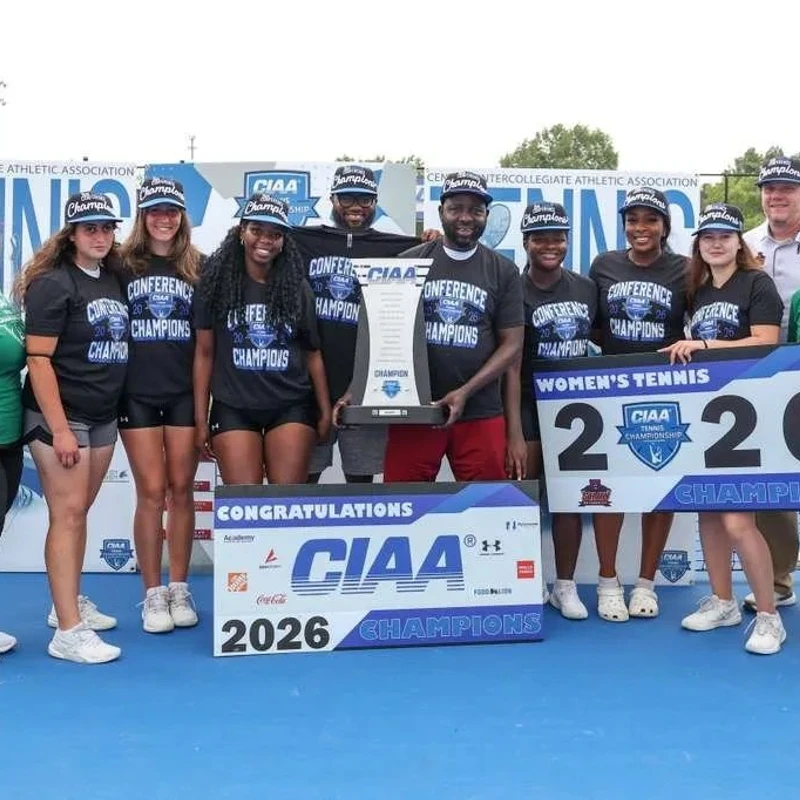
    History has been made in HBCU tennis! The Shaw University Lady Bears have done it again, securing their eighth consecutive CIAA Women’s Tennis Championship. This incredible streak solidifies their status as a dominant force and adds another glittering chapter to one of the most impressive championship runs in HBCU athletics.

    A Dominant Performance Seals the Title

    On Saturday, Shaw University faced off against Bluefield State University in the 2026 CIAA Women’s Tennis Championship final, held at Virginia State University. The Lady Bears emerged victorious with a 4-2 win, capping off an undefeated conference season. Their performance throughout the tournament demonstrated not just their skill, but their deep understanding of what it takes to win under pressure.

    Shaw entered the tournament as the clear team to beat, and they didn’t disappoint. They kicked off the competition with a decisive 4-0 quarterfinal victory over Virginia Union University, followed by another 4-0 sweep in the semifinals against host Virginia State University. This dominance set the stage for the final, where their depth and championship experience shone through.

    Doubles Point and Singles Strength

    The championship match was a hard-fought battle. Shaw secured a crucial early lead by winning the doubles point, with victories from Serena Teluwo and Camilla Angiani-Mortino at No. 1 doubles, and Allan Antonyan and Veronika Phillippova at No. 3 doubles. This fast start forced Bluefield State to play from behind.

    Bluefield State put up a strong fight in singles play, winning at No. 3 and No. 5 singles to tie the match. However, Shaw’s championship mettle kicked in. Serena Teluwo delivered a commanding win at No. 1 singles, Camilla Angiani-Mortino dominated at No. 2 singles, and Veronika Phillippova secured a flawless victory at No. 6 singles. These three singles wins were enough to clinch the title for the Lady Bears.

    Serena Teluwo: MVP Again

    Leading the charge for Shaw was Serena Teluwo, who was instrumental in the championship victory. She won at both No. 1 doubles and No. 1 singles in the final match. Her outstanding performance earned her the CIAA Tournament Most Valuable Player award for the second consecutive season. Teluwo also received the CIAA Women’s Tennis Player of the Year honor, highlighting her consistent excellence throughout the season.

    Coach Enitan’s Steady Leadership

    The sustained success of the Shaw women’s tennis program is also a testament to the leadership of head coach Sunday Enitan. Named CIAA Women’s Tennis Coach of the Year, Enitan has guided the Lady Bears to an undefeated conference season and another division championship. Building and maintaining a dynasty requires exceptional recruiting, player development, and consistent leadership, all of which Enitan has provided.

    The team’s success is a collective effort, with multiple players contributing across singles and doubles. This consistent performance across the roster is why Shaw continues to set the standard in CIAA women’s tennis.

    A Dynasty That Matters for HBCU Sports

    Shaw’s eight-year championship streak is more than just a statistic; it’s a powerful symbol for HBCU women’s sports, which often don’t receive the recognition they deserve. While football and basketball often dominate headlines, programs like Shaw’s women’s tennis team are building dynasties in real-time, showcasing excellence across all sports within HBCUs. This achievement adds to the rich legacy of the CIAA and inspires future generations of athletes.

    What do you think about Shaw University’s incredible eight-year championship streak? Share your thoughts on this historic achievement in the comments below!
  • HBCU Cornerbacks Drafted, Highlighting Transfer Portal Impact

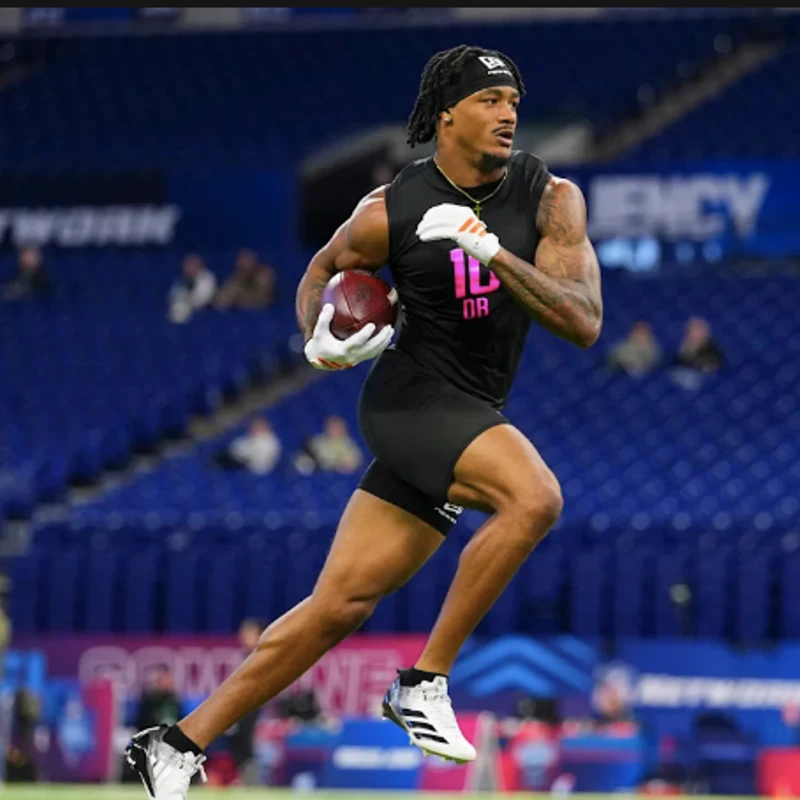
    The 2026 NFL Draft brought moments of celebration for HBCU football, with two talented cornerbacks hearing their names called. Karon Prunty and Andre Fuller, both of whom had significant stints at HBCU programs, were selected by NFL teams. Their journeys to the league, however, also shed light on the evolving landscape of college football and the impact of the transfer portal.

    HBCU Talent Finds NFL Homes

    Karon Prunty, who played at North Carolina A&T before finishing his college career at Wake Forest, was selected by the New England Patriots in the fifth round (171st overall pick). Andre Fuller, who started his college journey at Arkansas-Pine Bluff and later transferred to Toledo, was chosen by the Seattle Seahawks in the seventh round (236th overall pick).

    These selections demonstrate that HBCU programs continue to be crucial in identifying and developing talent that can compete at the professional level. Even though both players utilized the transfer portal, their foundational experiences and early development at Black college institutions played a vital role in their paths to the NFL.

    Prunty’s Journey: From Aggies to Patriots

    Karon Prunty’s path included a stop at North Carolina A&T, a program known for its strong football brand. After starting his college career at Kansas, his time in Greensboro provided a platform for growth. He ultimately finished strong at Wake Forest, earning All-ACC honors and significantly boosting his draft stock. His extensive college career, playing in 55 games with numerous starts, provided valuable experience that NFL teams covet.

    Fuller’s Rise: From UAPB to Seahawks

    Andre Fuller’s story began at Arkansas-Pine Bluff, where he was a standout defensive back, even leading the SWAC in passes defended during a key season. After transferring to Toledo, he continued to develop, earning first-team All-MAC honors despite missing a season due to injury. His selection by the Seahawks places him in a franchise known for valuing tough, competitive defensive backs.

    The Transfer Portal’s Complicating Factor

    The selections of Prunty and Fuller highlight a complex reality in HBCU football: while talent is being developed, many players finish their careers at FBS schools. This trend can sometimes obscure the contributions of HBCU programs in draft counts, as selections are often attributed solely to the player’s final college destination. This doesn’t diminish the role HBCUs played in their development, but it does complicate the narrative of direct HBCU-to-NFL pipelines.

    The challenge for HBCUs is not just talent identification but also retention and providing the necessary resources—like scouting visibility, pro-day platforms, NIL support, and robust evaluation pipelines—to keep players and ensure their development is fully recognized by NFL evaluators.

    A Stark Reality: No Direct HBCU Draft Picks in 2026

    Adding to this complex picture is the fact that, according to reports, no player who finished their college careers at an HBCU was selected in the 2026 NFL Draft. This continues a concerning trend for fans who wish to see more direct representation from HBCU programs. While HBCUs have a storied history of producing NFL legends, the modern draft process’s emphasis on data, top-tier competition film, and extensive medical evaluations presents hurdles.

    The success of players like Prunty and Fuller, who passed through HBCU programs, serves as proof that NFL-caliber talent is indeed being nurtured within Black college football. The next crucial step is ensuring these players can complete their collegiate journeys at HBCUs and still receive the same level of NFL attention and evaluation.

    Crediting HBCU Development

    It’s essential to credit North Carolina A&T and Arkansas-Pine Bluff for their roles in Prunty’s and Fuller’s development. These programs provided crucial early opportunities, coaching, and confidence-building experiences. The early exposure and playing time at HBCUs were instrumental in shaping their college careers and ultimately their NFL prospects.

    While draft picks are a significant measure of success, they aren’t the only one. The development of players who go on to professional careers, regardless of their final college stop, speaks volumes about the quality of coaching and talent identification within HBCU football. Prunty and Fuller now embark on their NFL journeys, carrying with them the experiences gained throughout their college careers.

    What are your thoughts on the impact of the transfer portal on HBCU football and NFL draft representation? Share your views in the comments below!

  • Southern University Wins Historic DII Esports Title

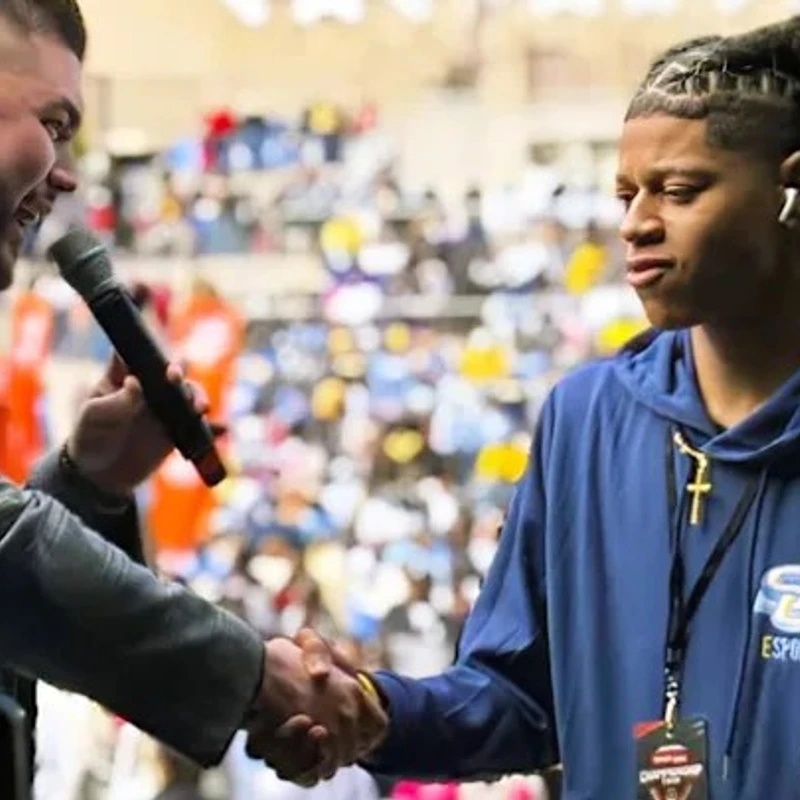
    This is a monumental moment for Southern University and the entire HBCU community! In a groundbreaking achievement, Southern University has become the first historically Black college or university to win a Division II national title in collegiate esports. This historic victory in the Eastern College Athletic Conference (ECAC) EA Sports College Football National Championship puts Southern’s esports program firmly in the national spotlight.

    A Championship Moment for HBCU Gaming

    The title was clinched by sophomore computer science major Coby Robinson, known competitively as ‘K1ngC0by.’ His victory not only brings a national championship back to Baton Rouge but also signifies a major leap forward for HBCU esports. This win demonstrates the potential for Black colleges to lead and excel in emerging fields like competitive gaming.

    Robinson competed against a national field of Division II programs in the ECAC. The championship series against Bellarmine University went down to the wire, culminating in a thrilling best-of-five Game 5. Robinson emerged victorious with a 38-29 score, securing a 3-2 series win and the national title for Southern.

    Coby Robinson: Delivering Under Pressure

    As a key figure in Southern’s growing esports program, Robinson showcased the focus and composure required for high-level competition. He described the win as a ‘dream come true,’ expressing feelings of happiness and accomplishment. His success is a powerful message to other HBCU students, proving that dedication and skill can lead to national recognition.

    Competitive gaming demands more than just quick reflexes; it requires strategic thinking, adaptability, and mental fortitude. Robinson’s performance under championship pressure highlights these essential skills. His victory also underscores the importance of institutional investment in esports, opening doors for students interested in careers related to game design, broadcasting, cybersecurity, and more.

    The EDGE Program: Building a Foundation

    Southern’s success didn’t happen overnight. The university has been strategically building its esports presence through the Southern University Esports Digital Gaming Ecosystem (EDGE) program. This initiative provides students with a structured environment for competition, training, and connecting gaming with academic and career development.

    Christopher Turner, director and head coach of Southern University EDGE, hailed the win as ‘monumental.’ He emphasized that while Robinson secured the title, the victory is a true team effort, built on commitment and a solid plan. The program’s success is also supported by alumni, graduate students, and partners who contribute to a thriving competitive environment.

    Beyond Gaming: Expanding HBCU Horizons

    This esports championship challenges traditional notions of HBCU athletics, which have long been dominated by football, basketball, and marching bands. Esports introduces a new dimension, blending strategy, technology, leadership, and community. It offers a platform for students who may not participate in traditional sports but still wish to represent their university at a high level.

    Southern’s win brings increased visibility to HBCU esports and encourages students nationwide to view gaming as an integral part of the Black college experience. It opens avenues for new scholarships, academic programs, and career pipelines within the rapidly growing digital industry, connecting students to fields like entertainment, software development, and content creation.

    A New Standard for HBCU Esports

    The Southern University championship is not an endpoint but a catalyst. As more HBCUs establish esports labs and teams, Southern’s national title moment sets a new benchmark. It demonstrates that HBCU students can compete and win in cutting-edge digital spaces while preserving the rich culture that defines these institutions.

    This victory validates Southern’s investment in esports and provides a powerful example for future student-gamers. It signifies that Black colleges are not just participants but leaders in the evolving landscape of college athletics and the digital economy.

    What are your thoughts on Southern University’s historic esports championship win? Share your reactions in the comments below!

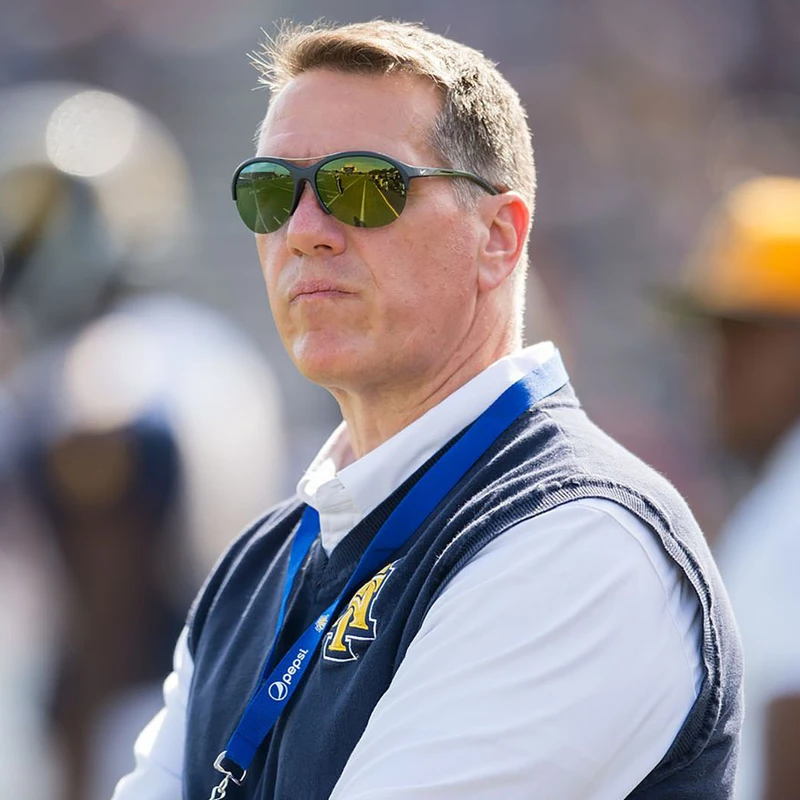
  • Earl Hilton’s Retirement Closes NCAT Athletics Era

    A significant era in North Carolina A&T State University (NCAT) athletics is drawing to a close. Longtime Athletics Director Earl M. Hilton III announced his retirement, effective this summer, marking the end of a 15-year run that has profoundly shaped the university’s athletic department into one of the most visible and successful in HBCU sports.

    A Transformative Tenure

    Hilton took the helm at a crucial time, initially serving as interim AD in late 2010 before being named permanent director in February 2011. His leadership ushered in a transformative period for the Aggies. Overseeing 17 intercollegiate programs, Hilton navigated championship seasons, significant conference realignments, and the evolving landscape of college sports, all while championing academic growth and institutional visibility.

    His administration is synonymous with winning. From 2015 to 2019, North Carolina A&T football became a dominant force in Black college athletics, securing four Celebration Bowl titles and establishing itself as a premier program. This success elevated the Aggies’ national profile, making them a consistent reference point for excellence across HBCU sports.

    Beyond Championships: Academic and Institutional Growth

    The impact of Hilton’s tenure extends far beyond athletic achievements. Under his guidance, student-athlete graduation rates at NCAT increased by over 51 percent. Furthermore, annual giving to athletics saw a remarkable fifteen-fold rise. Chancellor James R. Martin II lauded Hilton for fostering an environment where academics remained the priority for over 300 student-athletes annually, even amidst the increasing commercialization of college sports.

    Hilton’s leadership also navigated one of the most disruptive periods in NCAA history, including the implementation of the transfer portal, NIL expansion, and significant shifts in athlete compensation. Simultaneously, he guided NCAT through major conference moves, transitioning from the MEAC to the Big South in 2020, and then to the Coastal Athletic Association in 2022. These strategic decisions were crucial for the university’s exposure, peer alignment, and ambitions within the evolving Division I landscape.

    A Legacy of Scale and Vision

    The significance of Hilton’s retirement lies not just in the transition but in the strong foundation he leaves behind. North Carolina A&T’s athletic department now boasts a national profile, a dedicated fan base, and a culture of high expectations. The next athletics director will inherit a department poised for continued success, tasked with preserving Hilton’s gains while charting a new course in the modern era of college sports.

    Hilton himself expressed deep gratitude, calling his time at NCAT a “singular privilege” and expressing honor in witnessing historic academic and athletic achievements. His era was defined by scale – winning big, making bold strategic moves, and placing the Aggies at the forefront of national conversations in football, track and field, and HBCU athletics overall. His departure marks the end of a defining chapter, prompting reflection on his legacy and anticipation for what comes next.

    What do you consider Earl Hilton’s greatest achievement during his time at NCAT? Share your thoughts in the comments below!

  • Bethune-Cookman Shocks No. 24 LSU in Baseball Upset

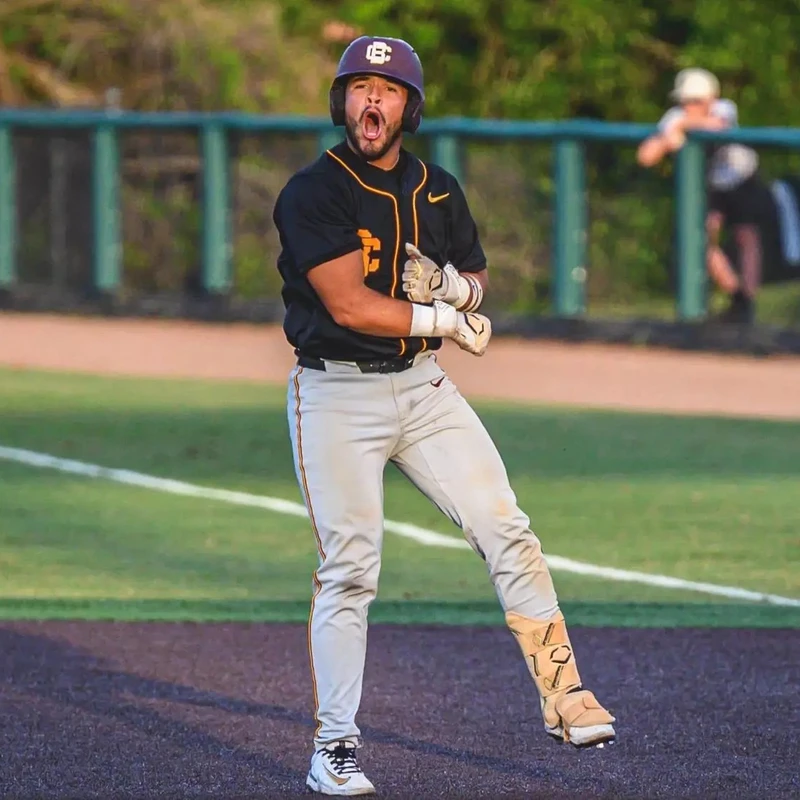
    Talk about a statement win! The Bethune-Cookman Wildcats just made some serious noise in the college baseball world, traveling to Baton Rouge and defeating the No. 24 LSU Tigers with a final score of 10-7. This wasn’t just any victory; it was a performance that demanded attention and highlighted the incredible talent thriving within HBCU athletics.

    A Historic Upset in Baton Rouge

    On Tuesday night, the Wildcats walked into Alex Box Stadium, one of college baseball’s most formidable venues, and refused to back down. With timely hitting, late-game composure, and a fearless mindset, they took down one of the most recognizable programs in the sport. This win is more than just a statistic; it’s a powerful reminder that elite baseball is being played across the HBCU landscape.

    For Bethune-Cookman, this victory carries significant historical weight. It marks their first win against LSU in program history and their first victory over a ranked opponent since 2017. The Wildcats improved their record to an impressive 23-10 overall and 10-2 in conference play, demonstrating a season of consistent strength.

    Resilience and Offensive Firepower

    The game didn’t start in Bethune-Cookman’s favor, with LSU scoring two runs in the first inning. However, the Wildcats responded immediately, putting up three runs in the second inning thanks to RBIs from Erick Almonte, Christopher Watson, and Darryl Lee. This set the tone for a night of resilience.

    Even as LSU battled back, tying the game and taking leads in the third and fourth innings, Bethune-Cookman consistently found answers. Jorge Rodriguez’s first home run of the season tied the game in the fourth, and Michael Rodriguez’s RBI double in the fifth kept the pressure on. Darryl Lee also had a strong showing, going 2-for-4 with a double, a triple, and an RBI.

    A Five-Run Seventh Inning Seals the Deal

    The pivotal moment arrived in the seventh inning. After LSU took a 6-5 lead in the sixth, Bethune-Cookman exploded for five runs. Andrey Martinez tied the game, Almonte and Watson drew RBI walks, and a fielding error allowed two more runs to score, giving the Wildcats a commanding 10-6 lead.

    What made this inning even more impressive was the Wildcats’ composure under pressure. When LSU loaded the bases with no outs in the bottom of the seventh, threatening to erase the deficit, relief pitcher Jean Carlos Zambrano shut the door, striking out the side to end the rally and ultimately secure the save. This late-game poise in a hostile environment spoke volumes about the team’s belief in itself.

    Why This Win Matters Beyond the Score

    This victory is a significant moment for HBCU baseball. It serves as tangible proof of the talent, depth, and competitive spirit present in these programs, which often fight for national visibility outside of football and basketball. Bethune-Cookman didn’t just get lucky; they matched LSU’s energy, out-hit them, and performed best when it mattered most.

    For the Bethune-Cookman Wildcats, this win could be an inflection point, boosting their confidence and sharpening their team identity. It provides concrete evidence that they belong in the national conversation, not just as an occasional surprise, but because the level of play demands it. This is a proud moment for HBCU sports.

    What are your thoughts on Bethune-Cookman’s incredible upset win over LSU? Share your reactions in the comments below!