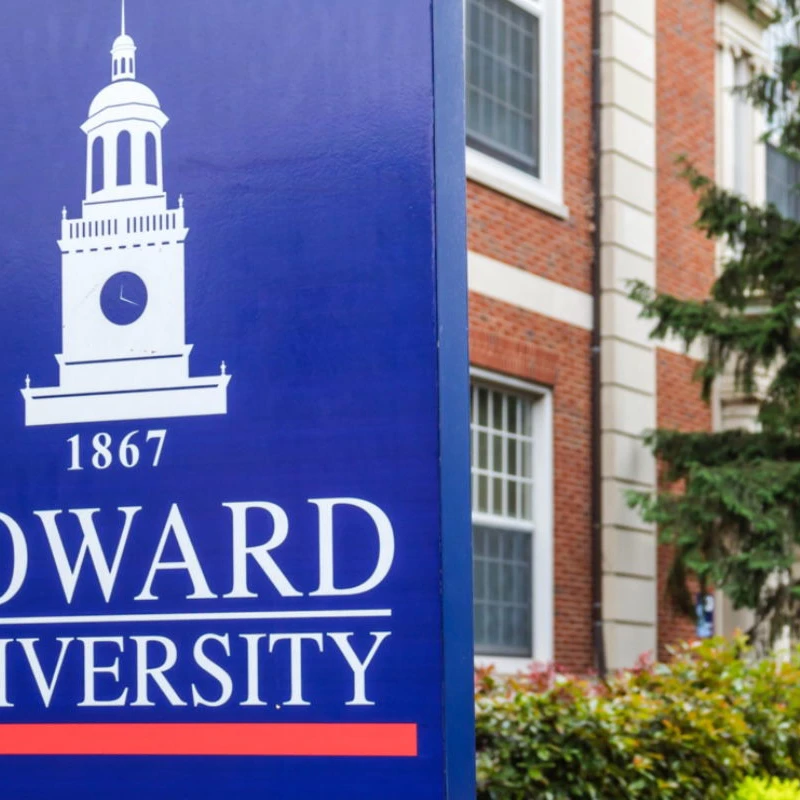
Howard University is set to significantly enhance its engineering programs thanks to a substantial donation from Autodesk, a leader in 3D design and engineering software. The university has received an unrestricted gift of $1.95 million, specifically aimed at bolstering the skills and training of students in AI-powered roles, particularly within the construction engineering and management program.
Empowering Future Engineers with AI
This funding is designed to equip students with the cutting-edge skills needed to excel in advanced construction projects and master digital construction and design techniques. A key objective of this initiative is to foster greater diversity within the construction industry’s leadership by cultivating a new generation of professionals through hands-on learning and interdisciplinary coursework.
Wayne A. I. Frederick, M.D., MBA, interim president and president emeritus of Howard University, highlighted the significance of the partnership. “This investment reflects the strength of our partnership with Autodesk and our shared commitment to preparing students to lead in a technology-driven world,” he stated. This donation builds on a strong existing relationship between the two institutions.
Expanding Innovation Through the Makerspace
This recent gift follows a significant contribution in 2024, when Autodesk donated $5 million towards Howard’s upcoming College of Engineering and Architecture Makerspace. This previous donation marked the largest unrestricted gift in the college’s history. The Makerspace offers engineering majors invaluable hands-on experience with state-of-the-art facilities, including digital fabrication, advanced manufacturing, and computer design labs.
Dara Treseder, Autodesk’s Chief Marketing Officer, emphasized the company’s commitment to nurturing talent from all backgrounds. “Our partnership with Howard University is rooted in a shared belief: that talent is everywhere, but opportunity isn’t yet,” Treseder remarked. The goal is to provide Howard students and surrounding communities with the necessary tools and technology to secure future-focused jobs, leveraging Howard’s dedication to excellence and innovation.
As AI literacy becomes increasingly vital across Historically Black Colleges and Universities (HBCUs), Howard is proactively integrating AI skills into its curriculum. This ensures that graduates are well-prepared to compete in an evolving industry where AI competency is a significant advantage, not a barrier.
What are your thoughts on the importance of AI training in higher education? How can more companies support STEM initiatives at HBCUs? Share your insights in the comments below!
Leave a Reply