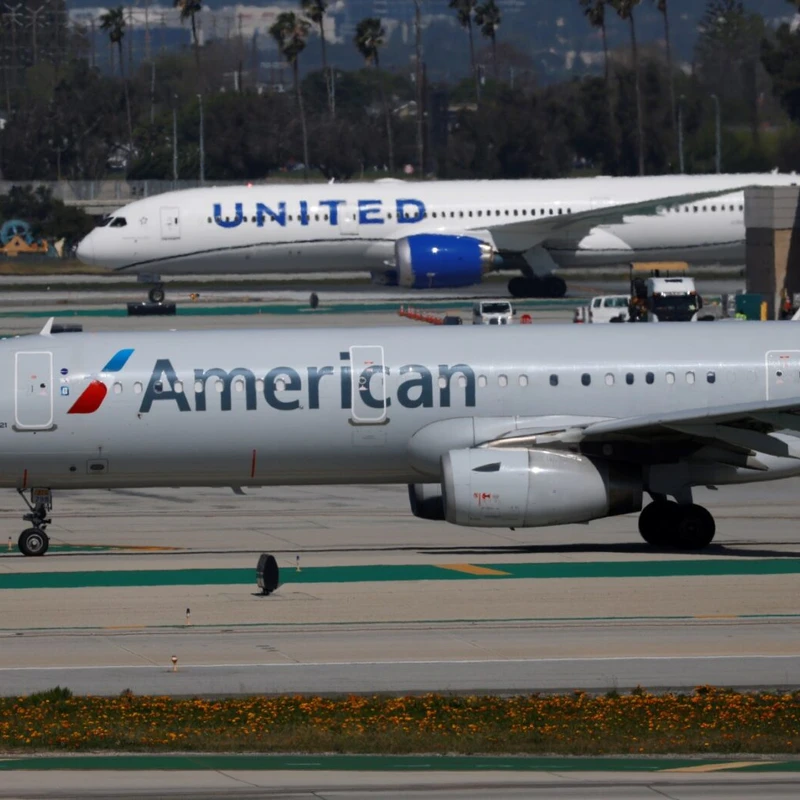
Imagine a world where two of the biggest names in air travel, United and American Airlines, join forces. That possibility is now on the table, as reports suggest United Airlines CEO Scott Kirby brought up the idea of a merger with American Airlines during a recent meeting. This potential consolidation is raising eyebrows and sparking important questions about the future of flying.
A High-Level Discussion
According to Reuters, Kirby reportedly discussed the merger possibility with President Donald Trump in late February. The conversation apparently took place towards the end of a White House meeting focused on the future of Washington Dulles International Airport. While the White House has stated it has no official opinion on the matter, the mere mention of such a significant merger has sent ripples through the industry.
It’s important to note that neither United nor American Airlines has confirmed they are in active merger talks. United declined to comment, and American did not respond to requests for information. At this point, there’s no public confirmation of formal negotiations, but the report alone has brought airline consolidation back into the spotlight.
Why This Potential Merger Matters
If a merger were to happen, it would be the biggest consolidation move in the airline sector in over a decade. In the previous year, United and American were the two largest airlines globally by available capacity. Together, they would control approximately 40% of the U.S. domestic flying capacity, based on airline schedules.
This kind of scale would undoubtedly put any proposed deal under intense scrutiny. Regulators would need to examine how such a merger would affect airfares, competition on routes, access to airports, and even the loyalty programs travelers rely on. Key markets with significant overlap, like Chicago O’Hare and major operations in Texas, would likely face particularly close examination.
Regulatory Hurdles and Investor Reactions
The financial implications are also substantial. United carries around $20 billion in long-term debt, while American has roughly $25 billion. Beyond the financial complexities, the regulatory landscape presents a significant challenge. Recent court decisions, such as the blocking of JetBlue’s acquisition of Spirit Airlines and the ruling against the American Airlines-JetBlue Northeast Alliance, demonstrate a strong stance against deals perceived to reduce competition and harm consumers.
While these past rulings don’t predetermine the outcome of a United-American proposal, they signal the aggressive approach regulators and courts are taking toward airline competition issues. Transportation Secretary Sean Duffy has acknowledged room for mergers but stressed that any transaction would undergo rigorous review and likely require airlines to divest certain assets.
What are your thoughts on the possibility of United and American Airlines merging? Share your opinions on how this could impact your travel plans in the comments below!
Leave a Reply