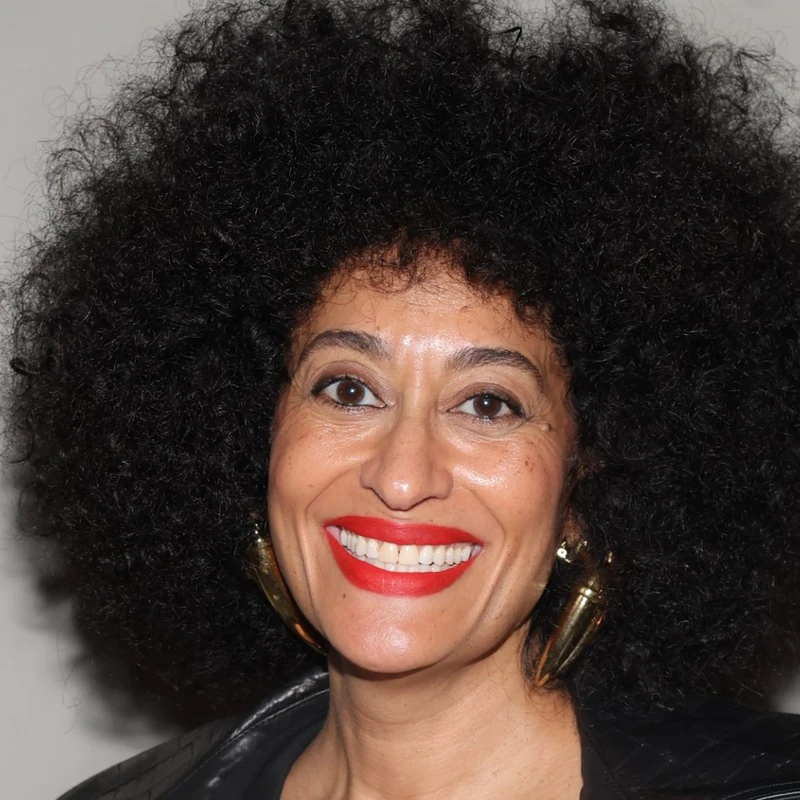
Have you ever seen a hairstyle described in a way that just felt… off? Recently, a Vogue article sparked quite the conversation by referring to Tracee Ellis Ross’s stunning afro as a ‘cloud bob.’ This seemingly small change in wording quickly ignited a powerful reaction across social media, with many in the Black community calling out the trend of renaming and, in doing so, erasing the rich history behind Black hairstyles.
The ‘Cloud Bob’ Controversy and Cultural Erasure
The term ‘cloud bob’ for an afro wasn’t just a quirky description; it became a symbol of a larger issue. Creators like RaeShanda Lias took to TikTok, expressing frustration that Black hairstyles are being ‘Christopher Columbus-ed’ – essentially, renamed and claimed by others, stripping them of their origins. This sentiment was echoed by many, who felt it was an attempt to sanitize or appropriate these styles, especially as they become popular among non-Black celebrities.
Even the hairstylist quoted in the original article, Tom Smith, felt compelled to issue a statement clarifying his position as backlash mounted. The core of the issue isn’t just about trendy names; it’s about preserving cultural identity and history. When Black hairstyles are renamed, their deep roots and the stories they tell are often lost or deliberately obscured.
More Than Just Hair: History Woven In
Think about cornrows, for instance. Calling them ‘boxer braids’ completely misses their profound historical significance. These braids were not just a style; they were a tool for survival for enslaved Africans. The intricate patterns mimicked maps, showing escape routes from plantations, with curves representing rivers and rows representing crops. This isn’t just hair; it’s a testament to resilience and a vital piece of history.
Similarly, locs carry immense cultural weight. In Yoruba culture, they are known as ‘Dada,’ revered as sacred messengers. During the Trans-Atlantic slave trade, locs were a visible marker of identity and heritage, even for those enduring unimaginable hardship. And Bantu knots? They are named after the Bantu people of Sub-Saharan Africa, a diverse group with a rich cultural heritage, not after Buddhist imagery.
The Significance of the ‘Afro’
The term ‘afro’ itself is a direct link to African heritage for ‘Afro’-Americans. It’s a powerful symbol of pride, identity, and a deliberate rejection of Eurocentric beauty standards. While a bob might be trendy and can be styled in various ways, an afro’s voluminous, upward growth and its profound cultural significance set it apart. It’s not just a hairstyle; it’s a statement.
Protecting Our Cultural Narratives
In an era where trends like ‘soap nails’ and ‘latte makeup’ get catchy names, it’s crucial to draw a line when it comes to cultural heritage. Our hairstyles are not fleeting fads; they are living history, carrying stories, traditions, and identity. Renaming them, even with seemingly innocent terms like ‘cloud bob,’ contributes to erasure and appropriation.
Let’s commit to calling Black hairstyles by their rightful names. Honoring them means respecting their origins, understanding their cultural importance, and celebrating the full glory of our heritage. This includes Tracee Ellis Ross’s beautiful afro, cornrows, Bantu knots, locs, and every other style that tells our unique story.
What are your thoughts on renaming Black hairstyles? Share your perspective in the comments below!
Leave a Reply