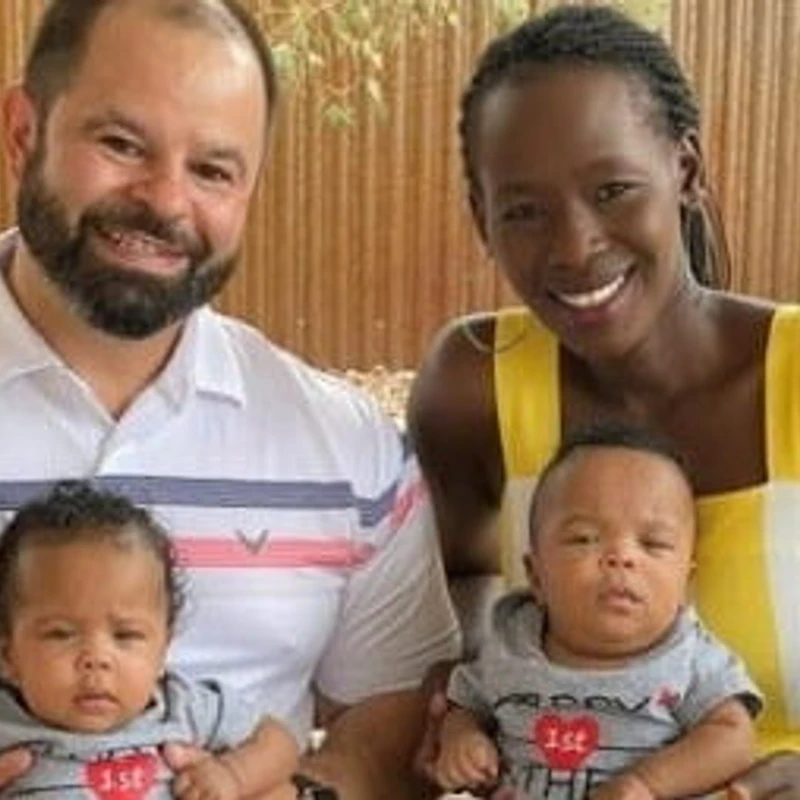
This Black Maternal Health Week, we’re sharing the inspiring story of Irine Lagat-Fischer, a nurse from Kenya who always dreamed of a large, close-knit family. However, her path to motherhood became a difficult marathon when she and her husband, Keith, struggled to conceive. Their journey highlights the often-overlooked challenges Black women face in accessing comprehensive fertility care.
A Frustrating Search for Answers
In her early 30s, after two years of trying to conceive, Irine knew something wasn’t right. What followed was a disheartening two-year period of visiting multiple specialists. She encountered misdiagnoses, including erroneous claims of endometriosis and benign uterine fibroids that weren’t actually hindering their fertility. The experience left Irine and Keith, both healthcare professionals themselves, feeling frustrated and unheard.
Irine’s experience sadly mirrors a larger trend: research indicates that Black women are less likely to receive fertility evaluations or treatments compared to white women, despite similar or higher rates of infertility. This disparity points to significant barriers in accessing timely and adequate care.
The Impact of Implicit Bias
Irine also noticed a disheartening shift when her white husband, Keith, began accompanying her to appointments. She felt specialists paid more focused attention and provided clearer information when he was present and asking questions. ‘I felt like I was being heard differently when he was there,’ she shared, describing the significant emotional toll this took. Keith echoed her sentiments, finding it ‘gut-wrenching’ to see his wife’s distress and navigate a medical system that seemed to lack adequate guidance.
Dr. Jessica Chan, a reproductive endocrinologist at Cedars-Sinai, acknowledges that implicit bias can indeed play a role in healthcare disparities. She stresses the critical importance of communication, trust, and a thorough understanding of a patient’s medical and social history in fertility care.
A New Perspective at Cedars-Sinai
After two years of unsuccessful IVF attempts costing $20,000, a friend recommended the couple seek care at Cedars-Sinai in Los Angeles. This proved to be a turning point. Dr. Chan approached their case with a fresh perspective, emphasizing individualized care tailored to their specific needs. She recommended a less invasive treatment option before considering IVF again.
The experience at Cedars-Sinai was transformative. ‘From the moment we walked into the clinic, I felt like someone was really listening and taking the time to understand the full picture,’ Irine recalled. Just two weeks after starting their new treatment plan, Irine discovered she was pregnant. ‘I honestly couldn’t believe it after everything we had been through.’
Worth Every Step of the Journey
Today, Irine and Keith are the proud parents of three-year-old twins, Lily and Liam. Reflecting on their challenging journey, Irine states, ‘I would go through that journey again to have my children. It was all worth it.’ Her advice to other Black women facing similar struggles is powerful: ‘Advocate for yourself. Ask questions, seek thorough answers, and if you feel like you’re not being heard, get care somewhere else.’
What are your thoughts on the challenges faced by Black women in fertility care? Share your experiences and advice in the comments below.
Leave a Reply