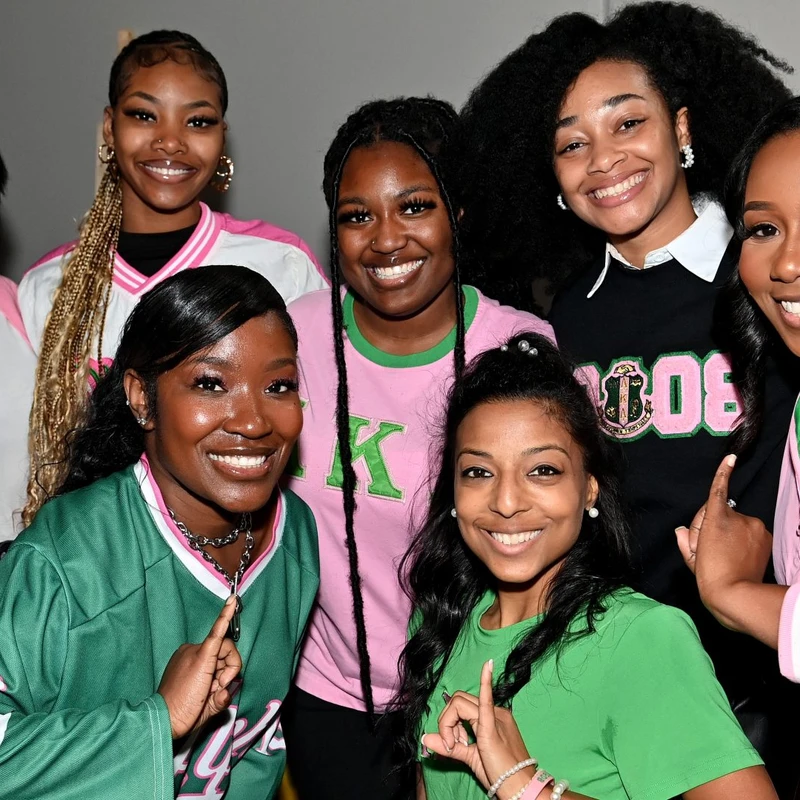
A recent event at the 73rd Alpha Kappa Alpha Sorority, Inc. South Atlantic Regional Conference (SARC) in Orlando, Florida, has sparked a fiery debate across communities, all thanks to an unexpected performance by Miami rapper Trick Daddy. While conferences for the esteemed sorority typically involve business meetings, service events, and step competitions, Trick Daddy’s appearance and subsequent halted performance brought a different kind of energy – and controversy – to the event.
A Performance Cut Short
Footage from the 5-day conference went viral, with Trick Daddy’s performance drawing the most attention. Known for his gritty lyrics and raw style, the 51-year-old rapper’s set was abruptly stopped by the sorority’s regional director, Tiffany Moore Russell. Russell cited “disrespect for our organization and for our brand,” particularly after Trick Daddy shouted, “If you want your p***y ate, put your f*****g hands up” during his set.
The reactions among attendees were visibly mixed. Some were seen dancing and singing along, seemingly enjoying the performance, while others clearly disapproved and left the room. This division highlighted a broader conversation about cultural alignment and expectations, spanning across generations from Gen Z to Boomers.
Differing Perspectives: Artist vs. Organization
Director Russell stated that the performance requirements given to Trick Daddy were ignored, and the language used was unacceptable. Trick Daddy, however, defended his performance via Instagram Live, expressing respect for the sorority but questioning the booking process. “You should have known that when y’all booked me… But don’t put out no statement talking about you gave me a playlist. This ain’t your wedding,” he argued, suggesting the sorority should have anticipated his typical style.
This incident has divided opinions. Many agree with Russell’s stance on maintaining the organization’s brand and decorum. Others believe Trick Daddy was right to stay true to his artistic identity, delivering the raw show he’s known for. The core of the debate seems to revolve around respectability politics – when and how we choose to present ourselves, and who gets to dictate those standards.
The Uncle Luke Conundrum and Generational Nostalgia
Interestingly, Uncle Luke, also known for his risqué lyrics, performed at the same conference. While both artists hail from the same Florida hip-hop scene, Luke appeared to censor his set and included a caption on Instagram expressing “love and respect” for the AKA members. This raises the question: was it about *what* was said, or *how* it was said? Or perhaps, a selective application of respectability?
The situation also touches on generational nostalgia. Many attendees, now older millennials and Gen Xers, grew up listening to artists like Trick Daddy and Uncle Luke during their college years. This music, though complex and sometimes controversial, holds a nostalgic significance for them. It highlights the internal conflict many Black women face with popular music that can feel degrading yet simultaneously compelling.
- Trick Daddy’s performance at an AKA conference was halted due to explicit lyrics.
- The incident sparked debate on respectability politics and cultural alignment.
- Mixed reactions from attendees highlighted generational differences and expectations.
- Uncle Luke also performed but appeared to censor his set, raising questions about selective outrage.
- The event brought attention to the complex relationship Black women have with certain music genres.
Ultimately, the Trick Daddy incident serves as a catalyst for important conversations about identity, personal freedom, and societal expectations. It spotlights the multifaceted nature of Black women, who often navigate contradictions between private enjoyment and public presentation. While the noise around this specific event may fade, the underlying themes of respectability, generational divides, and the impact of social media on private lives remain highly relevant.
What are your thoughts on the Trick Daddy/AKA controversy? Where do you draw the line between artistic expression and event appropriateness? Share your views in the comments below!
Leave a Reply