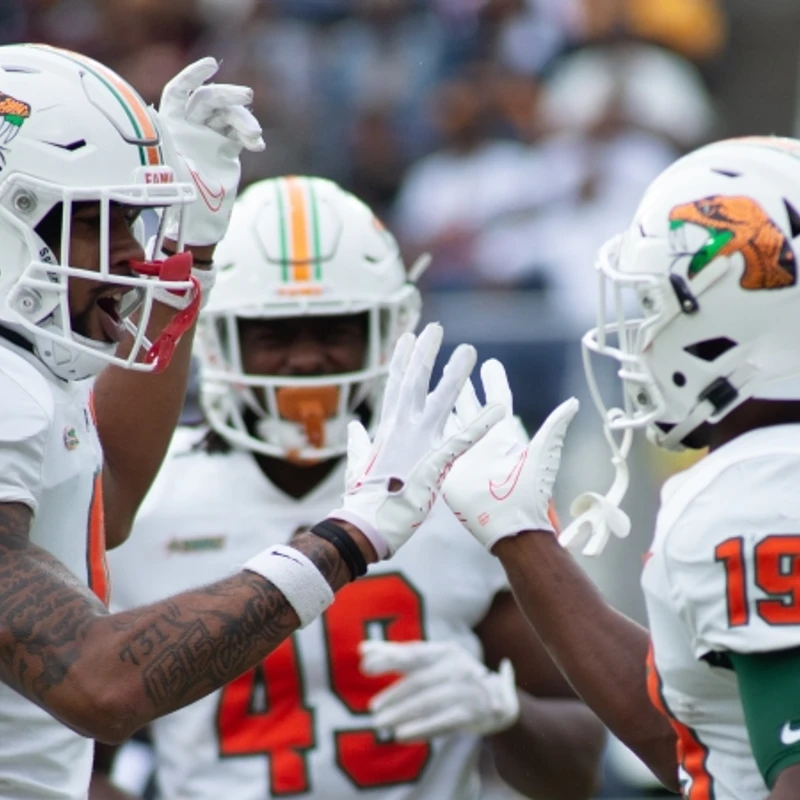
Talk about a tough break before the season even kicks off! Florida A&M University (FAMU) has announced a significant blow to its football program: a Level Two NCAA penalty will make the Rattlers ineligible for postseason competition during the 2026 season. This news casts a shadow over what was supposed to be a fresh start under new head coach Quinn Gray Sr.
Understanding the APR Penalties
The penalties stem from FAMU’s multi-year Academic Progress Rate (APR) score falling below the NCAA’s benchmark of 930. This score, which tracks academic eligibility and retention for scholarship athletes over a rolling four-year period, indicates a systemic issue rather than a single-semester problem. It’s a consequence of academic performance trends that have accumulated over several years.
FAMU’s administration is emphasizing that this isn’t a reflection of the current student-athletes’ efforts. President Marva B. Johnson stated the penalties highlight failures in institutional infrastructure, not the players themselves. Athletic Director John F. Davis acknowledged the situation and confirmed that an enhanced academic action plan is already being implemented. This distinction is crucial, aiming to avoid the common assumption that such penalties are solely due to a lack of discipline or effort from the team.
Inherited Challenges for a New Regime
The timing of this penalty is particularly brutal. The four-year window contributing to the low APR score predates the current university leadership, athletic administration, and coaching staff. FAMU had hoped for a conditional waiver for the 2025 season, but the required conditions weren’t met, leading to the 2026 postseason ban taking effect. This means the new coaching staff, led by former Rattler quarterback Quinn Gray Jr. who was hired in December 2025, is inheriting a significant challenge.
Instead of building excitement for a championship run, the focus for 2026 will shift to discipline, accountability, and long-term rebuilding. The team, coming off a 5-7 season in 2025, now faces a year where the ultimate reward of postseason play is off the table. This fundamentally changes the psychology and narrative surrounding the season.
Impact Beyond the Postseason Ban
Beyond the postseason ineligibility, the Level Two penalties also include practice restrictions. These limitations are designed to shift focus back to academics, potentially impacting player development and how the new coaching staff builds team culture throughout the season. While FAMU can still aim to win games and compete fiercely in the SWAC, the absence of a postseason goal alters the season’s trajectory.
The university has outlined steps to address the academic support system, including expanded compliance monitoring, real-time tracking of academic engagement, and early intervention protocols. Integrating the Faculty Athletics Representative more formally into the support structure aims to strengthen the connection between academic services and faculty advising. These are crucial infrastructure moves for long-term improvement.
- FAMU football ineligible for 2026 postseason due to NCAA APR penalties.
- Level Two penalties also include practice restrictions.
- Score fell below the 930 benchmark over a four-year period.
- University emphasizes institutional infrastructure failure, not player fault.
- New coaching staff inherits challenges from previous academic cycles.
This situation serves as a stark reminder for all HBCU football programs: the margin for error off the field is as critical as performance on it. While resource constraints are real, the NCAA’s APR benchmark must be met. Winning culture extends beyond the Xs and Os; it requires robust academic support, diligent tracking, and consistent institutional follow-through. For FAMU, the 2026 season becomes a crucial test of whether the new support promises are substantive and if the program can build a foundation that prevents future setbacks.
What are your thoughts on FAMU’s postseason ban? How do you think Coach Gray and the Rattlers can navigate this challenging season? Share your perspective in the comments below!
Leave a Reply