Category: HBCU Sports News

  • Jay Butler Hired as WSSU Rams Basketball Coach

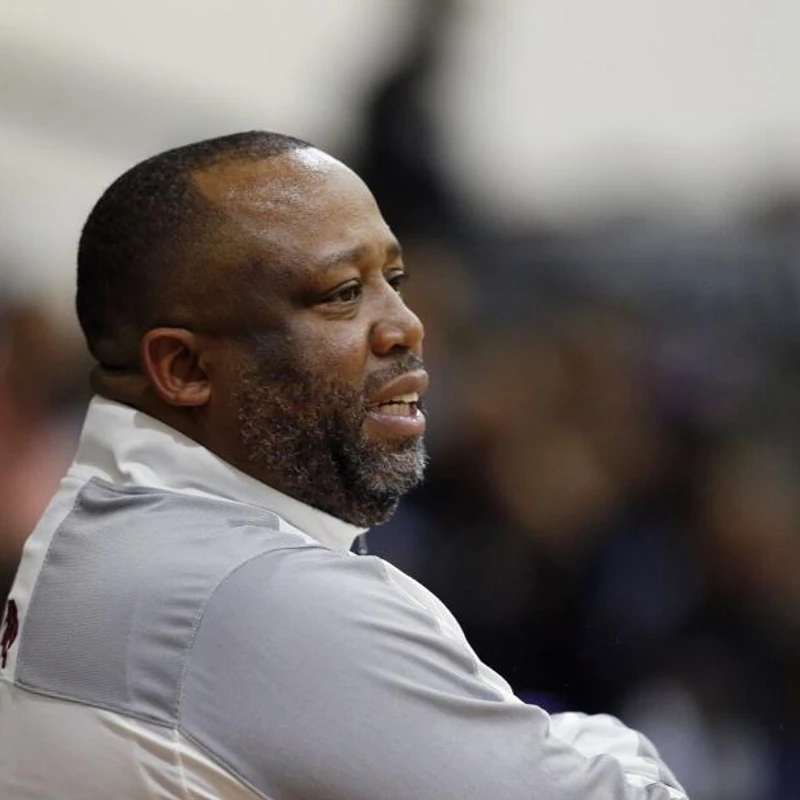
    Get ready for a shake-up in the CIAA! Winston-Salem State University (WSSU) isn’t playing around with its basketball program’s future. They’ve officially tapped Lester “Jay” Butler, a coach known for winning within the conference, to take the helm as the new head men’s basketball coach. This move signals a serious commitment to rebuilding and climbing back to prominence.

    A Statement Hire for a Program in Need

    The Rams are coming off a tough 2025-26 season, finishing with a 7-19 overall record and struggling in conference play with a 2-14 CIAA record, ending the year on a 13-game losing streak. This wasn’t a situation calling for minor adjustments; it demanded a coach with a proven track record in the same competitive landscape. Butler, who arrives from conference rival Virginia Union, fits that bill perfectly.

    WSSU’s announcement emphasizes that Butler was chosen to lead the Rams into their “next era of excellence.” This isn’t placeholder language; it suggests the university believes they’ve found someone capable of fundamentally changing the program’s trajectory. Butler brings over two decades of NCAA Division II head coaching experience, boasting an impressive 372-239 career record, nine 20-win seasons, and eight NCAA tournament appearances.

    Proven Success and a Focus on Development

    Butler’s familiarity with the CIAA is a significant advantage. He spent the last 11 seasons at Virginia Union, transforming it into one of the conference’s most consistently respected programs. In the 2025-26 season alone, his Virginia Union team went 25-6, made another NCAA Division II tournament appearance, and Butler earned his third CIAA Coach of the Year award. His team also excelled academically, winning the CIAA Team High Academic Award.

    This combination of on-court success and academic achievement is exactly what WSSU was looking for. The university stressed the importance of a leader who could foster competitiveness while developing young men both on and off the court. Butler’s recent accolades suggest he’s the right person to rebuild the program’s culture and shape its future.

    Honoring a Storied Legacy

    Winston-Salem State boasts one of the most historically significant basketball programs in Black college sports. The legendary 1967 team, led by Earl “The Pearl” Monroe, became the first Black college team to win an NCAA national title under Clarence “Big House” Gaines. This rich history means that a 7-19 season feels particularly out of sync with the program’s brand.

    Butler acknowledges this legacy, understanding the weight of expectation that comes with coaching the Rams. He’s stepping into a role where the standard is measured not just against recent performance, but against championship banners and legendary players. This hire signals that WSSU is ready to restore that standard.

    • Jay Butler named new head men’s basketball coach at WSSU.
    • Comes from CIAA rival Virginia Union with a strong winning record.
    • Boasts over 20 years of NCAA Division II head coaching experience.
    • Led Virginia Union to 25 wins and conference title in 2025-26.
    • Focus on competitiveness, player development, and academic success.

    Pulling Butler directly from a successful CIAA program like Virginia Union is a bold move. It shows WSSU wants immediate league fluency and proven success in recruiting and competing within the conference. While instant championship contention might be a stretch, expectations are clearly higher. The Rams should become more organized, recruit with more focus, and regain credibility within the CIAA. This hire is about more than filling a vacancy; it’s about restoring a proud tradition.

    What are your expectations for Jay Butler and the WSSU Rams basketball team moving forward? Do you think this hire will bring back the glory days? Share your thoughts in the comments below!
  • FAMU Football Ineligible for 2026 Postseason

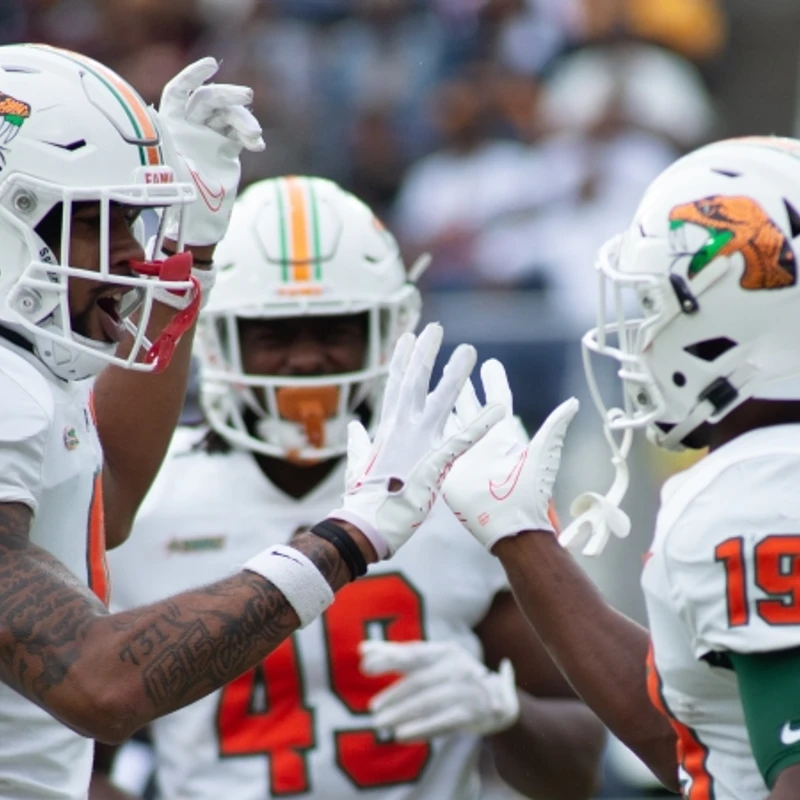
    Talk about a tough break before the season even kicks off! Florida A&M University (FAMU) has announced a significant blow to its football program: a Level Two NCAA penalty will make the Rattlers ineligible for postseason competition during the 2026 season. This news casts a shadow over what was supposed to be a fresh start under new head coach Quinn Gray Sr.

    Understanding the APR Penalties

    The penalties stem from FAMU’s multi-year Academic Progress Rate (APR) score falling below the NCAA’s benchmark of 930. This score, which tracks academic eligibility and retention for scholarship athletes over a rolling four-year period, indicates a systemic issue rather than a single-semester problem. It’s a consequence of academic performance trends that have accumulated over several years.

    FAMU’s administration is emphasizing that this isn’t a reflection of the current student-athletes’ efforts. President Marva B. Johnson stated the penalties highlight failures in institutional infrastructure, not the players themselves. Athletic Director John F. Davis acknowledged the situation and confirmed that an enhanced academic action plan is already being implemented. This distinction is crucial, aiming to avoid the common assumption that such penalties are solely due to a lack of discipline or effort from the team.

    Inherited Challenges for a New Regime

    The timing of this penalty is particularly brutal. The four-year window contributing to the low APR score predates the current university leadership, athletic administration, and coaching staff. FAMU had hoped for a conditional waiver for the 2025 season, but the required conditions weren’t met, leading to the 2026 postseason ban taking effect. This means the new coaching staff, led by former Rattler quarterback Quinn Gray Jr. who was hired in December 2025, is inheriting a significant challenge.

    Instead of building excitement for a championship run, the focus for 2026 will shift to discipline, accountability, and long-term rebuilding. The team, coming off a 5-7 season in 2025, now faces a year where the ultimate reward of postseason play is off the table. This fundamentally changes the psychology and narrative surrounding the season.

    Impact Beyond the Postseason Ban

    Beyond the postseason ineligibility, the Level Two penalties also include practice restrictions. These limitations are designed to shift focus back to academics, potentially impacting player development and how the new coaching staff builds team culture throughout the season. While FAMU can still aim to win games and compete fiercely in the SWAC, the absence of a postseason goal alters the season’s trajectory.

    The university has outlined steps to address the academic support system, including expanded compliance monitoring, real-time tracking of academic engagement, and early intervention protocols. Integrating the Faculty Athletics Representative more formally into the support structure aims to strengthen the connection between academic services and faculty advising. These are crucial infrastructure moves for long-term improvement.

    • FAMU football ineligible for 2026 postseason due to NCAA APR penalties.
    • Level Two penalties also include practice restrictions.
    • Score fell below the 930 benchmark over a four-year period.
    • University emphasizes institutional infrastructure failure, not player fault.
    • New coaching staff inherits challenges from previous academic cycles.

    This situation serves as a stark reminder for all HBCU football programs: the margin for error off the field is as critical as performance on it. While resource constraints are real, the NCAA’s APR benchmark must be met. Winning culture extends beyond the Xs and Os; it requires robust academic support, diligent tracking, and consistent institutional follow-through. For FAMU, the 2026 season becomes a crucial test of whether the new support promises are substantive and if the program can build a foundation that prevents future setbacks.

    What are your thoughts on FAMU’s postseason ban? How do you think Coach Gray and the Rattlers can navigate this challenging season? Share your perspective in the comments below!

  • Ray Lewis to Inspire NCCU Class of 2026 Graduates

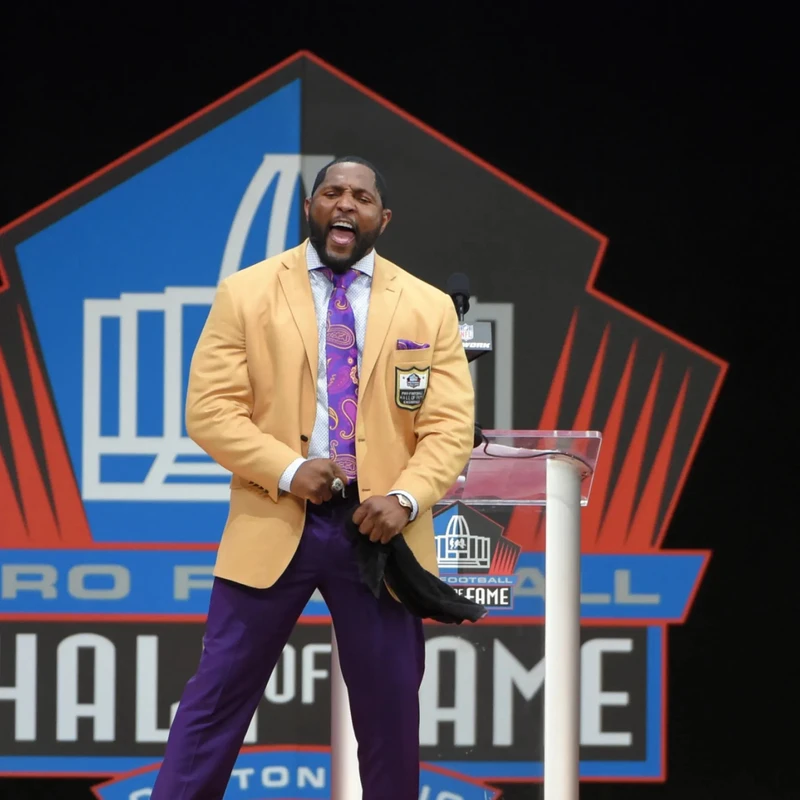
    Get ready for a graduation moment that’s making waves! North Carolina Central University (NCCU) has just announced a powerhouse speaker for its 147th Commencement Exercises: none other than Pro Football Hall of Famer Ray Lewis. This isn’t just any graduation headline; it’s a major moment for the Class of 2026, promising inspiration that extends far beyond Durham.

    Star Power Meets Meaningful Message

    Lewis is slated to speak at the 2 p.m. baccalaureate ceremony on Saturday, May 9, specifically for graduates from the College of Health and Sciences, the School of Business, and the School of Education, all gathering in McDougald-McLendon Arena. For an esteemed HBCU like NCCU, bringing in a sports icon with Lewis’s national recognition instantly elevates the visibility of commencement weekend.

    But the significance goes deeper than just celebrity status. NCCU’s choice signals a deliberate effort to create a truly impactful moment for its graduates. The university aims to send students into their next chapter with messages of purpose, resilience, and community impact – themes that resonate deeply with Lewis’s post-playing career.

    A Strategic Fit for NCCU

    Commencement at an HBCU is a profound event, far more than just a ceremony. It’s about equipping graduates with the wisdom and motivation needed for their future endeavors. Lewis, known for his motivational speeches centered on discipline, perseverance, and personal growth, aligns perfectly with this mission. His career, marked by two Super Bowl titles and multiple Defensive Player of the Year awards, embodies leadership and performing under pressure.

    NCCU, a highly visible public HBCU, strategically uses commencement as a platform to reach national audiences. A figure like Lewis, one of the most recognizable defensive players in NFL history, ensures the university captures attention. His presence adds an extra layer of anticipation for families and, more importantly, offers students valuable lessons on longevity, preparation, and resilience – crucial traits for navigating today’s competitive job market.

    A Personal Connection to HBCU Life

    While Ray Lewis himself isn’t an HBCU alumnus, he shares a poignant connection to the Black college experience. In 2024, he accepted a posthumous degree from Virginia Union University for his late son, Ray Lewis III. This deeply personal moment brings a unique emotional resonance to his appearance at NCCU, making it more than just a celebrity booking. It signifies a lived understanding of what these milestones mean for Black families, representing not just achievement, but legacy, memory, and sacrifice.

    This choice highlights how HBCU commencement season is evolving. Schools are finding ways to generate excitement and national attention while staying true to the core values of celebrating students and their journeys. Lewis’s intense, emotional, and motivational style is guaranteed to leave a lasting impression, ensuring this year’s commencement speech won’t be easily forgotten.

    • Ray Lewis to speak at NCCU’s 147th Commencement.
    • Ceremony on May 9th for Health Sciences, Business, and Education graduates.
    • Speaker chosen for themes of purpose, resilience, and impact.
    • Lewis’s career exemplifies leadership and performance under pressure.
    • Personal connection to HBCU graduations through his late son.

    Ultimately, the Ray Lewis announcement for NCCU’s commencement sits at the intersection of visibility and meaning. NCCU gains a nationally recognized voice for a pivotal event, and its graduates receive a powerful message from a figure who understands intensity, expectation, and the drive to rise above challenges. This makes it more than just a celebrity appearance; it’s a cultural and emotional moment that amplifies the significance of Black college graduations.

    What are your thoughts on Ray Lewis speaking at NCCU? Do you think he’s the right fit to inspire the Class of 2026? Share your opinions in the comments below!