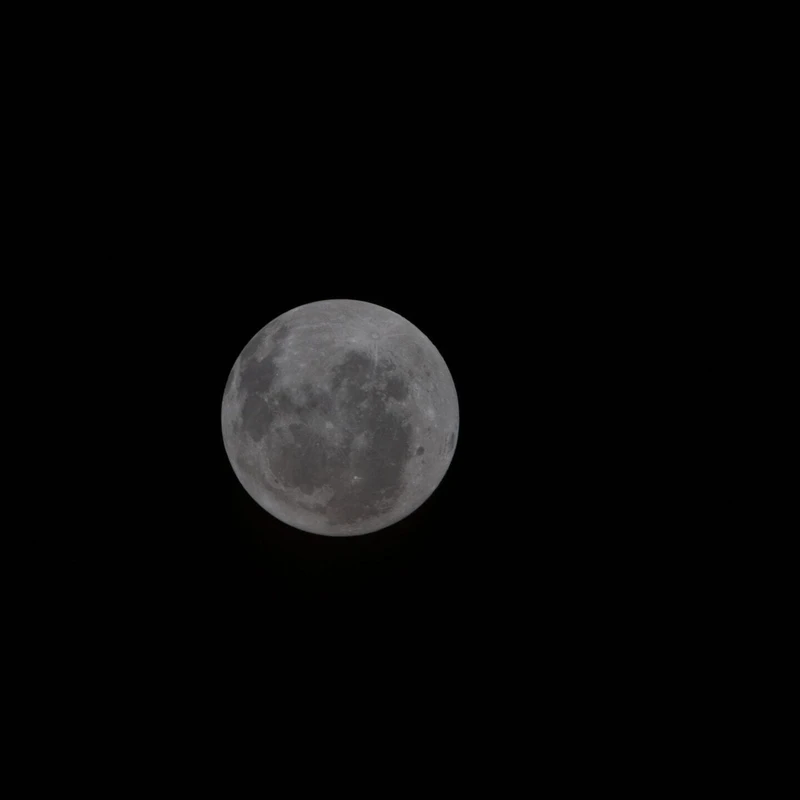
Get ready for a cosmic journey! NASA’s Artemis II mission is giving its astronauts a truly out-of-this-world experience – a firsthand look at parts of the Moon’s far side that no human has ever directly seen before. This isn’t just about pretty pictures; it’s about unlocking secrets of the Moon’s formation.
A Unique Lunar Perspective
The four-person crew, consisting of Reid Wiseman, Victor Glover, Christina Koch, and Jeremy Hansen, is embarking on a 10-day trip around the Moon in the Orion spacecraft. Their flight path is designed to take them incredibly close, within about 4,000 miles of the lunar surface.
While past missions like Apollo orbited the Moon, the specific trajectories and lighting conditions often limited what astronauts could truly observe. Artemis II’s unique trajectory provides a much broader and more complete view, revealing areas typically hidden from Earth’s perspective.
Spotlighting the Orientale Basin
One of the mission’s highlights is the chance to directly observe the massive Orientale Basin. This colossal impact crater, spanning 600 miles, sits right on the border between the Moon’s near and far sides. Though robotic missions have captured images of it, this marks the first time humans will witness it up close during a flyby.
NASA emphasizes that this mission is as much about human observation as it is about automated data. Astronauts can perceive subtle differences in color and texture that might be missed by cameras, offering invaluable insights into the Moon’s geological history. Scientists are keen to understand why the near side shows evidence of ancient volcanic activity while the far side appears more rugged and less geologically active.
More Than Just a Flyby
The crew will dedicate several hours to documenting their observations, using advanced cameras and providing real-time descriptions to mission control. The changing angles of sunlight during the flyby are expected to reveal even more surface details.
It’s important to note that Artemis II isn’t a landing mission. Instead, it serves as a crucial stepping stone for NASA’s larger goal of returning humans to the lunar surface in future endeavors. Even this brief flyby holds the potential to unlock significant clues about the Moon’s origins, and by extension, the early history of our own planet, Earth.
What aspect of space exploration fascinates you the most? Share your thoughts in the comments below!
Leave a Reply