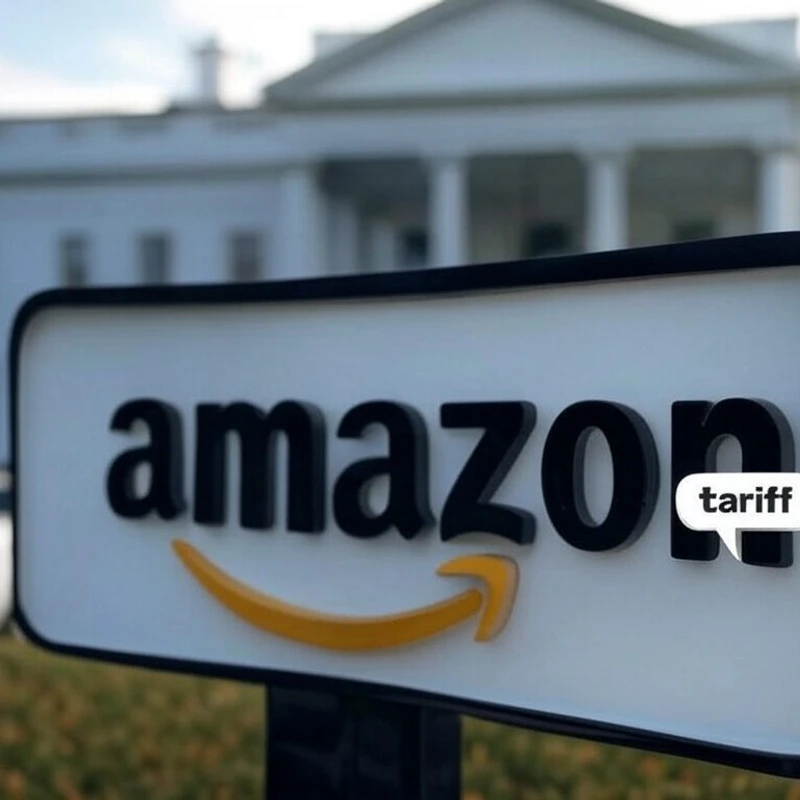
Hey Amazon sellers! Feeling the pinch lately? If you’ve been keeping an eye on your bottom line, you might have heard whispers about a new fee coming your way. Well, it’s official: Amazon is rolling out a fuel and logistics surcharge, and it’s set to impact how much you pay for fulfillment and shipping. Let’s break down what this means for your business.
Why the New Surcharge? It’s All About Costs!
Amazon has been absorbing rising operating costs for a while, but they’ve now decided it’s time to shift some of that burden. The company announced a new 3.5% fee, directly linked to the climbing expenses in fuel and logistics. This isn’t a surprise to many, as industry-wide costs have been on an upward trend.
Global events and supply chain pressures have made fuel prices unpredictable. This volatility directly affects everything from warehousing and shipping to the final mile of delivery. Even though Amazon tried to keep fees steady, the rising costs eventually caught up, making this surcharge a necessary, albeit unwelcome, adjustment.
When Does This New Fee Kick In?
Mark your calendars! The new 3.5% surcharge begins on April 17, 2026, for Fulfillment by Amazon (FBA) fees across the US and Canada. This also applies to remote fulfillment routes heading from the US into Canada, Mexico, and Brazil.
But wait, there’s more! Starting May 2, 2026, the same fee structure will extend to Buy with Prime and Multi-Channel Fulfillment orders within both the US and Canada. So, it’s crucial to be aware of these dates depending on which Amazon services you utilize.
The Real Impact on Sellers
For small and mid-sized sellers, even a small percentage increase can make a significant difference. When fulfillment fees go up, sellers face a tough choice: absorb the cost and reduce their profit margins, or pass the increase onto customers through higher prices. Neither option is ideal in today’s competitive market.
Amazon has noted that this surcharge is intended to be lower than what other major carriers are charging. However, for businesses already operating on tight margins, this added cost can impact pricing strategies, overall profitability, and their ability to compete effectively.
Is This Surcharge Truly Temporary?
While Amazon labels this as a temporary surcharge, many sellers know from experience that these types of fees can sometimes linger longer than initially stated. Given the ongoing volatility in global markets and logistics, it’s wise for sellers to prepare for the possibility that this fee might stick around.
How are you planning to navigate this new Amazon surcharge? Share your strategies and concerns in the comments below!
Leave a Reply