Tag: Racism

  • NJ Man Charged After Viral ‘You People’ Confrontation

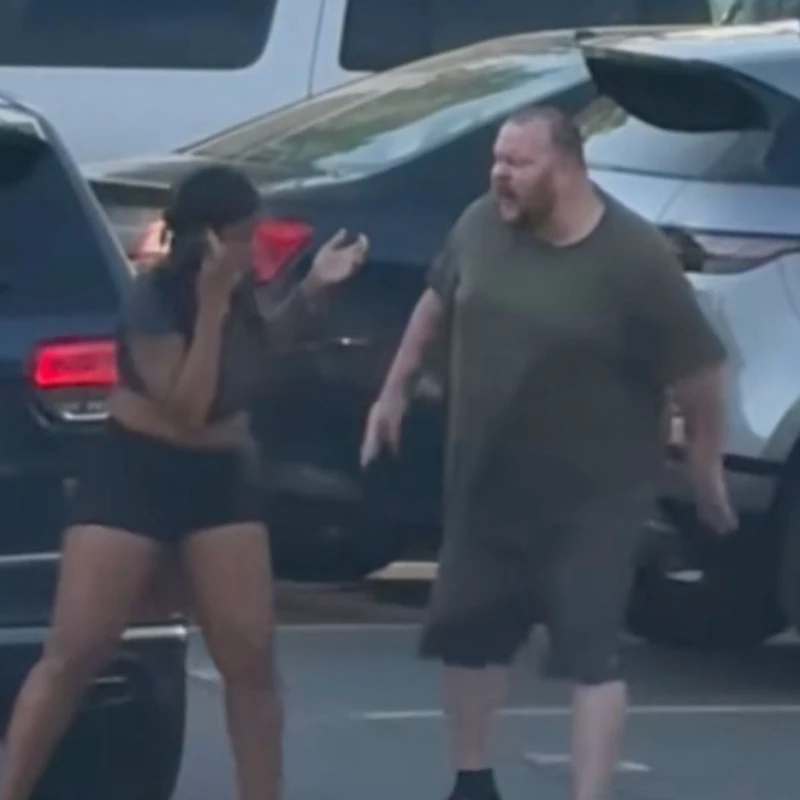
    A disturbing incident in New Jersey has led to criminal charges after a man was captured on video aggressively confronting a Black woman and using the phrase “you people.” The footage, which quickly went viral on TikTok and other social media platforms, has sparked outrage and prompted an investigation.

    The Confrontation Unfolds

    The altercation occurred on May 18, 2026, in Mount Laurel, New Jersey. According to the Mount Laurel Police Department, officers responded to reports of a dispute and separated the individuals involved. The accused, identified as 40-year-old Thomas Diiorio, and the woman each accused the other of misconduct related to a juvenile matter.

    However, it was the viral video that brought the incident to national attention. The clip shows a man, reportedly Diiorio, shouting profanities and repeatedly telling the woman to leave the area. The woman, in turn, can be heard asking bystanders to contact the police. The rapid spread of the video amplified public concern and scrutiny.

    Charges Filed Amidst Public Outcry

    Following an investigation, police announced that Diiorio has been charged with harassment and bias intimidation. Investigators reportedly clarified that the phrase “you people” was directed at Black individuals during the heated encounter, leading to the bias intimidation charge under New Jersey law. Specific details leading to this charge have not yet been publicly released.

    This case highlights the increasing role of social media in documenting public incidents. Viral videos shared online are often crucial in accelerating public scrutiny and prompting law enforcement to investigate confrontations captured on camera. Authorities have not yet announced if additional charges will be filed or if others involved may face legal action.

    Ongoing Investigation and Social Media’s Role

    The case remains under active investigation. Details regarding whether the accused has legal representation or has entered a plea have not been disclosed. The incident serves as a stark reminder of how quickly public incidents can gain traction online, leading to swift calls for accountability and justice.

    What are your thoughts on this incident and the role of social media in holding people accountable? Share your views in the comments below.

  • Congolese Man’s Death in Ireland Sparks Protests

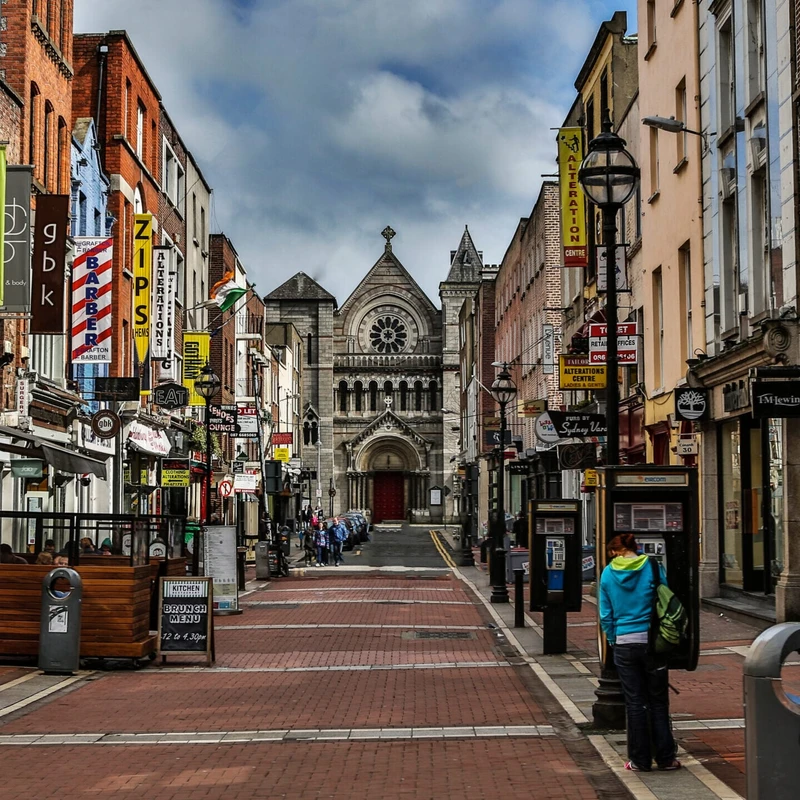
    A tragic incident in Dublin, Ireland, has ignited widespread protests and drawn painful comparisons to the killing of George Floyd. Yves Sakila, a man originally from the Democratic Republic of Congo, died after being restrained by security guards outside a department store on May 16, 2026. His death has sparked outrage and calls for accountability and transparency.

    The Incident and Viral Video

    Sakila was reportedly detained in connection with an alleged shoplifting incident on a busy Dublin street. Tragically, he became unresponsive while being held down by several men and was later pronounced dead. The incident was captured on video, which has since circulated widely on social media, showing Sakila pinned to the ground for several minutes.

    Disturbingly, the footage appears to show at least one individual placing a knee on or near Sakila’s head or neck area. These images have deeply disturbed many and have led to comparisons with the 2020 killing of George Floyd in Minneapolis, a tragedy that fueled the global Black Lives Matter movement.

    Protests Erupt, Demanding Justice

    In response to Sakila’s death, hundreds of demonstrators gathered outside Ireland’s parliament, Leinster House, on May 21. Protesters held signs with messages like “Justice” and “No cover up, no delay,” demanding a thorough investigation into the circumstances surrounding his death. Chants condemned what activists described as systemic racism and failures in how Ireland treats its immigrant and Black residents.

    Yemi Adenuga, a spokesperson for Black Coalition Ireland, highlighted that the case exposes deeper societal tensions regarding immigration, integration, and race relations in Ireland. She noted the country’s struggles to support its growing immigrant population amidst rising anti-immigrant sentiment.

    Calls for Transparency and Investigation

    David Kaliba, a former classmate of Sakila who also emigrated from the Democratic Republic of Congo, described him as a quiet and shy individual who had reportedly faced homelessness in recent years. Irish Prime Minister Micheál Martin has called the footage “deeply disturbing” and emphasized the need for a full and thorough investigation.

    Lawmakers across the political spectrum have expressed shock and distress over the video, with growing demands for accountability as the investigation continues. A post-mortem examination has been completed, but the findings have not yet been released for operational reasons. This incident occurs as Ireland grapples with increasing political tension surrounding immigration, following anti-immigrant protests in 2023.

    What are your thoughts on the death of Yves Sakila and the ongoing protests? Share your perspective in the comments below.

  • NFL Cooperates with Florida Rooney Rule Probe

    The National Football League is currently under scrutiny, and Commissioner Roger Goodell has confirmed the league’s full cooperation with a civil rights investigation launched by Florida Attorney General James Uthmeier. This probe specifically targets the league’s long-standing Rooney Rule and other diversity hiring initiatives.

    Florida’s Challenge to the Rooney Rule

    This investigation stems from a subpoena issued in March, where Uthmeier urged the NFL to suspend the Rooney Rule, labeling it as “blatant race and sex discrimination.” The Attorney General’s office has requested extensive documentation, including diversity reports and coaching staff demographics from 2017 to the present, with a deadline of June 12th for the league to appear in Tallahassee.

    The NFL has faced documented challenges for years regarding diversity in its coaching ranks, with Black candidates often underrepresented despite the existence of the Rooney Rule. This investigation seeks to examine whether these practices align with civil rights laws.

    Goodell Defends League Programs

    During recent league meetings in Orlando, Commissioner Goodell addressed the investigation, emphasizing the NFL’s commitment to transparency and legal compliance. “We think it’s certainly within the law, but also something very positive,” he stated, referring to the league’s diversity programs.

    Goodell highlighted that the league continuously evaluates its programs not only for improvement but also to ensure they are consistent with legal standards. He assured that the NFL would share all relevant information with the Florida attorney general’s office.

    Beyond the Rooney Rule: The Accelerator Program

    The investigation isn’t limited to the Rooney Rule alone. It also encompasses the NFL’s accelerator program, launched in 2022. This program aims to connect diverse coaching and front office candidates with team owners and executives. Notably, the program has recently been updated to include non-minority participants, with nearly half of the current cohort being white men.

    Goodell defended this evolution, describing the participants as “the best of the best” and a “very diverse group.” The Rooney Rule, established in 2003 and named after the late Pittsburgh Steelers owner Dan Rooney, originally mandated interviews with at least two external minority candidates for head coach and general manager positions, and one for coordinator roles. Its intent was to open doors for Black coaches and executives in a league where the majority of players are Black.

    What are your thoughts on the NFL’s diversity hiring practices and the ongoing investigation? Share your opinions in the comments below!
  • White Doctor Sues ‘Find A Black Doctor’ Directory

    A lawsuit has been filed against the online directory ‘Find A Black Doctor,’ alleging that the platform engaged in racial discrimination by excluding a white physician from its listings. The suit, filed in a Manhattan federal court, claims the directory’s eligibility requirements unfairly deny opportunities to non-Black healthcare providers.

    The Physician’s Claim

    Dr. Travis Morrell, a dermatologist based in Colorado and a member of the conservative legal group Do No Harm, is at the center of the lawsuit. Filed on May 19th, the complaint accuses the directory of restricting its services to “Black physicians and dentists in active clinical practice.” Morrell alleges that his application to join the directory on December 23, 2025, was met with silence, and subsequent follow-ups were ignored.

    The lawsuit contends that this exclusion “robs” non-Black physicians of valuable advertising exposure and promotes “racial concordance” – the idea that patients receive superior care from doctors of the same race. Do No Harm, an organization that publicly opposes Diversity, Equity, and Inclusion (DEI) initiatives, is supporting Dr. Morrell, stating that the directory’s practices are indefensible.

    The Directory’s Mission and Expansion

    ‘Find A Black Doctor’ was originally founded in 2005 with the goal of addressing racial health disparities and improving healthcare access for Black communities. Relaunched in 2019 by board-certified dermatologist Dr. Dina Strachan, the platform aimed to connect individuals with experienced and culturally competent Black physicians.

    In 2024, the directory announced an expansion to include board-certified health professionals across all 50 states. Its stated mission is to “provide access, education and resources to improve health outcomes particularly in the African American community.” The website clearly states it is an “internet directory of U.S.-based Black physicians and dentists in active clinical practice.”

    Context of DEI and Legal Challenges

    This lawsuit emerges at a time when conservative groups are increasingly targeting organizations that promote gender and racial equity. The legal action against ‘Find A Black Doctor’ follows a broader trend of challenges to DEI initiatives, including a federal lawsuit against a Coca-Cola distributor for a women’s empowerment event and executive orders threatening federal contracts for colleges with DEI programs.

    The case highlights the ongoing debate surrounding race-conscious initiatives and their legal standing, particularly in the current political climate. While ‘Find A Black Doctor’ aims to address specific community needs, the lawsuit questions the methods used and their potential for exclusion.

    What are your thoughts on the ‘Find A Black Doctor’ lawsuit and the broader debate around DEI in professional directories? Share your perspective in the comments below!

  • Texas Lawyer Faces Consequences for Racial Slur in Court

    Imagine being in a courtroom, fighting for your client, only to be met with a racial slur. It’s a deeply unsettling thought, and unfortunately, it’s a reality that a Texas attorney recently faced. This isn’t just about one incident; it highlights ongoing struggles for dignity and fairness within our legal system, especially for Black individuals.

    The Incident: A Slur in the Courtroom

    Brazoria County attorney Michael Phillips found himself in hot water after using a racial slur multiple times during a custody modification trial. The remarks were reportedly made in a “derisive manner” during arguments outside the jury’s presence, leading to a significant ruling from Judge Chad Bradshaw.

    This situation brings to light the persistent challenges Black women attorneys face in Texas family courts. As Brenda DeRouen, the opposing counsel in this case, stated, attorneys should be able to advocate fiercely without enduring racially charged conduct that chips away at professionalism and dignity.

    The Judge’s Decision: Contempt and Conditions

    Judge Bradshaw found Phillips in contempt of court for his actions. The initial sentence included three days in jail and a $500 fine. However, the judge suspended both penalties, offering Phillips a path to avoid jail time and the fine.

    The condition? Phillips must submit written apologies to the court and to Brenda DeRouen, the Black attorney he targeted with the slur, by June 30. This decision underscores the court’s stance against such unprofessional and offensive language.

    Phillips’ Defense and the Court’s Rejection

    Phillips reportedly claimed he was referencing testimony and evidence, not intending the remarks as a slur, and stated he apologized immediately. However, Judge Bradshaw did not accept this explanation, rejecting the defense that the language was used in context rather than with hateful intent.

    Community Reaction and Case Outcome

    The contempt ruling didn’t just stay within the courtroom. Community activists Quanell X and Candace Matthews publicly confronted Phillips, accusing him of trying to intimidate DeRouen after his case began to falter. Ultimately, Phillips’ client lost the custody matter.

    This case serves as a stark reminder that using racial slurs in professional settings, especially within the justice system, carries serious consequences. It’s a step towards ensuring that all individuals, regardless of race, can expect dignity and respect in legal proceedings.

    What are your thoughts on this ruling and the use of racial slurs in professional environments? Share your perspective in the comments below!

  • Jen Kiggans Faces Backlash Over Racist Remark

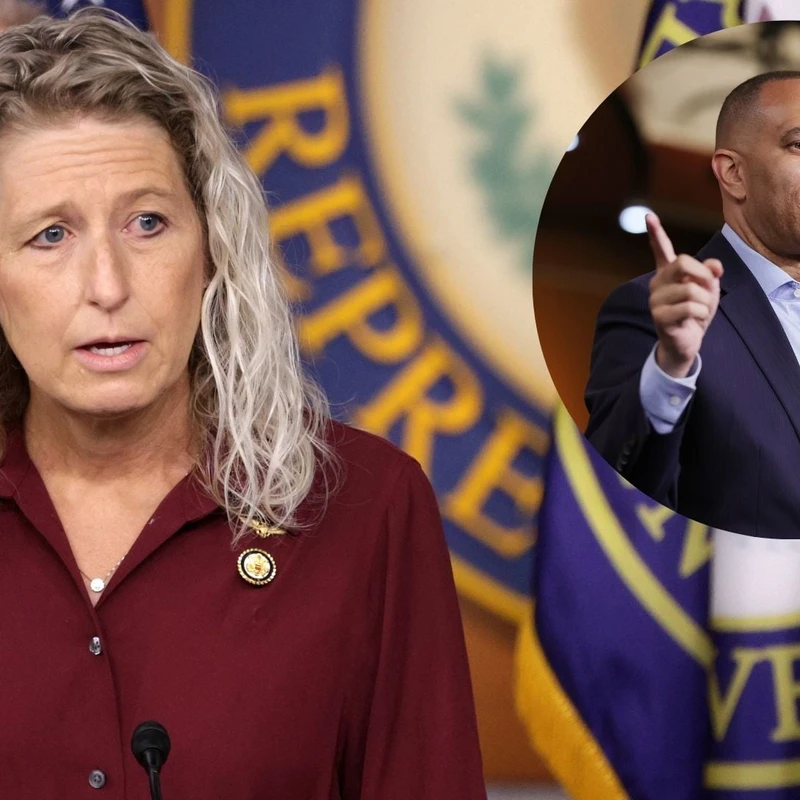
    Virginia Republican Representative Jen Kiggans is in hot water after a recent interview where she appeared to agree with a deeply offensive, racially charged comment targeting House Minority Leader Hakeem Jeffries. The incident has sparked widespread condemnation and calls for her resignation, especially as it occurs during a critical midterm election cycle.

    The Controversial Interview

    During a Monday interview with radio host Rich Herrera, Jeffries was reportedly told to keep his “cotton-picking hands off of Virginia.” Kiggans, present during the interview, responded with “That’s right. Ditto. Yes, yes to that.” This agreement with the host’s racist language has ignited a firestorm.

    The use of such derogatory terms against a prominent Black political figure is not new, as Hakeem Jeffries has faced a pattern of racially charged attacks. However, Kiggans’ explicit agreement with the phrase has drawn particular ire, especially given Virginia’s ongoing redistricting battles and broader discussions about Black political representation.

    Kiggans’ Defense and the Backlash

    Following the immediate backlash, Kiggans took to X (formerly Twitter) to clarify her stance. She stated that she was agreeing with the host’s broader point that Jeffries should not interfere in Virginia politics, not with the specific, offensive language used. She asserted, “The radio host should not have used that language and I do not — and did not — condone it.”

    However, this defense did little to quell the outrage. Democrats were quick to condemn her remarks. Rep. Katherine Clark, the House’s second-highest-ranking Democrat, publicly called for Kiggans’ resignation. Christie Stephenson, a spokesperson for Jeffries, criticized Kiggans’ “stunning failure of judgment and leadership,” labeling her a “so-called moderate” who seems to crave a return to the Jim Crow era.

    Political Ramifications

    This controversy arrives at a particularly challenging time for Kiggans. She is considered a top target for Democrats in the upcoming November midterm elections. She is expected to face a rematch against former Rep. Elaine Luria, whom Kiggans narrowly defeated in 2022. Luria herself spoke out, stating she understood the implications of such “racist dog whistles” and urged Kiggans to issue a public apology and denounce the remarks.

    The incident highlights the ongoing struggles with race and representation in American politics. Kiggans’ response, and the subsequent fallout, will undoubtedly play a role in her re-election campaign and could influence voter perceptions in Virginia.

    What are your thoughts on Rep. Kiggans’ comments and the calls for her resignation? Share your perspective in the comments below.

  • Obama Condemns Trump’s Racist AI Ape Video

    Former President Barack Obama is addressing the disturbing use of artificial intelligence in political discourse, specifically condemning a racist AI-generated video shared by Donald Trump that depicted him and former First Lady Michelle Obama as apes. While Obama stated he doesn’t take personal insults to heart, he drew a firm line when his family was targeted.

    Crossing the Line: Family and Decency

    In a recent interview with The New Yorker, Obama shared his perspective: ‘I don’t take it personally. I’m always offended when my wife and kids get dragged into things, because they didn’t choose this.’ He expressed an expectation that even political opponents should respect this boundary, emphasizing a fundamental level of common decency and respect for the office.

    The controversial video, initially posted on Trump’s Truth Social account on February 5th, promoted conspiracy theories about the 2020 election. It later transitioned to edited footage showing the Obamas’ heads superimposed onto dancing apes, set to the song ‘The Lion Sleeps Tonight.’ The post was eventually deleted following significant backlash.

    Concerns Over AI and Political Discourse

    Beyond the specific incident, Obama voiced broader concerns about the normalization of AI-generated political content. He described the current landscape on social media and television as a ‘clown show,’ lamenting the erosion of ‘decorum,’ ‘propriety,’ and ‘respect for the office’ among Americans.

    This isn’t the first time Obama has spoken out on the matter. In a February interview with podcast host Brian Tyler Cohen, he highlighted that many Americans still value ‘decency, courtesy, and kindness,’ suggesting a disconnect between these values and the increasingly aggressive nature of online political engagement.

    Racist Imagery and Historical Context

    Civil rights advocates and political commentators were quick to criticize the video’s use of racist imagery. The depiction of Black individuals as apes has a long and painful history in the United States, used to dehumanize and denigrate Black people. Trump’s decision to share such content, and his subsequent refusal to apologize, calling it ‘not a mistake,’ has drawn widespread condemnation.

    What are your thoughts on the use of AI in political campaigns and the impact of racist imagery in public discourse? Share your views in the comments below!

  • Michigan Home Vandalized in Suspected Hate Crime

    Imagine returning to your home, a place of safety and comfort, only to find it desecrated with hateful messages and severe damage. This nightmare became a reality for a biracial family in Brown City, Michigan, leading to a full-blown hate crime investigation involving the FBI. It’s a stark reminder that prejudice can surface in the most disturbing ways.

    A Discovery of Vandalism and Hate

    The incident came to light on April 4th when one of the daughters of Russell and Jayme Browning returned to their home. After living there for nearly five years with their six children, the couple was in the process of relocating to Ohio. What she found was shocking: the house had been broken into, and the interior was left in ruins. Racial slurs and hateful phrases like ‘Don’t Want U,’ ‘Leave!!!,’ and ‘Go Away’ were spray-painted across the walls and ceilings.

    The vandalism extended beyond offensive messages. Large holes were torn into the drywall, windows were spray-painted, and black paint had been dumped on the floor, leaving the home in disarray. Interim Police Chief Marc Perez immediately condemned the act, calling the vandalism ‘deeply disturbing and wholly unacceptable’ and confirming a breaking and entering investigation was underway.

    Federal Involvement and Community Response

    Given the nature of the crime and the racial slurs involved, the FBI has joined local authorities in the investigation. This federal scrutiny underscores the seriousness of hate crimes targeting Black and biracial families across the country. Perpetrators, when racial motivation is proven, often face significant charges.

    Despite the horrific experience, Jayme Browning took to Facebook to express gratitude for the community’s support. She emphasized that her husband had always experienced kindness in Brown City, a town of about 1,100 residents, and doesn’t believe the vandalism reflects the town’s people. This sentiment highlights the resilience of the human spirit in the face of such hate.

    Moving Forward After the Incident

    The Browning family is working to address the extensive damage, with a family member launching a GoFundMe to help cover repair costs. Even with this traumatic event, they still plan to sell their home once the necessary repairs are completed. The investigation continues, with police considering multiple charges and the possibility of a hate crime designation.

    This incident serves as a critical reminder of the ongoing challenges posed by racism and hate crimes. It emphasizes the importance of community solidarity and the need for thorough investigations to ensure justice is served and to deter future acts of prejudice.

    What steps do you believe communities can take to combat hate crimes and support victims? Share your thoughts in the comments below.

  • Racist Backlash After Historic French Mayoral Election

    History was made in Saint-Denis, a major suburb of Paris, when Bally Bagayoko was elected mayor. However, this significant achievement has been overshadowed by a disturbing wave of racist backlash, exposing deep-seated tensions surrounding race and political representation in France.

    A Surge of Racist Harassment

    Since Bagayoko’s victory in mid-March, city hall staff have been subjected to a relentless barrage of offensive and discriminatory phone calls. Callers have posed loaded questions, such as inquiring about headscarf requirements in schools or asking if Saint-Denis is now a “town of Blacks and Arabs.” Some callers have even resorted to playing music by Malian artists, adding a layer of veiled insult.

    Kelly Kidou, who manages reception services at city hall, described the calls as a “new level” of openly racist remarks, noting that the anonymity of phone calls emboldens perpetrators. These incidents have become a daily occurrence, marking a troubling escalation in hostility.

    Beyond Phone Calls: Disinformation and Dehumanization

    The backlash isn’t confined to phone harassment. Several Black political figures, including parliamentary vice-president Nadège Abomangoli, have reportedly received letters containing dehumanizing and primitive depictions of Black individuals. Online, disinformation campaigns have falsely claimed Bagayoko referred to Saint-Denis as the “city of blacks,” when in reality, he celebrated it as “the city of kings – and of the living people.”

    The controversy reached a fever pitch during a televised debate on CNews. A commentator’s rhetoric, invoking imagery associated with apes and tribal leadership, sparked widespread outrage from advocacy groups and political leaders alike. This incident highlighted how deeply ingrained racist tropes can be amplified in public discourse.

    Condemnation from National Leaders

    France’s Prime Minister, Sébastien Lecornu, has publicly condemned the climate surrounding these attacks, warning against the “normalisation of evil and racism.” Media outlets and political figures have echoed these concerns, with one editorial lamenting the “xenophobic attacks” and the “full regression” of a part of the country. Fabien Roussel pointed to “deep-seated discrimination against people of the Muslim faith, Arabs and Black people” that is “almost systemic.”

    Community Solidarity Amidst Hostility

    Within Saint-Denis, the community’s reaction is complex but increasingly unified. While the hostility is a frequent topic of conversation, some residents feel the backlash has inadvertently strengthened community bonds, fostering a sense of solidarity. Local leaders like Mohammed Ouaddane, head of a cultural association, describe the attacks as degrading and humiliating, emphasizing that Saint-Denis represents a vision for a pluralistic France that is being rebuilt.

    Bagayoko, 52, born in France to Malian parents, represents the left-wing La France Insoumise party. His election is part of a larger trend where approximately ten mayors of African descent have won or retained office across France. While these victories are seen as progress, they undeniably bring persistent discrimination into sharper focus.

    What are your thoughts on the racist backlash following Bally Bagayoko’s election? Share your views in the comments below.

  • Ye’s ‘Bully’ Drops Amidst Listener Fatigue

    There was a time when a new release from Kanye West—now known as Ye—felt like a seismic event in music. His albums demanded attention, sparking immediate debate and analysis. However, the arrival of his latest effort, ‘Bully,’ signals a noticeable shift. While Ye still commands attention, the energy surrounding his music feels different, marked by a growing sense of listener fatigue rather than fervent anticipation.

    A Shift in Reception

    ‘Bully’ has generated headlines and drawn listeners out of curiosity or loyalty, but the initial reactions suggest a departure from the intense engagement his earlier work inspired. While the production reportedly embraces a certain tension, and peers offer applause, fans seem less inclined to dissect the lyrics. For an artist once hailed as one of Hip Hop’s most influential figures, ‘Bully’ arrives with a significant rollout and impressive streaming numbers, yet it lacks the widespread fanfare of his past projects.

    Many attribute this muted reception to “Kanye West fatigue.” The constant barrage of controversial incidents has cast a long shadow over his musical legacy, making it increasingly difficult for listeners to separate the art from the artist’s actions and statements.

    The Unavoidable Pattern of Controversy

    Any discussion about Ye that focuses solely on the music feels incomplete, bordering on avoidance. The pattern of controversial behavior spans years, dating back to his comments after Hurricane Katrina and his infamous “slavery was a choice” remark in 2018. His public alignment with Donald Trump, including wearing the MAGA hat and his surreal Oval Office appearance, further complicated his public image.

    The year 2022 proved particularly tumultuous. The “White Lives Matter” shirt at his Paris fashion show, his antisemitic remarks leading to the loss of major partnerships with Adidas and Balenciaga, and his appearance on Alex Jones’ platform praising Hitler, all contributed to widespread condemnation. These incidents, alongside his ongoing public harassment of ex-wife Kim Kardashian, have created a narrative that overshadows his musical output.

    Hip Hop’s History of Forgiveness (and Fatigue)

    Hip Hop has a history of making space for artists despite their controversies, often allowing the music to recalibrate the conversation. Chris Brown, despite assault convictions and abuse allegations, has maintained a career. XXXTentacion’s serious abuse allegations were often overshadowed by his posthumous connection with fans. Kodak Black continues to navigate controversy and support side-by-side. Even Dr. Dre’s past admitted violence against women became secondary to his monumental legacy.

    These examples show that forgiveness in Hip Hop is rarely formal; it’s often negotiated through continued engagement. However, the accumulation of Ye’s actions feels different. It’s not just isolated incidents but a sustained pattern of behavior with little evidence of accountability or reflection. This pattern has led to a cultural response that feels less like anger and more like exhaustion.

    The Shifting Balance: From Artist to Figure

    Ye’s music has always been in conversation with his personal narrative, with each era offering a new tension that the music often reframed. From the self-awareness of ‘The College Dropout’ to the grief of ‘808s & Heartbreak’ and the abrasive confrontation of ‘Yeezus,’ the music provided context and a reason to stay engaged. However, with ‘Donda’ and now ‘Bully,’ the spectacles and controversies seem to have eclipsed the substance.

    ‘Bully’ doesn’t reframe Ye or challenge the narrative built around him; instead, it exists within it. The listening experience is no longer about an artist rewriting his story but about hearing music alongside everything associated with his name: antisemitism, controversial political stances, and public family turmoil. This shift has transformed Kanye West from a cultural force into a figure defined by his personal struggles.

    The question is no longer whether the art can be separated from the artist, but whether the art still carries enough weight. ‘Bully’ highlights a collective recalibration, where audiences are quietly deciding how much access they are willing to grant. While Ye’s legacy is secured, his relationship with the present remains uncertain. The audience’s disengagement, whether announced or silent, speaks volumes. The focus has shifted from forgiveness to distance, as the culture quietly recalibrates its willingness to engage.

    What are your thoughts on Ye’s new album ‘Bully’ and the current reception? Has listener fatigue set in for you? Share your opinions in the comments below!