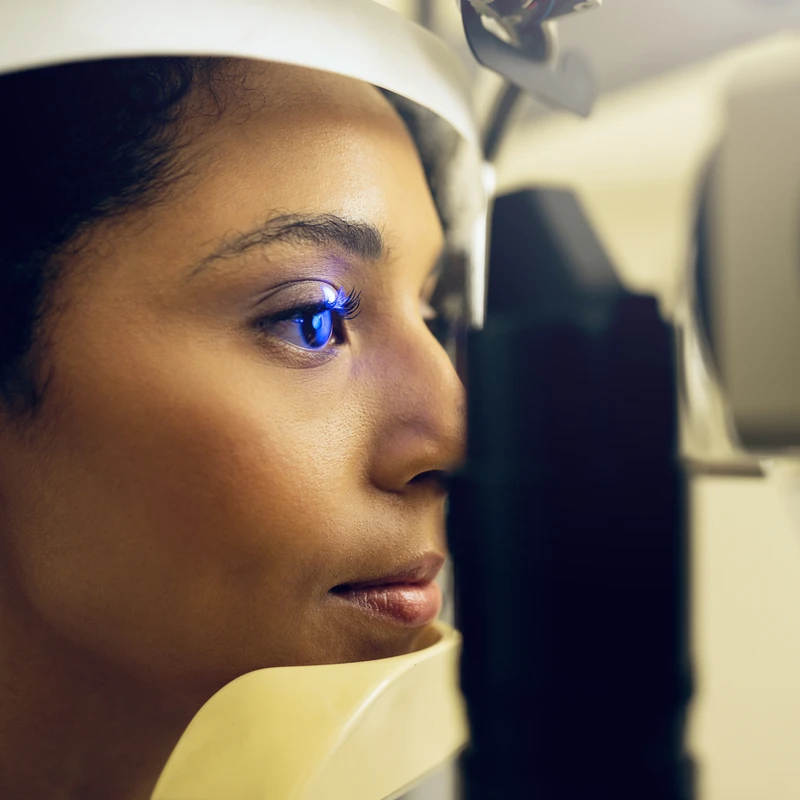
Imagine getting a crucial eye screening done in just 30 seconds! Cleveland Clinic is making this a reality for thousands of patients with diabetes across Ohio, thanks to the rollout of cutting-edge AI-powered cameras. This innovative technology is set to transform how diabetic retinopathy is detected, making the process faster and more accessible than ever before.
Faster Screenings, Smarter Detection
These new AI-powered fundus cameras are now available at all Cleveland Clinic Cole Eye Institute locations, conveniently situated near primary care clinics. This means patients with diabetes can get their annual screening for diabetic retinopathy (DR) right alongside their regular check-ups. The best part? Results are often available in under a minute!
What’s truly remarkable is that these cameras can detect the presence or absence of DR without needing to dilate the patient’s pupils or requiring an ophthalmologist on-site for the initial screening. This significantly streamlines the process, saving valuable time for both patients and medical professionals.
How the AI Cameras Work
The process is surprisingly simple. Technicians or clinic staff guide patients to sit at a tabletop device. After resting their chin, the technician initiates the scan via a touchscreen. The robotic camera then precisely focuses and captures two images of each eye: one of the optic nerve and one of the macula.
Immediately after capture, the AI software analyzes these images for any signs of diabetic retinopathy. The results are then instantly uploaded to the patient’s electronic medical record. This rapid analysis allows for quick identification of potential issues.
Next Steps for Patients
Patients who receive inconclusive results or are diagnosed with DR will be referred for a more comprehensive ophthalmology evaluation at a later date. For those who show no signs of retinopathy, the recommendation is to schedule their next screening in a year, often during their routine primary care visit.
Why Annual Screenings Are Crucial
Diabetic retinopathy is a serious condition and a leading cause of blindness among working-age adults. Unfortunately, a significant percentage of patients with diabetes don’t get their recommended annual eye screenings. This is often due to inconvenience or lack of access to specialized care.
Dr. Sumit Sharma, a vitreoretinal surgeon at the Cole Eye Institute, highlights the importance of this new approach. “Improving the convenience of screenings means we may catch more disease in more patients, and also catch it earlier, even while asymptomatic,” he stated. By screening patients during their existing appointments, Cleveland Clinic is removing a major barrier to essential eye care.
Are you or someone you know managing diabetes? Have you had your annual eye screening? Share your experiences or questions about diabetic eye care in the comments below!
Leave a Reply