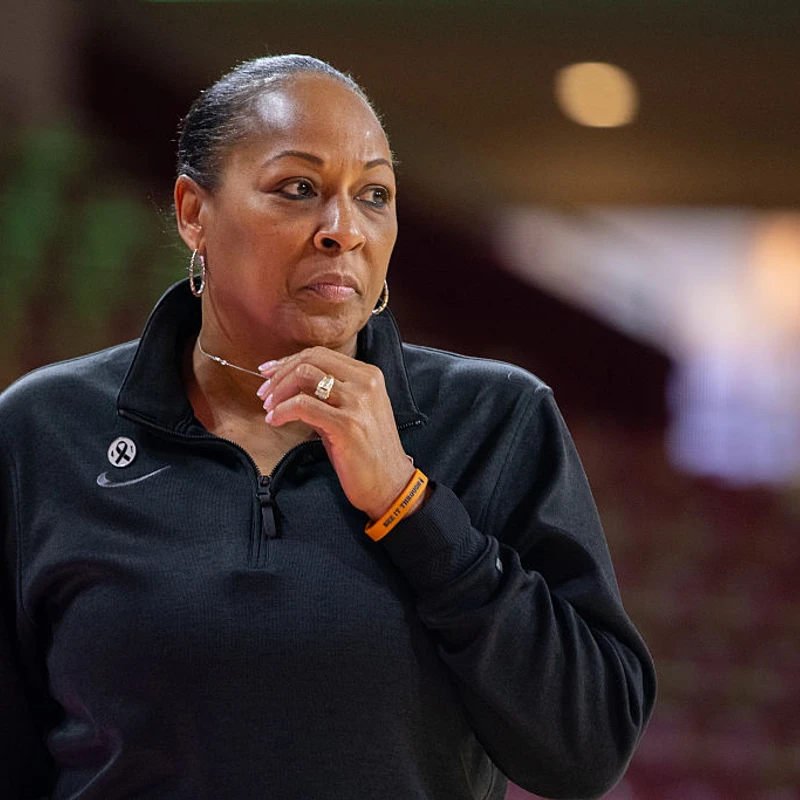
The NCAA Women’s Tournament is known for its intense matchups, but sometimes the draw can feel downright brutal. That’s exactly how Syracuse coach Felisha Legette-Jack felt after her team, the Orange, suffered a massive blowout loss to the powerhouse UConn Huskies in the Round of 32.
A Lopsided Game and a Coach’s Frustration
UConn, a perennial powerhouse with 12 championships under their belt, showed why they’re feared. They came out firing, ending the first quarter with a commanding 33-8 lead, including a staggering 31-point run. By halftime, the score was a daunting 65-12. While the second half saw a more even competition, the damage was already done.
Ultimately, UConn secured a dominant 98-45 victory, sending Syracuse home. But for Coach Legette-Jack, the sting of the loss wasn’t just about the score; it was about the perceived unfairness of the tournament bracket itself.
Questioning the Bracket’s Fairness
In the post-game press conference, Legette-Jack didn’t hold back. She expressed her deep frustration with having to face UConn, or similarly dominant teams, year after year in the tournament. “For us to do what we’ve done, to continuously have to come to UConn, and every single school that I go to…It’s unfair to the young people,” she stated.
She questioned if there was something personal against her, but her main grievance was the bracket structure. Unlike the men’s tournament, where games are often held at neutral sites, top women’s teams host on their home courts, giving them a significant advantage. “After being in this business for 37 years, and to have to come and be in this particular bracket every fricking year is unacceptable. It’s wrong,” Legette-Jack declared.
For us to continue to come to Connecticut year after year after year is, to me, it’s a personal attack, because I just think that we are way better than what we performed today. — Felisha Legette-Jack, Syracuse Head Coach
Legette-Jack, who has experience on selection committees, believes there are ways to create more balanced brackets. She suggested being placed on a lower seed line, like a 10-seed, to avoid such consistent matchups against top-tier programs. Despite her team’s strong 26-9 season record and 12-6 ACC performance, the draw presented an uphill battle.
While she acknowledged and saluted UConn’s program and coach Geno Auriemma for their incredible success, her plea was for greater fairness and opportunity for other teams in the women’s game. It’s a conversation about bracketology and competitive balance that resonates throughout the sport.
What are your thoughts on the NCAA bracket selection process for women’s basketball? Let us know in the comments!
Leave a Reply