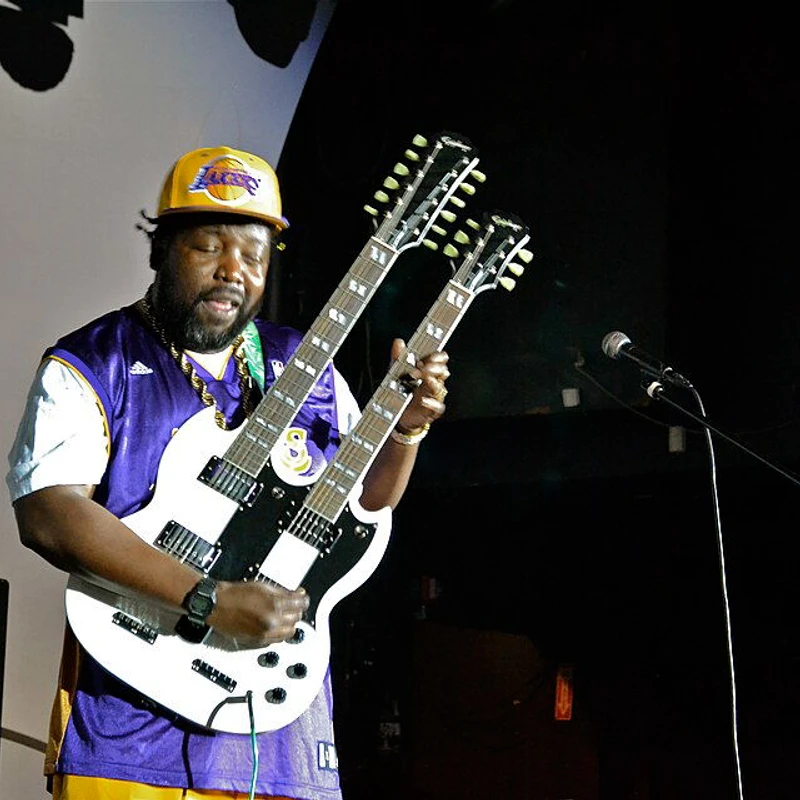
In a significant win for artistic freedom, Grammy-nominated rapper Afroman has emerged victorious in a defamation lawsuit filed against him by seven Ohio deputies. The case stemmed from Afroman’s use of home security footage from a 2022 raid on his home in music videos that mocked the incident.
The Raid and the Remix
The Adams County Sheriff’s Office conducted the raid on Afroman’s home under allegations of drug trafficking and kidnapping, though no charges were ultimately filed. During the raid, officers seized thousands of dollars in cash, electronics, and other items. Afroman claimed that only a fraction of his money was returned, leading him to use the home security footage to criticize the deputies’ actions in his music. This led to the deputies suing for defamation and invasion of privacy, seeking nearly $4 million in damages.
Afroman’s defense argued that criticism of public officials is a protected form of speech. His attorney highlighted that exaggeration is a common element in artistic expression, especially when used for social commentary. The viral music videos, including one inspired by a cake found in his kitchen and dubbed “Lemon Pound Cake,” garnered over 3 million views on YouTube, leading the deputies to claim harassment.
Defending the First Amendment
After the verdict, Afroman expressed his relief and the broader implications of the win: “It’s not only for artists. It’s for Americans. We have freedom of speech. They … did me wrong and sued me because I was talking about it.” He emphasized that the victory is for the people, asserting that problems can only be solved if individuals are free to speak about them.
Afroman testified that he had every right to share his experience with his fans and friends, noting the traumatic impact the raid had on his children, who were 10 and 12 at the time. He stated that the deputies’ actions initiated the entire situation: “If they hadn’t have wrongly raided my house, there would be no lawsuit. I would not know their names… and there would be no songs, nothing.”
The case served as a crucial test for the boundaries of parody and artistic criticism of public officials. Afroman’s victory reinforces the principle that artists can use their work to comment on their experiences, even when those experiences involve interactions with law enforcement.
What are your thoughts on Afroman’s legal victory and its impact on freedom of speech for artists? Share your opinions in the comments below!
Leave a Reply