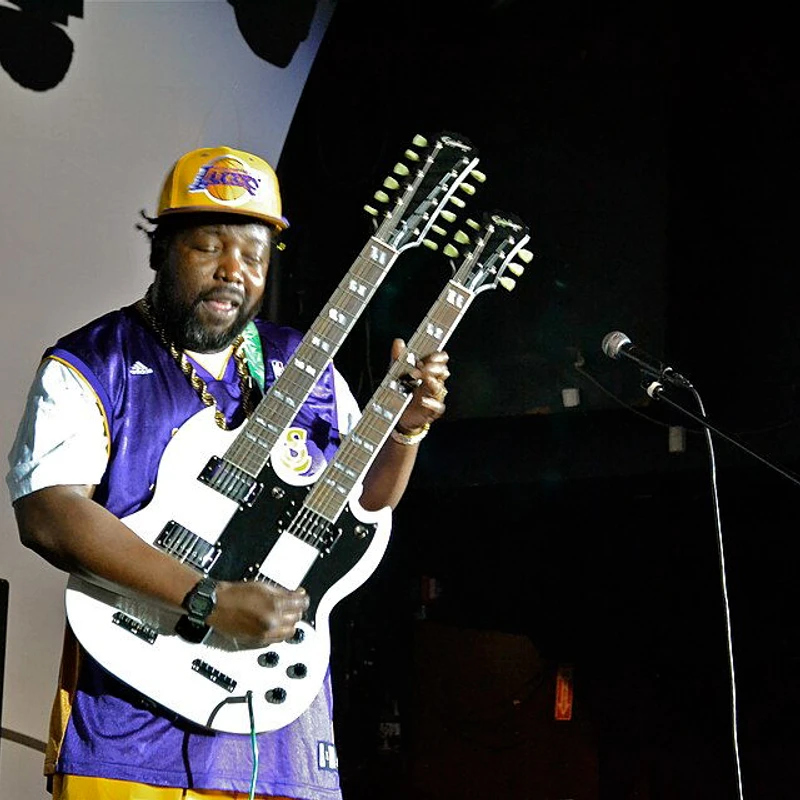
Tag: Afroman

  • Afroman Wins Case: Where Are Free Speech Advocates for Hip-Hop?

    Free speech is a fundamental right, but lately, it feels more like a privilege that’s selectively applied. Afroman recently proved that it shouldn’t be weaponized, but it begs the question: where are the staunch free speech defenders when hip-hop finds itself on trial?

    The Afroman Case: Turning Adversity into Art

    You’ve probably seen the viral clips from the defamation case brought against Afroman by seven Adams County, Ohio, sheriff’s deputies. Following a 2022 raid on his home, which yielded no evidence of the alleged drug trafficking and kidnapping, Afroman decided to turn lemons into lemonade—or in this case, a raid into a hit song.

    He ingeniously used footage from the raid, including a deputy eyeing his mother’s lemon pound cake, to create satirical music videos, social media content, and merchandise. The trial itself became a spectacle, with deputies on the stand making questionable claims, like one admitting he wasn’t sure if Afroman had sex with his wife. Afroman even brought a deputy’s ex-wife as a defense witness, adding to the drama.

    A Symbol of Free Expression

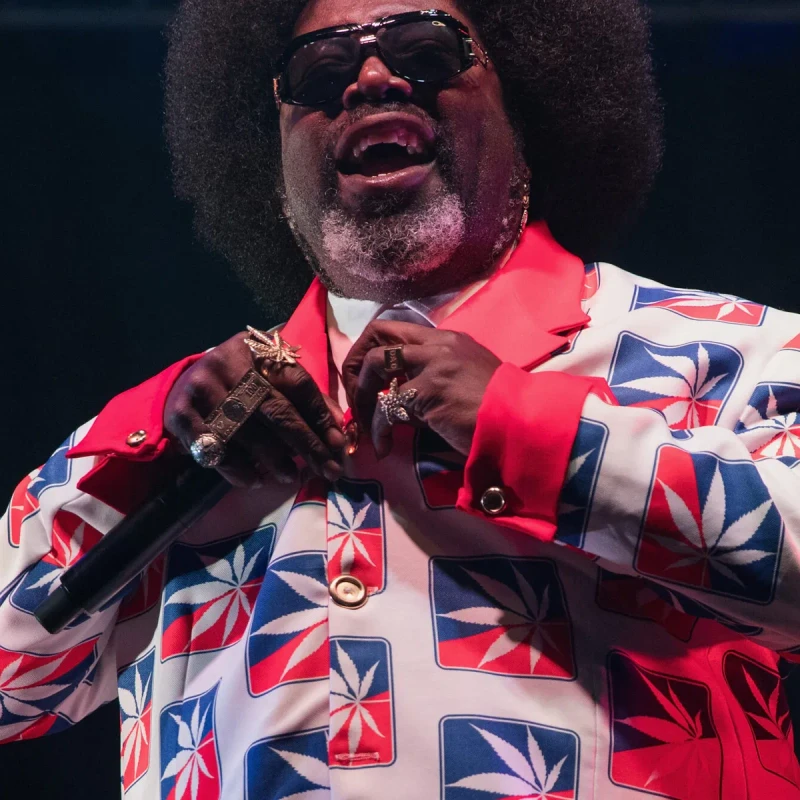
    Afroman’s courtroom attire—an American flag-patterned suit—felt particularly fitting. After the trial, he celebrated with supporters, expressing his love for America and for free speech, a right those very deputies are sworn to protect. The deputies’ lawsuit, however, seemed to mirror tactics seen elsewhere, even within hip-hop itself.

    Consider Drake’s attempt to sue UMG over Kendrick Lamar’s diss track. While both artists engaged in public back-and-forth, only one seemed to be seeking legal recourse for perceived humiliation. This trend of artists weaponizing defamation claims when public opinion doesn’t favor them is concerning, especially since a successful case could set a dangerous precedent for hip-hop.

    Hip-Hop Under Scrutiny

    It’s ironic that artists like Drake have previously supported petitions to protect Black art and restrict the use of rap lyrics in court. Hip-hop, and Black music in general, has a long history of being scrutinized and surveilled by the system. From the FBI monitoring Nina Simone for her activism to viewing Wu-Tang Clan as a criminal organization, this surveillance has rarely been about public safety; it’s been about controlling narratives.

    This pattern has intensified, with lyrics increasingly being presented as evidence in court. Cases like Young Thug’s RICO trial, where prosecutors dissected his music, and Lil Durk’s potential trial, where his lyrics could be scrutinized, highlight this alarming trend. While high-profile artists receive industry support, the fight against criminalizing artistic expression is crucial, as it can have life-altering consequences.

    The Fight for Artistic Freedom

    The urgency is palpable, especially in cases like that of James Broadnax, a Texas man facing the death penalty where prosecutors used misrepresented lyrics as evidence. High-profile support from artists like Travis Scott, Young Thug, and Killer Mike has been vital in seeking a stay of execution. Without such support, cases like Broadnax’s could easily be ignored.

    Afroman’s case is compelling because it showcases how the legal system can be used to suppress free expression, sometimes even within the genre itself. The deputies who sued him clearly felt they were above the law, only to face public humiliation in a nationally televised loss. For many, this felt like a cathartic moment, a small victory against the constant villainization of art.

    The question of who truly benefits from free speech protections remains open. However, it’s clear that hip-hop is currently at the forefront of the battle to preserve it. The selective outrage from some ‘free speech warriors’ highlights the need for consistent advocacy for all forms of artistic expression.

    What are your thoughts on the Afroman case and the broader issue of free speech in hip-hop? Share your perspective in the comments below!
  • Afroman Wins Lawsuit Against Deputies Over Music Video

    Big news in the music world! Rapper Afroman is celebrating a massive win after a jury sided with him in a civil case against several Ohio sheriff’s deputies. This legal battle all started after a 2022 raid on his Adams County home, where officers were executing a search warrant related to drug and kidnapping allegations. While no charges were ever filed against Afroman, the incident later spiraled into this courtroom drama.

    Deputies Sue Over Music Video Footage

    Seven deputies decided to sue Afroman, claiming their reputations were harmed. Their argument? That he featured them in his music videos using footage from his home security cameras. These videos, including one for his track “Lemon Pound Cake,” quickly went viral, bringing the whole situation to a much wider audience.

    The deputies felt the use of the footage defamed them. However, after hearing the case, a jury found that Afroman did *not* defame the officers. This means he’s cleared of all claims, even though reports suggest some officers were visibly emotional during the proceedings.

    Afroman: “America Won”

    Speaking after the verdict, Afroman offered a powerful perspective on his victory. He stated, “I didn’t win, America won. America still has freedom of speech for the people, by the people.” This sentiment highlights his belief that the case was about a fundamental right.

    Artist’s Defense: Property Rights and Mistaken Raid

    Throughout the legal process, Afroman consistently maintained that the footage captured by his security cameras was his property. He argued he had every right to use it creatively for his music videos. Furthermore, he contended that the entire raid was a mistake from the start, a search that he believed should never have occurred.

    Following this significant legal triumph, Afroman has expressed his intention to continue living in the same community where this whole ordeal unfolded. It seems he’s ready to move forward, embracing the freedom of expression that he believes this verdict has reaffirmed.

    What do you think about Afroman’s victory and his statement on freedom of speech? Share your thoughts in the comments below!

  • Afroman Wins Lawsuit Against Ohio Police

    In a significant win for artistic freedom, Grammy-nominated rapper Afroman has emerged victorious in a defamation lawsuit filed against him by seven Ohio deputies. The case stemmed from Afroman’s use of home security footage from a 2022 raid on his home in music videos that mocked the incident.

    The Raid and the Remix

    The Adams County Sheriff’s Office conducted the raid on Afroman’s home under allegations of drug trafficking and kidnapping, though no charges were ultimately filed. During the raid, officers seized thousands of dollars in cash, electronics, and other items. Afroman claimed that only a fraction of his money was returned, leading him to use the home security footage to criticize the deputies’ actions in his music. This led to the deputies suing for defamation and invasion of privacy, seeking nearly $4 million in damages.

    Afroman’s defense argued that criticism of public officials is a protected form of speech. His attorney highlighted that exaggeration is a common element in artistic expression, especially when used for social commentary. The viral music videos, including one inspired by a cake found in his kitchen and dubbed “Lemon Pound Cake,” garnered over 3 million views on YouTube, leading the deputies to claim harassment.

    Defending the First Amendment

    After the verdict, Afroman expressed his relief and the broader implications of the win: “It’s not only for artists. It’s for Americans. We have freedom of speech. They … did me wrong and sued me because I was talking about it.” He emphasized that the victory is for the people, asserting that problems can only be solved if individuals are free to speak about them.

    Afroman testified that he had every right to share his experience with his fans and friends, noting the traumatic impact the raid had on his children, who were 10 and 12 at the time. He stated that the deputies’ actions initiated the entire situation: “If they hadn’t have wrongly raided my house, there would be no lawsuit. I would not know their names… and there would be no songs, nothing.”

    The case served as a crucial test for the boundaries of parody and artistic criticism of public officials. Afroman’s victory reinforces the principle that artists can use their work to comment on their experiences, even when those experiences involve interactions with law enforcement.

    What are your thoughts on Afroman’s legal victory and its impact on freedom of speech for artists? Share your opinions in the comments below!

  • Afroman Blames Police for Raid in Lawsuit Defense

    Rapper Joseph Foreman, widely known as Afroman, is placing the blame squarely on Ohio police officers for his current legal troubles. Foreman is defending himself in a trial against Adams County Sheriff’s deputies who are suing him for using footage from a 2022 raid on his home in his music video “Lemon Pound Cake.”

    Blaming the Officers for the Lawsuit

    During his testimony on March 17, Afroman argued that the lawsuit would not exist if the officers had not “wrongly raided” his house in the first place. “All of this is their fault,” Foreman stated during the court hearing. “If they hadn’t wrongly raided my house, there would be no lawsuit, I would not know their names, they wouldn’t be on my home surveillance system, and there would be no songs… my money would still be intact.”

    The deputies claim that Afroman’s music and social media posts, particularly the “Lemon Pound Cake” video which went viral on Instagram showing the raid, have caused them “humiliation, ridicule, mental distress, embarrassment and loss of reputation.” They allege that the video depicts them breaking down his door, entering with rifles drawn, and potentially stealing money during the raid. The police raid itself reportedly failed to find any drugs or illegal paraphernalia.

    Freedom of Speech Defense

    Foreman is asserting his right to free speech, arguing that he has the right to create videos and posts using footage that captures the deputies’ actions. “Fact, they never should have came to my house in the first place. Fact, if they hadn’t came to my house, they wouldn’t have put themselves on the video camera and in my music career,” he testified. “Under the circumstance that I got freedom of speech after they run around my house with guns and kick down my door. I got the right to kick a can in my backyard, use my freedom of speech, turn my bad times into a good time. Yes, I do.”

    The deputies’ testimony included Deputy Lisa Phillips, who reportedly broke down on the stand, claiming harassment and questioning about her gender and sexuality due to the video’s circulation. Prosecutors played the video during the trial, further highlighting the emotional impact on the officers involved. Despite Afroman’s defense and claims of police error, an internal police investigation reportedly found the deputies’ actions to be unfounded and cleared them.

    • Rapper Afroman is being sued by Ohio police officers for using raid footage in his music video ‘Lemon Pound Cake’.
    • Afroman blames the officers for the raid itself, stating the lawsuit wouldn’t exist if they hadn’t made a mistake.
    • The deputies claim the video caused them humiliation, ridicule, and mental distress.
    • Afroman is defending his actions under the principle of freedom of speech.
    • The police raid reportedly found no illegal substances, and the officers involved were cleared internally.

    Do you believe Afroman has the right to use the raid footage under freedom of speech? Or should the officers’ privacy be protected? Share your thoughts in the comments below!