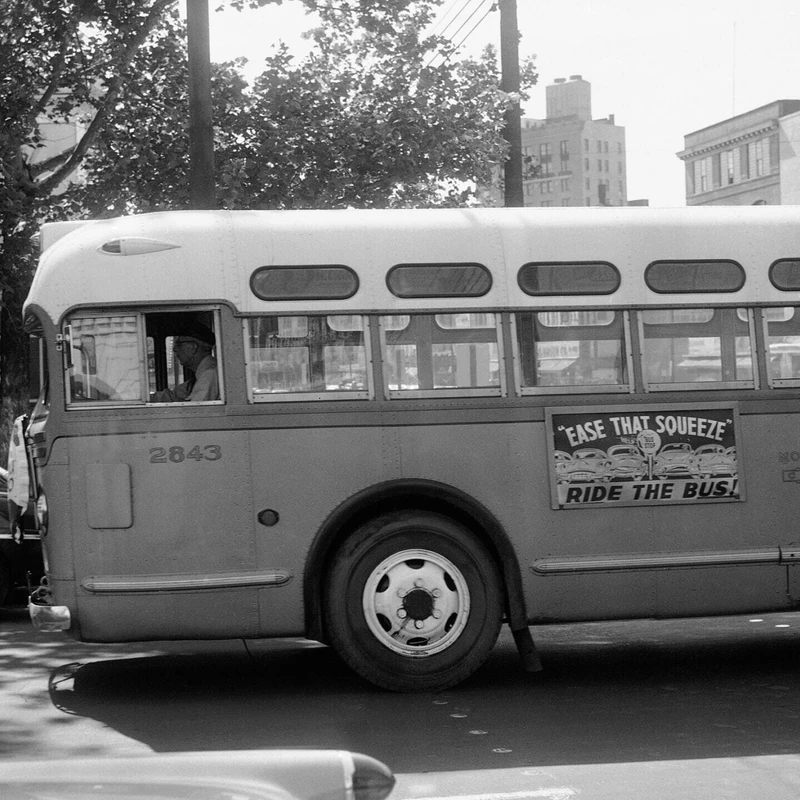
Seventy years ago, on December 5, 1955, a quiet act of defiance sparked a movement that would change the course of American history. The Montgomery Bus Boycott, ignited by Rosa Parks’ refusal to give up her seat, saw 40,000 Black residents of Montgomery, Alabama, refuse to ride city buses for 381 days. Today, as the boycott marks its 70th anniversary, its legacy continues to inspire new forms of activism, demonstrating the enduring power of economic pressure and organized protest.
From Walking to Selective Buying: The Evolution of Protest
Doris Crenshaw, who was just 12 years old when she helped distribute flyers for the boycott, recalls the profound sense of urgency and unity. “We walked, and we kept walking,” she remembered, highlighting the immense dedication required. This spirit of sustained, nonviolent action, coupled with economic pressure, laid the groundwork for modern activism. NAACP President Derrick Johnson refers to these actions as “selective buying campaigns,” emphasizing the strategic use of consumer power.
While the methods have evolved, the core principle remains the same: leveraging community economic power to drive social and policy change. Today, with the widespread use of social media, boycotts often manifest as digital calls to action, targeting corporations over their diversity initiatives or political stances. Organizers encourage consumers to “dig deep about where they want to spend their dollars,” making conscious choices about supporting businesses that align with their values.
The Spirit of Montgomery Lives On
Deborah Scott, CEO of Georgia Stand-Up, emphasizes that the underlying goal of boycotting – to enact change – has not wavered. Having organized around the anti-apartheid movement and worked to establish a holiday honoring Dr. Martin Luther King Jr., Scott learned from civil rights activist Rev. James Orange the importance of sustained effort and preparing the next generation of leaders. She stresses that true change requires more than just online engagement; it demands thoughtful action and commitment.
Scott notes that the biggest shift in boycotting with younger generations is the focus on consumer purchasing power. “We’re encouraging people to really dig deep about where they want to spend their dollars,” she says. This approach empowers individuals to make a tangible impact by supporting businesses that demonstrate ethical practices and social responsibility.
A New Generation Takes Action
The legacy of the Montgomery Bus Boycott is being carried forward by young activists like Madison Pugh, an eighth-grader who, at 13, decided not to shop at Target after the company scaled back its diversity initiatives. Growing up in Montgomery, Pugh is deeply aware of the civil rights history surrounding her. “It’s saddening to the heart to know that a whole group of people weren’t allowed to go somewhere and have an education or be treated as humans because they were a different skin color,” she shared. “It definitely lets me know that the job will never be finished and you have to keep pushing.”
Scott aims to connect the activism of the past with the present, reminding people that the civil rights movement is an ongoing struggle. The spirit of unity and collective action that fueled the Montgomery Bus Boycott continues to inspire movements for justice and equality today, proving that the power of the people, when organized, can indeed drive profound change.
How do you participate in boycotts or selective buying today? Share your experiences and thoughts on modern activism in the comments below!
Leave a Reply