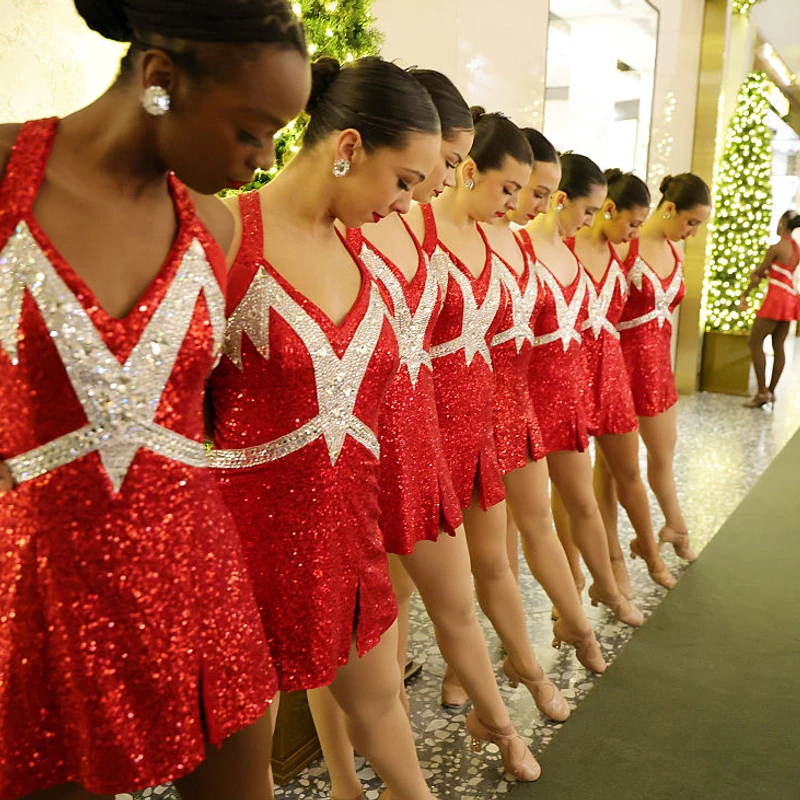
The Radio City Rockettes are an American icon, synonymous with precision, glamour, and the dazzling spectacle of the Christmas Spectacular. But for decades, this image of perfection was almost exclusively white. It wasn’t until the 1980s that the troupe began to truly reflect the diversity of the audiences they entertained. Let’s delve into the gritty, inspiring rise of the Black dancers who broke Radio City’s color line.
Jennifer Jones: The Trailblazer
The pivotal moment arrived in 1987 when Jennifer Jones shattered the mold, becoming the very first Black Rockette. Her national debut during the 1988 NFL Super Bowl halftime show wasn’t just a personal triumph; it signaled a monumental shift for the iconic dance company. Jones, who dreamed of dancing from a young age, has dedicated decades to advocating for greater diversity in the arts.
Her journey is now chronicled in her children’s book, “On the Line: My Story of Becoming the First African-American Rockette.” Reflecting on her historic achievement, Jones shared, “I not only got to do what I love to do, but I ushered in a whole new era, and a whole line of Black ladies can now stand on the Radio City Music Hall stage and say, ‘I’m a Rockette.’”
Resistance and Resilience
Jennifer Jones’s groundbreaking role was met with resistance. While some dancers and fans offered support, she also encountered negativity. “With change comes resistance,” she recalled. Leaning on her love for dance, she persevered through the challenges.
The resistance wasn’t solely from peers; historical quotes reveal deeply ingrained racial bias within the troupe’s past leadership. Founder Russell Markert once suggested that a “tanned” girl alongside a pale one would make the latter look “colored.” Later, choreographer Violet Holmes infamously stated that “one or two Black girls would definitely distract” from the Rockettes’ signature precision. Jones rightly pointed out that this indicated systemic racism, where talent was overlooked in favor of racial identity.
Decades of Advocacy and Gradual Change
The Rockettes’ history, initially as the Missouri Rockets in the 1920s, was marked by segregation, barring Black performers from dancing alongside white counterparts. It took decades of advocacy, including Gregory J. Peterson’s 1984 thesis “The Rockettes: Out of Step with the Times,” which highlighted the lack of diversity, to push for change. His work helped clarify hiring practices under the Civil Rights Act, paving the way for Jones’s historic audition.
Danielle Jolie Dale-Hancock: The Second Pioneer and Leader
Following Jones, Danielle Jolie Dale-Hancock became the second Black Rockette and notably, the first woman of color to serve as Dance Captain, a role she held for an impressive 18 years. Even in her early career, Dale-Hancock noted subtle segregation, with women of color often placed in separate lines. Today, she is part of the Radio City Rockettes of Color Alumnae (ROCA), a group supporting and mentoring current and aspiring dancers of color.
Progress and the Path Forward
The Rockettes’ current blog highlights diversity as a central theme, featuring profiles of African American dancers and celebrating Black history. Performers like Danelle Morgan, who landed a role during her junior year of college thanks to Rockettes workshops and even received a Madame Tussauds wax figure in 2024, exemplify the thriving presence of Black dancers today.
However, Dale-Hancock emphasizes that true progress requires leadership diversification at Radio City Music Hall. “It starts at the top, and it is not going to get any better until they diversify there,” she stated. The story of the Black Rockettes is a powerful testament to resilience, talent, and the ongoing fight for inclusion in the performing arts.
What are your thoughts on the journey towards diversity within the Radio City Rockettes? Share your reflections in the comments below!
Leave a Reply