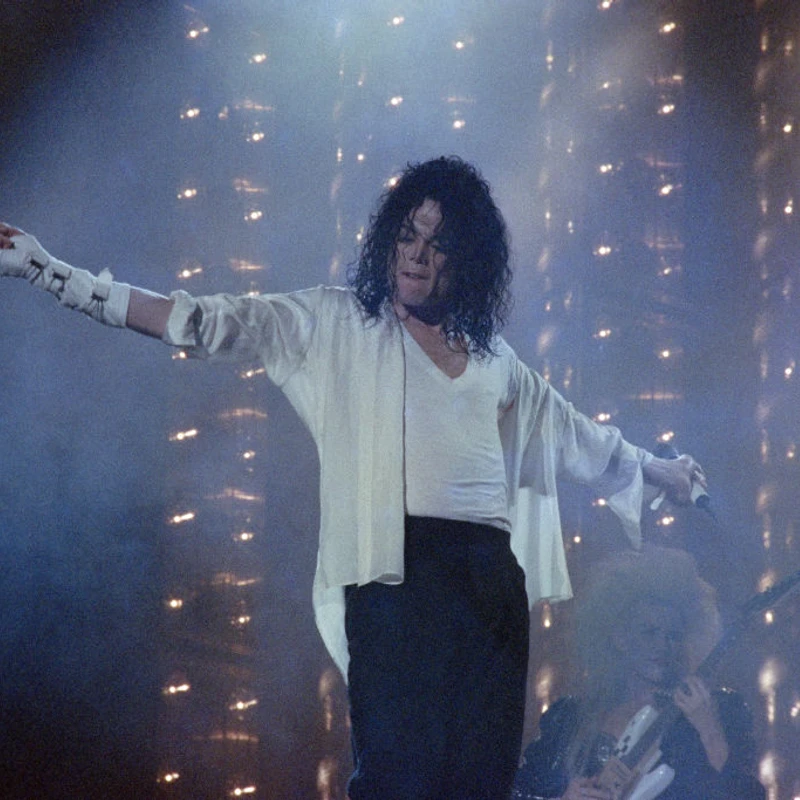
Every year on May 25th, we celebrate National Tap Dance Day, a special occasion dedicated to the legendary Bill Robinson and the vibrant art form he helped popularize. Since its official recognition by Congress in 1989, this day has become a fantastic opportunity to honor the rich cultural legacy of tap dancing through performances, workshops, and community events.
Tap dancing is more than just rhythmic footwork; it’s a powerful expression of culture, history, and innovation. From the early days of vaudeville to the dazzling lights of Broadway and Hollywood, Black artists have been at the forefront, pushing boundaries and shaping tap into the global phenomenon it is today. Let’s take a moment to shine a spotlight on seven incredible Black tap dancers whose fancy footwork and dedication have left an indelible mark on the art form.
1. Bill “Bojangles” Robinson
You can’t talk about tap dance without mentioning the legendary Bill “Bojangles” Robinson. He didn’t just perform; he revolutionized rhythm tap dancing and broke significant racial barriers, becoming one of the first Black entertainers to headline white vaudeville circuits and star in Hollywood films. Robinson introduced a lighter, more elegant style, famously performing on his toes rather than flat-footed, which he called the “Staircase dance.”
His iconic moment in the 1935 film “The Little Colonel,” where he danced alongside Shirley Temple, marked the first interracial dance partnership ever shown on screen. Robinson also starred in the all-Black Broadway revue “Blackbirds” and was the highest-paid Black entertainer in the U.S. during the first half of the 20th century.
2. Gregory Hines
Gregory Hines was a true force in reviving tap dancing for modern audiences. Born in New York in 1946, Hines masterfully blended improvisation, music, and storytelling into his routines, earning widespread acclaim. His electrifying performance in “Jelly’s Last Jam” on Broadway earned him the 1992 Tony Award for Best Actor in a Musical, along with a Drama Desk Award.
Beyond his Broadway triumphs, Hines graced the silver screen in iconic films like “The Cotton Club,” “White Nights” (alongside Mikhail Baryshnikov), and the aptly named “Tap.” He also played a pivotal role in successfully lobbying Congress to establish National Tap Dance Day, cementing his legacy as a champion of the art form.
3. Savion Glover
Savion Glover brought a raw, street-inspired energy to tap dancing that redefined the genre. Hailing from Newark, New Jersey, Glover first gained fame in the Broadway production “The Tap Dance Kid.” He became renowned for his hard-hitting, funk-driven style, often dancing with his back to the audience, focusing purely on the rhythm and sound.
Glover’s innovative approach transformed contemporary tap. He famously starred alongside Gregory Hines in “Jelly’s Last Jam” and later conceived, choreographed, and starred in the groundbreaking 1995 production “Bring in ‘da Noise, Bring in ‘da Funk.” This show explored African American history through rhythm and tap, earning Glover a Tony Award and a Drama Desk Award for Best Choreography. His work on the 2016 Broadway revival of “Shuffle Along” further solidified his status as a visionary artist.
4. Dianne Walker
Affectionately known as “Lady Di,” Dianne Walker is a treasure in the tap dance community. For over four decades, she has dedicated herself to preserving and teaching the rich traditions of tap. A respected mentor to many, including Savion Glover, Walker is celebrated for her elegant style and profound commitment to tap’s history.
Her performances have graced both the Paris and Broadway productions of “Black and Blue,” as well as films and specials like “Tap” and “Great Performances.” Walker has also shared her expertise at prestigious institutions such as Harvard, MIT, and Jacob’s Pillow, earning numerous accolades for her contributions to dance education and performance.
5. Ayodele Casel
Hailed by the legendary Gregory Hines as “one of the top young tap dancers in the world,” Ayodele Casel is a leading voice in contemporary tap. This internationally recognized performer masterfully combines storytelling, rhythm, and activism in her captivating work. During her fellowship at the Harvard Radcliffe Institute, Casel developed “Diary of a Tap Dancer,” a project dedicated to highlighting the often-overlooked contributions of women in tap history.
6. The Nicholas Brothers (Fayard and Harold)
Fayard and Harold Nicholas, known collectively as the Nicholas Brothers, achieved international fame for their breathtaking, gravity-defying routines. Their performances were a dynamic fusion of tap, acrobatics, jazz, and athletic leaps. They headlined at the legendary Cotton Club and starred in over 30 Hollywood films, inspiring countless performers with their unique style.
Their iconic “Jumpin’ Jive” routine in the 1943 film “Stormy Weather” is still considered one of the greatest dance sequences ever filmed. It famously featured them leaping over each other down a staircase, landing in perfect splits on every step. As pioneers in both Hollywood and live entertainment, they also broke racial barriers at the Cotton Club, becoming the highest-paid Black dance duo of their era and influencing generations, including Michael Jackson.
7. Michael Jackson
While the “King of Pop” is celebrated for his groundbreaking music and dance moves, Michael Jackson also had a deep connection to tap dance. He studied legendary performers like the Nicholas Brothers and masterfully blended tap-inspired rhythms into his signature style, most notably in his iconic Moonwalk. His lightning-fast footwork, musical precision, and smooth transitions often echoed classic tap influences.
Through his electrifying live performances, television appearances, and music videos, Jackson introduced tap-inspired movement to a global pop audience, leaving an immense mark as one of the most influential figures in dance history.
As National Tap Dance Day approaches, these incredible artists continue to inspire dancers and audiences worldwide. Their legacies are a testament to the power, innovation, and enduring beauty of tap dance, reminding us to celebrate their contributions forever.
Who are your favorite Black tap dancers? Share your thoughts and celebrate these incredible artists in the comments below!