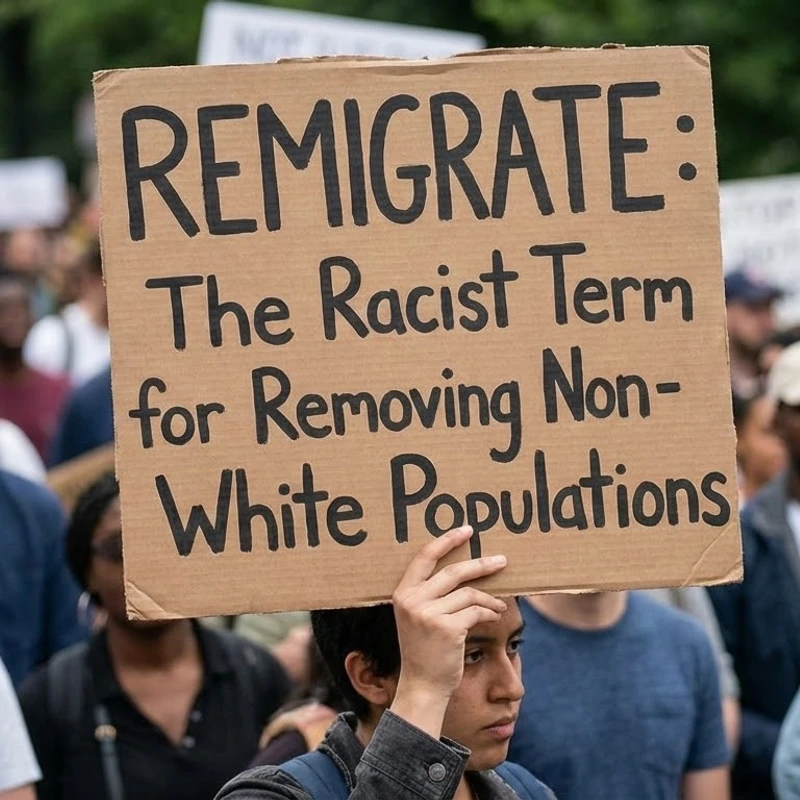
Have you seen the term ‘reimigration’ popping up online and felt a bit confused? You’re not alone! This term has recently gained traction, sparking questions about its meaning and its potential connection to U.S. immigration policy. Let’s break down what it means, where it comes from, and how it relates to broader political discussions.
What Exactly is ‘Reimigration’?
The term ‘reimigration’ isn’t found in any official U.S. immigration law or recognized legal category. Its sudden appearance in online discussions, including posts from official-looking accounts, has caused quite a stir. One tweet from the official White House account referenced Section 212(f) of the Immigration and Nationality Act, which grants the executive branch power to restrict entry for national interest. This is a tool that various administrations have used before.
However, a subsequent post from what appeared to be a Homeland Security account stated, “The stakes have never been higher, and the goal has never been more clear: Reimigration now.” This specific phrasing, especially coming from an official-sounding source, raised eyebrows because ‘reimigration’ isn’t standard terminology in U.S. policy discussions.
The Far-Right Origins of the Term
So, where does this term come from? The meaning of ‘reimigration’ becomes clearer when we look at its use by far-right extremist groups, particularly in Europe. In these contexts, ‘reimigration’ is often promoted by movements advocating for the removal of non-white or non-European populations, regardless of their citizenship or how long they’ve lived in a country. This concept is deeply rooted in ideas of demographic control and ethnic identity, and it’s widely condemned as racist and discriminatory.
In the United States, this term is primarily used by fringe online groups, not by mainstream political figures or official agencies. Some influencers on the far-right use it to push for mass deportations of undocumented immigrants or groups they believe don’t align with their vision of national identity. It’s important to note that these ideas often run counter to established U.S. laws and legal frameworks.
Connecting ‘Reimigration’ to Project 2025
The conversation around ‘reimigration’ has also become intertwined with discussions about Project 2025. This is a comprehensive policy blueprint developed by a coalition of conservative organizations. While Project 2025 itself doesn’t use the word ‘reimigration,’ it outlines significant and aggressive changes to immigration policy.
- Expanding enforcement authority.
- Increasing the removal of undocumented immigrants.
- Limiting access to asylum.
- Reducing both legal and humanitarian immigration pathways.
- Reorganizing federal immigration agencies.
- Strengthening detention and removal capabilities.
Supporters of Project 2025 argue that its proposals are designed to restore order to the immigration system. However, critics express concern that some elements could lead to significant disruption within immigrant communities and create conditions that echo the sentiments behind the far-right concept of ‘reimigration,’ even without using the specific term.
Navigating the Immigration Debate
Understanding the nuances of terms like ‘reimigration’ and the proposals within documents like Project 2025 is key to grasping the current immigration debate. It highlights the tension between different visions for national identity, border security, and the future of immigration in the United States.
What are your thoughts on the use of terms like ‘reimigration’ in political discourse? How do you see Project 2025’s proposals impacting the future of immigration? Let us know in the comments below!
Leave a Reply