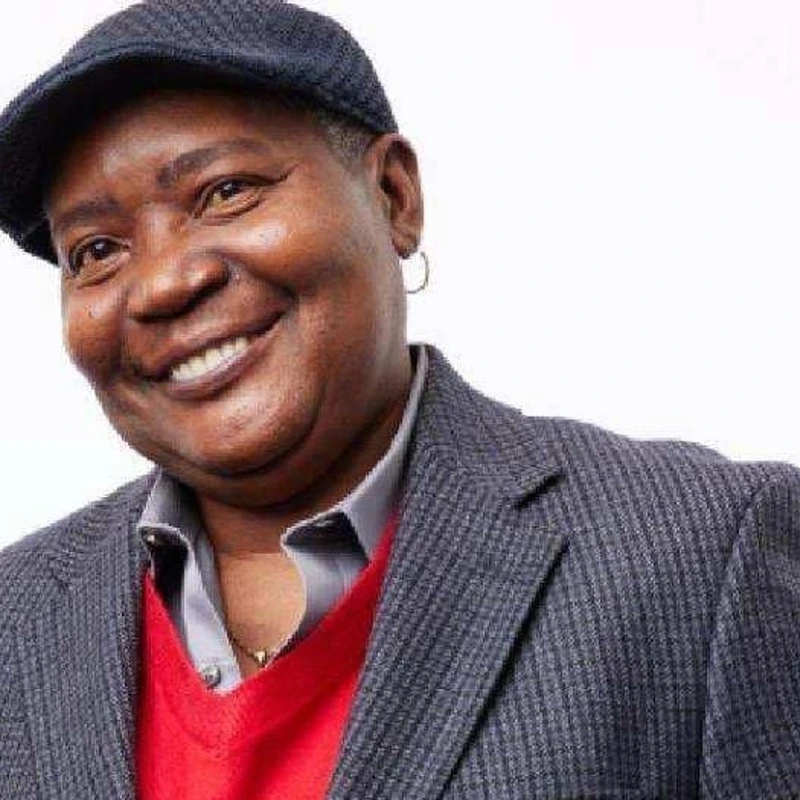
Imagine hearing the words “stage 4 small cell lung cancer.” For many, it’s a grim prognosis, a battle with overwhelming odds. But Lalisha’s story is a beacon of hope, proving that even in the face of aggressive disease, a fight for better answers can lead to a life-changing breakthrough. After a diagnosis that offered little optimism, Lalisha is now cancer-free, thanks to a revolutionary treatment called tarlatamab.
The Grim Reality of Stage 4 SCLC
In October 2023, Lalisha received the devastating news: stage IV small cell lung cancer (SCLC). This form of cancer is known for its rapid progression, and Lalisha’s diagnosis quickly moved from limited to extensive stage. The immediate question wasn’t just about treatment, but about survival itself. The physical toll was immense, marked by bone pain, debilitating fatigue, and weakness that made daily tasks a struggle.
Beyond the physical pain, the emotional weight was crushing. Lalisha navigated depression, grief, and the profound challenge of confronting their own mortality. Yet, even amidst this darkness, the will to fight never wavered. The initial treatment at their care facility proved ineffective, leaving Lalisha feeling lost and unheard.
A Bold Decision for a Second Chance
Driven by a deep-seated mistrust of inadequate healthcare – a pain amplified by their mother’s passing at age 39 due to insufficient medical attention – Lalisha took a pivotal step. They drove themselves to the Mayo Clinic, seeking a second opinion and better answers. This proactive decision was crucial, as they learned their initial physician had delayed treatment for three months based on a mistaken belief that a nodule was pre-cancerous.
A subsequent biopsy and lobectomy at the Mayo Clinic confirmed the nodules were indeed cancerous, leading to a diagnosis of limited-stage SCLC. Lalisha chose to continue their treatment journey at Northwestern Memorial Hospital in Chicago, ready for whatever came next.
Tarlatamab: A Treatment That Changed Everything
With cancer having spread throughout their body, the medical team acted swiftly. Even before the next scan, arrangements were made for tarlatamab, a promising new treatment developed by Amgen, which had recently been highlighted at the 2025 ASCO Annual Meeting. The initial doses, administered during hospitalization, came with side effects like cytokine release syndrome (CRS).
But by the third dose, a remarkable shift occurred. Lalisha began to feel better. Just two months later, a PET scan delivered the most incredible news: no evidence of active cancer. “It was the best news I’ve ever received,” Lalisha shared. “My mental health improved. My physical health improved. I could walk without fear of falling. I could play basketball again. I had my life back.”
From Survivor to Advocate
Lalisha’s fight didn’t end with their own recovery. As a retired social worker with 30 years of experience, they found a powerful new purpose: advocating for others facing similar battles. They now facilitate a support group for SCLC survivors, speak at conferences, and offer guidance to individuals exploring their treatment options.
I look at myself as an example of what happens when researchers, medical providers, and scientists focus on truly helping patients live. — Lalisha
Their experience has fueled a passion for systemic change, particularly in how healthcare providers communicate with patients. Lalisha urges medical professionals to adopt a more hopeful approach, stating, “Some doctors become pessimistic and say things like, ‘This is going to take you out.’ That kind of language kills hope. We need providers who treat us like survivors, not statistics.”
Key Takeaways for Patients
- Always seek a second opinion if something feels off.
- Be your own strongest advocate; speak up about your care.
- Maintain hope, as medical advancements are constantly emerging.
- Build a strong support network of caregivers, family, and fellow patients.
- Prioritize mental health and seek professional support.
- Push for equitable access to care, especially for marginalized communities.
- Celebrate every small victory along the way.
Lalisha’s journey is a powerful reminder of the importance of patient advocacy, the impact of innovative treatments like tarlatamab, and the critical need for equitable access to healthcare. They continue to champion a future where no one with small cell lung cancer feels overlooked, emphasizing that reclaiming life is possible.
What are your thoughts on Lalisha’s inspiring journey and the importance of tarlatamab? Share your experiences or questions in the comments below!
Leave a Reply