Planning a road trip this Thanksgiving? You might want to know that the U.S. Border Patrol has reportedly been operating a secret surveillance program across the country, tracking drivers’ movements and flagging those deemed “suspicious.”
Automated License Plate Readers Nationwide
A recent investigative report by the Associated Press revealed that the U.S. Border Patrol, a division of Customs and Border Protection (CBP) under the Department of Homeland Security, is utilizing automated license plate readers (ALPRs) nationwide. These cameras, often hidden along highways, scan and record license plate information.
The collected data is then fed into an algorithm that flags vehicles based on factors like origin, destination, and route taken. This system, which reportedly began about a decade ago to secure borders, has allegedly expanded significantly in the last five years, involving collaborations with the DEA, private companies, and local law enforcement.
Targeting “Suspicious” Drivers
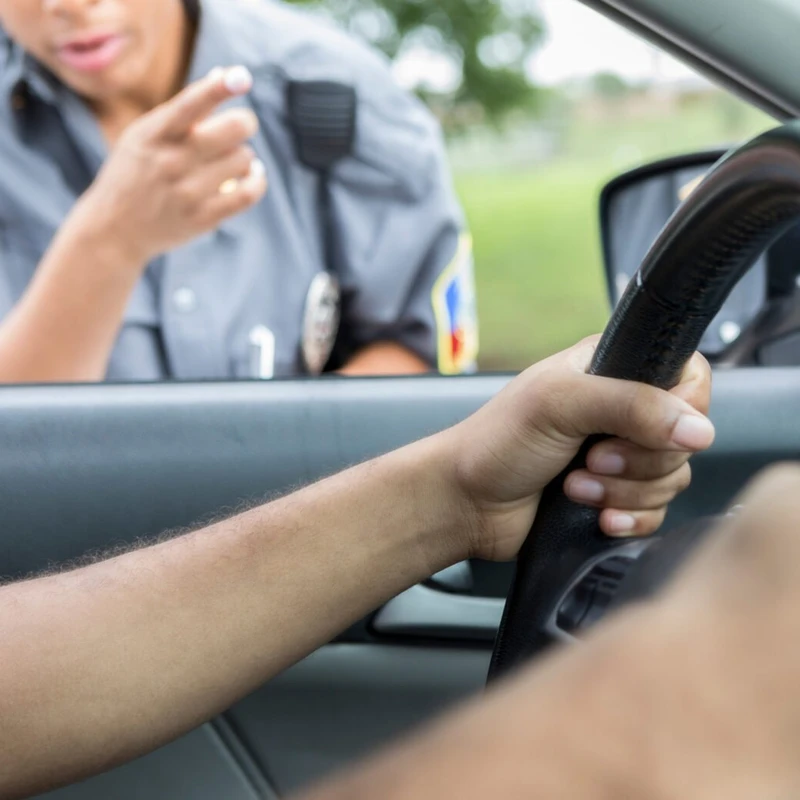
The flagged vehicles are then allegedly targeted by local law enforcement for “pretext stops.” This means drivers might be pulled over for minor traffic violations, such as speeding or improper signaling, only to be questioned, searched, or have their property seized for unrelated reasons. Some drivers have even been arrested during these stops.
These stops, sometimes referred to as “wall,” “whisper,” or “intel” stops, raise serious privacy concerns, especially as millions of Americans begin their Thanksgiving travels. The American Automobile Association (AAA) predicts that 73 million people will be traveling by car this holiday season.
ACLU Calls for Action
The American Civil Liberties Union (ACLU) has strongly condemned the program, stating that the U.S. Border Patrol appears to be transforming into a “nationwide intelligence agency and police force that targets innocent people using techniques that should be unacceptable in a free society.”
The ACLU is urging Congress, as well as state and local governments, to take rapid action to rein in this surveillance program. They emphasize the need to restrict federal agencies from placing plate readers on public highways and limit law enforcement participation through data-sharing arrangements.
What are your thoughts on this alleged surveillance program? How do you feel about your movements being tracked? Share your concerns in the comments below!
Leave a Reply