If you’re planning a trip to Northern Japan, it’s crucial to be aware of a recent surge in bear attacks. The U.S. Embassy & Consulates in Japan has issued a wildlife alert, urging travelers to exercise caution, especially in regions like Hokkaido and Akita prefectures.
Consulate Closure and Safety Advice
The U.S. Consulate General near Sapporo’s Maruyama Park was temporarily closed for two weeks following a bear sighting. This closure, while standard protocol for local authorities after a bear sighting, underscores the heightened concern. The embassy advises visitors to be “diligent and aware” of their surroundings.
To stay safe, travelers are encouraged to avoid areas where bears have been spotted, refrain from walking alone in such locations, and report any sightings to local authorities. Registering your travel with the State Department’s Smart Traveler Enrollment Program (STEP) is also recommended, as it helps authorities locate you in emergencies and provides crucial information about your destination.
The Scale of the Problem
The situation is serious. Japan’s Environment Ministry reported that in October 2025 alone, bears attacked 88 people, resulting in seven fatalities. Between April and October of this year, bears injured or killed 196 people across Japan, with Akita prefecture experiencing the most incidents (56). Over 10 deaths have been reported during this period.
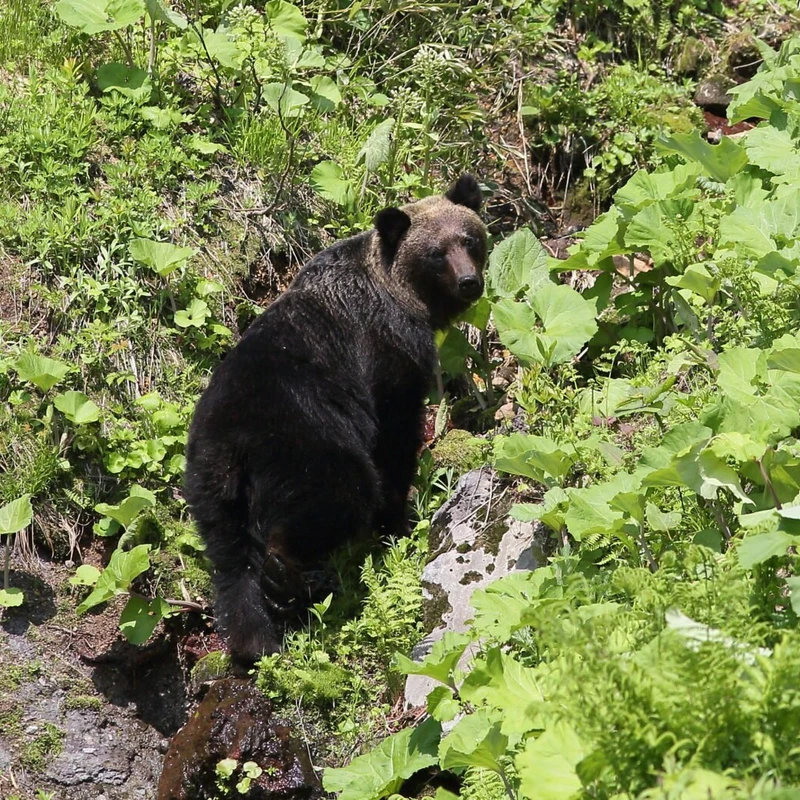
Bear attacks tend to be most common in October and November as the animals prepare for hibernation. Japan is home to two types of bears: the Asiatic black bear (also known as the “moon” bear) and the Hokkaido brown bear, which inhabits the northern island prefecture of Hokkaido.
Contributing Factors to Increased Incidents
The rise in bear-human encounters is attributed to a combination of factors. These include climate change impacting bear habitats, an increase in bear populations, an aging population of hunters, and the depopulation of rural areas, which can lead to bears venturing closer to human settlements.
In response to the growing issue, Japan even deployed troops in early November to support local authorities in Kazuno, a small town grappling with bear problems. This highlights the severity of the situation and the need for coordinated efforts to manage wildlife interactions.
Are you planning a trip to Japan? How do you prepare for potential wildlife encounters when traveling? Share your tips and experiences in the comments below!
Leave a Reply