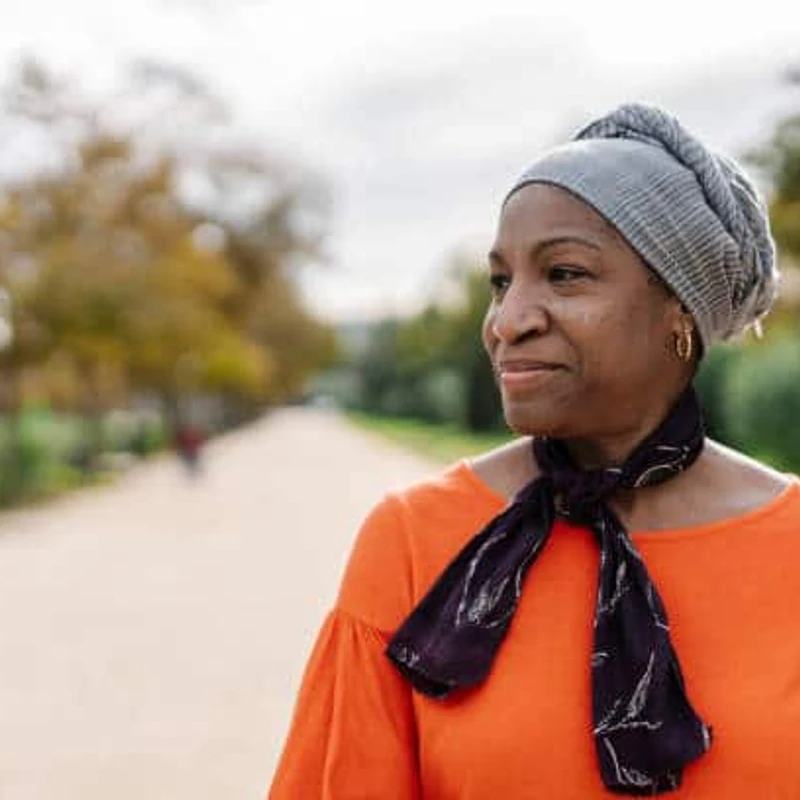
We often hear that Black American women are at a higher risk for triple-negative breast cancer (TNBC), a particularly aggressive form of the disease. But what if that picture is more complex than we thought? New research is shedding light on how where you’re from might actually play a significant role in your risk for TNBC, suggesting that not all Black women face the same odds.
Unpacking the Latest Research Findings
The American Cancer Society (ACS) dug into data from over 65,000 non-Hispanic Black women diagnosed with invasive breast cancer between 2010 and 2015. They looked at birthplace – specifically, whether participants were born in the United States, East Africa, West Africa, or the Caribbean. What they found was eye-opening!
- Women born in West Africa showed similar rates of TNBC compared to US-born Black women.
- Those born in the Caribbean had a 13% lower rate.
- Remarkably, women born in East Africa had a 47% lower rate of TNBC.
This study is a big deal because it’s one of the first large-scale efforts to look at breast cancer risk *within* different groups of Black women, rather than lumping everyone into one category. It highlights that birthplace might be a more significant factor than previously understood.
Why Do These Differences Exist?
The exact reasons behind these variations are still a bit of a mystery, but researchers are pointing to a combination of factors. It’s likely a mix of our biology and the environments we live in.
Genetics and Ancestry
Many Black women in the US and the Caribbean share significant ancestry from West Africa. If certain inherited genetic traits are linked to a higher risk of TNBC, this could help explain why women with West African roots might be more susceptible. It’s a complex genetic puzzle we’re still piecing together.
Lifestyle and Environmental Influences
Our daily lives play a huge role too! Things like diet, stress levels, income, cultural practices, and how easily we can access healthcare all matter. For instance, adopting a Western diet or facing barriers to preventive care might contribute to higher risk among US-born women. Conversely, women from East Africa might maintain different lifestyle habits that offer protective benefits.
Social and Structural Factors
We can’t ignore the impact of systemic issues. Racial bias within the healthcare system, disparities in insurance coverage, and unequal access to screening facilities can unfortunately lead to delayed diagnoses. When cancer is caught later, it’s often more aggressive and harder to treat.
Why This Matters for Your Health
Triple-negative breast cancer is known for developing quickly and spreading faster than other types. It’s also tougher to treat because it doesn’t respond to common hormone therapies. This is precisely why early detection is so critical. By understanding that risk isn’t uniform across all Black women, doctors can develop more tailored screening recommendations.
Our results tell us that knowledge based on such a broad categorization of Black versus white women may mask the complexity of the differences in breast cancer that appeared to be present within Black women. — Hyuna Sung, PhD, Lead Author
This research underscores a vital point: treating all Black women as a single risk group can hide crucial differences. More detailed data, including birthplace and ancestry, could pave the way for more accurate prevention and early detection strategies.
What You Can Do Right Now
While researchers continue to explore the ‘why’ behind these differences, there are proactive steps you can take. Knowledge is power, and taking charge of your health is the first step!
- **Know Your Family History:** If breast cancer runs in your family, especially at younger ages, discuss genetic counseling or earlier screening with your doctor.
- **Start Screening on Time:** The ACS recommends mammograms starting at age 40 for average-risk women. If you’re at higher risk, talk to your doctor about starting earlier or using additional screening methods like MRI.
- **Don’t Wait if Something Feels Wrong:** Pay attention to your body. Report any new lumps, swelling, skin changes, or nipple discharge immediately. TNBC grows fast, so early action is key.
- **Talk to Your Doctor About Your Background:** Bring up your birthplace and ancestry, even if your doctor doesn’t ask. This information can be relevant.
- **Adopt Heart-Healthy Habits:** A balanced diet, regular exercise, maintaining a healthy weight, and limiting alcohol can all contribute to overall health and potentially lower cancer risk.
- **Advocate for Yourself:** If you feel your concerns are being dismissed or you’re being rushed, don’t hesitate to seek a second opinion from another healthcare provider.
- **Connect with Community Resources:** Local breast cancer foundations, Black women’s health organizations, and support groups can offer invaluable assistance with screenings, financial aid, and navigating your care.
The Path Forward
The study authors are urging cancer registries to collect more comprehensive data, including birthplace information. Better tracking will empower researchers to fully understand the spectrum of breast cancer risk among women of African descent and develop more targeted solutions. This research is a powerful reminder: Black women are not a monolith. Our genetics, culture, healthcare systems, and history all shape our health outcomes. Recognizing these unique differences is essential for earlier detection, better treatment, and truly personalized care.
What are your thoughts on these findings? How can we better support personalized breast cancer screening for all women? Share your insights in the comments below!
Leave a Reply