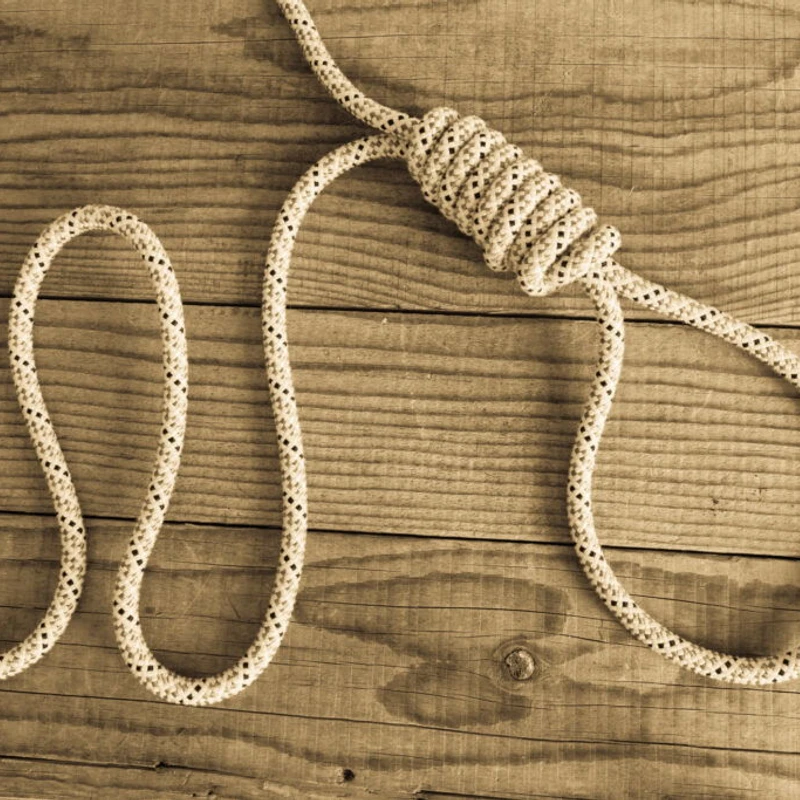
The U.S. Coast Guard is facing intense backlash following the unveiling of a new policy that reclassifies widely recognized hate symbols, such as swastikas and nooses, from explicit hate symbols to merely “potentially divisive” emblems. This significant shift, set to take effect on December 15th, stops short of defining these symbols as directly tied to racial, ethnic, or religious intimidation.
Downgrading Hate Symbols
Under the updated guidelines, these deeply offensive symbols are moved to a less severe category. While the Confederate flag remains banned in most contexts, the new policy appears to create more room for the display of certain historical or artistic imagery. This change aligns with a broader effort within the Trump administration to reassess and potentially scale back regulations concerning harassment and hazing across the military, arguing that current rules might be “overly broad” and could impact combat readiness.
The Coast Guard initially declined public comment but later responded to reporting by The Washington Post. Spokeswoman Jennifer Plozai stated the service “disagreed with The Post’s reporting” but indicated a plan to reassess the policy language. In a statement attributed to acting commandant Adm. Kevin Lunday, the service avoided directly explaining the shift but maintained that symbols like swastikas and nooses “violate our core values and are treated with the seriousness they warrant.”
Ambiguity and Concerns Over Enforcement
Despite Lunday’s assurance, the policy itself introduces ambiguity regarding when commanders must act. He described the revised guidelines as an effort to “streamline administrative requirements.” However, a comparison with prior guidance reveals a stark change in tone. A 2023 policy explicitly listed swastikas, nooses, and Confederate symbols as items automatically considered “potential hate incidents” due to their adoption by hate-based groups as symbols of supremacy.
The new wording categorizes them as “potentially divisive symbols,” alongside imagery used by extremist groups. This change has deeply troubled officials familiar with the revisions. “We don’t deserve the trust of the nation if we’re unclear about the divisiveness of swastikas,” one official commented.
Wider Implications and Criticisms
The revised rules also impose a 45-day deadline for reporting such symbols, a significant change that critics argue could disadvantage personnel deployed at sea. “If you are at sea, and your shipmate has a swastika in their rack…are you going to feel safe reporting that?” questioned one Coast Guard official.
Sen. Jacky Rosen (D-NV) urged the administration to reverse the policy, warning that weakening standards “sends the wrong message,” especially amid rising global antisemitism. Jewish-American leaders, including Rabbi Jonah Pesner, have also condemned the revisions, stating, “there is no context aside from the educational or historical in which a swastika is not a hate symbol,” calling the policy shift an “indelible stain.”
The Coast Guard maintains that the term “hate incident” has been removed entirely, with such cases now falling under general harassment rules. Meanwhile, other military branches are reportedly reviewing similar policies, though none appear to have softened their explicit language regarding swastikas.
What are your thoughts on the Coast Guard’s updated policy regarding hate symbols? Do you agree with the reclassification? Share your views in the comments below!
Leave a Reply