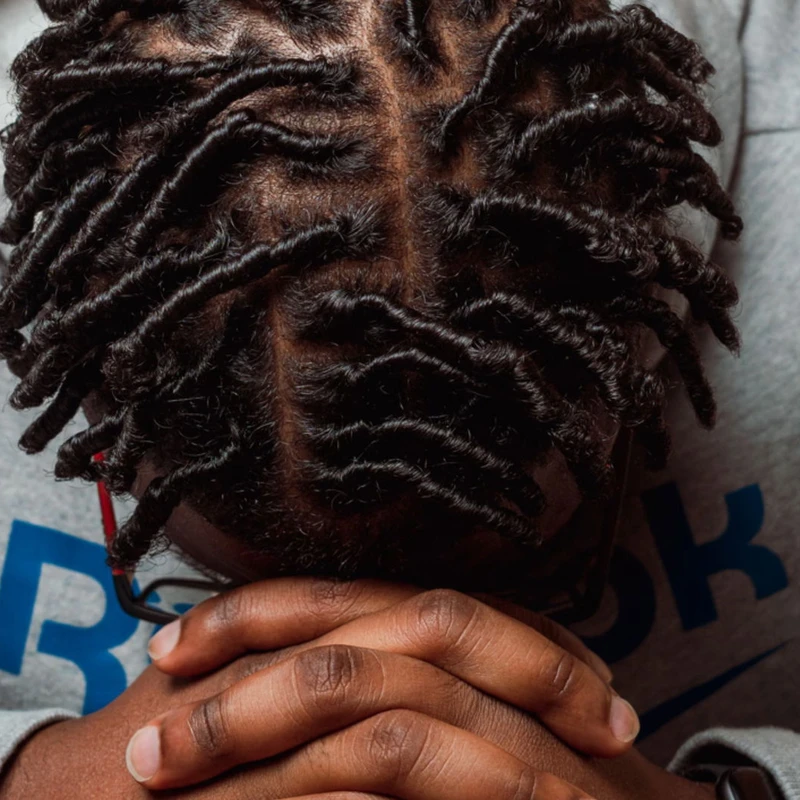
The U.S. Supreme Court is currently weighing a case that could significantly impact religious freedom protections for incarcerated individuals. The justices seem divided on whether a Rastafarian man, Damon Landor, can sue Louisiana prison officials for monetary damages after his dreadlocks were forcibly cut in violation of his religious beliefs.
A Violation of Faith
Landor, a devout Rastafarian, adheres to the Nazarite vow, which prohibits cutting one’s hair. He had maintained his dreadlocks for nearly two decades before entering the Raymond Laborde Correctional Center. In 2020, despite his objections and citing his religious beliefs, prison officers allegedly restrained him and shaved his head. This act forms the basis of his lawsuit against state officials.
Landor’s attorneys argue that the Religious Land Use and Institutionalized Persons Act (RLUIPA) should allow for damages in such cases. They point to a previous Supreme Court ruling that permitted similar relief under the Religious Freedom Restoration Act (RFRA). However, during oral arguments on November 10th, several conservative justices expressed skepticism about the extent of federal law’s authorization for these types of damages claims against state officials.
Concerns Over Legal Precedent
Justices like Neil Gorsuch and Amy Coney Barrett questioned whether Congress clearly intended for RLUIPA to allow suits for damages against state officials, especially when compared to cases involving federal employees. Gorsuch noted the lack of explicit legislative language, suggesting Congress could have easily included such provisions if that was the intent. Barrett pointed out that federal appellate courts have largely ruled against similar damages claims, making the legal landscape complex.
The conservative justices voiced concerns that allowing such lawsuits could potentially open the floodgates for claims against state officials in various federally funded programs, using the example of a university coach facing litigation. This suggests a hesitation to expand the scope of federal liability in cases involving state-run institutions.
Support from Liberal Justices
Conversely, the Court’s three liberal justices appeared more supportive of Landor’s position. Justice Sonia Sotomayor argued that officials should inherently understand the legal consequences of violating federal rights when taking on their roles. Justice Elena Kagan questioned why the rules should differ under RLUIPA compared to other civil rights suits where state officials are already held accountable.
Landor, who was serving a five-month sentence for a drug offense, had presented evidence of a prior court ruling affirming that cutting a Rastafarian’s hair violates religious rights. Despite this, the alleged incident occurred. Lower courts had previously sided with the state, leading to the appeal to the Supreme Court. The outcome of this case could redefine the boundaries of religious protections for individuals within the correctional system.
What are your thoughts on the Supreme Court’s deliberation regarding Damon Landor’s case? Do you believe RLUIPA should allow for damages in such situations? Share your views in the comments below!
Leave a Reply