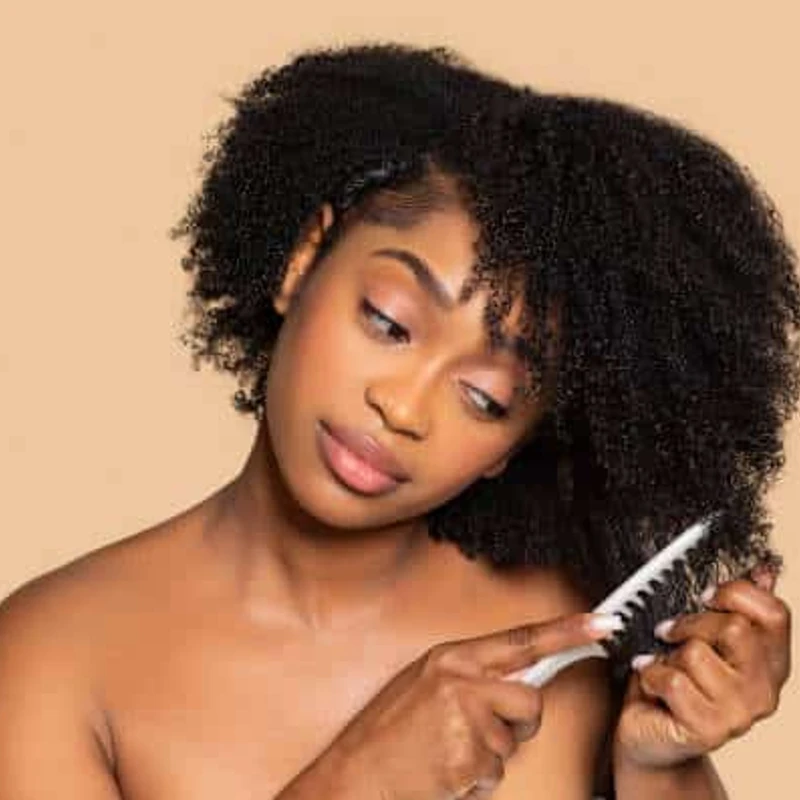
Ever noticed your hair feeling different than it used to? Maybe your curls aren’t as tight, or your strands feel coarser. It’s not just in your head! Just like the rest of your body, your hair can undergo changes over time. Even with the best hair care routine, various internal and external factors can influence your hair’s growth, curl pattern, and overall texture. Let’s explore five common reasons why your hair texture might be evolving.
1. Hormonal Shifts: The Body’s Messengers
Hormones are powerful chemical messengers that regulate many bodily functions, including hair growth and texture. Pregnancy is a prime example of a major hormonal shift. Many women experience thicker, shinier hair during pregnancy due to increased estrogen levels, which slow down shedding. However, after childbirth, as hormone levels return to normal, postpartum hair loss is common.
Beyond pregnancy, imbalances in other hormones can also affect your hair. Thyroid disorders, for instance, can lead to hair that appears coarser, drier, and more brittle. Hormones like insulin, androgens, and thyroxine play crucial roles, and fluctuations can result in increased hair loss, thinning, or dryness. Addressing the underlying hormonal issue with medical guidance is key to restoring hair health.
2. Health & Diet: Your Hair’s Fuel
Your hair is a direct reflection of your overall health. A diet lacking essential nutrients can lead to dull, brittle, or thinning hair. Hair follicles need a steady supply of vitamins and minerals like zinc, biotin, iron, vitamin E, and omega-3 fatty acids to produce strong, healthy strands. Foods like salmon, eggs, avocados, oysters, and dark leafy greens are excellent sources of these vital nutrients.
Conversely, a diet high in processed foods and sugar can negatively impact your hair’s quality. Hydration is also critical; since hair shafts are about 25% water, dehydration can make strands feel rough and brittle. A balanced diet and adequate water intake benefit not only your hair but also your skin and energy levels.
3. Aging: The Natural Evolution
As we age, our bodies naturally change, and our hair is no exception. The sebaceous glands on the scalp become less active, producing less natural oil (sebum). This can make hair feel drier, coarser, and more brittle. Many also notice hair thinning, not necessarily from fewer follicles, but from a decrease in the diameter of each strand, making hair appear finer.
Genetics play a role in how significantly hair changes with age. Gray hair, a common sign of aging, can also feel wirier due to reduced melanin and moisture. Gentle hair care practices, including regular conditioning, minimal heat styling, and protecting the scalp from sun exposure, are essential for managing age-related changes. Using products specifically designed for mature hair can also help replenish moisture.
4. Medication: Potential Side Effects
Certain medications can influence your hair’s texture, thickness, and growth rate. Drugs affecting hormone levels, such as birth control pills, thyroid medications, or hormone replacement therapies, can cause dryness, brittleness, or thinning. Chemotherapy and other cancer treatments can drastically alter hair follicles, sometimes resulting in regrowth with a completely different texture.
While most medication-related hair changes are temporary, it’s crucial to discuss any noticeable shifts with your healthcare provider. They might be able to adjust dosages or offer strategies to support your hair during treatment. Open communication with your doctor is key to managing these potential side effects.
5. Over-Styling: Damage from Heat and Chemicals
Finally, excessive heat styling and chemical treatments are common culprits behind altered hair texture. Frequent use of flat irons, curling wands, blow dryers, and harsh chemicals can permanently change your hair’s natural structure. Heat breaks down the protein bonds in hair, potentially loosening curl patterns or making hair appear limp and lifeless. This ‘heat training’ is actually a form of damage that isn’t reversible.
To prevent this, limit heat styling to once a week or less, always use a heat protectant spray, and give your hair regular breaks from tight hairstyles and chemical treatments. Embracing your natural texture and using products suited for your hair type are vital for maintaining its integrity long-term.
Has your hair texture changed over time? Share your experiences and tips for managing evolving hair in the comments below!
Leave a Reply