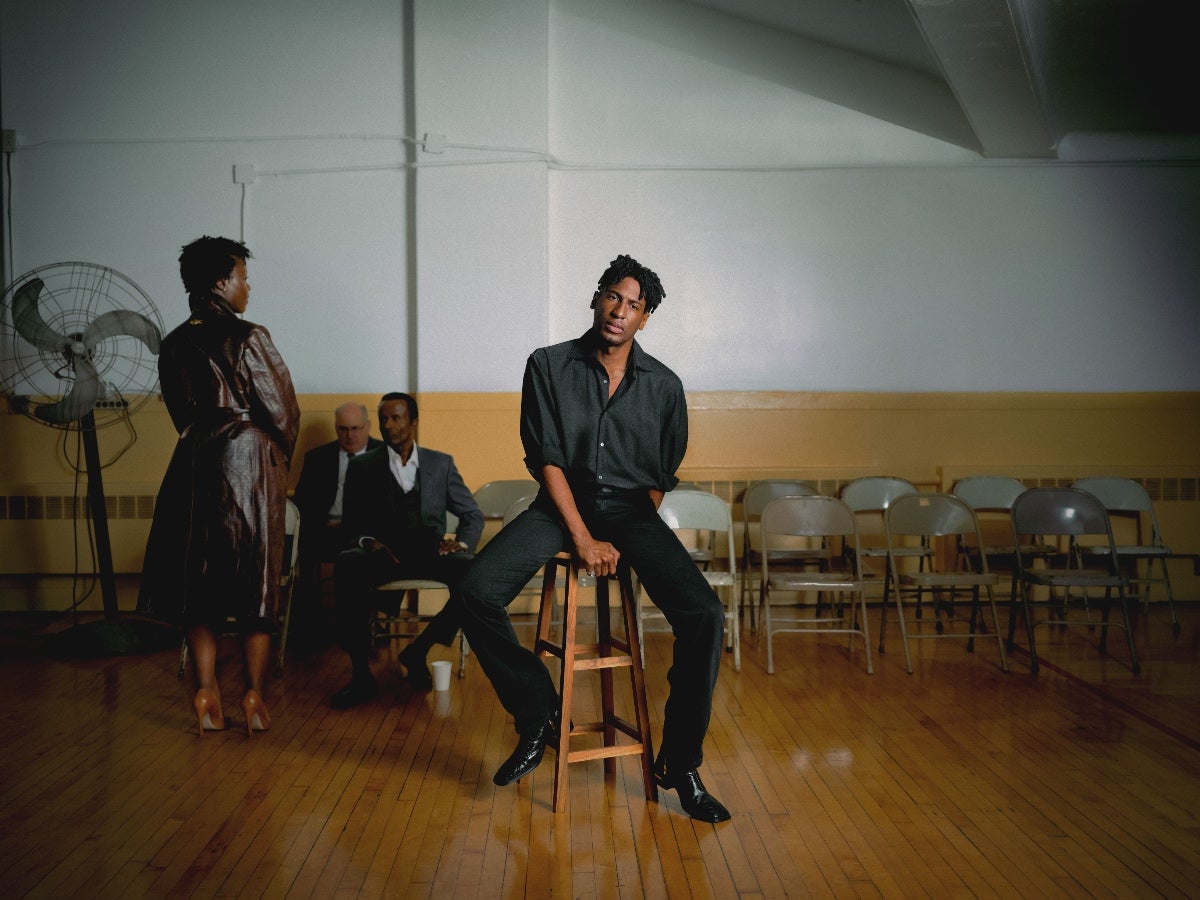
Trymaine Lee, a journalist known for his unflinching coverage of the Black experience in America, has always been on the front lines, reporting on stories of trauma and resilience. But what happens when the weight of those stories becomes too much to bear? Lee shares his own near-fatal brush with death and how it inspired his powerful new book, “A Thousand Ways to Die.”
A Personal Health Crisis
While working on his book, initially titled “Million Dollar Bullet,” Lee experienced a life-threatening heart attack at just 38 years old. A blood clot, a different kind of deadly force than the bullets he’d been reporting on, brought his life to a standstill. This personal health scare forced him to confront the profound impact of his career covering gun violence and its devastating effects on Black communities.
Lee described the experience as a stark reminder that while blood clots and bullets are different, they can both shatter lives, often stemming from similar societal impulses. His survival, which he attributes to his family’s legacy of resilience, allowed him to complete his book with a renewed perspective.
Inheriting a Legacy of Survival
The book, now titled “A Thousand Ways to Die: The True Cost of Violence on Black Life in America,” delves into the stories of Lee’s own family members who were victims of gun violence, dating back to the Jim Crow South. He recounts the tragic deaths of a great uncle shot in a sundown town, another killed by a state trooper, his grandfather murdered by a renter, and his own stepbrother fatally shot. These personal narratives are woven together with journalistic rigor and deep compassion.
Lee connects these individual tragedies to larger systemic failures, such as poverty, underfunded schools, and inadequate healthcare, which can push individuals towards the dangerous underground gun market. He argues that the “violence” extends beyond the gun itself, encompassing the lack of access to basic necessities and the chronic stress that disproportionately affects Black communities, leading to higher rates of cardiac issues and other health problems.
A Public Health Perspective on Violence
Lee emphasizes that “A Thousand Ways to Die” isn’t about prescribing solutions but rather illuminating the complex dynamics of violence as a public health crisis. He points to data suggesting that stricter gun laws correlate with lower rates of gun-related deaths, including homicides and suicides, while looser laws and more guns lead to higher fatalities.
Ultimately, Lee wants readers to understand the profound cost of unchecked gun violence, particularly on Black lives. It’s not just about the loss of life, but the stifling of hopes, dreams, and imaginations within affected communities. His work serves as a vital call to acknowledge and address the systemic issues that fuel this ongoing crisis.
What are your thoughts on Trymaine Lee’s perspective on gun violence as a public health issue? Share your insights in the comments below!