Tag: Republican Party

  • GOP Faces Diversity Challenge as Black Members Exit

    The Republican Party is facing a significant diversity challenge as all four Black Republican members of the House of Representatives are set to leave Congress. This exodus raises questions about the party’s efforts to broaden its appeal and its representation of minority communities.

    A Shifting Landscape on Capitol Hill

    The departing members include Representatives Byron Donalds of Florida, John James of Michigan, Wesley Hunt of Texas, and Burgess Owens of Utah. These individuals were elected in recent years, partly due to efforts by former House leader Kevin McCarthy to recruit more Black Republicans and diversify the party’s image. McCarthy had previously noted the disparity, stating, “When I look at my party, we look like the most restrictive country club in America.”

    While Democrats often face criticism for older Black generations remaining in power, younger Black House Republicans are now choosing to leave Capitol Hill. John James is running for governor of Michigan, and Byron Donalds is seeking the governorship of Florida. Wesley Hunt, recruited by McCarthy, was defeated in his state’s primary, and Burgess Owens opted not to seek re-election after his district was redrawn to be more Democratic-leaning.

    Challenging Perceptions of Racism

    These Black Republican lawmakers have often been seen as a counter-narrative to accusations of racism against President Donald Trump. Hunt, for example, pointed to his primary victory against nine white opponents as evidence that the Republican Party is not inherently racist. However, with their departure, it becomes harder for the party to refute such claims.

    The exit occurs against a backdrop of policies and initiatives that critics argue have negatively impacted people of color and women. A spokesperson for the Democratic Congressional Campaign Committee noted that Republican policies, such as cuts to healthcare programs and support for tariffs, have harmed Black Americans. Furthermore, gerrymandering in some states has limited Black representation.

    Voter Demographics and Party Appeal

    The trend is further underscored by recent election data. Exit polls from the 2024 election indicated that over 90% of Black women and over 70% of Black men voted for then-Vice President Kamala Harris, highlighting the continued strong support for the Democratic Party within the Black community. The departure of these prominent Black Republicans leaves a void and presents a significant challenge for the GOP in engaging with and representing Black voters.

    What do you think is driving these Black Republican representatives to leave Congress? Share your thoughts in the comments below!
  • John James Booed by Own Party at Michigan Rally

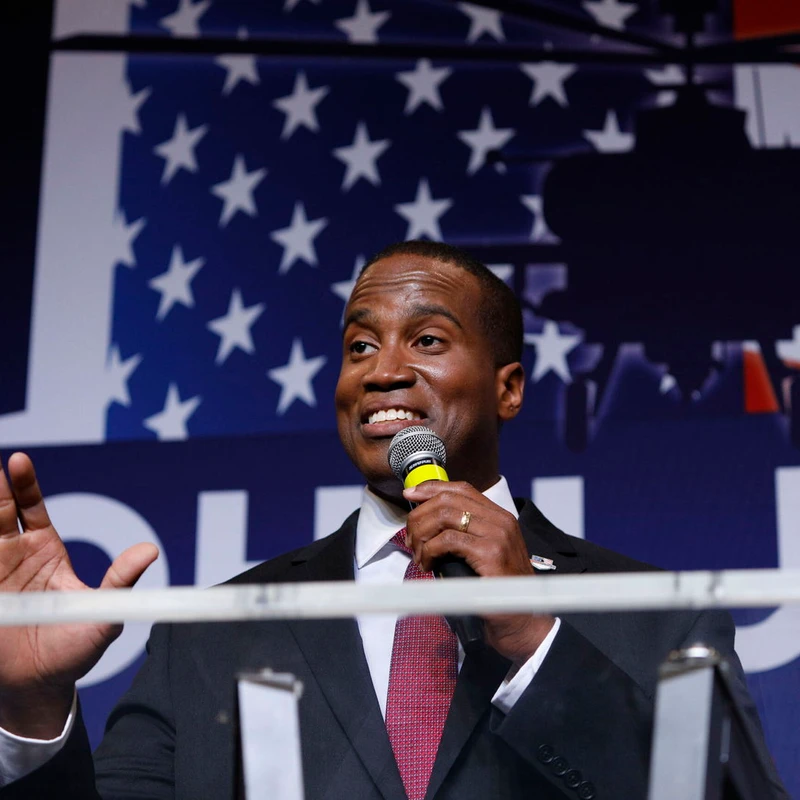
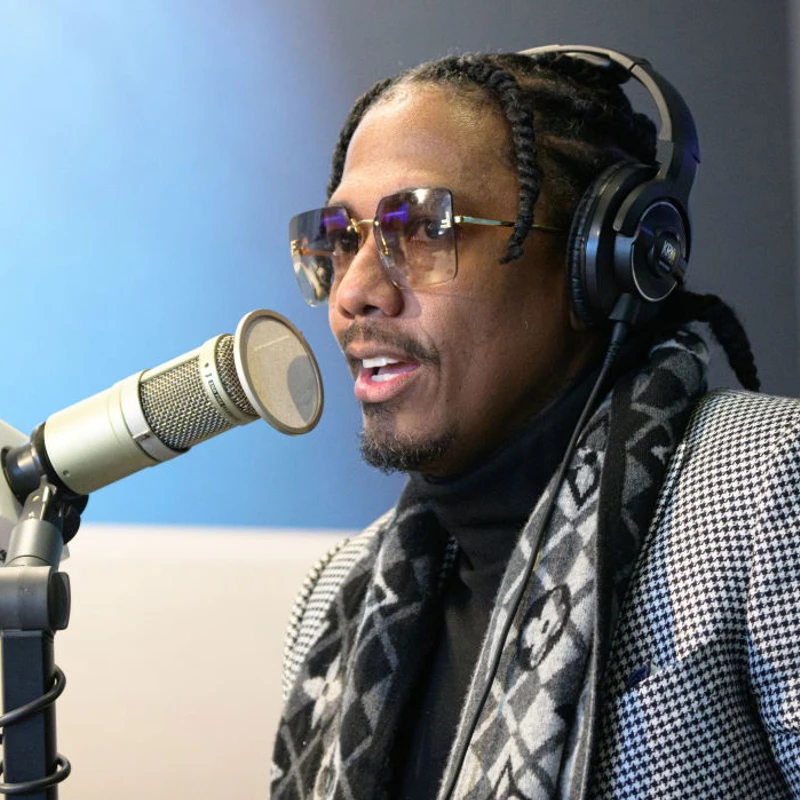
    It’s never a good sign when you’re booed by your own supporters. Michigan gubernatorial candidate Rep. John James experienced just that when he took the stage at the state’s GOP convention, receiving a less-than-enthusiastic welcome from members of his own party.

    An Unwelcome Reception

    Video footage captured the moment James was introduced, with audible boos from the crowd. While the exact reason for the crowd’s reaction remains unclear, one clip shared by Matt Maddock suggests it might be linked to the “Kill Switch” legislation. This proposed bill, championed by fellow GOP leader Rep. Thomas Massie, aims to block the enforcement of vehicle monitoring technology designed to detect driver behavior like impairment.

    James, a prominent Black Republican leader, is vying for the governor’s seat currently held by Democratic Gov. Gretchen Whitmer. The primary election is scheduled for August 4th. Once considered a front-runner, James appears to be facing challenges, particularly concerning support from Black voters.

    Shifting Support and Political Landscape

    A recent survey from Glengariff Group revealed a stark statistic: James received zero percent support from Black voters in the poll. While the sample size of African American respondents was small (81 out of 600), it highlights a potential hurdle for his campaign. In contrast, former Detroit Mayor Mike Duggan, running as an independent, garnered significant support from Black respondents.

    During his speech, James touched upon his service in the Iraq War and his time in Congress, including a recent vote to fund the Department of Homeland Security. He framed this decision as a matter of responsibility, emphasizing that essential personnel shouldn’t work without timely pay, even during a government shutdown.

    A Trend Among Black GOP Figures?

    James’ experience is not entirely unique among Black Republican figures. Winsome Earle-Sears, who ran for Virginia governor, did not receive an endorsement from former President Donald Trump. Similarly, former Congressman Wesley Hunt of Texas placed third in a recent Senate primary. These instances suggest a complex and evolving landscape for Black conservatives in national politics.

    What do you make of John James being booed by his own party? Do you think this reflects broader trends within the Republican party or specific issues with his campaign? Share your thoughts in the comments below!
  • Nick Cannon Calls Democrats ‘Party of the KKK’

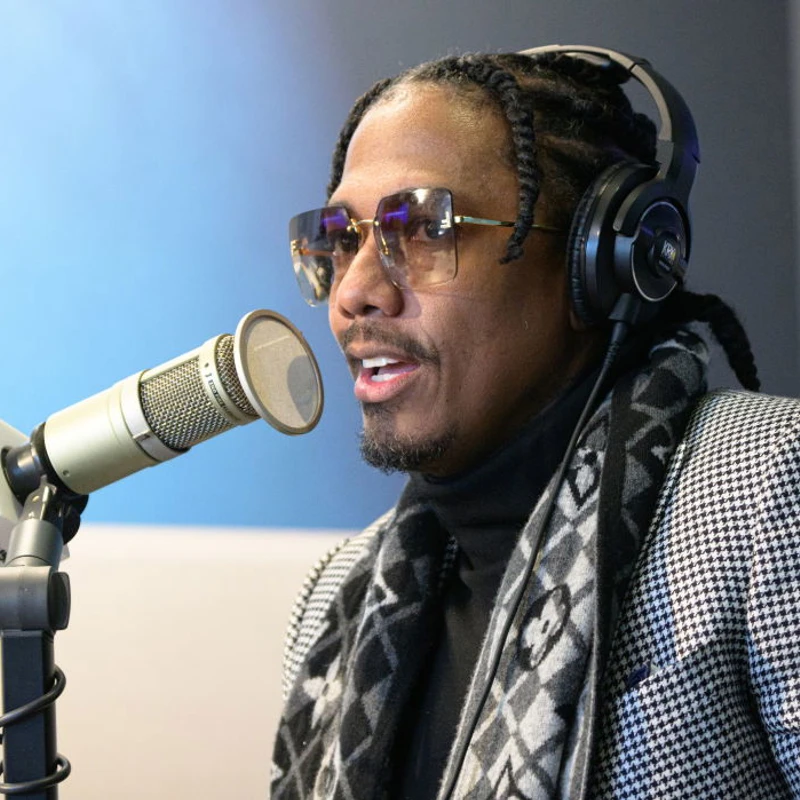
    Entertainer Nick Cannon has ignited a firestorm of debate with his recent remarks on his online talk show, “Big Drive.” During a conversation with Trump supporter Amber Rose, Cannon declared that the Democratic Party is historically linked to the Ku Klux Klan and that the Republican Party was responsible for freeing the slaves.

    Historical Claims and Political Realignment

    Cannon stated, “People don’t know that the Democrats are the party of the KKK.” He further elaborated, “People don’t know that the Republicans are the party that freed the slaves.” He appeared to agree with Rose’s sentiment that Democrats “don’t care about people of color and the Republicans do,” responding, “I agree with you 100%.”

    These statements touch upon complex historical narratives. While certain factions within the Democratic Party were indeed associated with the KKK’s formation in the post-Civil War era, historians caution against characterizing the entire party as uniformly aligned with the hate group. Conversely, the Republican Party, founded by anti-slavery advocates like Abraham Lincoln, played a pivotal role in the abolition of slavery.

    A Nuanced Political Stance

    Despite his strong assertions, Cannon clarified that he doesn’t strictly align with either major party. Quoting W. E. B. Du Bois, he remarked, “there’s no such thing as two parties. It’s just one evil party with two different names.” This suggests a broader critique of the political system rather than a full endorsement of one party over the other.

    The conversation also touched upon the current administration, with Cannon expressing a degree of approval for Donald Trump’s approach, describing him as “cleaning house” and using a metaphor of “$5 million bottle service fee to get into the country” to illustrate U.S. policy.

    Reactions and Historical Context

    Cannon’s comments have circulated widely online, sparking discussions about how historical facts are interpreted in contemporary political discourse. Many pointed out the significant “party switch” that occurred over time, where the progressive, anti-slavery platform of the early Republican Party evolved, and the Democratic Party’s base shifted.

    The episode highlights the ongoing debate about party ideologies and their historical roots, often simplified in modern political soundbites. Understanding this complex history is crucial for navigating today’s political landscape.

    What are your thoughts on Nick Cannon’s comments and the historical context of U.S. political parties? Share your views in the comments below!

  • Nick Cannon’s Political Views Spark Controversy

    Nick Cannon is making waves, and not just in the entertainment world. During a recent episode of his online talk show, “Big Drive,” the entertainer shared some highly controversial views on American political parties, drawing significant backlash. Speaking with guest and Trump supporter Amber Rose, Cannon delved into historical narratives surrounding the Democrats and Republicans.

    Historical Claims and Party Allegations

    Cannon stated, “People don’t know that the Democrats are the party of the KKK.” He further asserted, “People don’t know that the Republicans are the party that freed the slaves.” He appeared to agree with Rose’s sentiment that Democrats “don’t care about people of color and the Republicans do.”

    While Cannon claimed he doesn’t strictly align with either party, quoting W. E. B. Du Bois to say, “there’s no such thing as two parties. It’s just one evil party with two different names,” his comments have ignited debate. He also expressed a favorable view of Donald Trump’s approach, describing him as someone “cleaning house” and “doing what he said he was gonna do.”

    Historical Context and Modern Discourse

    Cannon’s remarks touch on complex historical points, though they simplify a nuanced political past. It’s true that certain factions within the Democratic Party were linked to the Ku Klux Klan in the post-Civil War era. However, historians generally caution against characterizing the entire party as uniformly supporting the KKK.

    Conversely, the Republican Party was founded in the mid-19th century by anti-slavery advocates, with Abraham Lincoln as a key figure. Lincoln’s Emancipation Proclamation and the subsequent 13th Amendment solidified the abolition of slavery. However, the party’s platform and demographics have evolved significantly since then.

    The episode has since gone viral, prompting widespread discussion about how historical facts are interpreted and applied in today’s political climate. Cannon’s comments highlight the ongoing debate and the differing perspectives on the evolution of American political parties.

    What are your thoughts on Nick Cannon’s statements about the Democratic and Republican parties? Do you agree with his interpretation of history? Share your opinions in the comments below!

  • Georgia GOP Leader Resigns Amid Allegations

    A rising star in the Georgia Republican Party has abruptly resigned following serious allegations and the circulation of a video online. Ja’Quon Stembridge, who recently took on the role of the GOP’s state party assistant secretary, stepped down after just a few months on the job amid claims of inappropriate conduct with a minor.

    Video Sparks Controversy and Resignation

    The controversy erupted when a video began circulating on social media, showing a young man identified as Stembridge being confronted in a parking lot. In the footage, Stembridge, who is 19, appears to be pleading with the person recording him, claiming he is 17 and asking them to stop filming. The video also includes alleged screenshots of text messages between Stembridge and a 14-year-old boy, reportedly from a dating app.

    The man confronting Stembridge can be heard stating, “You already know that s–t is wrong,” to which Stembridge apologizes for the alleged plan to meet the teen. Stembridge, a student at the University of North Georgia, attempted to explain his age by stating he was a college student who had been skipped ahead in school, though he couldn’t produce identification.

    Party’s Response and Stembridge’s Background

    Josh McKoon, the chairman of the Georgia Republican Party, issued a statement condemning the alleged conduct as “serious and disturbing.” However, he also stressed that Stembridge is “presumed innocent unless and until adjudicated guilty of wrongdoing in a court of law.” McKoon confirmed Stembridge’s resignation and stated that any further developments are his personal affair, with the GAGOP offering no further comment.

    Stembridge, who was 18 at the time of his election in July, made history as the youngest-ever elected member of the State Executive Committee of the Georgia Republican Party. He ran on a platform focused on engaging younger voters and aimed to challenge stereotypes about the party’s demographic. He had previously highlighted his election as a significant moment, showcasing a potential shift in the party’s direction.

    Legal Ramifications and Future

    Both Stembridge and his attorney, Ron Daniels, declined to comment on the resignation or the allegations detailed in the video. The situation raises serious questions about the conduct of public officials and the responsibilities that come with positions of influence, especially concerning young people.

    What are your thoughts on this situation and the resignation of Ja’Quon Stembridge? Share your views in the comments below.

  • Supreme Court Allows Texas’ Disputed Voting Map, For Now

    Hold onto your hats, folks! The U.S. Supreme Court has stepped in, granting Texas a temporary win by allowing it to use its recently redrawn congressional voting map for the upcoming 2026 midterm elections. This decision comes as a relief for Republican lawmakers but is a point of contention for civil rights groups who argue the map unfairly dilutes the voting power of minority communities.

    A Temporary Reprieve for Texas

    Late Friday, Justice Samuel Alito issued an administrative stay, essentially pausing a lower court’s ruling that had blocked the map. This move gives the full Supreme Court more time to consider the case and decide whether Texas can keep the map in place while the legal challenges play out. Justice Alito also set a quick deadline for responses, suggesting the high court might be eager to address this issue.

    This decision followed an urgent request from Texas Attorney General Ken Paxton, who asked the justices to allow the state to proceed with the map approved by Republican lawmakers over the summer. This redistricting effort is part of a larger push, reportedly backed by former President Donald Trump, to redraw political boundaries in GOP-led states before the midterms.

    The Lower Court’s Ruling and Paxton’s Response

    Just days before the Supreme Court’s intervention, a three-judge federal panel in El Paso delivered a blow to Texas Republicans. They ruled 2-1 that the new map was likely an unconstitutional racial gerrymander. U.S. District Judge Jeffrey V. Brown, appointed by Trump, even stated there was “substantial evidence” of racial gerrymandering in the 2025 map.

    The panel ordered Texas to revert to its 2021 congressional map while the case proceeded. However, Attorney General Paxton was quick to announce his intention to appeal to the Supreme Court, asserting Texas’s sovereign right to draw districts for partisan advantage. He expressed confidence that the court would uphold this right.

    A Nationwide Redistricting Battle

    The situation in Texas is just one piece of a larger, nationwide puzzle. Redistricting, typically a once-a-decade process tied to the census, is happening with unusual intensity ahead of the 2026 midterms. While some states are following Trump’s lead on redrawing maps, others, like Indiana, have pushed back against his influence.

    Adding to the complexity, the Supreme Court is already considering another significant redistricting case involving Louisiana’s map. This case, brought by white voters challenging the creation of a second majority-Black district, could set a precedent for how the court approaches the Texas dispute. The outcome of these cases could significantly impact the balance of power in Congress for years to come.

    What are your thoughts on the Supreme Court’s decision to allow Texas to use the disputed map for now? Do you think it’s fair to voters of color? Let us know in the comments below!

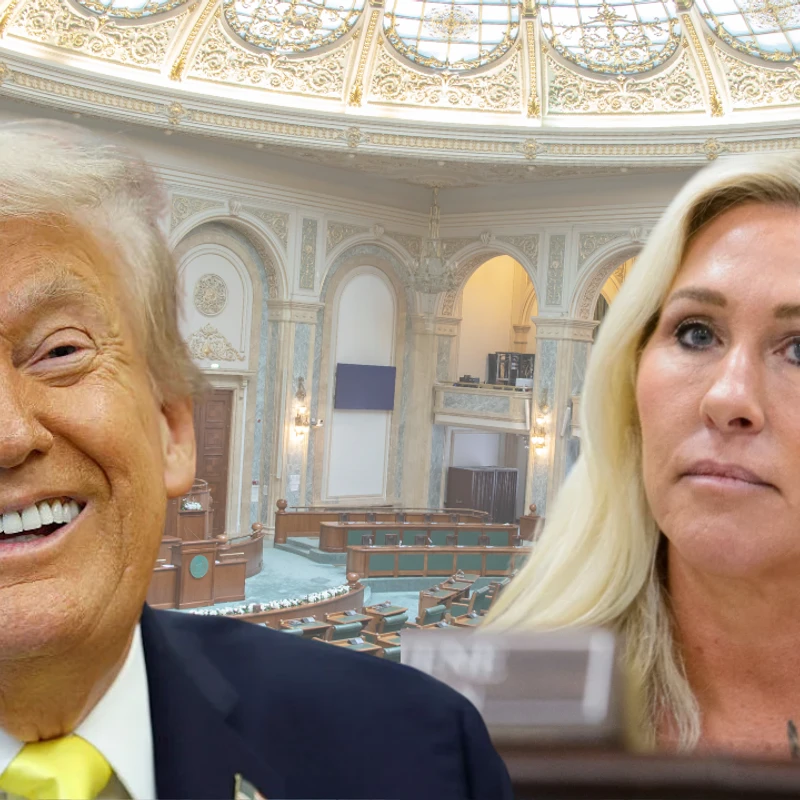
  • Trump Dumps ‘Wacky’ Marjorie Taylor Greene

    It seems the once-strong alliance between Donald Trump and Georgia Representative Marjorie Taylor Greene has officially fractured. Trump has publicly distanced himself from Greene, labeling her as ‘Wacky’ Marjorie and even suggesting he’d back a challenger in the upcoming midterm elections if the right candidate emerges.

    A Public Breakup

    This public dismissal marks a significant shift for Greene, who was once a staunch defender of Trump and a prominent figure in the MAGA movement. She was even seen sporting the signature red cap at President Joe Biden’s 2024 State of the Union address, acting as a key liaison between Trump and other Republicans on Capitol Hill. The split appears to be the culmination of months of simmering disputes, particularly as Greene has seemingly begun to moderate her political stance.

    Greene has increasingly found herself at odds with Republican leadership, notably criticizing them during the recent federal government shutdown. She also voiced concerns about the need for a plan to assist Americans losing health insurance subsidies. Trump accused the Georgia Republican of veering ‘Far Left,’ complaining that all he’s seen from her lately is ‘COMPLAIN, COMPLAIN, COMPLAIN!’

    Greene’s Response and Trump’s Accusations

    In a public response on X, Greene fired back, accusing Trump of attacking and lying about her. She shared a screenshot of a text message she allegedly sent to Trump earlier that day, discussing the release of the Jeffrey Epstein files. Greene claimed this conversation was the catalyst for Trump’s outburst, suggesting he is fighting hard to prevent the files from becoming public.

    Greene expressed her astonishment at Trump’s efforts to block the Epstein files, especially considering her past loyalty. She stated she had dedicated ‘too much of my precious time, too much of my own money, and fought harder for him even when almost all other Republicans turned their back and denounced him.’ She concluded by asserting, ‘I don’t worship or serve Donald Trump.’

    Shifting Political Landscape

    Trump’s public statement seems to solidify the growing divide, which became more apparent after recent off-cycle elections where Democrats saw gains, partly due to concerns over the cost of living. Just last week, Greene told NBC News that the constant flow of foreign leaders visiting the White House wasn’t helping Americans and that Trump should prioritize domestic issues over foreign affairs. Trump’s response was blunt: he felt Greene had ‘lost her way.’

    Trump further elaborated, suggesting ‘something happened to her over the last month or two.’ He also mentioned that people have been urging him to challenge Greene, noting that she has ‘lost a wonderful conservative reputation.’ This public spat comes after a series of public disagreements, including Greene’s past criticisms of GOP donors and consultants, her siding with Tucker Carlson over Trump, and her recent appearances on shows like ‘The View’ and Bill Maher’s ‘Real Time,’ where she questioned Republican leadership and their approach to healthcare.

    • Trump publicly labeled Marjorie Taylor Greene as ‘Wacky’ and hinted at endorsing a challenger.
    • Greene, a former top MAGA supporter, has increasingly clashed with Republican leadership and Trump.
    • Trump accused Greene of going ‘Far Left’ and complaining constantly.
    • Greene responded by accusing Trump of lying and fighting to suppress the Epstein files.
    • The rift highlights broader divisions within the Republican party and MAGA movement.

    What do you think about this public falling out between Trump and Greene? Does this signal a shift in the MAGA movement? Share your thoughts in the comments below!
  • Dick Cheney, Powerful VP, Dies at 84

    We’re marking the passing of a significant figure in American politics. Dick Cheney, who served as one of the most powerful and certainly one of the most debated Vice Presidents in U.S. history, has died at the age of 84. His tenure left an indelible mark on national policy and continues to spark discussion.

    A Force in Two Administrations

    Cheney’s political career spanned decades and saw him serve under two presidents from the Bush family. He first held a key national security role as Secretary of Defense under President George H.W. Bush, notably leading the armed forces during the Persian Gulf War. This experience set the stage for his even more influential role later on.

    His return to public service as Vice President under President George W. Bush positioned him as a central architect of the administration’s agenda. Many viewed him as the de facto chief operating officer, deeply involved in implementing major decisions that shaped the nation’s direction.

    Navigating Controversy and Health Challenges

    Throughout his time in office, Cheney was a staunch defender of the expanded surveillance and interrogation methods adopted in the wake of the September 11, 2001, terrorist attacks. These policies, often controversial, remain a significant part of his legacy.

    His public life was also marked by significant personal health battles. Cheney lived with heart disease for decades and underwent a heart transplant after leaving office, demonstrating remarkable resilience in the face of serious medical challenges.

    Later Years and Political Stance

    Even after his vice presidency, Cheney remained a prominent voice in conservative circles. In his later years, he became a notable critic of former President Donald Trump, particularly as his daughter, Liz Cheney, emerged as a leading Republican voice challenging Trump’s post-election actions and the events of January 6, 2021.

    Dick Cheney’s impact on American politics is undeniable. What are your thoughts on his legacy? Share your perspective in the comments below!

  • Obama Warns GOP Wants to ‘Rig’ Election

    Former President Barack Obama is sounding the alarm about the state of democracy, appearing in a new ad that warns against Republican efforts to manipulate the upcoming election. The ad, supporting California’s Proposition 50, highlights concerns that the GOP is actively working to redraw congressional maps in their favor, potentially rigging the election for the next two years.

    A Harrowing Warning: ‘Democracy is on the Ballot’

    Following the controversial passage of a new congressional map in Texas, which grants Republicans a five-seat advantage sought by President Trump ahead of the 2026 midterm elections, Obama issued a stark warning. “Republicans want to steal enough seats in Congress to rig the next election and wield unchecked power for two more years,” he stated in the ad from the “Yes on 50” campaign.

    Proposition 50, a California ballot initiative set for November 4, aims to counter these Republican efforts. If passed, it would allow the state legislature to redraw its congressional map, potentially leveling the playing field and thwarting the MAGA agenda. Obama emphasized the critical nature of this vote, telling Californians, “California, the whole nation is counting on you,” and that “Democracy is on the ballot November 4.”

    Obama’s Growing Concern Over Trump’s Actions

    This endorsement comes as Obama has become increasingly vocal about his concerns regarding President Trump’s policies and actions. He recently criticized Trump’s decision to deploy the National Guard to cities like Chicago, Los Angeles, Washington D.C., and Memphis—all led by Black mayors. Obama argued on Marc Maron’s “WTF” podcast that using the military against civilians is “inherently corrupting” and that Trump has deliberately weakened democratic norms and institutional guardrails.

    The issue of redistricting has become a major flashpoint, with Democrats accusing Republicans of acting on Trump’s behalf to disenfranchise voters and maintain power, especially given the unpopularity of Trump’s immigration and economic policies. In Texas, lawsuits allege racial discrimination in the new map, where districts with majority Black and Latino voters were manipulated to favor Republicans, potentially violating the Voting Rights Act.

    The Stakes for the Voting Rights Act

    The U.S. Supreme Court is set to hear a redistricting case from Louisiana, which could impact the Voting Rights Act of 1965. This case raises questions about whether race can be considered when remedying discrimination and threatens the existence of “opportunity districts” crucial for Black voters. As Megan Keegan of the ACLU’s Voting Rights Project noted, without the VRA, these districts may not continue to exist.

    What are your thoughts on redistricting and its impact on democracy? Do you believe Proposition 50 is the right step to ensure fair elections? Share your views in the comments below!

  • Racist Texts from Young Republicans Spark Outrage

    A bombshell report from Politico has exposed a disturbing exchange of private text messages among leaders of several young Republican groups, revealing racist jokes and remarks targeting Black Americans, Latinos, Jews, and Asians. The leaked conversations, involving individuals associated with Republican lawmakers and endorsed by prominent MAGA figures like Roger Stone, have ignited widespread condemnation from Black leaders.

    Disturbing Rhetoric from Future Leaders

    U.S. Rep. Yvette D. Clarke, chairwoman of the Congressional Black Caucus, expressed deep concern, stating, “It’s extremely disturbing to know how the next generation of Republican leaders behaves when they believe no one is watching.” She directly linked the climate to Donald Trump’s influence, adding, “The climate that has been unleashed since Donald Trump first came onto the scene has fostered such vile, hate-fueled, and racist rhetoric, and unfortunately, it has infected his party’s future.”

    The texts included deeply offensive comments from Peter Giunta, former chair of the New York State Young Republicans, who referred to Black people with racist tropes, including calling them “the watermelon people” and making derogatory remarks about a Black pilot’s skin color. Hendrix, vice chair of the Kansas Young Republicans, also engaged in similar racist food-related jokes about Black people. Hendrix was subsequently fired from his position as communications assistant for Republican Kansas Attorney General Kris Kobach.

    Calls for Condemnation and Accountability

    Giunta also made approving remarks about slavery, using internet slang “Mega based” to describe a group’s support for the ideology. In response to the leaked messages, a White House spokesperson criticized Politico for attempting to link President Trump to the “random” group chat, while also accusing Democrats of dangerous smears. However, NAACP President Derrick Johnson challenged President Trump, Vice President JD Vance, and House Speaker Mike Johnson to publicly condemn the racist texts. “If [they] legitimately want us to believe that this country is for all, then I dare them to publicly condemn these words and behavior. We’re all waiting,” Johnson stated.

    Johnson further emphasized that this isn’t an isolated incident but reflects a broader culture. “This is yet another indication of the deeper rot in our civic culture. The way these young leaders are casually texting about committing heinous acts is disgusting,” he said, adding that anyone excusing this behavior is “complicit in normalizing cruelty.”

    Linking Rhetoric to the Top

    Marcus W. Robinson, a senior spokesperson for the Democratic National Committee (DNC), echoed these sentiments, telling theGrio, “Unfortunately, this kind of racist, hateful rhetoric has become all too common under Donald Trump. This is not about policy differences—it’s about mainstreaming a reprehensible politics that seeks to drag our nation backward.” He added, “The truth is, the rot starts at the top. Frankly, every Republican who has empowered these individuals should be ashamed.”

    Congresswoman Clarke criticized Trump and Republican leaders for creating a “permissive environment for hatred, bigotry, racism and xenophobia.” She pointed to a pattern of actions, including Trump’s executive orders targeting Black and brown people, redistricting efforts, historical erasure, and attacks on federal workers and DEI, all rooted in racism. Clarke concluded that the news isn’t surprising, stating, “Today’s news isn’t news—now, we just have what we already knew in writing.”

    What steps do you believe are necessary to combat racism within political discourse? Share your thoughts in the comments below.