Tag: Representation

  • Dr. Joel Bervell Combats Healthcare Disparities Via Social Media

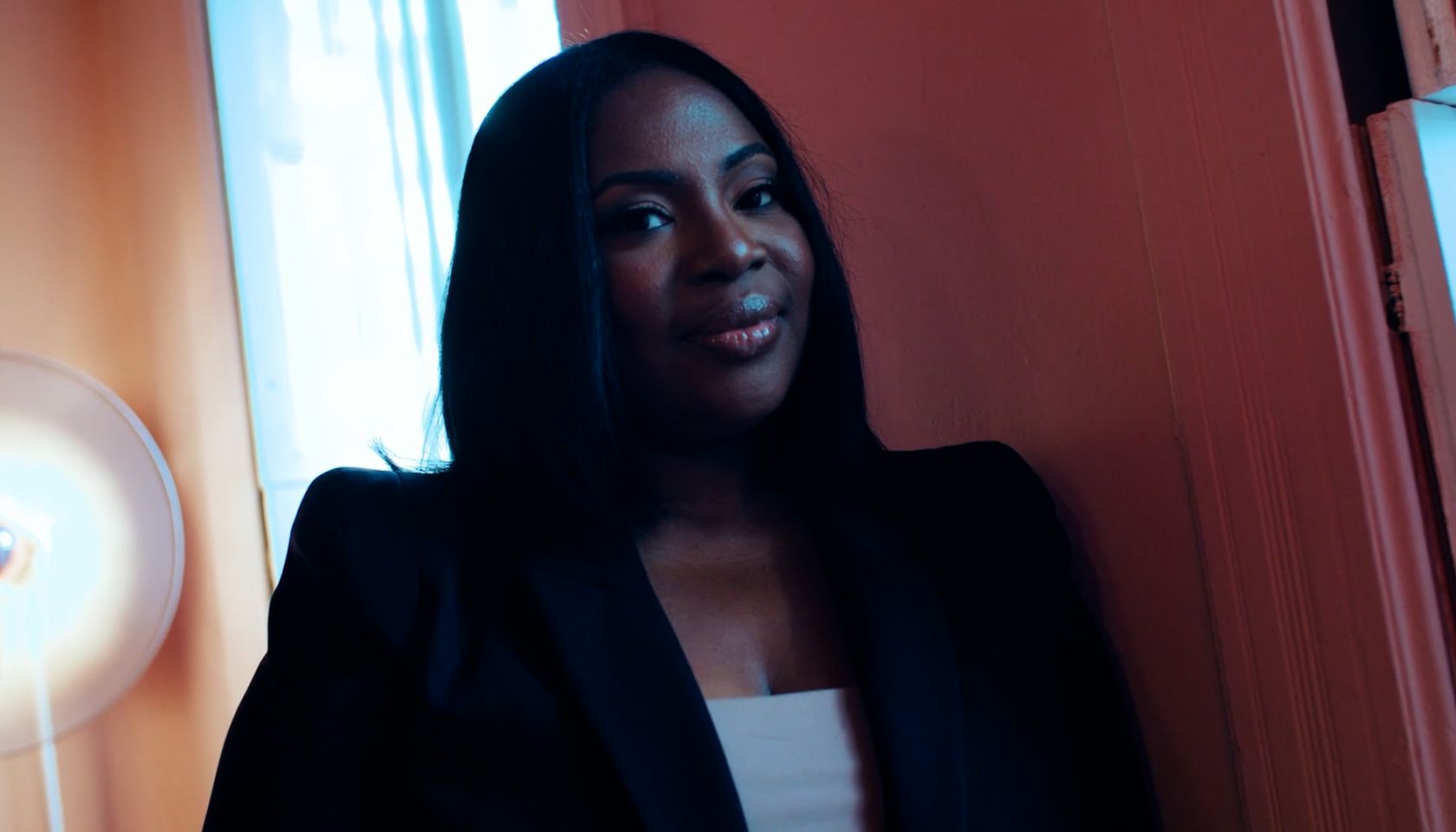
    Dr. Joel Bervell, a Ghanaian-American physician and Peabody Award winner, is harnessing the power of social media to tackle critical racial disparities in healthcare. Inspired by a personal tragedy and a deep commitment to equity, Bervell is transforming complex medical and policy issues into accessible content for millions.

    From Personal Loss to a Mission for Equity

    Bervell’s journey into healthcare advocacy began early. Growing up as a “third culture kid” with ties to both Canada and Ghana, he experienced firsthand the impact of healthcare disparities when his grandmother, who cared for him and his siblings, passed away from malaria in Ghana shortly after returning home. This early loss ignited his awareness of healthcare inequities.

    His academic path included a degree in molecular biology from Yale and a master’s in medical studies from Boston University. Bervell explored various facets of healthcare, including research on the Affordable Care Act and Medicaid expansion at the Urban Institute. He was particularly drawn to Washington State University’s Elson S. Floyd College of Medicine, named after its Black president, for its mission to serve underserved communities. Enrolling in 2019, Bervell, one of only two Black students in his cohort, was motivated to address health and representation disparities, co-founding the National Medical Association for students to improve healthcare access in minority communities.

    Leveraging Social Media for Awareness

    In 2020, during his first year of medical school, Bervell began creating videos for platforms like TikTok to educate about healthcare disparities. A pivotal moment occurred when he questioned a professor about how a condition like cyanosis would present in darker skin tones. The professor’s thoughtful answer highlighted the need for more inclusive medical education, a realization that spurred Bervell’s content creation efforts.

    One of his earliest viral videos focused on pulse oximeters, explaining how darker skin tones could lead to less accurate readings—a fact he learned not from doctors but from an article shared on social media. This video garnered over half a million views within 24 hours, demonstrating the immense demand for accessible information on race and medicine.

    Bervell’s content covers a wide range of topics, from root canals and AI in healthcare to how dermatological conditions appear on different skin tones. His engaging approach has earned him a significant following: 594k on Instagram and 782.6k on TikTok, with millions of likes.

    Partnerships, Awards, and Inspiring the Next Generation

    Bervell’s impactful work has led to partnerships with prominent organizations like the White House, the American Medical Association, Neutrogena, Vaseline, and Microsoft. In 2025, he received a Peabody Award for his interactive and immersive content and was recognized on TIME100 Creators list.

    Beyond his social media presence, Bervell launched “The Doctor Is In,” an animated children’s series on YouTube aimed at sparking interest in STEM. Supported by YouTube and Kickstarter funding, the series emphasizes the importance of representation, allowing young viewers to see themselves in future careers and encouraging a generation of curious, equitable-minded individuals.

    What are your thoughts on Dr. Bervell’s use of social media to educate about healthcare disparities? Share your insights in the comments below!
  • Magic Johnson: Power Through Representation

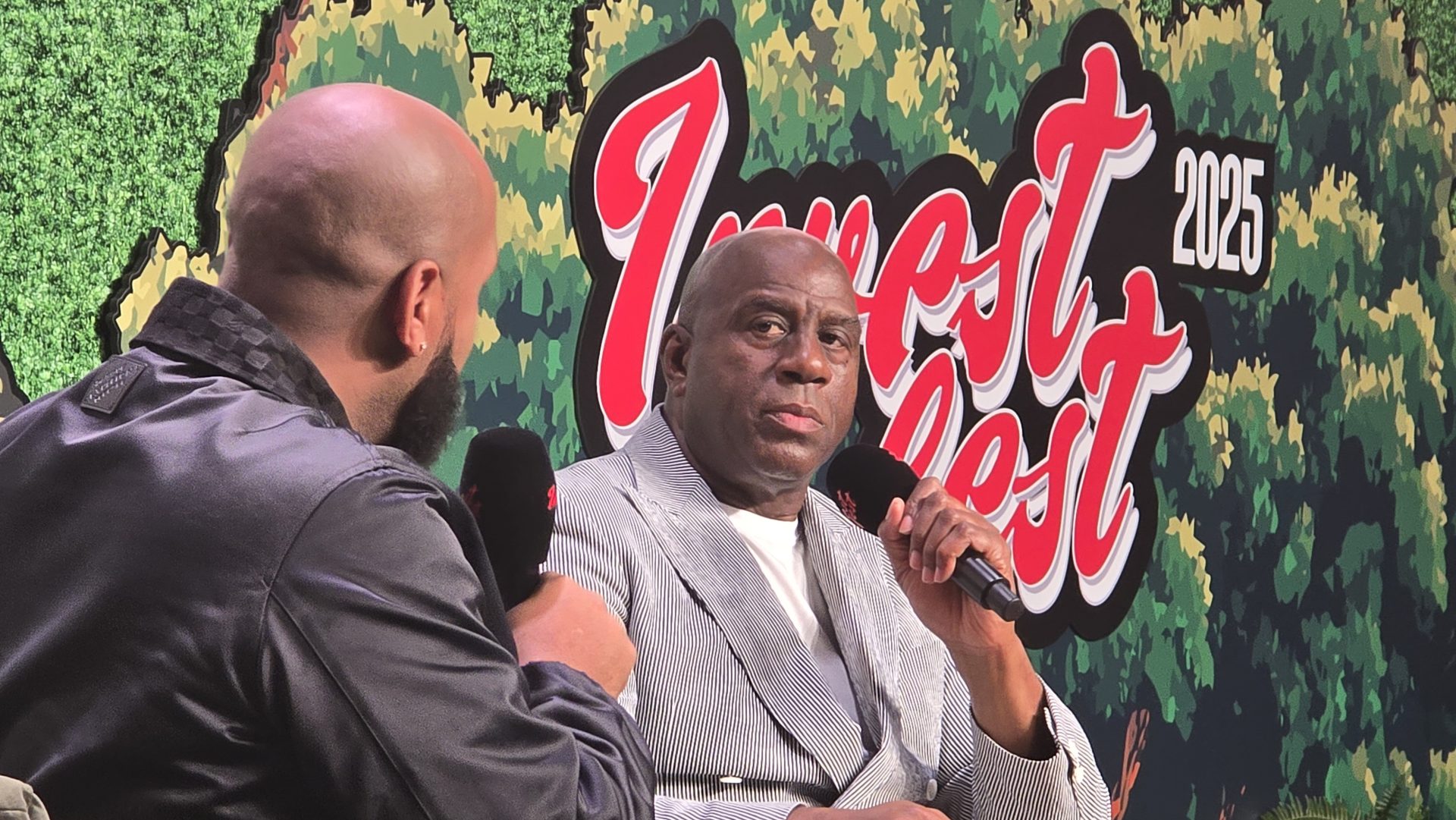
    Earvin “Magic” Johnson, a legendary figure in both sports and business, took the stage at Invest Fest 2025 in Atlanta not just as a Hall of Famer or billionaire, but as a truth-teller. He delivered a profound message to the audience of entrepreneurs, creators, and wealth-builders, emphasizing that true power lies not just in financial success, but in representation and having a seat at the decision-making table.

    The Challenge: Lack of Representation

    Johnson highlighted a fundamental challenge: “What is our biggest challenge… is that we don’t have a seat at the table.” He stressed that while money is important, its power is limited without representation. Success, for Johnson, becomes a form of leverage, enabling individuals to influence decisions that shape their communities and cities.

    His message resonated deeply, reminding the audience that financial wins should be coupled with representation. “Yes, we can allow people to make money,” he stated, “but we need to be represented.” This representation, he explained, means seeing Black and Brown entrepreneurs on corporate boards, women in leadership roles in historically excluded industries, and having a voice in shaping policy and city planning.

    Magic’s Legacy: Representation in Action

    Johnson’s own career exemplifies this principle. His significant investments in Starbucks, movie theaters, and underserved communities, along with his part-ownership of the Los Angeles Dodgers and LAFC, demonstrate how representation and business acumen can drive positive change. He’s shown that when people from underrepresented communities gain influence, it not only impacts who gets paid but also who gets heard.

    Mixing wisdom with personal anecdotes, Johnson shared insights into his learning style and even sprinkled in humorous stories, making his message relatable. He underscored that success isn’t solely for the “naturally gifted” but is attainable through dedication and a willingness to learn and grow.

    Building a Legacy Through Influence

    Johnson emphasized that securing a “seat at the table” is about more than personal gain; it’s about creating a lasting impact. Having a seat allows individuals to advocate for their communities, promote inclusive hiring practices, redirect investments, and fundamentally alter the flow of opportunity for future generations. Wealth, he reminded the audience, must be paired with influence and representation to truly shift culture.

    In a time when conversations about equity, AI, and economic power are paramount, Johnson’s message at Invest Fest felt particularly urgent. Atlanta, a recognized hub for Black innovation, provided the perfect setting for this vital discussion. The attendees weren’t just receiving a motivational speech; they were receiving a call to action: success is not just about accumulating wealth, but about leveraging it to create access, opportunity, and a stronger voice for the community.

    What does ‘having a seat at the table’ mean to you? How can we collectively build more tables for our communities? Share your thoughts in the comments below!

  • Spike Lee on Black & Puerto Rican Unity in Films

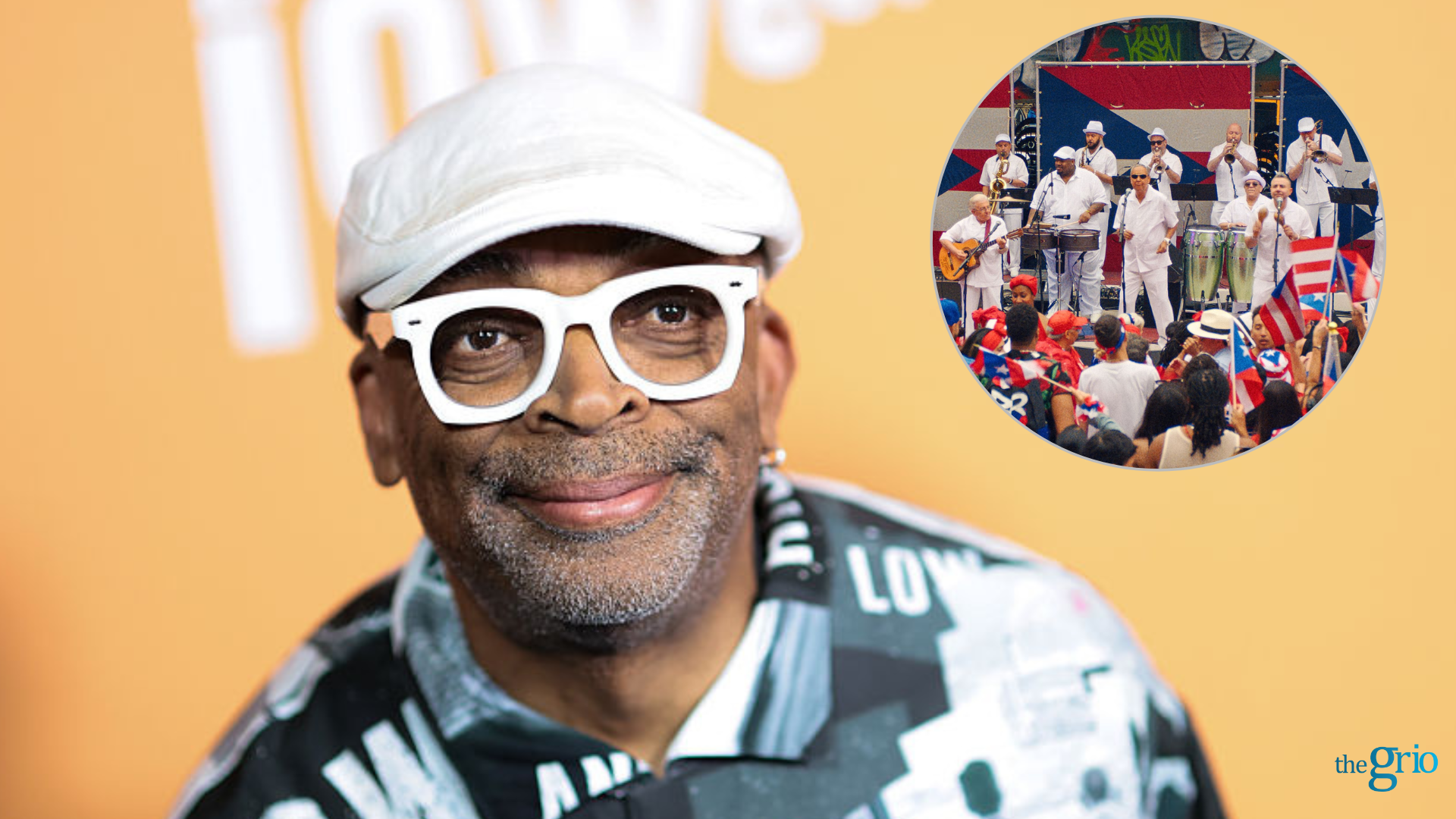
    Legendary filmmaker Spike Lee has a signature touch that often graces his New York City-based films: the seamless integration of Black American and Puerto Rican communities. From Rosie Perez’s iconic role in “Do The Right Thing” to nods in “Crooklyn” and a full episode of “She’s Gotta Have It” celebrating Afro-Puerto Rican heritage, Lee consistently showcases the intertwined lives of these communities. In a recent interview with theGrio, Lee discussed why this representation is so vital, particularly in his latest film, “Highest 2 Lowest.”

    Roots in New York City’s Cultural Fabric

    Lee attributes this consistent portrayal to his upbringing in Fort Greene, Brooklyn, before gentrification changed the neighborhood’s landscape. “I grew up in Fort Greene and back then before gentrification, it was Black and Puerto Rican,” Lee shared. “The Dominicans had not taken over yet from the Puerto Ricans.” He fondly recalled the “love” and intermingling between these communities, noting the significant presence of Puerto Ricans and African Americans in the early days of hip-hop, originating in the Bronx. “Black people and Puerto Rican intermarried, man,” Lee recalled. “It’s like, it was all love.”

    Historical accounts support Lee’s recollections. According to scholar Sonia Song-Ha Lee, Black Americans and Puerto Ricans collaborated in the 1960s on civil rights issues, with groups like the Black Panthers partnering with the Puerto Rican militant group The Young Lords. While acknowledging that the relationship wasn’t always perfect, with some Puerto Ricans strategically distancing themselves from Black Americans to gain social advantages, Lee emphasizes the overall spirit of connection he witnessed and experienced.

    Reflecting Reality and Fostering Understanding

    Lee also touched upon the differences in community dynamics between New York and Los Angeles, noting that while Black and Mexican relations have their own complexities, the broader point is the diversity within Hispanic and Latino communities. He highlighted how the Puerto Rican identity is a national one, reflecting a history of diverse influences, including slavery and battles against colonialism. Lee pointed out that in his Netflix revisitation of “She’s Gotta Have It,” the character Mars, originally played by Lee as African American, was portrayed as Afro-Puerto Rican in the series, a casting choice that went unquestioned, underscoring the natural integration of these identities.

    His latest film, “Highest 2 Lowest,” features a memorable scene at the Puerto Rican Day parade, with music from the legendary Eddie Palmieri and his Salsa Orchestra. Lee expressed his deep respect for Palmieri, who passed away shortly after the film’s screening. The vibrant depiction of salsa music and Afro-Puerto Rican dancers in the film serves as a powerful visual and auditory testament to the cultural fusion that Lee champions.

    In an era where discussions about allyship and navigating white nationalism are crucial, Spike Lee’s intentional storytelling plays a significant role. By showcasing the interconnectedness and shared experiences of Black Americans and Puerto Ricans, his work helps audiences reimagine the past and future, fostering a clearer understanding and appreciation of diverse communities.

    What do you think about Spike Lee’s consistent portrayal of Black American and Puerto Rican unity? How important is this kind of representation in film today? Share your thoughts in the comments below!

  • Makini Regal Martin’s ‘Zuri Rose’ Celebrates Black Girl Magic

    For Brooklyn mompreneur Makini Regal Martin, ‘The Wonderful World of Zuri Rose’ is more than just a children’s book; it’s a heartfelt tribute to her daughter, Zuri Rose, and a powerful statement for every child who deserves to see themselves reflected in the stories they cherish. Martin noticed a significant gap on bookstore shelves when searching for books for her daughter, realizing the lack of representation for young Black girls.

    From a Need to a Beautiful Brand

    Driven by this observation, Martin channeled her creative energy and design expertise into bringing ‘The Wonderful World of Zuri Rose’ to life through her publishing company, BloomHaus Press. The book is an A-to-Z adventure featuring a Brooklyn girl with a vivid imagination and a deep love for flowers. Martin’s dedication to making the book a memorable experience is evident, especially when she sees the joy on young girls’ faces during unboxing videos, seeing themselves in the character.

    Martin’s entrepreneurial spirit ignited early, inspired by her father’s transition from a 9-to-5 job to starting his own business. After graduating from Columbia University, she honed her skills in management consulting before launching her own successful floral, event, and interior design firm. However, the pandemic prompted a pivot, leading to the creation of ‘The Regal Suite,’ a curated content creation studio born out of necessity.

    The Regal Suite and the Growth of Zuri Rose

    The Regal Suite quickly became a sought-after creative hub, providing a dreamy backdrop for photoshoots, magazine covers, and music videos. Martin explained that despite the business challenges posed by the pandemic, the need for content creation persisted, giving birth to this new venture. While The Regal Suite is currently on pause, Martin is focusing her energy on expanding the Zuri Rose brand.

    What started as a picture book has blossomed into a comprehensive lifestyle brand. The Zuri Rose line now includes activity books, hair bows, dolls, garden seeds, and more, extending the magic of Zuri’s world into various aspects of children’s lives. This expansion reflects Martin’s vision to create a fully immersive experience around the character.

    The Power of Community

    Looking back on her entrepreneurial journey, Martin emphasizes the invaluable lesson of community. She reflects that if she could do it differently, she would have leaned on her community more. Starting multiple businesses often felt like a solitary endeavor, and she now advocates for being bold and brave enough to ask for help when building a brand.

    What are your favorite children’s books that feature diverse characters? Share your recommendations in the comments below!