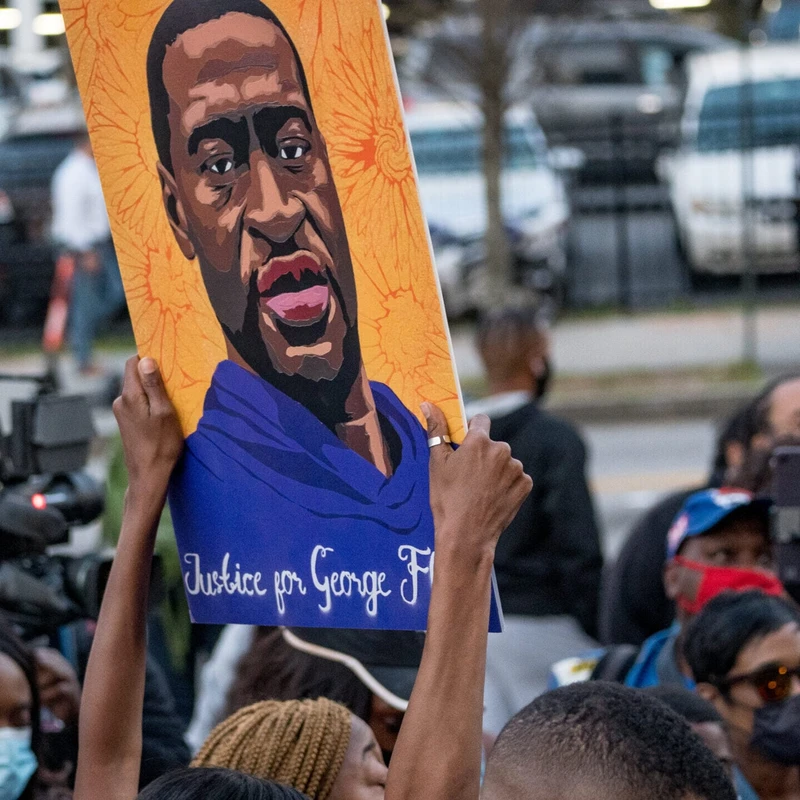
Remember the summer of 2020? Following the tragic murder of George Floyd, there was a massive outpouring of corporate and philanthropic promises aimed at addressing racial inequities. It felt like a turning point, with substantial investments finally flowing into Black communities and Black-led organizations. But according to new data, that hopeful surge was much shorter-lived and narrower than we might have thought.
The Fleeting Funding Boom
A recent report from Candid and ABFE (a philanthropic partnership focused on Black communities) titled “From Transaction to Transformation: Three Ways Foundations Can Invest In Black-Led Nonprofits for Lasting Change,” reveals a sobering reality. The much-publicized funding boost for Black-led nonprofits between 2020 and 2022 was incredibly brief, lasting less than two years for most.
Even more concerning, this increased funding primarily went to a small number of larger, already established Black-led organizations. Smaller nonprofits, often deeply rooted in their communities and serving critical needs, saw little to no meaningful financial increase. This suggests that the investment largely reinforced existing philanthropic patterns rather than truly reshaping the landscape.
Challenges for Black-Led Nonprofits
Susan Taylor Batten, President and CEO of ABFE, highlighted the difficult position these organizations are in. “Black-led nonprofit leaders are being asked to meet rising community needs while navigating an increasingly hostile environment toward race-explicit work, often without the flexible, sustained funding needed to build staff, strengthen infrastructure, or plan for the long term,” she stated. This constant cycle keeps them in survival mode, hindering their ability to scale impactful solutions.
The report underscores that most nonprofits operate on shoestring budgets. Without ongoing grants, their capacity to serve their communities is immediately jeopardized. Many organizations reported that the donations they received in 2020 were one-time contributions, making it incredibly difficult to invest in staffing, infrastructure, or long-term programming.
A Shifting Political and Philanthropic Landscape
These funding challenges are compounded by a shifting political climate. As Diversity, Equity, and Inclusion (DEI) initiatives face legal challenges and political backlash, some funders have become more hesitant to explicitly support Black-led causes. This creates a precarious situation where demand for services remains high, but the willingness to fund race-focused work cautiously diminishes.
The report argues that true transformation requires moving beyond “moment-driven giving.” It calls for sustained investment in Black-led work, including multi-year general operating support, stronger relationships between funders and nonprofit leaders, and a commitment to funding smaller, community-rooted organizations. Without these changes, the cycle of underfunding is likely to repeat itself.
Building Lasting Bridges
The authors of the report emphasize the importance of building “lasting bridges” between foundations and Black communities. The goal is to create a philanthropic sector that consistently and authentically values the contributions of Black leaders and organizations, ensuring that future generations don’t face the same barriers. It’s an invitation to move from transactional gestures to transformative, sustainable change.
What are your thoughts on the findings of this report? How can philanthropy better support Black-led nonprofits for long-term impact? Share your insights in the comments below!