Tag: Muriel Bowser

  • Howard Students Heckle Mayor Bowser

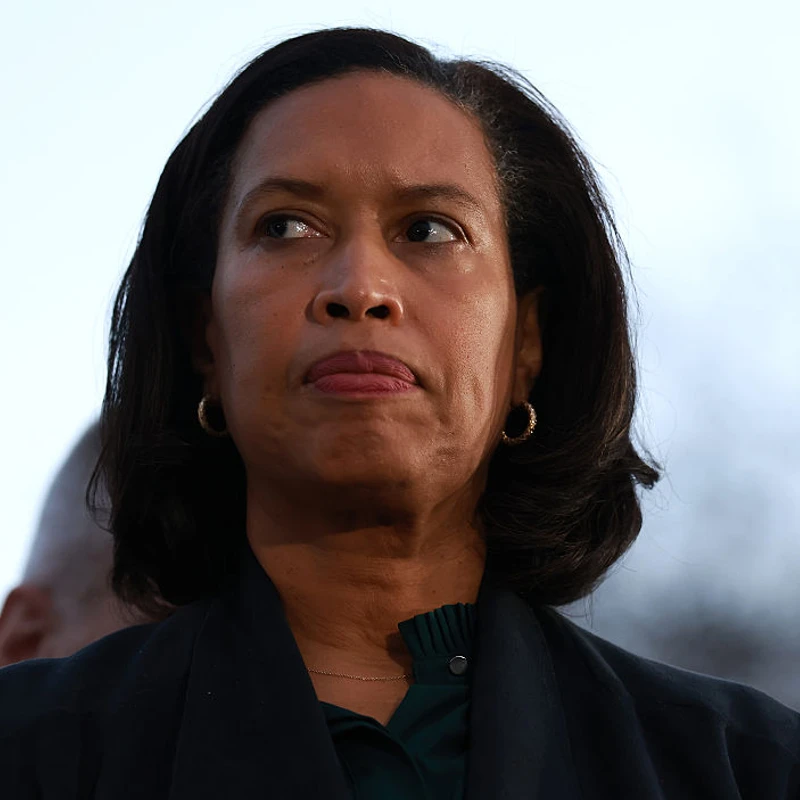
    Imagine graduating from a prestigious university, a moment you’ve worked years for, only to have a politician try to piggyback on your achievement. That’s precisely what happened at Howard University’s commencement ceremony, where Mayor Muriel Bowser was met with boos and heckling from the graduating class.

    Bowser’s Attempt to Co-opt the Moment

    Mayor Bowser, who received an honorary doctorate, declared on stage that she, too, was graduating. She attempted to align her departure from City Hall with the students’ milestone, reaching for Howard’s history and symbols. However, the politically savvy Gen Z students weren’t buying it. They saw her attempt to borrow the ‘Mecca’s’ glow as a way to gloss over her record.

    The students’ reaction was a clear message: they weren’t there to be props in her farewell narrative. They had spent their years at Howard navigating a city that had become increasingly expensive, heavily policed, developer-friendly, and less livable, especially for Black communities. Anyone surprised by the boos, the author argues, simply hasn’t been paying attention to the realities these students faced.

    A Record Under Scrutiny

    Bowser’s speech was described as defensive rather than inspirational. She invoked Howard’s history, Black resilience, and themes of courage, trying to link her tenure to the university’s legacy. She stated that Howard and D.C. are “inextricably linked,” referencing historical figures and movements. Yet, for the students, these words rang hollow against the backdrop of rising rents, displacement, and a political climate that often felt hostile to Black institutions.

    The graduates had endured a pandemic, bomb threats, cyber attacks, tuition aid cuts, and a government shutdown, all while navigating campus pressures and the rising cost of living in D.C. They earned their degrees through significant sacrifice. Bowser’s departure from office, the author contends, is not the same as their commencement.

    The Gap Between Language and Governance

    The students understood the disconnect between Bowser’s “freedom language” and her governing record. Invoking “Free DC” while presiding over the gentrification of the city felt disingenuous. They recognized that politicians often celebrate Black students as symbols of the future while failing to listen to them as constituents in the present.

    They’ve witnessed neighborhoods surrounding Howard transform into playgrounds for developers and luxury apartments, pushing out long-term residents and students alike. These aren’t naive students; they are studying law, journalism, policy, and economics, and they understand power dynamics. They recognized Bowser’s speech as an attempt to flatter them into silence.

    • Howard University students booed Mayor Muriel Bowser at commencement.
    • Students felt Bowser tried to co-opt their graduation for her own legacy.
    • Bowser’s speech was seen as defensive, attempting to link her record to Howard’s history.
    • Students cited issues like rising rents, gentrification, and increased policing in D.C.
    • The students’ reaction highlighted a disconnect between political rhetoric and governing actions.

    Despite Bowser’s claims of achievements like creating affordable housing and strengthening public schools, the students’ reaction suggests her message didn’t resonate. Their boos were a powerful statement, indicating they understood the difference between a politician trying to spin her legacy and their own hard-earned academic milestone.

    What do you think about the Howard students’ reaction to Mayor Bowser? Were they justified in their heckling? Share your thoughts in the comments below!
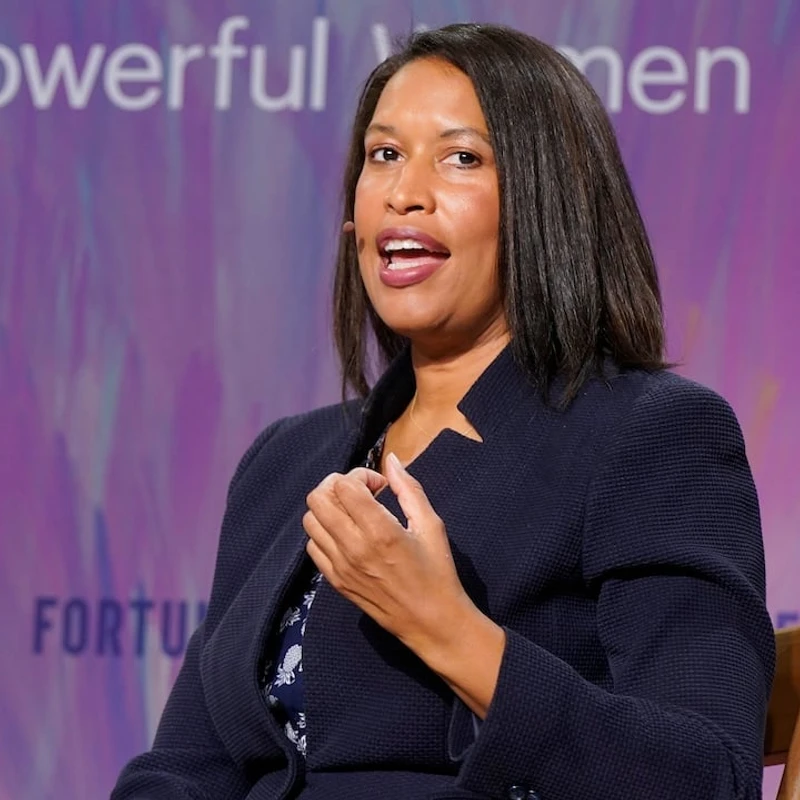
  • Bowser Addresses Boos at Howard Commencement

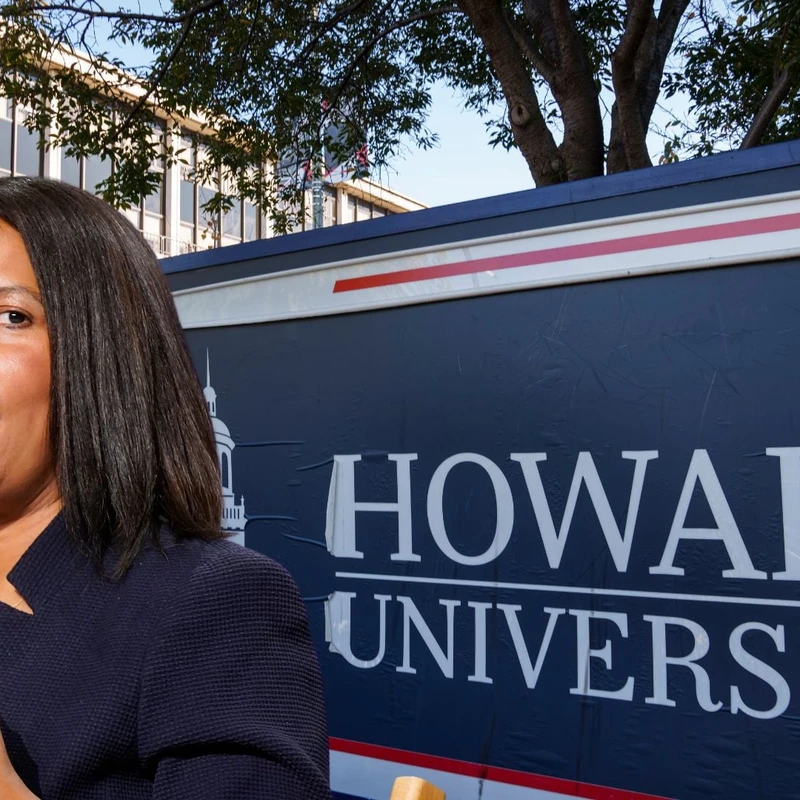
    Graduation day is usually a celebration, but for D.C. Mayor Muriel Bowser, her appearance at Howard University’s 158th Commencement Convocation was met with a complex mix of reactions. As she stepped onto the stage, the air filled with cheers, boos, and spirited chants of “Free D.C.,” reflecting the often-contentious nature of her nearly two decades in public office.

    Navigating a Mixed Reception

    Bowser, who recently announced she wouldn’t seek a fourth term as mayor, becoming the longest-serving Black woman in the role, acknowledged the crowd’s response head-on. Instead of letting the mixed reception derail her address, she used it as a springboard to discuss the realities of leadership and the inevitability of public scrutiny.

    She was awarded an honorary Doctor of Humanities degree, but the focus quickly shifted to her message for the graduating Class of 2026. Bowser framed her own departure from City Hall as a transition, drawing parallels to the challenges graduates might face as they step into their own leadership roles.

    Embracing Leadership and Backlash

    Bowser’s core message to the graduates was clear: be prepared for criticism and misunderstanding. “Be comfortable being misunderstood,” she advised, noting that backlash can often stem from “clout, for clicks, or for political gain.” This advice comes from someone who has navigated intense public debate throughout her career.

    Addressing the “Free D.C.” chants directly, Bowser asserted her deep connection to the city. “No one cares more about a free D.C. than me,” she stated, referencing her family’s history in Washington D.C. and their experiences during the Jim Crow era. This personal connection underscored her commitment to the city she has led.

    Reflections on a Career

    Later that day, Bowser attended the University of the District of Columbia’s commencement, where the atmosphere was notably warmer. There, she received an honorary Doctor of Laws degree and reflected more openly on her 19 years in elected office. She even shared how being booed during a past campaign, though painful, was a formative experience that ultimately strengthened her resolve.

    At both ceremonies, Bowser described herself as “graduating” alongside the Class of 2026. She concluded her remarks by urging the new graduates to remain grounded in their purpose as they embark on their post-graduation journeys, carrying the lessons learned both inside and outside the classroom.

    What are your thoughts on Mayor Bowser’s message to the graduates? How important is it for leaders to address public criticism directly? Share your views in the comments below!

  • DC Mayor Bowser’s Hilarious Post-Office Plans

    After making history as the first woman to win three consecutive terms as Mayor of Washington D.C., Muriel Bowser is stepping down and has a surprisingly down-to-earth, and frankly hilarious, plan for her newfound free time. While many might expect grand pronouncements, Bowser’s vision for post-mayoral life is refreshingly relatable: ‘boozy brunches’!

    Trading City Hall for Sunday Sips

    In a candid interview, Mayor Bowser revealed that one of the first things she plans to do after leaving office is indulge in the leisurely Sunday activity she’s rarely had time for. “I know one thing that I see a lot of people doing that I don’t do. … They go to these boozy brunches on Sunday for, like, four hours. I don’t think I’ve ever done that. I’m gonna do that. I’m gonna go to a boozy brunch,” she shared with a smile.

    It’s a simple pleasure, but one that speaks volumes about the demanding nature of leading a major city. For years, Bowser has navigated the complexities of D.C. politics, and the idea of a long, relaxed brunch seems like the ultimate reward.

    A Legacy of Service and Family Pride

    Bowser’s decision not to seek a fourth term marks the end of a significant chapter in D.C.’s history. Her dedication to public service is deeply rooted, inspired by her late father, Joe Bowser. He was a trailblazer in his own right, serving over 20 years as an ANC commissioner and chairing his local civic association.

    She fondly recalled attending meetings with her father as a child, absorbing the essence of community leadership. Bowser shared a touching anecdote about how her father left a positive legacy, with people recognizing his good name as she began her own political journey. “He left a good name for you out here. So, that’s what I live up to,” she reflected.

    Navigating Complex Times

    Mayor Bowser’s tenure coincided with some of the most turbulent political periods in recent memory, including the Trump and Biden administrations. Known for her pragmatic approach, she navigated sensitive issues, such as the use of the National Guard in D.C., by framing it as a “federal emergency” while still asserting the city’s needs and concerns.

    She also played a key role in the creation of Black Lives Matter Plaza in 2020, a powerful symbol following the global protests for racial justice. While the mural was later removed as part of a city initiative, Bowser acknowledged its profound impact, noting it “inspired millions of people and helped our city through a painful period.”

    What do you think about Mayor Bowser’s plans? Are you looking forward to a break after a long career? Share your thoughts in the comments below!
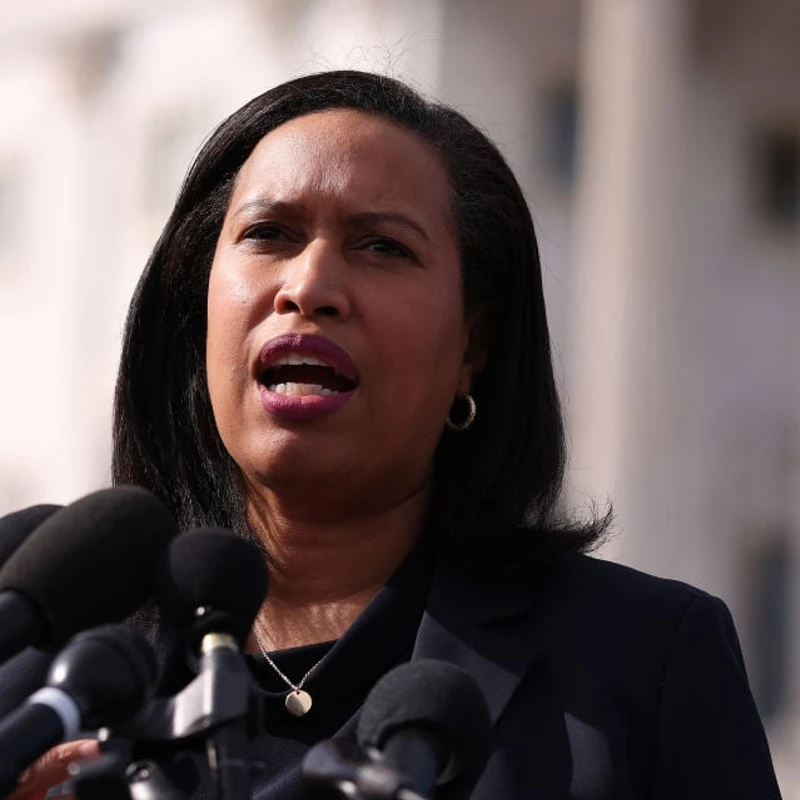
  • DC Mayor Muriel Bowser Won’t Seek Re-election

    After ten years at the helm of the nation’s capital, D.C. Mayor Muriel Bowser has announced she will not be seeking re-election. This decision marks the end of a historic tenure, during which she became the first Black woman to serve three consecutive terms as mayor.

    A Legacy of Accomplishments

    In a video message released Tuesday, Bowser expressed her deep gratitude for the opportunity to serve, stating, “It has been the honor of my life to be your Mayor.” She highlighted significant achievements during her time in office, including improvements in D.C. public school graduation rates, a substantial increase in housing units, and record-low unemployment rates.

    Bowser, 53, described her approach as pragmatic, focusing on bringing people together to get things done rather than adhering strictly to ideology. She noted that securing a deal for a new NFL stadium was one of the recent wins that solidified her decision to step aside after this term.

    Navigating Challenges and Collaboration

    Her leadership was notably tested during periods of political instability, including President Donald Trump’s declaration of a federal emergency in D.C. Rather than engaging in direct confrontation, Bowser opted for a collaborative approach with the federal administration to address city safety concerns, while still maintaining her stance that no true emergency existed.

    Markus Batchelor, a D.C. native and political director at People For the American Way, acknowledged Bowser’s impact, stating, “Whether you’ve agreed or disagreed with Muriel Bowser’s agenda for DC, there’s no denying she has accomplished it during her three terms as mayor.” He pointed to projects like a new hospital in Ward 8 and investments in housing as evidence of her completed plans.

    The Significance of Representation

    Courtney Snowden, a former D.C. deputy mayor who served under Bowser, emphasized the importance of Bowser’s tenure, calling it a “transformative period for Washington, D.C., particularly for Black Washingtonians.” Snowden highlighted Bowser’s role as a powerful symbol of progress and resilience.

    Being the first Black woman to serve three consecutive terms–and while Trump has been in the White House–is a powerful statement about progress, resilience, and fight. — Courtney Snowden, former D.C. Deputy Mayor

    Snowden added that Bowser’s achievements serve as an inspiring example of what Black women can accomplish in leadership positions, shaping cities that reflect the needs of all residents.

    What do you think about Mayor Bowser’s decision not to seek re-election? Share your thoughts in the comments below!
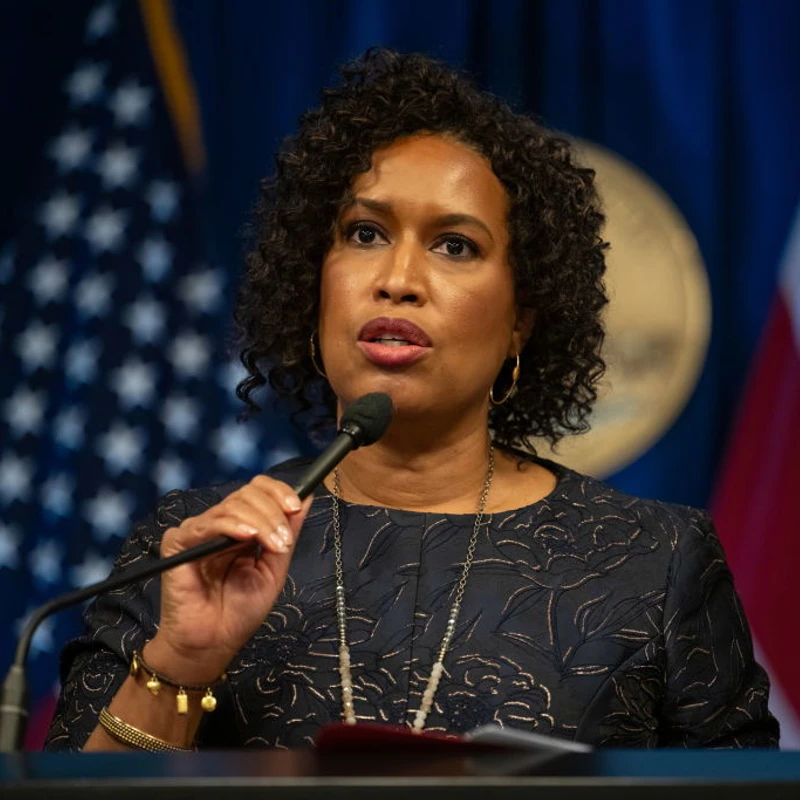
  • DC Mayor Creates Pipeline to Government Jobs

    Facing a wave of retirements and persistent job vacancies across its agencies, Washington, D.C. has launched an innovative apprenticeship program designed to build a strong career pipeline directly into city government. Mayor Muriel Bowser announced the initiative, which pairs graduating seniors from the District’s two Historically Black Colleges and Universities (HBCUs) with year-long, paid positions within municipal departments.

    HBCU Public Service Program: A Cohort Model for Success

    The program, aptly named the HBCU Public Service Program, operates on a cohort model. Apprentices become full-time employees at their host agencies, receiving structured professional development, mentorship, and university-based coursework. The framework, outlined in the Department of Employment Services (DOES) Request for Applications (RFA), includes paid placements, benefits, networking opportunities, and prospects for post-program advancement.

    Mayor Bowser expressed her vision for the program: “We want the best and the brightest, the people who are passionate about our community, to work at D.C. Government. This program will keep talent in D.C. and bring young leaders into D.C. Government.” The initial cohort consisted of 25 graduating seniors from Howard University and the University of the District of Columbia (UDC), placed in key agencies like DOES, the Department of Behavioral Health, DC Water, and the Office of the Attorney General.

    Addressing Workforce Challenges and Expanding Opportunities

    This initiative directly addresses a long-standing challenge for the District: a “silver tsunami” of retirements coupled with underdeveloped employment pipelines. Kenneth Walker, Deputy Director of Federal Workforce Programs at DOES, noted the insufficiency of unpaid internships and the need for paid apprenticeships to foster commitment and generate impact. University leaders have welcomed the program, seeing it as a natural extension of their missions. UDC President Maurice D. Edington called it a “perfect fit” for workforce development, while former Howard University President Ben Vinson III described it as “visionary,” aligning with Howard’s values of leadership and service.

    The early results are promising. DOES reported a 96% completion rate for the first cohort, with several participants already receiving internal promotions. Building on this success, the program is expanding its criteria for its second year. It will now be open to all college students and institutions, not just HBCUs, broadening the applicant pool while maintaining the successful program model.

    A Strategic Investment for D.C.

    For both students and the D.C. government, this program represents a strategic investment. It helps agencies fill critical, hard-to-staff roles across various sectors, including technology, social services, and operations. Simultaneously, it cultivates more equitable employment pathways, fostering a diverse and engaged public service workforce. If the pilot’s success continues, this model could serve as a blueprint for other jurisdictions facing similar talent pipeline and equity challenges.

    What are your thoughts on apprenticeship programs like this for creating government career pipelines? Do you think this model could be successful in other cities? Share your opinions in the comments below!

  • D.C. Mayor Bowser Plans Exit from Federal Emergency

    Washington D.C. Mayor Muriel Bowser has announced a strategic plan to transition the city away from the current federal emergency declaration. The move aims to re-establish local control over policing operations while setting clear protocols for continued federal law enforcement cooperation within established legal boundaries.

    Contrary to some misunderstandings, Bowser’s order does not extend federal powers but rather creates an ‘exit strategy’ from the emergency status. It establishes the Safe and Beautiful Emergency Operations Center as a local coordination hub to manage this transition.

    Clarifying Local Authority and Federal Presence

    Mayor Bowser has clarified that her order focuses on creating an exit framework, with federal emergency powers remaining under presidential control. The 30-day timeframe mentioned applies only to specific provisions under the Home Rule Act, while other federal deployments, including National Guard troops and various law enforcement agencies, operate under separate authorities without automatic expiration dates.

    The order also mandates specific requirements for federal agents working in the city, such as clear identification of their agencies, providing identification during arrests, and avoiding masks that conceal their identities in public interactions. This aims to ensure accountability and transparency.

    Crime Statistics and Political Narratives

    Recent crime statistics from the Metropolitan Police Department indicate a 14 percent decrease in overall crime and a 39 percent drop in violent crime during the period following the expanded federal operations. These improvements include significant reductions in homicides, robberies, and carjackings. However, assaults with deadly weapons saw an 8 percent increase.

    These statistics complicate political discussions, as the crime reduction trends were already in motion before federal intervention. Determining the precise impact of federal presence versus existing local efforts remains challenging due to the short timeframe and multiple contributing factors.

    Divergent Opinions Among Local Officials

    The mayor’s move has drawn mixed reactions from D.C. council members. Some criticize any cooperation with federal operations, viewing the enhanced federal presence as an undemocratic overreach that undermines local governance. Councilmember Zachary Parker warned that legitimizing federal intervention could set a precedent for other cities.

    Councilmember Robert White Jr. disputed the positive results attributed to federal operations, stating that residents feel intimidated rather than safer. Councilmember Brianne Nadeau expressed concerns about masked officers creating fear and eroding the city’s autonomy under federal oversight.

    The expanded federal presence has led to numerous arrests and firearm confiscations. However, some arrests have been dismissed by courts due to alleged civil rights violations, raising fundamental questions about the balance between law enforcement tactics and constitutional protections.

    The situation in D.C. has national implications, particularly as President Trump has suggested similar federal interventions in other cities. The outcome of these operations could influence future federal policies on urban crime and the balance of federal authority versus local governance.

    What are your thoughts on Mayor Bowser’s plan to transition away from federal emergency status? Do you believe the federal presence has been beneficial or detrimental to D.C.? Share your views in the comments below!

  • DC Mayor Bowser Praises Trump’s National Guard Deployment

    In a notable shift of tone, D.C. Mayor Muriel Bowser has praised the Trump administration’s deployment of the National Guard to the city. This comes just weeks after she initially characterized the federal takeover as “unsettling and unprecedented” and resisted federal control of the Metropolitan Police, even exploring ways to block it to preserve D.C.’s autonomy.

    Crime Reduction and Shifting Perspectives

    At a recent press conference, Mayor Bowser conceded that the increased presence of federal law enforcement and National Guard troops has yielded tangible results. She highlighted statistics showing a significant drop in crime, with carjackings down by 87% and violent crime decreasing by 45%. “We know that when carjackings go down, when use of guns goes down, when homicides or robberies go down, neighborhoods feel safer and are safer, so this surge has been important to us,” Bowser stated.

    While acknowledging the positive impact on public safety, Bowser also voiced concerns about other federal tactics and the broader implications of the situation. She expressed devastation for those living in fear and reiterated her stance on the need for comprehensive immigration reform and a pathway to citizenship.

    Criticism from Other Officials

    Mayor Bowser’s softened stance has drawn scrutiny, with other political figures questioning the reversal. Maryland Governor Wes Moore described the deployment as “completely performative,” suggesting that the administration was using the troops as pawns to distract from its policies. D.C. Attorney General Brian Schwalb echoed similar sentiments, calling the occupation “unnecessary and unlawful,” noting that violent crime in the district was already down by 26% this year.

    The situation raises questions about the sustainability of such federal interventions and the balance between local autonomy and federal support in addressing public safety concerns. As the debate continues, Mayor Bowser’s acknowledgment of the National Guard’s impact marks a significant development in the ongoing dialogue.

    What are your thoughts on Mayor Bowser’s changing perspective? Do you agree that the National Guard’s presence has been beneficial for D.C.? Share your views in the comments below!

  • Trump’s Threats to Mayor Bowser Show Authoritarian Tendencies

    In a recent display of political maneuvering, Donald Trump issued a stark warning to Washington D.C. Mayor Muriel Bowser via Truth Social. His threat of a federal ‘takeover’ if she didn’t comply with his demands for National Guard deployment signals a pattern of behavior that critics argue is deeply authoritarian.

    Authoritarian Tactics and Historical Parallels

    Trump’s ultimatum to Mayor Bowser, suggesting that ‘bad things will happen’ if she refused his directives, is more than just strong rhetoric; it’s a tactic often employed by authoritarians. This approach involves using threats, leveraging military or police power against opposition, and consolidating control. History offers chilling examples, such as Adolf Hitler’s rise in Germany by exploiting crises to expand state force against political opponents, and Augusto Pinochet’s use of the military in Chile to suppress dissent and erode democratic institutions.

    The deployment of nearly 2,000 National Guard troops, now authorized to carry firearms in D.C. under a federally declared crime emergency, is presented as a measure against rising crime. However, the op-ed points out that crime had already declined without federal intervention, suggesting the deployment might serve a different, more political purpose.

    Weaponizing Federal Power Against Local Autonomy

    Trump’s actions in D.C. echo his previous decision to deploy the National Guard in Los Angeles in June 2025, an action also widely viewed as unnecessary and politically motivated. This pattern suggests a broader strategy of using federal force to overrule local governments, pressure political opponents, and frame any dissent as a threat to national order. Trump has also indicated a willingness to apply this approach to other cities, such as Chicago.

    These moves, the op-ed contends, are not about protecting democracy but about dismantling it. By normalizing the use of federal power to suppress local autonomy, Trump risks eroding the foundations of democratic governance in the United States, potentially paving the way for a more centralized and less representative system.

    What are your thoughts on the use of federal power in local matters? Do you see these actions as authoritarian? Share your perspective in the comments below!

  • DC Schools Reopen Amid Parent Anxiety Over Armed Patrols

    Public schools across Washington D.C. reopened on Monday, but the atmosphere was tense as parents grappled with the presence of thousands of National Guard troops and federal law enforcement officers. These deployments, ordered by President Donald Trump to enhance safety, have left many parents anxious, particularly those with immigration concerns, leading Mayor Muriel Bowser to call for the protection of children.

    Parental Anxiety and Rumors Abound

    The start of the school year was marked by a flurry of activity on parental social media groups and listservs, filled with reports and rumors of checkpoints and arrests. The presence of armed National Guard units, a change stemming from a directive by Defense Secretary Pete Hegseth, has heightened concerns. While some patrols were seen unarmed, the deployment of armed troops raises questions about their rules of engagement, which generally permit force only in response to imminent threats and as a last resort.

    Mayor Bowser voiced her opposition to the National Guard’s policing role in American cities, stating, “Parents are anxious. We’ve heard from a lot of them.” She specifically addressed the impact on children, calling any attempt to target them “heartless, is mean, is uncalled for and it only hurts us.” Her plea, “I would just call for everybody to leave our kids alone,” underscored the community’s unease.

    Trump Touts Crime Reduction, Other Cities Bristle

    President Trump has repeatedly cited a drop in crime in Washington D.C. as evidence of the success of his policing initiative. However, his administration’s consideration of expanding these deployments to other Democratic-led cities like Baltimore, Chicago, and New York has met with significant resistance. Chicago Mayor Brandon Johnson has called such a move unconstitutional and threatened legal action, while Illinois Governor JB Pritzker dismissed it as an unnecessary distraction, pointing to declining crime rates in Chicago and nationwide.

    Trump’s suggestion of deploying troops to Chicago, which he referred to as a “killing field,” was met with backlash, confusion, and sarcastic social media commentary. Pritzker and other Illinois officials stated they had not been contacted by the Trump administration regarding federal troop deployment and characterized the move as performative, partisan, and potentially racist. Pritzker directly addressed Trump, saying, “Mr. President, do not come to Chicago,” vowing to fight the president’s “petty whims” and “use of the military to occupy a U.S. city, punish his dissidents and score political points.”

    Questions About Scope and Effectiveness

    Concerns have also been raised about the practicalities of such deployments in larger cities like Chicago, which is more than three times the size of Washington D.C. and has crime spread across various neighborhoods. Former Chicago Police Superintendent Garry McCarthy questioned the National Guard’s role in combating street violence, suggesting that clear communication and a partnership with local police could allow them to assist with tasks like perimeter patrols, but only as part of a larger strategy.

    Despite a significant drop in violent crime in Chicago during the first half of 2025—with shootings and homicides down over 30%—some neighborhoods still experience persistent high crime. Pastors in these areas, like Rev. Ira Acree, have received calls from concerned congregants and view Trump’s potential deployment as political grandstanding rather than a genuine effort to reduce violence, suggesting increased funding for anti-violence initiatives would be more effective.

    What are your thoughts on the presence of armed National Guard troops in U.S. cities during school reopenings? Do you believe this is an effective crime-fighting strategy? Share your views in the comments below!

  • Trump Claims D.C. is ‘Safe,’ But Data Shows Otherwise

    President Donald Trump recently declared Washington D.C. “safe again” just a week after announcing a federal crackdown on crime in the nation’s capital. Citing calls from Democrats and others who have reportedly returned to dining out in the city, Trump claimed his actions, including deploying 800 National Guard troops and federalizing the local police, have dramatically improved safety.

    Contradictory Data on D.C. Safety

    However, the narrative of a revitalized D.C. dining scene doesn’t align with the latest data. Despite the President’s claims that restaurants have become “busier” since the crackdown began on August 11, reservation statistics paint a starkly different picture. OpenTable data reveals a significant drop in diners, with reservations down 25% following the announcement.

    The numbers show a clear negative trend: reservations were 27% below 2024 levels the day after Trump’s announcement, and by Wednesday, August 13, they had fallen by 31%. Even by Monday, despite the President’s optimistic statements, reservations remained 20% lower than the previous year.

    Local Officials Disagree with Claims

    D.C. Mayor Muriel Bowser has publicly refuted Trump’s claims, stating that “the facts on the ground don’t support this.” She questioned the logic behind deploying the military to police American citizens and emphasized that the city’s violent crime rates have actually declined to a 30-year low, according to the Metropolitan Police Department.

    Democratic strategist Joel Payne criticized the President’s actions as “stunt tactics in search of a crisis” and “political theater.” Payne suggested that instead of deploying military forces, Republicans could focus on reversing budget cuts to D.C. or supporting statehood, which he believes would offer more sustainable solutions. The deployment, he argued, serves as a pretext for potential authoritarian overreach in other areas.

    Do you believe President Trump’s actions have made D.C. safer? Share your thoughts in the comments below!