Tag: Memphis

  • TN Republicans Propose Map to Eliminate Dem District

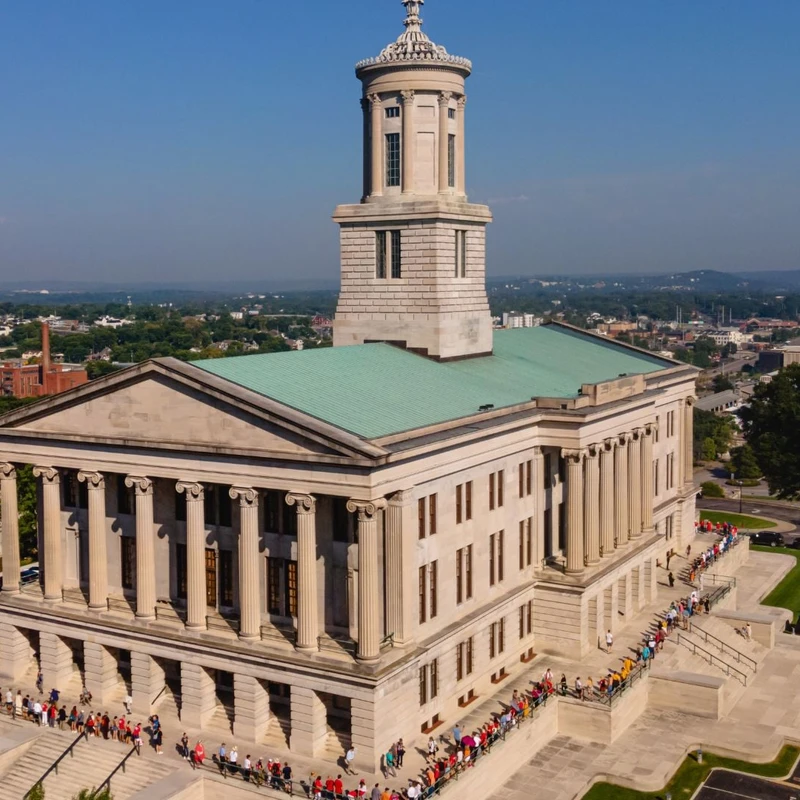
    A significant political shift could be on the horizon in Tennessee. Republican leaders have introduced a controversial new congressional map that threatens to eliminate the state’s sole Democratic-held U.S. House district before the 2026 midterm elections.

    Splitting the Memphis District

    The proposed map, unveiled by Tennessee House Speaker Cameron Sexton and Senate Majority Leader Jack Johnson, specifically targets the Memphis-based district currently represented by Democratic Rep. Steve Cohen. This district, which is majority-Black, has long been the only Democratic stronghold in the state.

    Under the new plan, Cohen’s district would be divided and absorbed into multiple Republican-leaning districts. This move would effectively dismantle the current representation and could significantly alter the state’s political landscape.

    Arguments and Criticisms

    Republican lawmakers argue that the new map is designed to comply with a recent U.S. Supreme Court ruling that limits the use of race in congressional redistricting. Speaker Sexton stated that redistricting, like the judicial system, ‘should be color-blind.’ They also introduced legislation to allow for more frequent redrawing of maps.

    However, critics contend that this proposal would dilute the voting power of Black residents and Democratic voters concentrated in the Memphis area. Kareem Crayton of the Brennan Center for Justice expressed concern that dividing the city among three districts could reduce accountability to Memphis voters, as no single representative would fully champion the city’s interests.

    A Trend in Southern States

    This redistricting effort in Tennessee is part of a larger trend seen in several Republican-led Southern states following the Supreme Court’s decision. States like Louisiana, Alabama, and South Carolina are also reviewing their congressional maps.

    With supermajorities in both legislative chambers, Tennessee Republicans are expected to push this proposal through quickly, with floor votes potentially happening as early as Thursday. The state’s congressional primaries are scheduled for August 6, making the timing of this redistricting crucial.

    If approved, this redistricting plan would significantly reshape Tennessee’s political representation and could solidify Republican control over its congressional delegation for years to come.

    What are your thoughts on the proposed congressional map in Tennessee? Do you think it unfairly targets Democratic voters? Share your views in the comments below!
  • NLE Choppa Defends Memphis Amid Backlash

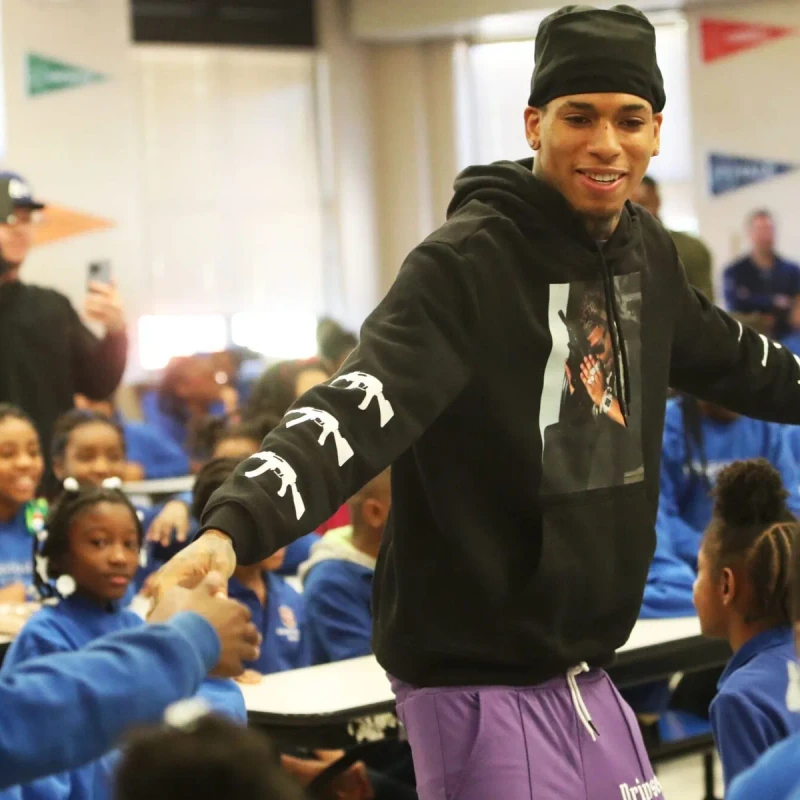
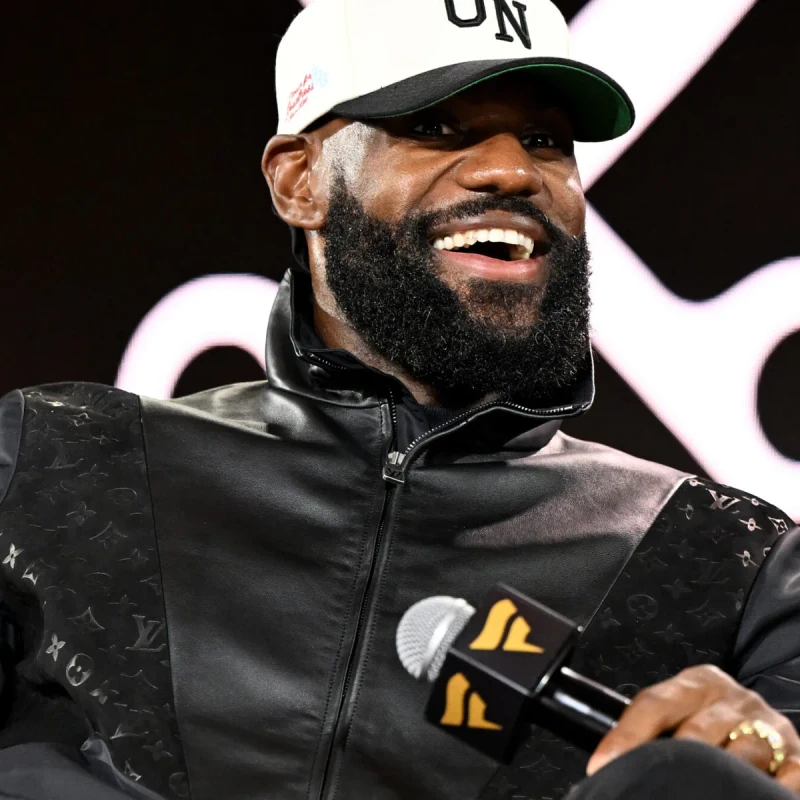
    Memphis is currently facing a wave of negative attention, and rapper NLE Choppa isn’t staying silent about it. With recent legal troubles for fellow Memphis artist Pooh Shiesty and controversial remarks from NBA superstar LeBron James, Choppa is using his platform to defend his city’s reputation.

    Addressing the Controversies

    The situation involves two major points of contention. First, Pooh Shiesty was recently arrested on serious charges, including alleged kidnapping and robbery of Gucci Mane. This news cast a shadow over the city’s hip-hop scene. Second, LeBron James made comments that many Memphians felt were insensitive, criticizing the city and its hotels.

    James, responding to the backlash, clarified his remarks, stating he dislikes playing in Milwaukee and Memphis, and specifically mentioned issues with the Hyatt Century hotel, not the people. He told ESPN, “I’m 41 years old and there’s two cities I don’t like playing in right now. And that’s Milwaukee and that’s Memphis… I’m not talking about the city, the people in Memphis. I don’t like staying at the Hyatt Century. What’s wrong with that?”

    Choppa’s Defense of Memphis

    NLE Choppa took to Twitter to address both situations. He initially reacted to Pooh Shiesty’s arrest, admitting, “Ian gon lie Shiesty f***ed me up with this one.” However, he quickly shifted focus to defending the city’s broader image. In a follow-up tweet, he declared, “Yall got Memphis f***ed up WE GOT BLACK EXCELLENCE TOO!” This powerful statement seems to be a direct response to both LeBron’s comments and the negative spotlight on the city’s hip-hop artists.

    The rapper’s message highlights the resilience and positive aspects of Memphis, pushing back against what he perceives as unfair criticism. It’s a call to recognize the city’s strengths beyond the recent controversies.

    Community and Official Responses

    The scrutiny hasn’t gone unnoticed by local leaders either. Memphis Mayor Paul Young extended an invitation to LeBron James via Twitter, suggesting a tour of the city’s culture and investment opportunities. “@kingjames, I would welcome the chance to turn your criticism into action in one of the most important cities in the world. Come to Memphis and roll around with me for a bit and I will show you some of the culture and powerful investment opportunities in our City.”

    Regarding the Pooh Shiesty situation, other figures like Asian Doll have spoken out, criticizing Gucci Mane and his label 1017 Records over alleged contract disputes related to the incident. The legal proceedings are ongoing and will likely unfold in the coming months.

    What do you think about NLE Choppa’s defense of Memphis? Share your thoughts in the comments below!

  • LeBron’s Memphis Comments Spark Controversy

    LeBron James, an elder statesman of the NBA whose words carry immense weight, has recently come under fire for comments made during an appearance on the Bob Does Sports YouTube channel. While discussing NBA expansion and relocation, James made remarks about Memphis that critics argue perpetuate harmful narratives and align with the league’s alleged bias against smaller, predominantly Black cities.

    Criticism of Memphis and Support for Relocation

    With the NBA reportedly considering expansion teams in Seattle and Las Vegas, and requiring substantial investment and suitable arenas, the conversation has also turned to team relocation. During the discussion, James expressed a clear disinterest in Memphis as a potential NBA market, stating, ‘I’m f***ing 41 years of age. You think I want to do sh** in Memphis on a random Thursday?’ He suggested the team should relocate to Nashville, citing its arena, Vanderbilt University, a NASCAR track, and the NHL’s Predators as reasons for its suitability.

    These comments have been met with disappointment and criticism, particularly given Memphis’s predominantly Black population (64%) and its rich cultural contributions, especially in hip-hop—a genre LeBron himself has often celebrated. Critics argue that James, despite his influence, used his platform to dismiss a passionate fanbase and a city with significant cultural exports, seemingly aligning with narratives pushed by right-wing media figures who have historically criticized him.

    The Context of Negative Narratives About Memphis

    Memphis has faced increased scrutiny regarding its quality of life and crime rate in recent years. While the city does have a high violent crime rate, this became a focal point in NBA discourse particularly after Donald Trump’s presidency, during which federal actions, like deploying the National Guard to cities with large Black populations including Memphis, were seen by some as stigmatizing. Sports commentators like Stephen A. Smith have also fueled the narrative, suggesting players feel unsafe in Memphis, which has caused anxiety among fans about the Grizzlies’ future in the city.

    The article points out a potential coordinated effort to marginalize Memphis as an NBA market, involving political figures, media commentators, and now, influential players like LeBron James. This is particularly concerning given the NBA’s historical challenges with small-market teams, which often struggle with revenue generation compared to larger, more prominent cities.

    Hypocrisy and Billionaire Mentality

    Critics highlight hypocrisy in James’s comments, noting his own origins in Akron, Ohio, and his tenure with the Cleveland Cavaliers, a market that also faced challenges. James himself left Cleveland twice, yet the article suggests he would likely not advocate for their relocation. Furthermore, a past collaboration between LeBron and Nike on a sneaker inspired by the Lorraine Motel—the site of Martin Luther King Jr.’s assassination in Memphis—makes his disparaging remarks about the city seem particularly tone-deaf and lacking in self-awareness.

    • LeBron James commented on NBA expansion and relocation during a YouTube appearance.
    • He expressed disinterest in Memphis as an NBA city and suggested relocation to Nashville.
    • Critics accuse James of perpetuating racist narratives about Memphis, a predominantly Black city.
    • Memphis has faced negative press regarding crime rates, amplified by political figures and media.
    • James’s comments are seen as hypocritical given his own career path and past collaborations.
    • The NBA’s alleged bias against small markets and the financial motivations behind relocation are discussed.

    The article concludes that James’s comments may signal a shift towards prioritizing capital accumulation and franchise ownership in major markets as his retirement approaches, potentially at the expense of cities like Memphis. This perspective suggests a detachment from the realities faced by fans and communities, reflecting a broader trend in professional sports where business interests often overshadow loyalty and cultural significance.

    What are your thoughts on LeBron James’s comments about Memphis? Do you believe they perpetuate harmful narratives? Share your opinions in the comments below!

  • Justin Pearson Lists Reasons Trump Isn’t Welcome in Memphis

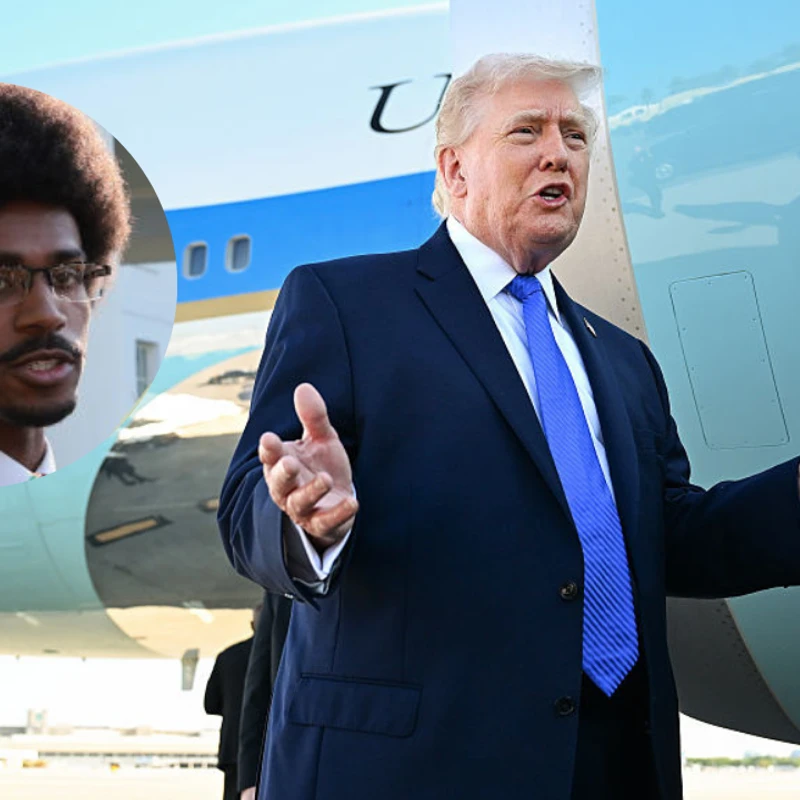
    As Memphis prepares for a visit from former President Donald Trump, Tennessee State Representative Justin Pearson is making it clear that Trump is not a welcome figure in the city. Pearson, a prominent Democrat and candidate for U.S. Senate, has outlined several reasons why he believes Trump’s presence is detrimental to the community.

    Pearson’s Strong Opposition to Trump’s Visit

    In a video shared on TikTok, Pearson expressed his strong disapproval of Trump’s upcoming visit, scheduled for March 23rd. He stated, “He isn’t welcome here… The reality is he’s trying to use us as a part of his authoritarian playbook and his scheme, and treating our city as a pawn. This is a beautiful place, but we don’t want him here.”

    Pearson further elaborated on his concerns, highlighting what he sees as Trump’s failure to support the city’s needs. “He hasn’t actually helped contribute any of the necessary resources to reduce poverty,” Pearson stated, adding that Trump has “posted racist images of Barack Obama and Michelle Obama, the first lady and president of the United States, as apes.” Pearson also criticized Trump’s handling of foreign policy, calling the growing conflict in Iran “unwinnable.”

    Protest Rally and the Memphis Safe Task Force

    Pearson is not just voicing his opposition; he’s also organizing a protest rally on the same day as Trump’s visit, using the Crime Mob song “Knuck If You Buck” to promote the event. Trump’s visit is centered around a roundtable discussion about the Memphis Safe Task Force (MSTF), a controversial initiative implemented after the National Guard was deployed to the city.

    Trump has credited the MSTF with reducing crime, citing statistics on arrests and seized firearms. However, Pearson and others, including Rep. Steve Cohen, argue against the necessity of such federal interventions, advocating for community-led solutions like poverty eradication and investment instead of what they term “military occupation.”

    Community Voices vs. Federal Intervention

    While the Shelby County Republican Party has welcomed Trump’s visit, figures like Pearson and Cohen represent a segment of the community that feels federal involvement, particularly through initiatives like the Safe Task Force, is misplaced and potentially harmful. They emphasize the need for resources directed towards addressing the root causes of crime, such as poverty.

    • State Rep. Justin Pearson opposes Donald Trump’s visit to Memphis.
    • Pearson cites Trump’s rhetoric, policies, and lack of support for poverty reduction.
    • A protest rally is planned during Trump’s visit.
    • The visit focuses on the Memphis Safe Task Force, which Pearson criticizes.
    • Pearson advocates for community investment over federal intervention.

    What are your thoughts on Justin Pearson’s stance against Donald Trump’s visit? Do you believe federal task forces are the right approach to reducing crime? Share your views in the comments below!
  • Memphis Leaders Reject Trump’s Visit, Cite Racism

    As Donald Trump arrived in Memphis to highlight his administration’s public safety initiatives, including the deployment of the National Guard, local leaders vehemently rejected his presence. They argue that the president and his Memphis Safe Task Force are causing more harm than good to the city’s Black and Brown residents, despite the stated goal of enhancing safety.

    A Vehement Rejection of Trump’s Visit

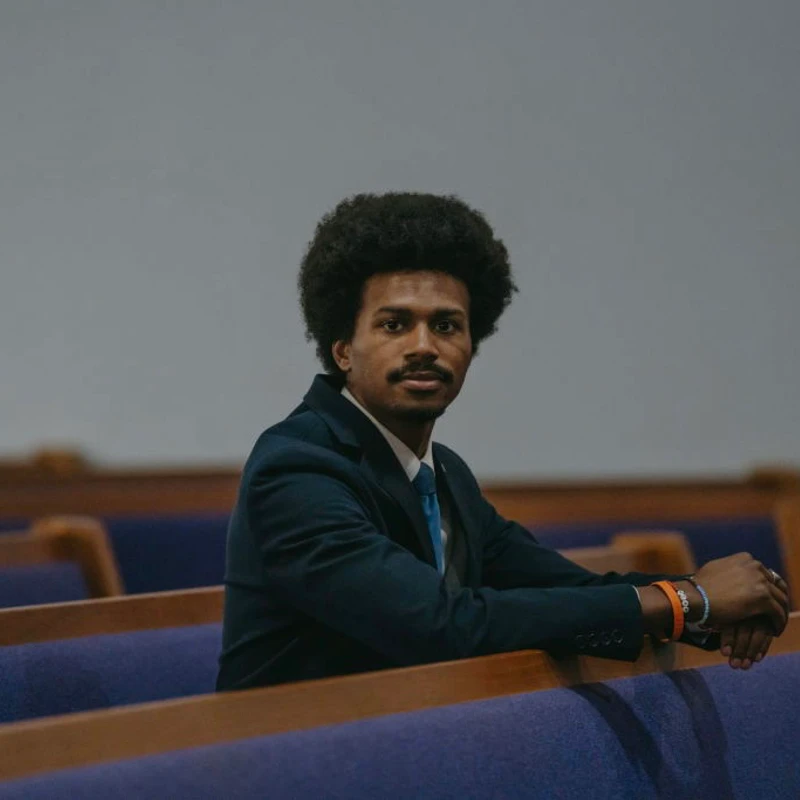
    Tennessee State Representative Justin J. Pearson did not hold back, telling theGrio, “He isn’t welcome here because he is a racist, xenophobe who has spewed hatred and hurt our communities more than he has helped them.” Pearson views Trump’s actions in Memphis, including the deployment of military personnel, as part of an “authoritarian playbook” targeting Democratic-led and Black-led cities.

    Pearson, who is running for U.S. Congress, joined hundreds of protesters at a “Dump Trump” rally. He criticized the six-month task force for allegedly leading to racial profiling of Black and Latino residents and exacerbating the strain on the jail system, with hundreds of children reportedly missing school due to fear.

    Questioning the Effectiveness of Federal Intervention

    While the Trump administration claims success, citing reductions in crime rates, Memphis native and State House candidate Kyler Gilkey argues that crime was already declining before federal intervention. “In reality, when our mayor, Paul Young, took office, in roughly a year, we had already seen crime drop down… this administration is going to come in and kind of take credit for the work that was already being done,” Gilkey stated.

    Gilkey also expressed concern about the message sent by deploying the National Guard to a majority-minority city, suggesting it implies a lack of faith in local leadership. He pointed to the historical context of the National Guard’s deployment in Memphis, noting it hadn’t occurred since the assassination of Dr. Martin Luther King Jr. in 1968.

    Focus on Root Causes vs. Military Presence

    Memphis leaders advocate for investing in proven local programs that address the root causes of crime, such as poverty eradication, community housing, healthcare access, and education. Rep. Pearson criticized the administration’s budget proposals, highlighting cuts to gun violence prevention grants while deploying military troops. “We want poverty eradication, not military occupation,” Pearson declared.

    Concerns about racial profiling persist, especially following a Supreme Court ruling that seemingly permits nationwide racial profiling by ICE. Pearson noted that pretextual traffic stops disproportionately affect Black, African-American, and Latino individuals, with statistics showing 94% of those stopped are people of color. Gilkey shared a personal account of his brother being pulled over “essentially for no reason at all.”

    As the duration of the increased military and federal agent presence remains unclear, Memphis leaders are focused on the aftermath. Rep. Pearson emphasized the trauma and repercussions left behind when such forces eventually depart, stating, “Our communities are left with trauma, with pain, with the repercussions of actions that we did not ask for.”

    What are your thoughts on the federal intervention in Memphis? Do you believe it’s helping or harming the community? Share your perspective in the comments below!

  • Community-Built Schools: A Path to Opportunity

    When we talk about education, it’s easy to get lost in policy debates and system structures. But what if we started with something more fundamental: place? Dorsey Hopson, a partner at City Fund and former superintendent of Shelby County Schools, believes that the most effective schools are deeply rooted in the communities they serve. He argues that when schools adapt to the people they serve, embracing change and fostering stability, high expectations, and adult attention, they truly open doors for students.

    Lessons from Memphis: Stability and Progress

    Hopson’s own experience growing up in Memphis and attending Whitehaven High School shaped his perspective. He remembers a time when school hallways, teachers who knew his name, and a shared understanding of education’s importance were paramount. This personal connection fueled his drive when he became superintendent of Shelby County Schools in 2013, a district facing significant challenges like a recent merger, financial strain, and aging facilities.

    One of his clearest priorities was improving graduation rates, especially for Black young men, who were disproportionately not finishing. This wasn’t about quick fixes; it was steady, practical work. The focus was on stabilizing leadership, upgrading buildings, reducing debt, and providing much-needed support to schools. By distributing resources effectively and raising expectations system-wide, the district saw real progress. By early 2019, graduation rates had climbed, reflecting the dedication of educators, families, and students.

    HBCUs: Trusted Partners in Education

    Today, Hopson’s work at City Fund continues this mission: helping communities build better school systems, particularly for those with fewer options. A significant initiative involves partnering with Historically Black Colleges and Universities (HBCUs). This $20 million collaboration with Bloomberg Philanthropies and UNCF recognizes the deep roots, educational expertise, and proven track record of HBCUs in turning opportunity into achievement.

    The idea is to bring these strengths into closer partnership with K–12 education, creating clearer pathways for students. In Alabama, this partnership is already taking shape. The I Dream Big Academy is set to open on the campus of Stillman College, a symbolic move during Black History Month that emphasizes the structural nature of expanding opportunity. Students will learn on a college campus, making higher education feel more accessible and familiar.

    Adapting to Community Needs

    Another community in Alabama is working with Tuskegee University to reopen an existing public school, enhancing academic support and strengthening ties to higher education. These schools are approved by local boards, designed by local educators, and chosen by families. This approach underscores Hopson’s belief that public education thrives when it adapts to the diverse needs and learning styles of its students and families.

    Research consistently shows that well-designed, well-led, and accountable schools benefit all students, with Black students, in particular, showing significant gains in high-quality public charter schools. This evidence supports the expansion of successful models while reinforcing existing systems. The core question remains: do students believe the system expects something of them? Do they feel seen and supported by the adults around them?

    • Schools must reflect the communities they serve.
    • Stability, high expectations, and adult attention are crucial.
    • Partnerships with trusted institutions like HBCUs can create new pathways.
    • Adapting to diverse family needs and learning styles strengthens public education.
    • Accountability and a focus on student experience drive meaningful progress.

    As a new public school opens on an HBCU campus this month, it serves as a powerful reminder that Black History Month calls for follow-through, not just grand statements. It’s about building schools that truly open doors, supporting leaders who take responsibility, and maintaining a steadfast focus on the daily experiences of students. This work is practical, local, and ongoing.

    What are your thoughts on building schools with community involvement? Share your experiences and ideas in the comments below!

  • Judge Blocks National Guard Deployment in Memphis

    In a significant legal decision, a Tennessee judge has sided with local officials, temporarily blocking Governor Bill Lee’s controversial order to deploy the National Guard in Memphis. Davidson County Chancellor Patricia Head Moskal issued a 35-page court order on November 17th, challenging the governor’s authority in this matter.

    Crime Rates Don’t Justify ‘Grave Emergency,’ Judge Rules

    Chancellor Moskal stated that the governor’s authority to deploy the National Guard is “not unfettered.” She ruled that Memphis’ current crime rates do not rise to the level of a “grave emergency” or “disaster” that would justify deploying troops under Lee’s role as commander-in-chief. The judge cited constitutional and military code provisions, emphasizing that the governor can only call the militia into service in cases of rebellion or invasion, and only with the General Assembly’s declaration that public safety requires it.

    This ruling directly counters the governor’s justification for the deployment, which has been in place since October as part of a task force established by the Trump administration in September. While Memphis Police reported fewer than 200 Guard personnel, court filings suggest over 700 may be deployed, highlighting a lack of clear documentation regarding the activation and purpose of the troops.

    Judicial Review and Lack of Official Orders

    Chancellor Moskal explicitly stated that the governor’s decision is not immune from judicial review, pushing back against arguments made by Tennessee Attorney General lawyers. Furthermore, she noted the absence of a clear, official order from Governor Lee activating the Tennessee National Guard, making it difficult for the court to fully evaluate the circumstances surrounding the deployment.

    This legal challenge in Memphis is not an isolated incident. Trump’s administration has faced similar pushback regarding National Guard deployments in other cities. In Chicago, a federal judge partially granted Illinois’ request to block troop deployment. While a Los Angeles court’s ruling against deployment was later overturned, Washington D.C. has also sued the Trump administration, deeming the deployment of Guard troops unconstitutional.

    Ongoing Legal Battles Over Military Deployment

    The temporary block in Memphis underscores the ongoing legal scrutiny surrounding the use of the National Guard in domestic situations. The court’s decision emphasizes the importance of clear legal justification and due process when deploying military forces within the United States.

    What are your thoughts on the use of the National Guard in domestic situations? Do you agree with the judge’s ruling? Share your opinions in the comments below!

  • Memphis Black Residents Fear Trump’s ‘Safe Task Force’

    A recent investigation into President Donald Trump’s “Memphis Safe Task Force” has brought to light serious concerns among the city’s Black residents. Many report feeling unsafe and subjected to harassment and racial profiling since the task force was deployed to combat violent crime.

    Concerns Over Harassment and Profiling

    The “Restoring Law and Order in Memphis” executive order, signed by Trump in September, established the task force, bringing together federal agents from the FBI, DEA, and ATF, alongside National Guard units and local law enforcement. While intended to address high crime rates, residents like Reggie Williams claim the task force is disproportionately targeting Black individuals.

    Williams recounted an incident where he was allegedly harassed by police and men claiming to be with Immigration and Customs Enforcement while walking to a store. He advises Black residents to carry identification at all times, stating, “If you are anything but white, you are an illegal. These people have lost their f*****g minds.”

    Pattern of Federal Intervention

    The investigation by ProPublica and MLK50 has documented other troubling incidents, including a ride-share driver stopped for a seatbelt violation despite wearing one, a pastor pulled over for “looking lost,” and an elderly man apprehended in his robe and underwear due to mistaken identity. These accounts are denied by the U.S. Marshals Service, which leads the task force, stating that claims of racial profiling are “not founded in reality.”

    This situation in Memphis is not isolated. The Trump administration has a history of deploying federal law enforcement and military units to cities, often those with Democratic leadership and significant Black populations. Examples include interventions in Washington D.C., Los Angeles, Chicago, and Portland, Oregon.

    Criticism from Civil Rights Leaders

    Civil rights organizations have strongly condemned these actions. Derrick Johnson, president and CEO of the NAACP, called Trump’s actions a “disgusting abuse of power” and a “calculated attempt to intimidate Black and brown Americans.” He emphasized that “weaponizing the military and ICE against our communities is not about safety; it’s about control.”

    The NAACP has vowed to oppose what they view as treating communities like “enemy combatants in our own country.” The ongoing deployment of federal forces raises critical questions about civil liberties and the potential for overreach in law enforcement efforts.

    What are your thoughts on the federal task force’s presence in Memphis and the concerns raised by residents? Share your perspective in the comments below!

  • Big Moochie Grape Drops ‘Nightmare On AB’ EP

    What’s scarier than a horror movie marathon on Halloween? For hip-hop fans, it might just be the anticipation of new music from a favorite artist. Well, East Memphis’ own Big Moochie Grape is here to deliver the goods, dropping a brand-new EP just in time for the spooky season. Get ready to dive into ‘Nightmare On AB’!

    A Halloween Treat from Big Moochie Grape

    Big Moochie Grape has consistently proven himself as a standout artist from the vibrant East Memphis scene. His music is known for its raw personality, and fans have come to expect nothing but fire from his projects. He’s built a reputation for delivering authentic tracks that resonate deeply with his audience.

    On October 31, 2025, he decided to give his dedicated supporters an extra special Halloween present. This gift comes in the form of an eight-track EP, aptly titled ‘Nightmare On AB.’ Clocking in at around 20 minutes, this project is short, sweet, and gets straight to the heart of what Big Moochie Grape does best.

    Inside ‘Nightmare On AB’

    This new EP is a testament to Big Moochie Grape’s prolific work ethic. Even as fans are enjoying ‘Nightmare On AB,’ it’s a safe bet he’s already cooking up something new. The project is a concise collection that fans are sure to have on repeat, showcasing his signature sound and lyrical prowess.

    Tracklist Highlights

    The EP features a solid lineup of tracks that keep the energy high and the vibes right. Here’s a look at what you can expect on ‘Nightmare On AB’:

    • Got Me Fucced Up
    • Meaning of Gigantic
    • Humongous
    • End Yo Career
    • I Earned It
    • Da Reason
    • Don’t Miss
    • Let’s Go

    With a runtime of just 20 minutes, ‘Nightmare On AB’ is the perfect project to get you through your Halloween festivities or just to add some fresh hip-hop to your playlist. Big Moochie Grape continues to solidify his place as a must-watch artist in the game.

    What are your favorite tracks from Big Moochie Grape’s new ‘Nightmare On AB’ EP? Let us know in the comments below!

  • Memphis Women’s Expo: Empowering the ‘Spirit of 901’

    In the heart of Memphis, affectionately known as the “901,” a powerful movement is taking shape: the Memphis Women’s Expo. Founded by Attorneys Victoria Young Robinson and Carlissa Shaw, this event is more than just a gathering; it’s a vibrant celebration of the unique spirit, determination, and resilience of women in the city. Robinson and Shaw, embodying the soulful depth, gritty determination, and graceful resilience of Memphis women, envisioned a platform to amplify these qualities and foster a community of empowerment.

    From Idea to Movement: The Expo’s Genesis

    The expo was born from a simple yet profound idea: to create a dedicated space where Memphis women could see themselves reflected, connect with one another, and gain the tools needed to thrive. Frustrated by the lack of such an initiative, Robinson and Shaw took a proactive approach, building the platform they envisioned. Now in its second year, the expo has evolved into a significant movement, actively highlighting women-owned businesses and voices while creating vital pipelines for mentorship and community impact.

    The event brings together women from various industries for candid discussions on entrepreneurship, wellness, and work-life balance. Panels like “Started It: Women Entrepreneurs Roundtable” featured leaders such as Pink Noire CEO Chasity Monroe, who emphasized the importance of representation in the beauty supply industry, stating, “Little Black girls walk into beauty supply stores and see themselves.” Others, like Pamela Webster, shared insights on building legacy through real estate.

    Prioritizing Self-Care and Community Impact

    Health leaders like Dr. Audrey Townsel and Dr. Mallory Mitchell offered crucial reminders about self-care and patience, emphasizing that “the healing is in the wait/weight” and “my presence matters more than my perfection.” HGTV’s Carmeon Hamilton and Memphis Urban League CEO Gale Jones Carson shared reflections on finding beauty in everyday life and carving out moments of joy, painting a picture of Memphis women leading with vision, resilience, and care.

    The expo’s legacy, as envisioned by Robinson and Shaw, is to leave attendees feeling “seen and equipped” and part of something larger than themselves. The aim is to foster new collaborations, support new businesses, and strengthen networks that will uplift Memphis for years to come. Investing in women, they believe, is an investment in families, neighborhoods, and the entire economic ecosystem of the city.

    The Unstoppable Spirit of Memphis Women

    The event also featured a bustling vendor market with over 50 women-owned businesses, offering everything from stylish accessories to empowering literature and delectable treats. When asked about the source of Memphis women’s strength, Robinson and Shaw pointed to their inherent resilience. “Memphis women are resilient. We’ve weathered storms – personally, professionally, and historically. We still show up ready to lead, nurture, innovate, and fight for what we believe in.” They describe Memphis women as resourceful individuals who “hustle with heart,” possessing a unique blend of grit and grace.

    Celebrating these women isn’t just optional; it’s essential. Robinson and Shaw emphasize that the expo belongs to every woman who participated, shared her story, and contributed to the community. With an optimistic outlook, they believe this is just the beginning, and Memphis women are poised to “rewrite the narrative of what’s possible together.”

    What qualities do you admire most in the women of Memphis? Share your thoughts on the importance of women’s empowerment events in the comments below!